Harley-Davidson Oil Filter Chart – Your Complete Guide
The Harley-Davidson Oil Filter Chart is an essential tool for every rider who wants to protect their engine. This guide breaks down the right oil filter for each Harley model, making your next oil change simple and fast. You will learn how to read the chart, pick the best filter, and avoid costly mistakes.
Riding a Harley-Davidson is more than a hobby. It is a lifestyle. And like any lifestyle, it comes with responsibilities. One of the most important tasks every Harley owner faces is keeping the engine clean. The Harley-Davidson Oil Filter Chart makes this job easier than ever. It tells you exactly which filter fits your bike. No guesswork. No confusion. Just clear, reliable info that keeps your engine running smooth.
Whether you ride a Sportster, a Touring model, or a Street bike, the right oil filter matters. It traps dirt, metal particles, and sludge before they can damage your engine. A good filter can mean the difference between a smooth ride and a costly repair. This guide walks you through everything you need to know about the Harley-Davidson oil filter chart. You will learn how to read it, what each column means, and how to pick the best filter for your ride.
Key Takeaways
- Model-Specific Filters: Every Harley-Davidson model needs a specific oil filter. The chart helps you match the right one quickly.
- OEM vs. Aftermarket: Both options have pros and cons. Understanding the differences saves money and keeps your engine safe.
- Replacement Frequency: Changing your oil filter at the right interval prevents engine damage and extends motorcycle life.
- Easy DIY Process: With the right tools and steps, you can replace your oil filter at home in under 30 minutes.
- Common Mistakes Cost Money: Skipping the gasket, over-tightening, or using the wrong filter can lead to expensive repairs.
- Top Brands Matter: Brands like K&N, FRAM, and Harley OEM offer reliable filtration for different riding styles.
📑 Table of Contents
Why the Harley-Davidson Oil Filter Chart Matters
Every Harley-Davidson motorcycle has unique engine specs. The displacement, oil capacity, and filtration needs vary from model to model. That is why a one-size-fits-all approach does not work. The Harley-Davidson Oil Filter Chart organizes all the filter options by model year and engine type. It removes the guesswork from your maintenance routine.
Think of the chart as a map. It guides you straight to the correct filter for your bike. Without it, you might buy the wrong size or micron rating. That can lead to poor filtration or even engine damage. Using the chart ensures you get the right motorcycle oil change parts every single time.
Here are some reasons why the chart is so valuable:
- Model-specific accuracy: Each entry matches a specific Harley model and year.
- Filter compatibility: You avoid buying filters that do not fit your housing.
- Performance matching: Different riding styles need different filtration levels.
- Time savings: No more digging through manuals or searching online for hours.
- Cost efficiency: You buy exactly what you need, nothing more.
When you use the Harley-Davidson oil filter chart, you take control of your engine maintenance. It is one of the simplest yet most powerful tools in your garage.
Who Should Use the Oil Filter Chart?
Honestly, everyone. New Harley owners benefit because they learn which filter fits their bike right away. Experienced riders use it when they switch models or years. Even seasoned mechanics keep a copy handy for quick reference. If you care about engine maintenance, the chart belongs in your toolkit.
Understanding Your Harley-Davidson Oil Filter
Before you dive into the chart, it helps to understand what an oil filter actually does. The filter sits inside or outside your engine block. It catches contaminants as oil flows through the system. Clean oil keeps all the moving parts lubricated. Dirty oil causes friction, heat, and wear.
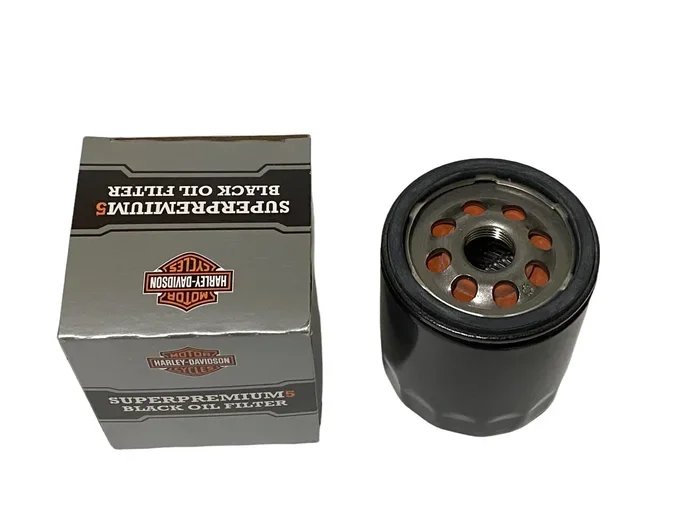
Most Harley-Davidson bikes use a cartridge-style filter. This means the filter element drops into a housing. You replace the cartridge each time. Some older models use a spin-on style, which twists off like a can. Knowing which type your bike uses is the first step in reading the chart correctly.
Key Parts of the Oil Filtration System
The oil filter housing holds the filter in place. Inside, the filter cartridge does the actual work. A bypass valve opens if the filter gets clogged, allowing oil to flow around it. This prevents engine starvation. The oil filter gasket seals the connection and prevents leaks.
Each part plays a role in keeping your engine healthy. When you look at the Harley-Davidson Oil Filter Chart, you will notice columns for each of these components. Understanding what they do helps you make smarter choices.
Micron Rating and Filtration
The micron rating tells you how small the particles are that the filter can catch. A lower micron number means finer filtration. For Harley engines, a rating between 10 and 20 microns works well. This range traps harmful debris without restricting oil flow.
If you ride in dusty or dirty conditions, you may want a tighter filter. The chart helps you compare micron ratings across different brands and models. This way, you match your filter to your riding environment.
Harley-Davidson Oil Filter Chart by Model
This is where the chart shines. It breaks down filters by model family. Let us walk through the main categories you will find.
Sportster Models
The Sportster line includes the Forty-Eight, Iron Eighty, and Forty-Eight Special. These bikes have smaller displacement engines. They need a specific filter size. The Harley-Davidson Oil Filter Chart lists the correct cartridge and housing for each Sportster variant. For most Sportsters from 2004 onward, the filter part number starts with specific prefixes that the chart identifies clearly.
Sportster riders often enjoy custom builds and modifications. If you have changed your exhaust or air intake, your oil flow might differ. Check the chart and consult your dealer to confirm the best filter for your setup.
Touring Models
Touring bikes like the Road King, Street Glide, and Road Glide have larger engines. They produce more heat and run more oil. The filtration demands are higher. The chart provides the correct filter for each Touring model year. These filters typically have a higher capacity and a stronger bypass valve.
If you ride long distances, you want a filter that can handle sustained use. The Harley-Davidson oil filter chart helps you find high-capacity options. Look for filters with a higher micron rating and durable construction.
Softail and Dyna Models
The Softail and Dyna families include bikes like the Fat Boy, Low Rider, and Breakout. These models have medium-sized engines with a classic look. The chart lists the correct filter for each variant. Most Softail and Dyna models from 2000 onward share similar filter specs, but year-to-year changes do happen.
Always double-check your model year on the chart. A filter that fits a 2015 Dyna may not fit a 2018 model. The chart keeps you accurate and safe.
Street and LiveWire Models
The Street line and LiveWire electric models bring modern technology to Harley-Davidson. The Street 500 and Street 750 use specific filters that the chart lists. Even though the LiveWire is electric and does not need an oil filter, the chart still helps traditional Harley riders who own multiple bikes in the lineup.
For the Street models, the chart shows the correct oil filter size and replacement interval. These bikes are urban riders, so they face different conditions than Touring bikes. The chart accounts for that.
How to Choose the Right Oil Filter
Now that you know how to read the chart, let us talk about choosing the best filter. The market is full of options. OEM filters, aftermarket brands, performance filters. How do you pick?
OEM vs. Aftermarket Filters
The OEM filter comes straight from Harley-Davidson. It meets the exact specs for your bike. The Harley-Davidson Oil Filter Chart lists the OEM part number for each model. Aftermarket filters come from brands like K&N, FRAM, and Mobil 1. They often cost less and sometimes offer better filtration.
Here is a quick comparison to help you decide:
| Feature | OEM Filter | Aftermarket Filter |
|---|---|---|
| Price | Higher | Lower to moderate |
| Fit | Perfect | Usually perfect |
| Filtration Quality | Excellent | Varies by brand |
| Availability | Dealer only | Widely available |
| Warranty | Covered | Varies |
Most riders find that a quality aftermarket filter works just as well as the OEM version. The chart helps you find aftermarket options that match your model exactly.
Filter Material and Construction
Oil filters use different media to trap particles. Cellulose is the most common. It works well for everyday riding. Synthetic media offers better flow and longer life. If you push your Harley hard on the track or in heavy traffic, a synthetic filter might be your best bet.
The Harley-Davidson oil filter chart often includes the filter material type. This helps you match the filter to your riding style. A casual weekend rider does not need the same filter as a daily commuter in stop-and-go traffic.
Filter Capacity and Flow Rate
Capacity refers to how much dirt the filter can hold before it needs replacing. Flow rate refers to how easily oil passes through the filter. A filter with high capacity and good flow rate keeps your engine protected longer. The chart helps you compare these specs across different models.
Look for filters with a high dirt-holding capacity if you ride in harsh conditions. For normal riding, a standard capacity filter works fine. The chart gives you all the data you need to decide.
Step-by-Step Oil Filter Replacement Guide
Replacing your oil filter is easier than you think. With the Harley-Davidson Oil Filter Chart in hand, you know exactly which filter to buy. Here is how to do it yourself.
What You Will Need
- The correct oil filter from the chart
- New oil filter gasket (if required)
- Oil filter wrench or strap
- Socket wrench set
- Drain pan
- Clean rags
- Engine oil (check your manual for the correct type and amount)
Step 1: Warm Up the Engine
Run your Harley for about 3 to 5 minutes. Warm oil flows better and carries more contaminants out of the engine. Turn off the bike and let it cool slightly.
Step 2: Drain the Old Oil
Place your drain pan under the drain plug. Remove the plug and let the old oil flow out completely. Wait a few minutes. Replace the drain plug once the oil stops dripping.
Step 3: Remove the Old Filter
Locate the oil filter housing. Use your oil filter wrench to loosen the old filter. Turn it counterclockwise. Be careful not to damage the housing or the oil filter gasket. Remove the old filter and clean the housing with a rag.
Step 4: Install the New Filter
Take your new filter from the Harley-Davidson oil filter chart. If it uses a new gasket, install it now. Place the new filter into the housing. Hand-tighten it first, then snug it with the wrench. Do not over-tighten. This can crack the housing or strip the threads.
Step 5: Add Fresh Oil
Open the oil fill cap. Pour in the correct amount of fresh engine oil. Check the level with the dipstick. Start the engine and let it run for a minute. Check for leaks around the filter housing.
You just completed a full oil filter replacement. It took less than 30 minutes and saved you a trip to the shop.
Common Mistakes and Expert Tips
Even experienced riders make mistakes when changing their oil filter. Here are the most common ones and how to avoid them.
Skipping the Gasket
One of the most common errors is forgetting to replace the gasket. The old gasket sticks to the housing and causes leaks. Always check if a new gasket comes with your filter. The Harley-Davidson Oil Filter Chart notes whether a gasket is included.
Over-Tightening the Filter
It is tempting to crank the filter as tight as possible. This is a mistake. Over-tightening damages the housing and makes future replacements harder. Hand-tighten first, then give it a quarter turn with the wrench. That is all it takes.
Using the Wrong Filter
Never use a filter just because it looks similar. The wrong micron rating or size can restrict oil flow or fail to trap contaminants. Always cross-reference your model number with the Harley-Davidson oil filter chart before purchasing.
Ignoring the Oil Change Interval
The filter works hard, but it has limits. Riding past the recommended oil change interval reduces its effectiveness. Most Harley models need an oil and filter change every 5,000 miles. Check your owner manual and adjust based on your riding conditions.
Expert Insight: When to Upgrade Your Filter
Many riders ask whether they should upgrade to a high-performance filter. The answer is yes, if you ride hard or in tough conditions. Performance filters offer better micron ratings and higher dirt capacity. The chart helps you find upgraded options for your specific model.
Quick tip: Keep a spare filter in your garage at all times. You never know when you will need it, and buying in bulk often saves money.
Key Takeaways
- Model-Specific Filters: Every Harley-Davidson model needs a specific oil filter. The chart helps you match the right one quickly.
- OEM vs. Aftermarket: Both options have pros and cons. Understanding the differences saves money and keeps your engine safe.
- Replacement Frequency: Changing your oil filter at the right interval prevents engine damage and extends motorcycle life.
- Easy DIY Process: With the right tools and steps, you can replace your oil filter at home in under 30 minutes.
- Common Mistakes Cost Money: Skipping the gasket, over-tightening, or using the wrong filter can lead to expensive repairs.
- Top Brands Matter: Brands like K&N, FRAM, and Harley OEM offer reliable filtration for different riding styles.
Conclusion
The Harley-Davidson Oil Filter Chart is one of the simplest tools you can own. It takes the mystery out of oil filter selection and gives you confidence with every oil change. Whether you ride a Sportster, a Touring beast, or a classic Dyna, the chart has your back.
Use it every time you buy a new filter. Share it with fellow Harley owners. It is a small resource that makes a big difference. Your engine works hard for you. The least you can do is protect it with the right filter. Grab your chart, gather your tools, and keep that Harley running strong for miles to come.
Remember, engine maintenance is not just about oil changes. It is about caring for your machine so it cares for you. The right oil filter, the right interval, and the right attitude. That is the Harley way.
Frequently Asked Questions
How often should I replace my Harley-Davidson oil filter?
Most Harley-Davidson models require an oil and filter change every 5,000 miles. However, if you ride in dusty or harsh conditions, you may need to change it more often. Check your owner manual and use the Harley-Davidson Oil Filter Chart to confirm the right interval for your model.
Can I use an aftermarket oil filter on my Harley-Davidson?
Yes, aftermarket filters from brands like K&N, FRAM, and Mobil 1 work well on most Harley models. Always verify the filter size and micron rating using the Harley-Davidson oil filter chart before purchasing. A quality aftermarket filter can save money without sacrificing performance.
What happens if I use the wrong oil filter?
Using the wrong filter can cause poor filtration, oil leaks, or engine damage. The filter may not fit properly, or the micron rating may be too coarse. Always cross-reference your model with the Harley-Davidson Oil Filter Chart to avoid these costly mistakes.
Do I need to replace the oil filter gasket every time?
Yes, if your bike uses a replaceable gasket. The old gasket can stick to the housing and cause leaks. The Harley-Davidson Oil Filter Chart notes whether a new gasket is included with the filter or needs to be purchased separately.
Is it hard to replace the oil filter at home?
Not at all. With the right tools and a few simple steps, most riders can replace their oil filter in under 30 minutes. The Harley-Davidson oil filter chart helps you buy the correct filter, and a quick online video can walk you through the process step by step.
What is the difference between OEM and aftermarket oil filters?
OEM filters are made by Harley-Davidson and meet exact factory specs. Aftermarket filters come from third-party brands and often cost less. Both can provide excellent filtration. The Harley-Davidson Oil Filter Chart lists both options, helping you choose based on your budget and riding needs.