How Havals Suspension System Works and Why It Matters
Haval’s suspension system combines advanced components like shock absorbers, struts, and anti-roll bars to deliver a smooth, stable ride across all terrains. Understanding how this system works helps owners maintain their vehicle better and enjoy improved handling, comfort, and safety on every drive.
If you drive a Haval, you already know these SUVs are built to handle both city streets and rough trails. But have you ever stopped to think about what keeps your ride so smooth? The answer is your Haval suspension system. It is one of the most important parts of your vehicle, even though you never really see it working.
Your suspension does a lot more than just absorb bumps. It keeps your tires grounded, helps you steer with confidence, and protects the rest of your car from wear and tear. In this guide, we will break down exactly how Haval’s suspension system works and why it matters so much for your driving experience.
Whether you own a Haval H6, a Haval Jolion, or any other model, understanding your suspension will help you take better care of your ride. Let us dive in and explore how all the pieces fit together.
Key Takeaways
- Haval suspension systems use a mix of McPherson struts, multi-link setups, and leaf springs depending on the model and purpose.
- Shock absorbers and struts are the heart of the system, controlling how your wheels respond to road bumps and uneven surfaces.
- Independent suspension gives Haval vehicles better handling and ride comfort compared to older solid-axle designs.
- Regular maintenance like checking bushings, alignment, and fluid levels keeps your suspension performing at its best.
- Warning signs such as bouncing, pulling to one side, or noisy rides mean it is time to inspect your suspension.
- Anti-roll bars and damping control work together to reduce body roll and keep your Haval stable during turns.
- Haval’s off-road models feature specially tuned suspension setups that handle rough terrain with impressive confidence.
📑 Table of Contents
What Is a Suspension System and Why Does It Matter
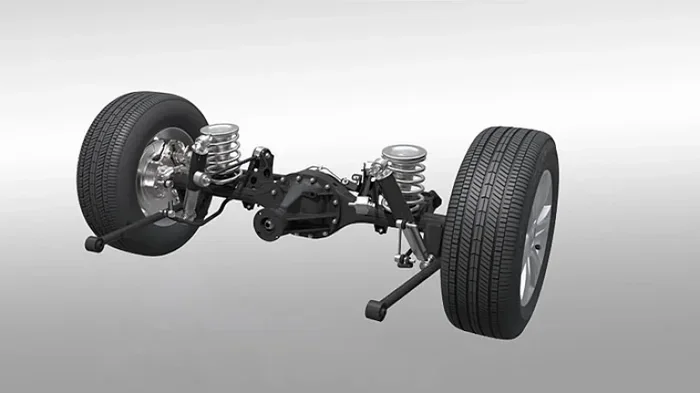
A suspension system is the collection of parts that connects your wheels to the rest of the vehicle. It includes springs, shock absorbers, struts, control arms, and bushings. Together, these parts manage the relationship between your wheels and the road surface.
Think of it this way. Your car’s tires touch the road, but they need to move up and down over bumps, potholes, and uneven surfaces. Without a suspension system, every bump would jolt straight into the chassis and your passengers. The suspension absorbs that energy and keeps the ride smooth and controlled.
Here is why the suspension system matters so much:
- Ride comfort: A good suspension filters out road imperfections so you and your passengers stay comfortable.
- Handling and stability: It keeps your tires in contact with the road, which is essential for steering, braking, and cornering.
- Safety: Worn suspension parts can increase stopping distances and make your vehicle harder to control.
- Protecting other parts: Without proper damping control, vibrations would damage your engine, exhaust, and interior components over time.
For Haval vehicles, the suspension is specifically tuned to match the character of each model. A comfortable family SUV like the Haval H6 needs a different setup than a rugged off-roader like the Haval H9. This is what makes Haval’s approach to suspension design so interesting.
How Haval’s Suspension System Works
At its core, a suspension system manages two forces: spring force and damping force. The springs hold the vehicle up and absorb impacts. The dampers, or shock absorbers, control how fast the springs compress and rebound. Haval vehicles use a carefully balanced combination of both to deliver the ride quality drivers expect.
The Role of Shock Absorbers and Struts
Shock absorbers are not actually absorbers in the traditional sense. They do not absorb energy. Instead, they control the motion of the springs and suspension components. They use hydraulic fluid to resist rapid movement, which slows down the bouncing of your wheels after hitting a bump.
A strut combines the shock absorber and the spring into one unit. Many Haval models use McPherson strut suspension in the front. This design is compact, lightweight, and efficient. It saves space in the engine bay and keeps costs manageable without sacrificing performance.
Here is how a strut works in simple terms:
- The wheel hits a bump and moves upward.
- The spring inside the strut compresses to absorb the energy.
- The shock absorber part of the strut slows down the compression.
- The spring rebounds and pushes the wheel back down.
- The shock absorber again controls the speed of the rebound.
This cycle happens thousands of times during a typical drive. The speed and precision of this cycle directly affect your ride quality and vehicle handling.
Springs and Damping Control
Coil springs are the most common type used in Haval passenger vehicles. They are helical springs that compress and extend as the wheels move over uneven surfaces. Coil springs are great because they offer a good balance of comfort and support.
Some Haval models, especially those designed for heavier loads or off-road use, use leaf springs. These are multiple layers of curved metal stacked together. Leaf springs are very durable and can handle heavy weight. They are common in the Haval H9 and other body-on-frame SUVs.
Damping control refers to how the shock absorbers manage the spring’s movement. Haval tunes the damping to match each vehicle’s purpose. A comfortable daily driver like the Haval Jolion gets softer damping for a smooth ride. A performance-oriented or off-road model gets firmer damping for better control and stability.
The damping force depends on several factors:
- The viscosity of the hydraulic fluid inside the shock absorber
- The size of the valves and orifices that the fluid passes through
- The speed at which the suspension compresses or extends
- The temperature of the fluid and ambient conditions
Haval engineers adjust all of these variables during the development phase to get the right balance for each model.
Anti-Roll Bars and Stability
When you take a sharp turn, your vehicle’s body leans to the outside. This is called body roll. Too much body roll makes you feel unstable and reduces tire contact with the road. Anti-roll bars (also called stabilizer bars) reduce this effect.
An anti-roll bar is a thick metal bar that connects the left and right sides of the suspension. When one wheel moves up, the bar transfers some of that force to the other wheel. This keeps the vehicle more level during turns.
Haval vehicles use anti-roll bars in both the front and rear suspension setups. The thickness and stiffness of these bars are carefully chosen to match each model’s driving character. A sporty Haval model might have stiffer anti-roll bars for sharper handling, while a comfort-focused model uses softer bars for a more relaxed ride.
Types of Suspension Used in Haval Vehicles
Not all Haval vehicles use the same suspension setup. The type depends on the model, its intended use, and the price point. Here is a closer look at the suspension types you will find across the Haval lineup.
McPherson Strut Suspension
The McPherson strut is the most common front suspension design in modern cars and SUVs. It is simple, lightweight, and takes up less space than alternatives. Most Haval passenger models use McPherson struts in the front.
Benefits of the McPherson strut include:
- Lower production cost, which keeps the vehicle more affordable
- Compact design that frees up engine bay space
- Good ride comfort for daily driving
- Easy and affordable to maintain
The trade-off is that McPherson struts are not as well-suited for heavy-duty use or aggressive cornering as more complex designs. But for most Haval SUV owners, they provide more than enough performance.
Multi-Link Independent Suspension
Higher-end Haval models and certain trims use multi-link independent suspension in the rear. This design uses multiple control arms and links to connect the wheel to the chassis. Each link controls a different aspect of wheel movement.
Multi-link suspension offers several advantages:
- Better wheel alignment control over bumps and turns
- Improved ride comfort because each wheel can move more independently
- Enhanced vehicle handling and stability
- Better tire wear because the wheels stay flatter on the road surface
If you own a Haval H6 or Haval Jolion with multi-link rear suspension, you are getting a more refined and responsive ride compared to simpler designs. This is one of the reasons Haval competes well in the premium SUV segment.
Leaf Spring Suspension for Heavy-Duty Models
The Haval H9 and some other body-on-frame models use leaf spring suspension in the rear. Leaf springs are a traditional design that has been used in trucks and SUVs for decades. They consist of several layers of spring steel stacked together.
Leaf springs excel in these areas:
- Load carrying capacity: They handle heavy cargo and towing with ease
- Durability: They are extremely tough and long-lasting
- Off-road capability: They provide consistent wheel contact on uneven terrain
- Simple design: They are easier and cheaper to maintain
Haval tunes the leaf spring setup on the H9 to be comfortable enough for daily driving while still being capable on trails and rough roads. This versatility is a big reason why the H9 appeals to both on-road and off-road drivers.
Why Haval’s Suspension Design Stands Out
Haval has invested heavily in suspension development over the years. The company works closely with its parent company, Great Wall Motors, to access advanced testing facilities and engineering expertise. This gives Haval a real edge in suspension tuning.
One thing that sets Haval apart is the focus on chassis dynamics. This is the study of how the entire vehicle body moves and reacts during driving. Haval engineers do not just pick suspension parts and bolt them on. They tune every component to work together as a complete system.
Here are some reasons Haval’s suspension design stands out:
- Model-specific tuning: Each Haval model gets a suspension setup tailored to its intended use, whether it is a family SUV or an off-roader.
- International testing: Haval tests vehicles on diverse road surfaces and climates around the world to refine the suspension.
- Balance of comfort and performance: Haval suspension rarely feels too soft or too stiff. It hits a sweet spot that appeals to most drivers.
- Progressive damping: Some models use damping that adjusts based on driving conditions, offering a softer ride on smooth roads and firmer control during aggressive maneuvers.
The result is a driving experience that feels polished and confident. Whether you are cruising on the highway or navigating a gravel road, Haval’s suspension keeps you in control.
How to Maintain Your Haval Suspension System
Like every mechanical system in your car, your suspension needs regular care to keep performing well. Neglecting suspension maintenance can lead to a rougher ride, poor handling, and even unsafe driving conditions. The good news is that basic suspension maintenance is straightforward and affordable.
Regular Maintenance Tasks
Here are the key maintenance tasks you should follow for your Haval’s suspension system:
- Inspect shock absorbers and struts: Look for leaks, damage, or excessive wear. If your car bounces more than twice after pressing down on the hood, your shocks may need replacement.
- Check bushings: Rubber bushings wear out over time. When they crack or deteriorate, you may hear clunking noises over bumps. Replacing bushings is usually inexpensive.
- Monitor wheel alignment: Poor alignment causes uneven tire wear and makes the car pull to one side. Have your alignment checked every 10,000 to 12,000 miles.
- Examine springs: Look for broken or sagging coil springs. A sagging spring can change your ride height and affect handling.
- Check suspension fluid: If your Haval has adaptive damping, make sure the fluid levels and system are in good condition.
- Tighten bolts and fasteners: Suspension components are under constant stress. Periodically check that all bolts are properly torqued.
Quick Tips for Suspension Longevity
Follow these simple tips to extend the life of your Haval’s suspension:
- Avoid potholes and speed bumps when possible. Hitting them at high speed puts enormous stress on suspension parts.
- Do not overload your vehicle. Exceeding the weight limit strains springs, shocks, and bushings.
- Rotate your tires regularly. Uneven tire wear puts extra stress on suspension components.
- Drive smoothly. Aggressive driving wears out suspension parts faster.
- Replace parts in pairs. If one shock absorber fails, replace the opposite side at the same time for balanced performance.
Common Suspension Problems and Warning Signs
Even with good maintenance, suspension parts wear out over time. Knowing the warning signs helps you catch problems early before they become expensive repairs or safety issues.
Warning Signs Your Suspension Needs Attention
Watch for these common symptoms that your Haval suspension may need inspection:
- Excessive bouncing: If the car keeps bouncing after you drive over a bump, your shock absorbers are likely worn.
- Nose diving during braking: The front of the car dips significantly when you brake hard. This points to worn front shocks or struts.
- Pulling to one side: Your vehicle drifts left or right on a straight, flat road. This can be a suspension or alignment issue.
- Clunking or knocking noises: Unusual sounds over bumps often mean worn bushings or ball joints.
- Uneven tire wear: Bald spots or cupping on your tires suggest the suspension is not keeping the tires evenly on the road.
- Sagging ride height: If one corner of the car sits lower than the others, a spring may be broken or worn.
- Vibrations: Feeling vibrations through the steering wheel or seat at highway speeds can indicate suspension problems.
When to See a Mechanic
If you notice any of these signs, do not ignore them. Suspension problems get worse over time and can affect your ability to control the vehicle. A qualified mechanic can inspect your Haval’s suspension and recommend the right repairs. Most suspension repairs are straightforward and affordable when caught early.
Final Thoughts
Your Haval suspension system is a marvel of engineering that works silently every time you drive. It keeps your ride smooth, your handling precise, and your vehicle safe on the road. From the shock absorbers and struts to the springs, anti-roll bars, and damping control, every part plays a vital role in how your Haval feels and performs.
Understanding how the system works gives you the knowledge to take better care of your vehicle. Regular maintenance, early attention to warning signs, and smart driving habits will keep your suspension in great shape for years to come. Whether you drive a Haval for daily commuting or weekend adventures, your suspension deserves the same attention you give your engine or your tires.
Take a moment to appreciate the engineering that goes into every Haval ride. And when it is time for service or maintenance, give your suspension the care it deserves. A well-maintained suspension system is one of the best investments you can make in your vehicle’s longevity and your own driving enjoyment.
Frequently Asked Questions
How often should I replace the shock absorbers on my Haval?
Most shock absorbers last between 50,000 and 100,000 miles, depending on driving conditions. If you frequently drive on rough roads or carry heavy loads, they may wear out faster. Have a mechanic check them during every oil change to catch wear early.
Can I drive my Haval with a broken suspension spring?
You should avoid driving on a broken spring. It can damage other suspension components and affect your vehicle’s handling and stability. Get your Haval towed to a repair shop and have the spring replaced as soon as possible.
Does Haval offer adjustable suspension on any models?
Some higher-end Haval models feature adaptive or semi-active damping systems that adjust the suspension stiffness based on road conditions and driving style. Check your specific model’s trim level to see if this feature is available.
How much does it cost to maintain a Haval suspension system?
Routine suspension maintenance like inspections, bushing replacements, and alignments typically costs between $100 and $400 depending on the repair. Shock absorber replacement can range from $300 to $800 per pair, varying by model and labor rates in your area.
What is the difference between a shock absorber and a strut?
A shock absorber is a standalone component that controls spring movement. A strut combines the shock absorber and coil spring into one unit. Many Haval models use struts in the front and separate shocks in the rear, depending on the suspension design.
Does Haval’s suspension perform well off-road?
Yes, especially models like the Haval H9. The leaf spring rear suspension and tuned damping make Haval SUVs capable off-road vehicles. The suspension is designed to maintain tire contact and absorb impacts on rough terrain while still providing a comfortable on-road ride.