How Do You Reset Check Engine Light 2015 Toyota Highlander
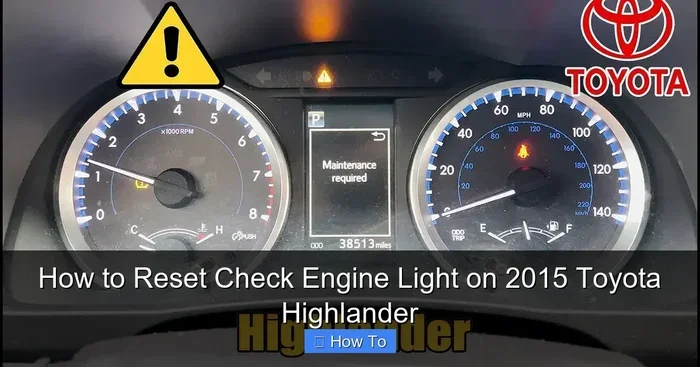
How Do You Reset Check Engine Light 2015 Toyota Highlander? You can do it yourself with an OBD-II scanner, a battery disconnect, or a fuse pull. This guide explains every method, common triggers, and when to see a mechanic. Reset the check engine light on your 2015 Toyota Highlander safely and get back on the road.
If you’re asking How Do You Reset Check Engine Light 2015 Toyota Highlander, you’re in the right place. The check engine light on your Highlander can feel alarming, but it’s often a simple fix. This light is part of your vehicle’s onboard diagnostics system. It tells you when something in the engine or emissions system needs attention. Sometimes it’s a loose gas cap; other times it’s a sensor issue. Resetting the light is the first step, but you’ll also want to understand why it came on. This guide covers every method you can use at home, from an OBD-II scanner to a battery disconnect. I’ll also share common causes and tips to prevent the light from returning.
The 2015 Toyota Highlander is a dependable SUV, but it’s not immune to minor electronic gremlins. The check engine light (also called the Malfunction Indicator Lamp) is your car’s early warning system. When the engine control unit detects a problem, it stores a diagnostic trouble code and illuminates the light. Resetting the light clears the code, but it doesn’t fix the underlying issue. That’s why it’s important to address the root cause first. In this article, I’ll walk you through how to reset check engine light 2015 Toyota Highlander safely, whether you’re a DIY enthusiast or just looking for quick answers.
Key Takeaways
- Use an OBD-II scanner for the most accurate and reliable reset.
- Disconnecting the battery clears codes but may reset other settings like radio stations.
- A loose gas cap is the most common reason the light comes on.
- Always diagnose the root cause before resetting the light.
- The 2015 Highlander’s OBD-II port is under the dashboard on the driver’s side.
- Driving through a readiness cycle can re-trigger the light if the issue isn’t fixed.
- See a mechanic if the light returns or flashes.
📑 Table of Contents
Why Does the Check Engine Light Come On?
The check engine light can turn on for dozens of reasons. Some are minor; others need immediate attention. Here are the most common triggers for a 2015 Toyota Highlander.
Loose or Damaged Gas Cap
This is the number one cause. A loose gas cap lets fuel vapors escape and trips the evaporative emission control system (EVAP). The OBD-II scanner will show a code like P0457. Tightening the cap often turns the light off within a few drive cycles.
Oxygen Sensor Failure
The oxygen sensor measures unburned oxygen in the exhaust. A failing sensor can lower fuel economy and raise emissions. Common codes include P0130 to P0167. Replacing the sensor is usually straightforward.
Catalytic Converter Issues
The catalytic converter reduces harmful exhaust gases. When it fails, you may notice a rotten egg smell or reduced performance. Code P0420 is typical. This repair is more expensive but essential for passing emissions tests.
Ignition Coil and Spark Plug Problems
Worn ignition coils or spark plugs cause misfires. The engine may shake or run rough. Codes like P0300 (random misfire) or P0301–P0306 (cylinder-specific) point to this area. Replacing these parts is a common check engine light repair.
EVAP System Leak
The EVAP system prevents fuel vapors from escaping into the air. A leak can come from a cracked hose, a faulty purge valve, or a loose gas cap. Codes P0440 to P0457 are related. Many owners fix this by simply checking all connections.
How Do You Reset Check Engine Light 2015 Toyota Highlander
There are four main ways to reset the check engine light on a 2015 Toyota Highlander. Each method has its pros and cons. I’ll walk you through them so you can pick the best one for your situation.
Method 1: Using an OBD-II Scanner
An OBD-II scanner is the most accurate tool. It connects to the OBD-II port under your dashboard and reads the stored codes. You can then clear them with a button press. This method preserves all your vehicle settings and gives you real-time data.
Method 2: Battery Disconnect
Disconnecting the negative battery terminal resets the engine control unit. The check engine light will turn off, but you may lose radio presets, clock settings, and power window calibration. This method works well if you don’t have a scanner.
Method 3: Fuse Removal
Some owners pull the engine control fuse to reset the light. This is a less common method and can vary by model year. It’s not always recommended because it can disrupt other systems.
Method 4: Drive Cycle Reset
After fixing the root cause, you can drive through a readiness cycle. The vehicle’s computer monitors various systems and turns the light off automatically once all tests pass. This method requires a specific driving pattern.
| Method | Tools Needed | Difficulty | Time | Pros | Cons |
|---|---|---|---|---|---|
| OBD-II Scanner | OBD-II scanner tool | Easy | 5 minutes | Accurate, preserves settings, shows live data | Requires purchasing a scanner |
| Battery Disconnect | Wrench, 10mm or 12mm | Medium | 15 minutes | No special tools needed, cheap | Resets radio, clock, and other settings |
| Fuse Removal | Fuse puller or pliers | Medium | 10 minutes | Quick if you know the fuse | Can disrupt other systems, not always effective |
| Drive Cycle | None | Hard | 30–60 minutes | No tools, fixes the root cause first | Requires exact driving pattern, may not work if issue remains |
Quick Tips for a Successful Reset
- Always turn off the ignition before working on electrical connections.
- Keep the OBD-II scanner plugged in for at least 10 seconds before clearing codes.
- If you disconnect the battery, wait 15 minutes before reconnecting.
- Use a memory saver device if you want to keep radio presets and settings.
- Never reset the light without first fixing the underlying problem.
Common Mistakes to Avoid
- Resetting the light without reading the codes first. You’ll just mask the problem.
- Disconnecting the battery while the engine is running. This can damage the engine control unit.
- Using a cheap, incompatible scanner that fails to clear Toyota-specific codes.
- Ignoring a flashing check engine light. A flashing light means a serious misfire that can damage the catalytic converter.
- Replacing parts without checking the codes. You might waste money on unnecessary repairs.
Expert Insight
A certified Toyota technician once told me: “The check engine light is your car’s way of asking for help. Reset it only after you’ve answered that question. A quick fix today can turn into a big repair tomorrow.” Always diagnose first, reset second.
Step-by-Step Reset Guide
Here’s how to reset check engine light 2015 Toyota Highlander using the most popular method: the OBD-II scanner. I’ll also include the battery disconnect method for those who don’t have a scanner.
Resetting with an OBD-II Scanner
- Locate the OBD-II port on your 2015 Highlander. It’s under the dashboard on the driver’s side, near the steering column.
- Turn the ignition to the “On” position (do not start the engine).
- Plug the OBD-II scanner into the port. The screen should light up.
- Wait for the scanner to connect. You may see a “Searching” or “Linking” message.
- Select “Read Codes” to see the diagnostic trouble codes stored in the engine control unit.
- Note down the codes. Look them up in a code reader guide or online to understand what they mean.
- Fix the underlying issue (tighten gas cap, replace sensor, etc.).
- Return to the scanner and select “Clear Codes” or “Reset.”
- Turn the ignition off, wait 10 seconds, then start the engine again.
- The check engine light should be off. Drive for a few minutes to confirm.
Resetting by Disconnecting the Battery
- Park the Highlander on a flat surface and turn off the engine.
- Open the hood and locate the negative battery terminal (marked with a “–”).
- Use a 10mm or 12mm wrench to loosen the nut on the negative cable.
- Carefully lift the cable off the terminal and tuck it away so it doesn’t touch the battery.
- Wait at least 15 minutes. This allows the engine control unit to fully reset.
- Reconnect the negative cable and tighten the nut securely.
- Start the engine and check if the check engine light is off.
- You may need to reset the radio, clock, and power window auto-up/down features.
Common Causes for the Check Engine Light on a 2015 Highlander
Understanding what triggers the light helps you fix it faster. Below are the top reasons a 2015 Toyota Highlander shows a check engine light.
- Loose gas cap: The simplest and most common cause. A tight cap often resolves the issue immediately.
- Faulty oxygen sensor: Affects fuel mixture and emissions. Common in higher-mileage Highlanders.
- Catalytic converter degradation: Usually caused by prolonged misfires or rich fuel conditions.
- Ignition coil failure: Leads to engine misfires and rough idling. Replace coils in sets for best results.
- Mass airflow sensor (MAF) contamination: Dirty air filters or aftermarket air intakes can foul the MAF sensor.
- EVAP system leak: Often traced to a cracked hose, loose filler neck, or faulty purge valve.
- Spark plug wear: Worn spark plugs cause misfires and reduced performance. Follow the maintenance schedule.
When to See a Mechanic
While DIY resets are great for minor issues, some situations require professional help. You should see a mechanic if:
- The check engine light is flashing. A flashing light indicates a severe misfire that can damage the catalytic converter.
- The light returns immediately after you reset it. This means the problem is still present and needs diagnosis.
- You notice other symptoms: rough idle, loss of power, unusual noises, or smoke from the exhaust.
- The diagnostic trouble codes point to the catalytic converter or engine internals.
- You don’t have access to an OBD-II scanner or feel uncomfortable working on your vehicle.
A trusted Toyota dealership or independent shop can read the codes with professional-grade tools. They can also perform a Toyota-specific diagnostic that generic scanners might miss. Don’t ignore the light. Early attention often saves hundreds of dollars in repairs.
Preventing Future Check Engine Light Issues
Regular maintenance keeps your 2015 Toyota Highlander healthy and the check engine light off. Follow these simple tips.
- Check the gas cap regularly. Make sure it clicks at least three times after tightening.
- Use quality fuel. Top-tier gasoline reduces carbon buildup and keeps sensors clean.
- Change the engine oil on schedule. Dirty oil can affect engine performance and trigger codes.
- Replace air filters and spark plugs as recommended. These are cheap parts that prevent expensive problems.
- Inspect the battery and terminals. Corrosion can cause voltage drops that confuse the engine control unit.
- Address small issues early. A minor sensor fault today can become a major repair next month.
- Keep an OBD-II scanner at home. It’s a valuable tool for any Toyota owner. You can catch problems before the light even comes on.
Resetting the check engine light on your 2015 Toyota Highlander is straightforward. Whether you use an OBD-II scanner or disconnect the battery, the process is simple. Just remember to fix the root cause first. How Do You Reset Check Engine Light 2015 Toyota Highlander with confidence using the steps above. Share your experience in the comments!
Frequently Asked Questions
Can I drive my 2015 Toyota Highlander with the check engine light on?
It depends on the cause. If the light is steady and the vehicle runs normally, you can drive carefully to a repair shop. However, if the light is flashing or you notice rough running, loss of power, or unusual sounds, stop driving immediately. A flashing light often signals a severe misfire that can damage the catalytic converter.
Will disconnecting the battery erase my radio presets and settings?
Yes, disconnecting the battery will reset the radio, clock, and some power window auto-up/down features. To avoid this, use a memory saver device that keeps power to the electrical system while you work. If you don’t have one, you’ll need to reprogram those settings after reconnecting the battery.
How much does it cost to reset the check engine light at a dealership?
Many Toyota dealerships will read and clear diagnostic trouble codes for free or a small diagnostic fee, usually around $50 to $100. If you need to purchase an OBD-II scanner, a basic model costs between $20 and $50, while a more advanced Bluetooth or Wi-Fi scanner ranges from $50 to $200.
What is the OBD-II port location on a 2015 Toyota Highlander?
The OBD-II port is located under the dashboard on the driver’s side. It’s near the steering column, below the fuse box cover. You may need to look for a small rectangular opening with a plastic tab. The port is always within reach of the driver’s seat.
Can a loose gas cap really turn on the check engine light?
Absolutely. A loose or damaged gas cap allows fuel vapors to escape, which trips the evaporative emission control system. This is one of the most common reasons the check engine light illuminates. Tightening the cap or replacing it if it’s cracked often turns the light off within a few days of driving.
How long does it take for the check engine light to reset after fixing the problem?
After clearing the codes with an OBD-II scanner, the light should turn off immediately. However, the vehicle’s readiness monitors need to complete a full drive cycle before the system confirms the fix. This can take a few days of normal driving. If the light comes back, the problem isn’t fully resolved yet.