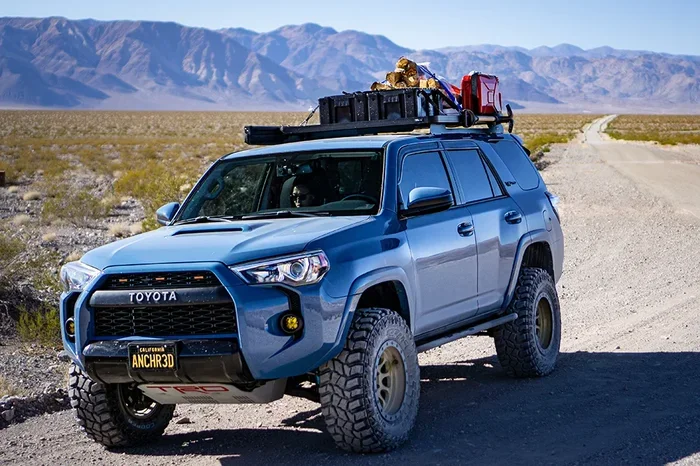
Do Toyota 4Runners Have Common Issues with Reliability
Do Toyota 4Runners have common issues? While the 4Runner is known for toughness, it does have some Toyota 4Runner common issues that owners should know. From engine quirks to rust spots, understanding these problems helps you stay ahead. This guide breaks down the most frequent 4Runner reliability concerns and offers simple fixes.
Do Toyota 4Runners have common issues? The short answer is yes, but they’re far from catastrophic. The 4Runner is one of the most reliable SUVs on the road, yet every generation has its quirks. Toyota 4Runner common issues tend to cluster around the engine, transmission, electrical system, and body. Understanding these patterns helps you buy smarter and maintain better. In this guide, we break down the most reported 4Runner reliability concerns and give you actionable advice to stay ahead of them.
Whether you’re shopping for a used 4Runner or already own one, knowing what can go wrong is empowering. The 4Runner’s body-on-frame construction makes it a trail boss, but it also means certain parts wear faster than unibody SUVs. Do Toyota 4Runners have common issues? They do, but most are fixable with routine care. I’ll walk you through the problem areas, model-year trouble spots, and simple prevention tips. By the end, you’ll feel confident about your 4Runner’s long-term health.
Key Takeaways
- Yes, they do: Toyota 4Runners have some common issues, especially as they age, but most are manageable.
- Engine and drivetrain: The 4.0L V6 and 4WD systems can develop leaks, oil consumption, and transfer case noises.
- Electrical gremlins: Older models often have faulty wiring, flickering lights, and sensor failures.
- Rust and body: Rock rails, wheel wells, and rear quarters are prone to rust, particularly in northern climates.
- Suspension wear: Off-road use accelerates bushings, ball joints, and shock absorber wear.
- Model year matters: Some years have more reported problems than others; research before buying.
- Prevention is key: Regular maintenance, early rust proofing, and prompt repairs keep a 4Runner reliable for 200k+ miles.
📑 Table of Contents
- Do Toyota 4Runners Have Common Issues? The Real Reliability Picture
- Do Toyota 4Runners Have Common Issues? Engine and Drivetrain Deep Dive
- Transmission and Electrical Gremlins in the 4Runner
- Rust, Body Damage, and Suspension Wear
- Model-Year Comparison: Which Years Have the Most Issues?
- How to Prevent and Fix Toyota 4Runner Common Issues
- Final Verdict: Are These Problems a Dealbreaker?
Do Toyota 4Runners Have Common Issues? The Real Reliability Picture
The Toyota 4Runner has earned a reputation for being nearly indestructible. It consistently ranks near the top of Toyota reliability surveys, and many examples easily surpass 200,000 miles. That said, no vehicle is perfect. The 4Runner’s 4Runner problems are usually tied to its age, mileage, and how hard it’s been used. Most owners report that their trucks remain strong, but a few weak spots pop up over time.
Why the 4Runner Earns Its Trust
The 4Runner’s simple design is its biggest strength. It uses a solid rear axle, a sturdy ladder frame, and proven V6 engine technology. These parts are easy to work on and widely available. The 4Runner lifespan is impressive because the vehicle was built with longevity in mind. Off-road enthusiasts love it because it can take a beating and keep going.
The Honest Truth About 4Runner Reliability
Reliability doesn’t mean zero problems. It means the issues that do appear are predictable and often cheap to fix. Toyota 4Runner reliability remains high because Toyota builds conservative, time-tested components. The key is knowing which parts wear out first so you can catch them early. Ignoring small warning signs is the fastest way to turn a minor fix into a major repair.
Do Toyota 4Runners Have Common Issues? Engine and Drivetrain Deep Dive
The 4.0L V6 engine powered the 4Runner from 2003 to 2023. It’s a durable workhorse, but it does have a few known 4Runner engine issues. The most common complaint is oil consumption. Some engines burn a quart of oil every 1,000 miles after 100,000 miles. This happens because the valve stem seals harden over time. Another frequent issue is a leaking valve cover gasket, which lets oil seep onto the engine block.
4.0L V6 Oil Consumption and Leaks
If you notice blue smoke on startup or an oil smell after parking, check the valve cover gasket. A simple gasket replacement costs around $400 to $600. To prevent this, use synthetic oil and change it every 5,000 miles. Toyota 4Runner common issues like this are easy to manage with regular 4Runner maintenance.
Transfer Case and 4WD Issues
The 4Runner drivetrain includes a transfer case that shifts between two-wheel and four-wheel drive. Over time, the transfer case can develop a whining noise or leak fluid. This is often caused by worn seals or low fluid levels. Owners of older TRD and SR5 trims report this most often. Keeping the transfer case fluid fresh prevents premature wear.
Cooling System Faults
The water pump and thermostat housing are plastic on many models and can crack. This leads to coolant leaks and overheating. A cracked water pump replacement runs about $500 to $700. Watch for a rising temperature gauge or a sweet smell under the hood. 4Runner common problems like this are avoidable with a cooling system flush every 60,000 miles.
Quick Tip: Check Oil Every 3,000 Miles
Set a reminder to check your oil level every time you fill up. Catching low oil early protects the engine from damage. Use a high-quality synthetic blend and stick to the maintenance schedule in the owner’s manual.
Common Mistake: Ignoring Small Leaks
Many owners ignore a small oil seep or coolant drip. Over weeks, a small leak becomes a big repair. Address any fluid puddle under your truck immediately. A few dollars spent on a gasket today saves hundreds on engine rebuild later.
Expert Insight: What Mechanics Say About the 4.0L V6
Experienced Toyota mechanics say the 4.0L V6 is one of the most bulletproof engines ever made. The main killer is neglect. Change the oil, flush the coolant, and replace the timing chain tensioner at 150,000 miles, and the engine will likely outlast the rest of the truck.
Transmission and Electrical Gremlins in the 4Runner
4Runner transmission problems are less common than engine issues, but they do happen. Older models with the 4-speed automatic can hesitate or slip when shifting. Newer 2024 models with the 8-speed have had a few software-related complaints. Electrical gremlins are more widespread, especially in trucks with over 100,000 miles. Flickering dash lights, faulty ABS sensors, and power window failures top the list of 4Runner electrical issues.
Automatic Transmission Hesitation and Slip
If your 4Runner bucks or delays when shifting from park to drive, the transmission fluid might be old. Dark, burnt fluid means it’s time for a change. A transmission fluid and filter swap costs around $300. For slipping issues, a software update from the dealer often fixes the problem on newer models.
Wiring Harness and Sensor Failures
The wiring harness under the hood can chafe against the fender over time. This causes short circuits and warning lights. The ABS speed sensor and mass airflow sensor are common failure points. Replacing a sensor is usually under $200, but chasing a random warning light can be frustrating. 4Runner reliability concerns like this are easy to diagnose with an OBD-II scanner.
Infotainment and Power Window Issues
The factory infotainment system in older 4Runners can freeze or lose power. The fix is often a simple fuse replacement or a ground wire reconnection. Power window regulators also wear out, especially on the driver’s side. Replacing a window motor runs $250 to $400. These are minor 4Runner issues but can be annoying on daily drives.
Quick Tip: Replace Battery Terminals Every 5 Years
Corroded battery terminals cause all kinds of electrical mysteries. Clean them with a wire brush and apply dielectric grease. This simple step prevents voltage drops and keeps sensors happy.
Common Mistake: Neglecting Corroded Connectors
Many owners spray WD-40 on electrical connectors and call it a fix. WD-40 attracts dirt and worsens corrosion. Use a dedicated electrical contact cleaner and a wire brush instead. This keeps connections tight and corrosion-free.
Expert Insight: The Role of Regular Diagnostics
Even if nothing seems wrong, plug in a code reader once a year. Clearing a pending code early can prevent a check engine light from becoming a costly repair. Many auto parts stores will read codes for free.
Rust, Body Damage, and Suspension Wear
The 4Runner’s body is strong, but it’s not immune to rust. Models from 2003 to 2013 are especially prone to corrosion on rock rails, wheel wells, and rear quarters. The 4Runner body lift and aftermarket accessories can also trap moisture and accelerate rust. Suspension components wear faster on trucks used for off-roading, but even daily drivers eventually need replacement parts.
Rust Prone Areas: Rock Rails and Wheel Wells
Check the rock rails and inside the wheel wells for bubbling paint or reddish-brown spots. Rust here can spread quickly if ignored. A professional rust treatment costs $500 to $1,500 depending on the extent. Washing the undercarriage regularly, especially in winter, is the best prevention. 4Runner rust is one of the most common complaints among northern owners.
Suspension Bushings and Ball Joints
The solid front axle uses ball joints and bushings that wear over time. Symptoms include clunking over bumps or a wandering steering feel. Replacing front ball joints runs $400 to $800 per side. Upgrading to polyurethane bushings adds durability and improves off-road feel. 4Runner suspension wear is normal, but it shouldn’t be ignored.
Off-Road Damage and Aftermarket Lift Effects
Lifting a 4Runner changes the geometry of the suspension and steering. Larger tires increase wear on tie rods and steering racks. If you run a lift, inspect these components every 10,000 miles. A body lift can also cause stress cracks in the cab mounts. 4Runner off-road enthusiasts should budget for suspension refreshes every 50,000 miles.
Quick Tip: Wash the Undercarriage Regularly
Road salt and mud are the enemies of a 4Runner’s frame. Use a pressure washer to rinse the underside at least once a month in winter. This simple habit adds years to the truck’s life and prevents 4Runner body issues.
Common Mistake: Skipping Rust Proofing
Many owners assume a new 4Runner doesn’t need rust proofing. Even new trucks can develop surface rust from stone chips. Apply an undercoating or electronic rust inhibitor within the first year of ownership. It’s far cheaper than fixing a rusted rocker panel.
Expert Insight: Rust-Proofing a 4Runner Is a Must in Northern States
Mechanics in snowy states like Michigan and Minnesota strongly recommend annual rust proofing. The salt on roads eats through metal fast. A quality undercoating and cavity wax treatment can prevent 90% of rust issues. This is one of the best investments you can make for your 4Runner’s 4Runner lifespan.
Model-Year Comparison: Which Years Have the Most Issues?
Not all 4Runners are created equal. Some model years have more reported Toyota 4Runner common issues than others. The table below breaks down the most common problems by generation. This helps you spot trouble spots before buying a used truck.
| Model Years | Common Issues | Reliability Rating |
|---|---|---|
| 2003–2007 | Rust on rock rails and wheel wells, 4-speed transmission hesitation, water pump leaks | Good |
| 2008–2013 | Valve cover gasket leaks, oil consumption, electrical gremlins, check engine light | Very Good |
| 2014–2023 | Transfer case noise, minor infotainment glitches, brake rotor warping | Excellent |
| 2024 | 8-speed transmission software updates, new-generation reliability still being tracked | Good (early data) |
Understanding the Data
The 2003–2007 models are the oldest and most likely to have rust. The 2008–2013 generation is often considered the sweet spot for reliability. The 2014–2023 models have fewer major issues, but the 2024 year is too new to fully judge. 4Runner complaints are usually tied to specific weak points in each generation, not the entire lineup.
What the Table Tells You
Older trucks need more attention to rust and transmission health. Newer trucks are more reliable but can have software-related quirks. The best way to avoid Toyota 4Runner common issues is to choose a model year that matches your maintenance budget and driving style.
Quick Tip: Always Get a Pre-Purchase Inspection
Before buying any used 4Runner, pay a trusted mechanic $150 for a full inspection. They’ll check for rust, transmission slip, and engine leaks. This single step can save you from buying a truck with hidden 4Runner problems.
Common Mistake: Buying a High-Mileage 4Runner Without a History Report
A clean Carfax or AutoCheck report is essential. A truck with no records might have skipped oil changes or been used as a rental. Always ask for maintenance records and a vehicle history report. This protects you from 4Runner reliability concerns that could cost thousands.
Expert Insight: The 2010–2014 Generation Stands Out for Reliability
Many Toyota mechanics agree that the 2010–2014 4Runners are the most well-rounded. They have the proven 4.0L V6, improved electrical systems, and fewer rust issues than earlier models. If you want a balance of off-road capability and daily dependability, this generation is a top choice.
How to Prevent and Fix Toyota 4Runner Common Issues
Prevention is the best medicine for a 4Runner. A simple 4Runner maintenance schedule catches problems before they grow. Most Toyota 4Runner common issues can be avoided or minimized with consistent care. Here’s how to keep your truck in top shape and protect its 4Runner resale value.
Maintenance Schedule That Saves Money
Follow the factory maintenance schedule in the owner’s manual. Key services include oil changes every 5,000–7,500 miles, coolant flushes every 60,000 miles, and transmission fluid changes every 60,000–100,000 miles. Brake inspections should happen every 15,000 miles. Staying on top of these intervals prevents the majority of 4Runner common problems.
Common Repairs and Their Costs
Knowing the cost of common repairs helps you budget. A valve cover gasket replacement runs $400–$600. A water pump fix is $500–$700. Transfer case seal replacement is around $300–$500. Rust repair can range from $500 for surface treatment to $2,000 for a full rocker panel. These costs are manageable, especially compared to the cost of a new SUV.
When to Sell vs. When to Fix
If repair costs exceed the truck’s current value, it might be time to sell. A well-maintained 4Runner holds its value exceptionally well. The 4Runner resale value is strong because demand for reliable off-road SUVs remains high. Even with some 4Runner issues, a running truck is always worth something.
Quick Tip: Keep a Repair Log
Write down every service and repair in a notebook or app. This record proves maintenance history when you sell and helps you spot recurring problems. A clean log also boosts buyer confidence and can increase your 4Runner resale value.
Common Mistake: Using Aftermarket Parts That Void Warranty
Some owners install aggressive aftermarket parts that stress the engine or suspension. Always check with your dealer before modifying the truck. Using genuine Toyota parts ensures compatibility and keeps your warranty intact. Cheap aftermarket sensors or wiring can cause 4Runner electrical issues.
Expert Insight: A Well-Maintained 4Runner Can Hit 300,000 Miles
Many 4Runner owners report crossing the 300,000-mile mark with only routine repairs. The secret is consistency. Change the fluids, replace worn parts early, and address small issues immediately. The 4Runner’s 4Runner lifespan is directly tied to how well you care for it.
Final Verdict: Are These Problems a Dealbreaker?
Do Toyota 4Runners have common issues? Yes, they do. But these Toyota 4Runner common issues are far from dealbreakers. The 4Runner remains one of the most dependable trucks on the market. Its body-on-frame design, proven V6 engine, and legendary off-road capability make it a standout. The key is to know what can go wrong and to stay ahead of it with regular maintenance.
If you buy a 4Runner with a clean history and commit to a maintenance schedule, you’ll likely have a trouble-free truck for decades. The most common 4Runner reliability concerns—rust, oil consumption, and electrical gremlins—are all manageable with attention and care. Even older models with higher mileage can deliver years of faithful service.
In the end, the 4Runner’s strengths far outweigh its weaknesses. It’s a truck that rewards its owner with adventure, reliability, and strong resale value. Whether you hit the trails or just need a dependable daily driver, the 4Runner delivers. Stay proactive, fix small issues early, and your 4Runner will keep rolling long after the warranty expires.
Frequently Asked Questions
Are Toyota 4Runners expensive to fix?
Not really. The 4Runner uses simple, proven components that are inexpensive to replace. Most common repairs like gasket changes or sensor replacements cost a few hundred dollars. The real expense comes from ignoring small issues until they become major problems. Regular maintenance keeps repair costs low and the truck running strong.
What is the most common problem with a Toyota 4Runner?
The most common problem is rust, especially on models from 2003 to 2013. Rock rails, wheel wells, and rear quarters are the first areas to show corrosion. Oil consumption in the 4.0L V6 is also very frequent after 100,000 miles. Electrical gremlins like flickering lights round out the top three 4Runner issues owners report.
Is it worth buying a used 4Runner with high mileage?
Absolutely. The 4Runner is built to last, and a well-maintained example with 200,000+ miles can still have many years of life left. Always get a pre-purchase inspection and a full vehicle history report. High mileage is fine if the maintenance records show consistent oil changes and fluid services.
How can I prevent rust on my 4Runner?
Wash the undercarriage regularly, especially in winter when road salt is used. Apply a quality undercoating and electronic rust inhibitor within the first year of ownership. Inspect rock rails and wheel wells for chips or bubbling paint and seal them immediately. Rust proofing is the single best way to prevent 4Runner body issues.
What year 4Runner is the most reliable?
The 2010–2014 generation is widely considered the most reliable. It features the proven 4.0L V6, improved electrical systems, and fewer rust problems than earlier models. The 2014–2023 models are also excellent with very few major complaints. Always check a specific vehicle’s maintenance history regardless of the year.
Do 4Runners have transmission problems?
Transmission problems are less common than engine or electrical issues. Older 4-speed automatics can hesitate or slip, but a fluid change often fixes this. Newer 8-speed models have had a few software-related complaints that dealers can update. Overall, the 4Runner’s transmission reliability is solid and shouldn’t deter you from buying one.