How Do I Tell If I Need a New Transmission Right Now
Knowing how do I tell if I need a new transmission can save you thousands of dollars and keep you safe on the road. This guide covers every warning sign, from strange noises and fluid leaks to dashboard alerts and grinding gears. You will learn when a simple repair is enough and when a full transmission replacement is the smart move.
You are driving down the road, and suddenly your car starts acting strange. Maybe it hesitates when you shift gears. Perhaps you hear a weird humming sound coming from underneath. These moments can be scary, and they make you wonder, how do I tell if I need a new transmission?
Your vehicle’s transmission is one of the most important parts under the hood. It is responsible for transferring power from the engine to the wheels. Without a working transmission, your car simply will not move the way it should. The good news is that transmissions do not fail overnight. They give you plenty of warning signs if you know what to look for.
This guide walks you through every signal that your transmission might be on its way out. We will cover the sounds to listen for, the smells to watch for, and the dashboard lights that should grab your attention. By the end, you will feel confident about whether your car needs a simple fix or a full transmission replacement.
Key Takeaways
- Strange noises and slipping gears are the top warning signs that your transmission is failing and needs immediate attention.
- Transmission fluid leaks and burning smells should never be ignored, as they point to serious internal damage.
- Understanding the transmission replacement cost helps you budget and decide between a new unit, rebuild, or repair.
- Dashboard warning lights like the check engine light often signal transmission problems before other symptoms appear.
- Regular maintenance such as a transmission flush can extend your transmission lifespan and prevent costly failures.
- A transmission rebuild may be a cheaper alternative to a full replacement in many cases.
- Acting early prevents further damage and keeps your vehicle safe and reliable on the road.
📑 Table of Contents
- Common Warning Signs Your Transmission Is Failing
- Understanding Transmission Warning Signs and Dashboard Alerts
- Transmission Replacement Cost: What to Expect
- How Long Does a Transmission Last?
- Do You Need a New Transmission or Just a Repair?
- What to Do If You Think You Need a New Transmission
- Final Thoughts on Knowing When You Need a New Transmission
Common Warning Signs Your Transmission Is Failing
Your car talks to you every day. You just have to listen. Transmission problems rarely appear out of nowhere. There are almost always early signals that something is wrong. Recognizing these transmission warning signs early can save you a lot of money and stress.
Strange Noises From Your Transmission
One of the first things people notice is an abnormal transmission noise. This can sound like humming, buzzing, or even whining. These sounds often get louder when you put the car in gear. A healthy transmission should be nearly silent.
If you hear grinding sounds, especially when shifting between gears, that is a red flag. Grinding gears usually mean the gear shifting components inside are worn down. This is not something that fixes itself. It only gets worse over time.
Another sound to watch for is clunking. You might hear a loud clunk when your car shifts from park to drive. This could point to a problem with the torque converter or internal transmission solenoid issues. Either way, a mechanic should check it right away.
Delayed or Rough Gear Shifting
Have you ever pressed the gas pedal and felt a long pause before the car moves? This is called delayed engagement, and it is a classic sign of transmission trouble. Your car should shift smoothly and respond quickly when you press the accelerator.
Rough shifting is another common problem. You might feel a jolt or a jerk when the car changes gears. This can happen during acceleration or when slowing down. Both automatic and manual transmissions can experience this issue. In manual cars, it might feel like the gears are grinding or hard to engage.
Sometimes the car slips out of gear entirely. This is called a slipping transmission. It can be very dangerous, especially at highway speeds. If your engine revs up but the car does not speed up correspondingly, do not ignore it.
Transmission Fluid Leaks
Transmission fluid keeps all the internal parts lubricated and cool. When you have a transmission leak, the fluid level drops, and everything inside starts to wear faster. Look for reddish or brownish puddles under your parked car. That is a clear sign something is dripping out.
You can also check the fluid yourself. Pull out the dipstick and look at the color. Healthy transmission fluid is bright red and translucent. If it looks dark brown or smells burnt, your fluid is old and contaminated. A transmission flush can help restore proper fluid levels and protect internal components.
Burning Smell or Overheating
A burning smell coming from under the hood is never a good sign. This often happens when transmission overheating occurs. Old or low fluid cannot cool the transmission properly, and friction builds up inside. The result is a sharp, acrid smell that you will not mistake for anything else.
Overheating can destroy a transmission in a matter of miles if you keep driving. If you smell something burning, pull over safely and let the car cool down. Then get it to a mechanic as soon as possible. Continuing to drive in this condition can turn a repairable problem into a total failure.
Understanding Transmission Warning Signs and Dashboard Alerts
Modern cars are packed with sensors that monitor nearly every system. Your dashboard is the first place that shows you when something goes wrong. Paying attention to these alerts can help you catch transmission problems before they become major issues.
Check Engine Light and Transmission Warnings
The check engine light is one of the most misunderstood warning lights on your dashboard. Many people ignore it because the car still drives fine. But the check engine light can be triggered by transmission sensor problems, even if the issue seems minor at first.
When the check engine light comes on, do not panic. But do not ignore it either. Have a mechanic hook up a diagnostic scanner to read the error codes. These codes can point directly to transmission solenoid failures, sensor malfunctions, or other hidden issues. Catching these early often means the difference between a small repair and a full transmission replacement.
Warning Lights You Should Never Ignore
Some cars have a dedicated transmission warning light. It might look like a gear icon or say “AT” for automatic transmission. If this light comes on, take it seriously. It means the car’s computer has detected a problem with the transmission system.
Other lights to watch for include the oil pressure warning and the temperature gauge. If your temperature gauge is running hot and the transmission light is on at the same time, stop driving immediately. Continuing to operate the vehicle in this state can cause catastrophic damage to the transmission filter and internal components.
Transmission Replacement Cost: What to Expect
The transmission replacement cost is one of the biggest concerns for car owners. Nobody wants to be surprised by a massive repair bill. Understanding what goes into the cost can help you make informed decisions and avoid being taken advantage of.
New vs Rebuilt Transmission Costs
A brand-new transmission can be extremely expensive. For most passenger vehicles, a new unit ranges from $4,000 to $8,000 or more. This includes the cost of the part and the labor to install it. New transmissions also come with a transmission warranty, which gives you peace of mind.
A rebuilt transmission is a more affordable option. Rebuilding involves taking the old transmission apart, replacing worn parts, and reassembling it to factory specifications. The cost for a transmission rebuild typically runs between $2,500 and $4,000. A rebuilt unit may also come with a warranty, though it is usually shorter than a new one.
For comparison, a simple transmission repair—such as replacing a transmission solenoid or fixing a worn clutch—can cost anywhere from $300 to $1,500. This is why it is so important to get a proper diagnosis before committing to a full replacement.
Factors That Affect the Price
Several factors influence the final transmission replacement cost. The make and model of your car plays a big role. Luxury vehicles and trucks with heavy-duty transmissions cost more to replace. The type of transmission matters too. Automatic transmissions generally cost more than manual ones to repair or replace.
Labor rates vary by location and shop. Dealerships tend to charge more than independent mechanics, but they also offer manufacturer-specific expertise. The extent of the damage also affects the price. If the transmission has been neglected for a long time, other components may be damaged too, which adds to the repair bill.
How Long Does a Transmission Last?
Every transmission lifespan is different, but most transmissions last between 100,000 and 200,000 miles with proper care. Some last even longer. However, poor maintenance, harsh driving habits, and ignoring warning signs can shorten that lifespan dramatically.
Average Transmission Lifespan
With regular maintenance, an automatic transmission can easily reach 150,000 miles or more. Manual transmissions often last even longer because they have fewer complex internal components. But mileage alone does not tell the whole story. How you drive and how well you maintain the transmission matters just as much.
For example, towing heavy loads puts extra strain on the transmission. Frequent stop-and-go city driving also causes more wear than steady highway cruising. If you drive in tough conditions, you may need to service your transmission more often to get the full transmission lifespan out of it.
Signs Your Transmission Has Reached the End
Even with good care, transmissions eventually wear out. When that happens, no amount of fluid changes or repairs will bring it back to life. Signs that a transmission has reached the end include persistent slipping, complete loss of gear engagement, and severe internal damage visible during inspection.
If your mechanic tells you the transmission is beyond repair, it is time to seriously consider replacement. At that point, a transmission rebuild or a new unit is the only real option. Trying to keep a dead transmission on the road will only lead to more expensive damage to other parts of the car.
Do You Need a New Transmission or Just a Repair?
This is one of the most common questions car owners face. The answer depends on the severity of the problem. Not every transmission issue requires a full replacement. Sometimes a targeted transmission repair is all you need.
Minor Repairs vs Full Replacement
Minor repairs address specific components that have failed. For instance, replacing a faulty transmission solenoid or fixing a transmission leak are relatively simple jobs. Changing the transmission filter or performing a transmission flush can also resolve many performance issues without breaking the bank.
These repairs are usually quick and affordable. They can restore smooth gear shifting and eliminate strange noises. However, they only work if the damage is limited to one or two components. If the transmission has widespread internal wear, a repair will only be a temporary fix.
When a Transmission Rebuild Makes Sense
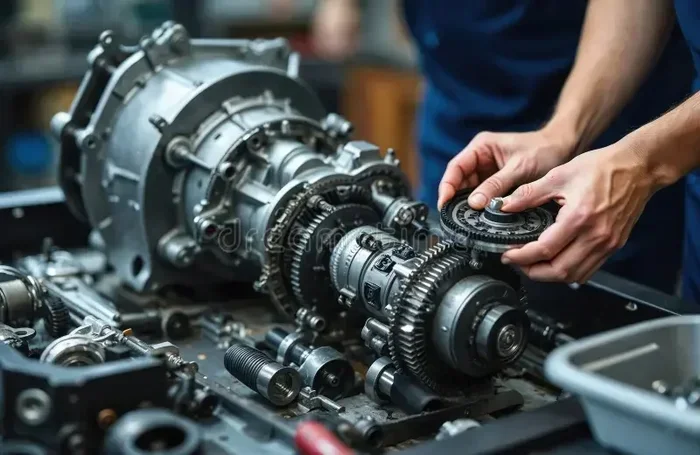
A transmission rebuild sits between a minor repair and a full replacement. During a rebuild, the transmission is completely disassembled. Worn parts like the worn clutch, seals, and bands are replaced. The torque converter is inspected and either repaired or replaced.
A rebuild is a great middle-ground option when the transmission is failing but not completely destroyed. It costs less than a new unit and often comes with a solid warranty. Many mechanics recommend a rebuild when the transmission has high mileage but the internal components are still salvageable.
What to Do If You Think You Need a New Transmission
If you have noticed any of the warning signs we have discussed, do not wait. The longer you ignore transmission problems, the worse they get. Here is a clear action plan to follow.
Step-by-Step Action Plan
First, check your transmission fluid. Look at the color and smell. If it is dark or burnt, schedule a fluid change or transmission flush right away. Next, pay attention to the dashboard. If any warning lights are on, get a diagnostic scan done. This will tell you exactly what the car’s computer has detected.
Then, visit a trusted mechanic for a full inspection. Ask them to check for transmission leaks, inspect the transmission filter, and test the gear shifting response. A good mechanic will give you a clear diagnosis and explain your options without pressuring you into expensive work you do not need.
Finally, get a second opinion if the first mechanic recommends a full transmission replacement. Especially for a big-ticket repair, it is smart to confirm the diagnosis with another expert. This protects you from unnecessary work and helps you make the best decision for your budget.
How to Save Money on Transmission Service
The best way to save money on transmission service is to prevent problems before they start. Regular maintenance goes a long way. Change your transmission fluid at the intervals recommended by your car manufacturer. A transmission flush every 30,000 to 60,000 miles keeps the system clean and running smoothly.
Also, be gentle with your transmission in daily driving. Avoid slamming the gas pedal from a stop. Do not shift from drive to reverse while the car is still moving. These habits put unnecessary stress on the internal components and can shorten the transmission lifespan significantly.
Another money-saving tip is to address small issues immediately. If you notice a slight delay in gear shifting or a small fluid leak, get it checked right away. Catching a problem early means a simple transmission repair instead of a costly replacement later.
Final Thoughts on Knowing When You Need a New Transmission
Understanding how do I tell if I need a new transmission is one of the most valuable skills a car owner can have. Your transmission works hard every single time you drive. It shifts gears, transfers power, and keeps your vehicle moving smoothly. When it starts to fail, the warning signs are there. You just need to know what to look for.
From strange noises and burning smells to dashboard warning lights and slipping gears, your car gives you plenty of clues. The key is to pay attention and act quickly. Ignoring transmission warning signs almost always leads to more damage and higher repair bills.
If you suspect your transmission is failing, do not wait to get it checked. A quick inspection can save you thousands of dollars and keep you safe on the road. Whether you need a simple repair, a transmission rebuild, or a full transmission replacement, the sooner you act, the better off you will be. Take care of your transmission today, and it will take care of you for miles to come.
Frequently Asked Questions
What are the first signs that a transmission is going bad?
The first signs of a failing transmission include slipping gears, delayed engagement when shifting, strange humming or grinding noises, and transmission fluid leaks. You may also notice a burning smell or rough gear changes. These transmission warning signs should never be ignored.
Can I still drive my car if the transmission is slipping?
It is not safe to keep driving with a slipping transmission. A slipping transmission can cause you to lose power or control, especially at higher speeds. Continuing to drive can cause even more damage to internal components like the torque converter and worn clutch parts. Get it inspected immediately.
How much does it cost to replace a transmission?
The transmission replacement cost varies depending on your vehicle and the type of transmission. A new unit typically costs between $4,000 and $8,000, while a transmission rebuild ranges from $2,500 to $4,000. Simple repairs like replacing a transmission solenoid can cost as little as $300 to $1,500.
How often should I change my transmission fluid?
Most manufacturers recommend a transmission flush or fluid change every 30,000 to 60,000 miles. However, if you tow heavy loads or drive in stop-and-go traffic, you may need to change it more often. Fresh transmission fluid keeps the system cool and prevents premature wear.
Is a transmission rebuild better than buying a new one?
A transmission rebuild is often a smart middle-ground option. It costs less than a new unit and can restore your transmission to near-factory condition. A rebuild replaces worn parts like the transmission filter, seals, and clutch components. Many rebuilds come with a warranty that gives you solid peace of mind.
What causes a transmission to fail early?
Common causes of early transmission failure include ignoring fluid changes, driving with low fluid levels, overheating, and harsh driving habits. Towing beyond the vehicle’s capacity and skipping regular transmission service also shorten the transmission lifespan significantly.
=== CONCLUSION ===
Now you know exactly how do I tell if I need a new transmission. From listening for grinding gears and abnormal transmission noise to checking your fluid and watching for dashboard alerts, you have the tools to catch problems early. A slipping transmission or a burning smell is your car begging for help. Do not wait until it is too late.
Whether the issue is a simple transmission repair or a full transmission replacement, acting quickly is the best thing you can do for your vehicle and your wallet. Keep up with regular maintenance, change your fluid on schedule, and never ignore the warning signs. Your transmission works hard for you every day. Give it the care it deserves, and it will keep you rolling safely for many miles ahead.