How Do I Clear Adaptive Cruise Control Quickly and Easily
Clearing adaptive cruise control is simpler than most drivers think. Whether your system is stuck, malfunctioning, or you just need to reset it, this guide walks you through every method step by step. You will learn quick fixes, common causes, and expert tips to get your adaptive cruise control working smoothly again.
Have you ever been driving down the highway and suddenly your adaptive cruise control starts acting weird? Maybe it won’t turn off. Maybe it won’t turn back on. Or maybe the dashboard is flashing a warning light that makes you wonder if your car is about to do something strange. You are not alone. Thousands of drivers face this exact problem every single day. The good news is that clearing your adaptive cruise control is usually quick and straightforward. In this guide, we will walk you through every method, every common cause, and every pro tip you need to get things working again.
We have written this article to be your one-stop resource. No fluff. No confusing jargon. Just clear, practical steps you can follow right now. Whether you drive a Toyota, a Ford, a Honda, or any other brand, the principles remain the same. Let us dive in and help you take control of your cruise control system once and for all.
Key Takeaways
- Multiple Methods: There are several ways to clear adaptive cruise control, including using the brake pedal, steering wheel buttons, and ignition reset.
- Common Causes: Sensor dirt, blown fuses, and software glitches are the top reasons your system may not clear properly.
- Quick Fixes Work: Most clearing issues can be resolved in under five minutes with simple troubleshooting steps.
- Safety First: Always pull over safely before attempting any reset or diagnostic procedure on your vehicle.
- Owner Manual Matters: Your vehicle owner manual contains model-specific instructions for clearing the system.
- Professional Help: Persistent issues may require a diagnostic scan tool or a visit to a certified mechanic.
📑 Table of Contents
- What Is Adaptive Cruise Control and Why Does It Need Clearing?
- Step-by-Step Methods to Clear Adaptive Cruise Control
- Common Reasons Why Adaptive Cruise Control Gets Stuck
- How to Prevent Adaptive Cruise Control Problems
- When to Seek Professional Help
- Comparison of Clearing Methods
- Key Takeaways
- Frequently Asked Questions
- Final Thoughts
What Is Adaptive Cruise Control and Why Does It Need Clearing?
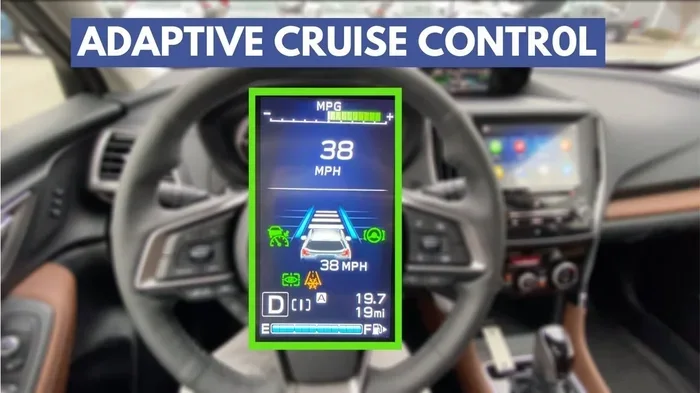
Before we get into the how, let us quickly talk about the what. Adaptive cruise control is a driver assistance feature that automatically adjusts your vehicle’s speed to maintain a safe following distance from the car ahead of you. It uses sensors, usually radar or cameras, to detect other vehicles on the road. When the car in front slows down, your car slows down too. When the road clears, your car speeds back up to your set speed.
Now, why would you need to clear it? There are several reasons. Sometimes the system needs a reset after a battery change. Sometimes a sensor gets dirty and the system freezes. Other times, you simply want to turn it off and the normal methods are not working. Whatever the reason, knowing how to reset adaptive cruise control is an essential skill for any modern driver.
How the System Works in Simple Terms
Think of your adaptive cruise control like a smart co-pilot. It watches the road, measures distance, and adjusts your throttle automatically. The system relies on several key components:
- Radar sensors mounted in the front bumper
- Camera modules near the rearview mirror
- Control modules that process sensor data
- Throttle and brake actuators that execute commands
When one of these parts gets disrupted, the whole system can glitch. That is when you need to know how to clear it. Understanding the basics helps you troubleshoot faster and smarter.
Step-by-Step Methods to Clear Adaptive Cruise Control
Here is the part you have been waiting for. Below, we break down the most effective methods for clearing your adaptive cruise control. Try them in order. Most drivers find success with the first or second method.
Method 1: Use the Brake Pedal
The simplest and most universal way to clear adaptive cruise control is by pressing the brake pedal. This works on virtually every vehicle with this feature. Here is exactly what to do:
- Find a safe spot to pull over or slow down.
- Press the brake pedal firmly with your right foot.
- Hold the brake for about three to five seconds.
- Release the brake and check the dashboard.
In most cases, the cruise control indicator will turn off immediately. The system is now cleared. If you want to restart it later, simply press the cruise control button on your steering wheel and set your desired speed.
Quick Tip: If pressing the brake does not work, try pressing it a little harder and holding it for a longer duration. Some vehicles require a firm and sustained brake input to fully deactivate the system.
Method 2: Use the Steering Wheel Controls
Every vehicle with adaptive cruise control has buttons on the steering wheel. These buttons let you set, adjust, and cancel your cruise control. The exact layout varies by brand, but the principle is the same.
Look for a button labeled “Cancel,” “Off,” or it might have a cruise control icon. Press that button to deactivate the system. On some models, you can also hold down the cancel button for a few seconds to fully reset the system.
Here are the most common steering wheel button layouts:
- Toyota and Lexus: Look for the “Cancel” or “Cruise” button on the left side of the steering wheel.
- Ford and Lincoln: The cruise control buttons are usually on the left steering wheel spokes.
- Honda and Acura: Check the right side of the steering wheel for the “Cancel” or “MAIN” button.
- Chevrolet and GMC: The cruise control stalk on the steering column often has a cancel position.
If you are unsure where your buttons are, grab your vehicle owner manual. It will have a detailed diagram of the steering wheel controls. This is one of the easiest and fastest ways to clear the system.
Method 3: Turn the Ignition Off and On
Sometimes the simplest solution is the most effective. Turning your ignition off and back on can reset the entire electronic system in your car, including the adaptive cruise control.
Here is how to do it safely:
- Pull your vehicle to a complete stop in a safe location.
- Turn the ignition key to the “Off” position or press the start button once to shut down the engine.
- Wait for at least 30 seconds. This gives the car’s computer time to fully reset.
- Turn the ignition back on. Do not start the engine yet.
- Wait another 10 seconds, then start the engine.
- Check the dashboard for any remaining warning lights.
This method works because it clears the temporary error codes stored in the car’s computer. Think of it like restarting your phone when it gets glitchy. The same idea applies here. Your cruise control system gets a fresh start and often clears any faults automatically.
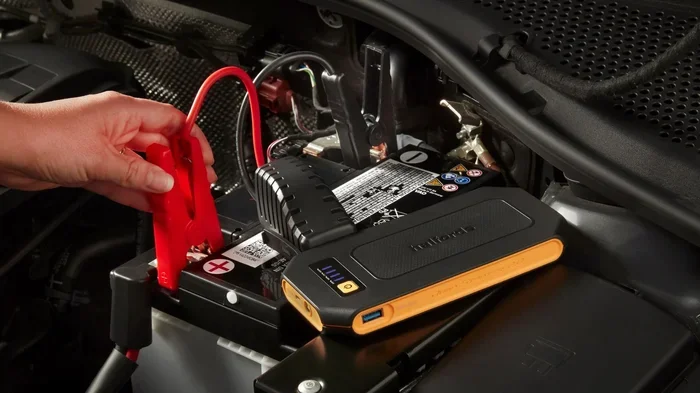
Method 4: Disconnect the Battery
If none of the methods above work, you can try disconnecting the car battery for a few minutes. This is a deeper reset that clears all electronic faults. But be careful. Disconnecting the battery can reset your radio stations, clock, and other settings.
Here is the safe way to do it:
- Turn off the engine and remove the key from the ignition.
- Open the hood and locate the battery.
- Use a wrench to loosen the negative terminal cable first.
- Disconnect the cable and let it sit for two to three minutes.
- Reconnect the cable and tighten it securely.
- Start the engine and test the cruise control system.
Expert Insight: Most mechanics recommend trying all the simpler methods first before disconnecting the battery. The battery disconnect should be your last resort for clearing the system. It is effective but comes with minor inconveniences like resetting your car’s personal settings.
Common Reasons Why Adaptive Cruise Control Gets Stuck
Understanding why your adaptive cruise control is acting up helps you prevent the problem from happening again. Let us look at the most common causes.
Dirty or Obstructed Sensors
Your adaptive cruise control relies on radar sensors and cameras to “see” the road. These sensors are usually located in the front bumper or near the rearview mirror. Over time, they can get covered in dirt, mud, snow, or ice. When the sensors cannot see clearly, the system may malfunction or refuse to clear properly.
Quick Tip: Clean your sensors regularly, especially after driving through heavy rain, snow, or muddy conditions. A soft cloth and some warm water usually do the trick. Avoid using harsh chemicals that could damage the sensor housing.
Blown Fuse or Electrical Issues
Every car has a fuse box that protects its electronic systems. If a fuse related to the cruise control blows, the system will stop working. This is a common issue after a power surge or a short circuit. Check your owner manual for the location of the cruise control fuse. Replacing a blown fuse is cheap and easy.
Software Glitches
Modern vehicles are basically computers on wheels. Sometimes the software that runs the adaptive cruise control needs an update. A software glitch can cause the system to freeze, display error messages, or refuse to clear. If you suspect a software issue, visit a dealership or qualified mechanic. They can run a diagnostic scan and update the software if needed.
Low Battery Voltage
Your car’s electronic systems need a stable power supply. If your battery is weak or dying, the cruise control system may behave erratically. Signs of a low battery include dimming headlights, slow engine cranking, and flickering dashboard lights. If you notice these symptoms along with cruise control problems, get your battery tested at an auto parts store. Most stores offer free battery testing.
Faulty Brake Light Switch
This one surprises a lot of drivers. The brake light switch tells your car when you are pressing the brake. The adaptive cruise control system uses this signal to know when to deactivate. If the switch is faulty, the system may not receive the signal properly and may not clear when you press the brake. A mechanic can test and replace this switch quickly and affordably.
How to Prevent Adaptive Cruise Control Problems
Prevention is always better than cure. Here are some simple habits that keep your cruise control system running smoothly for years.
- Keep your sensors clean. A quick wipe-down during car washes goes a long way.
- Check your fuses regularly. Include cruise control fuses in your routine car maintenance checklist.
- Update your software. Ask your dealer about software updates during regular service visits.
- Avoid battery drain. Turn off all electronics when the engine is off to preserve battery health.
- Read your owner manual. Knowing your specific system helps you troubleshoot faster and avoid mistakes.
- Drive carefully around sensors. Avoid high-pressure car washes directly at the front bumper where sensors are located.
These small habits can save you a lot of headaches down the road. A well-maintained cruise control system works better, lasts longer, and keeps you safer on the road.
When to Seek Professional Help
Most of the time, clearing your adaptive cruise control is a DIY job. But there are moments when professional help is the right call. If you have tried all the methods in this guide and your system still will not clear, it is time to see a mechanic.
Also seek professional help if you notice any of the following:
- The adaptive cruise control warning light stays on after a reset.
- Your car’s dashboard displays a sensor fault message.
- The system engages and disengages randomly without input.
- You hear unusual sounds coming from the engine bay when the system is active.
- Your vehicle’s braking feels different when cruise control is active.
A certified mechanic has the tools and training to diagnose deeper issues. They can use a diagnostic scan tool to read error codes from your car’s computer. This gives them precise information about what is wrong. In most cases, the repair is quick and affordable.
Important Note: Never ignore a persistent adaptive cruise control warning. This system is a key part of your vehicle’s safety features. Keeping it in good working order protects you and everyone on the road.
Comparison of Clearing Methods
To help you choose the best method, here is a quick comparison table of the most common ways to clear adaptive cruise control.
| Method | Difficulty | Time Required | Best For |
|---|---|---|---|
| Brake Pedal | Easy | 5 seconds | Quick daily deactivation |
| Steering Wheel Button | Easy | 5 seconds | Canceling cruise on the fly |
| Ignition Reset | Easy | 1 minute | Clearing minor glitches |
| Battery Disconnect | Moderate | 5 minutes | Stubborn system faults |
| Professional Diagnostic | Expert | 30 minutes | Persistent or complex issues |
As you can see, most methods are quick and easy. Start with the simplest approach and work your way up only if needed. This saves you time and keeps you safely on the road.
Key Takeaways
- Brake Pedal Is King: Pressing the brake pedal is the fastest and most universal way to clear adaptive cruise control on any vehicle.
- Steering Wheel Buttons Matter: Know where your cancel button is. It varies by brand but is always on the steering wheel or column.
- Reset with Ignition: Turning the car off and back on clears temporary software glitches that may prevent the system from deactivating.
- Clean Your Sensors: Dirty radar sensors and cameras are the number one cause of cruise control malfunctions and clearing failures.
- Check Fuses and Battery: Simple electrical issues like blown fuses or low battery voltage can cause persistent cruise control problems.
- Know When to Call a Pro: If basic methods fail, a professional diagnostic scan can pinpoint the exact issue quickly and accurately.
- Prevention Works: Regular maintenance and sensor cleaning keep your adaptive cruise control running reliably for years.
Frequently Asked Questions
Can I drive safely with the adaptive cruise control warning light on?
It is not recommended. The warning light usually indicates a problem with the system. While your regular cruise control may still work, the adaptive features that adjust your speed based on traffic may be disabled. Have the system checked as soon as possible to ensure your safety on the road.
Does clearing adaptive cruise control delete my saved settings?
No. Clearing the system simply deactivates the current cruise control session. Your saved settings, such as your preferred following distance and speed, remain stored in the car’s computer. They will be there the next time you activate cruise control.
How often should I clean my cruise control sensors?
We recommend cleaning your front sensors at least once a month, or more often if you frequently drive in harsh conditions like rain, snow, or dusty roads. A quick wipe with a soft damp cloth is all it takes to keep the sensors working properly.
Will clearing adaptive cruise control fix a blown fuse?
No. Clearing the system simply resets the current operation. If a fuse is blown, you will need to locate and replace it. Check your vehicle owner manual for the fuse box location and the specific fuse that controls the cruise control system. Replacement is inexpensive and usually takes just a few minutes.
Can a dead battery cause adaptive cruise control to malfunction?
Yes. A weak or dying battery can cause voltage fluctuations that disrupt the electronic systems in your car, including the adaptive cruise control. If you are experiencing cruise control issues along with other electrical problems, getting your battery tested is a smart first step.
Is it safe to disconnect the battery to reset the cruise control?
It is generally safe, but you should be aware that disconnecting the battery will reset other settings too, like your radio presets, clock, and sometimes power window calibration. Always consult your owner manual before disconnecting the battery, and make sure you know how to reconfigure any settings that may be affected.
Final Thoughts
Clearing your adaptive cruise control does not have to be stressful. With the right knowledge and a few simple steps, you can resolve most issues in minutes. We covered everything from the easiest brake pedal method to deeper resets like the battery disconnect. You also learned about the common causes of cruise control problems and how to prevent them in the future.
The key takeaway is simple: start with the easiest method and work your way up. Most of the time, a quick brake press or steering wheel button press does the job. If it does not, move on to the ignition reset. And if all else fails, do not hesitate to seek professional help.
Your adaptive cruise control is a valuable safety feature that makes driving more comfortable and less tiring. Taking care of it with regular maintenance and knowing how to clear it when problems arise keeps you safe and your car running at its best. Share this guide with a friend who might benefit from it, and always remember: a little knowledge goes a long way when it comes to taking care of your vehicle.