How a G Sensor Car Camera Keeps You Safe on the Road
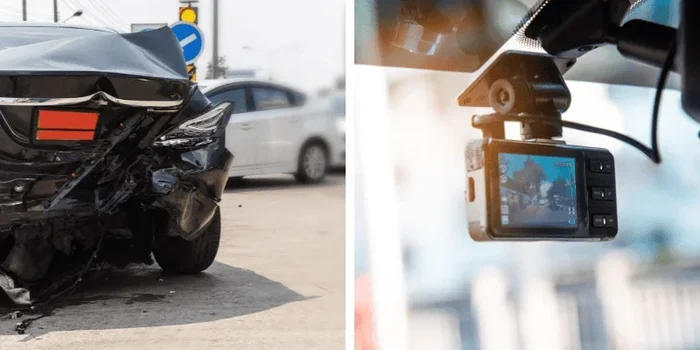
A g sensor car camera is a smart dash cam that uses built-in accelerometers to detect sudden movements and impacts on the road. When a collision or hard braking event occurs, the g sensor automatically locks and saves the footage, ensuring your video evidence is never overwritten. This technology acts like a black box recorder for your vehicle, giving you peace of mind and insurance claim support when you need it most.
Every driver hopes they will never get into a car accident. But the truth is, road incidents happen to even the most careful drivers. A g sensor car camera can be the difference between a stressful aftermath and a smooth resolution. This small device sits on your windshield and works quietly in the background, ready to capture everything.
The g sensor inside the camera is the real game-changer. It measures g-force and detects sudden changes in movement. When something unexpected happens on the road, this sensor kicks into action and saves your video evidence before it can be lost. Think of it as a digital witness that never blinks.
In this article, we will explore everything you need to know about g sensor car cameras. You will learn how the technology works, what features matter most, and why every driver should consider adding one to their vehicle. Whether you are a daily commuter or a long-distance road tripper, this guide has you covered.
Key Takeaways
- Automatic Incident Capture: The g sensor detects collisions and locks footage instantly, so you never lose critical video evidence.
- Insurance Claims Made Easier: Saved footage from a g sensor car camera provides undeniable proof for insurance claim processing.
- Parking Mode Protection: Many models offer motion detection and impact detection even when your car is parked.
- Driving Behavior Insights: The g-force detection helps you understand your driving behavior and improve road safety.
- Easy Installation: Most dash cam units with g sensor technology mount easily on your windshield with no professional help needed.
- Night Vision Capability: Modern g sensor car cameras deliver clear night vision footage even in low-light conditions.
📑 Table of Contents
- What Is a G Sensor Car Camera?
- How the G Sensor Works in Your Dash Cam
- Key Features to Look For in a G Sensor Car Camera
- How G Sensor Cameras Protect You After an Accident
- Common Mistakes People Make With G Sensor Cameras
- Tips for Getting the Most Out of Your G Sensor Car Camera
- Expert Insights on G Sensor Dash Cam Technology
- Conclusion
What Is a G Sensor Car Camera?
A g sensor car camera is a type of dash cam equipped with a built-in accelerometer. This tiny sensor measures acceleration forces, also known as g-force. When the camera detects a sudden jolt, hard brake, or collision, it marks and saves that footage automatically. This prevents the loop recording feature from overwriting the important clip.
Most people know dash cams simply as road trip safety devices. But a g sensor adds a whole new level of intelligence. Without it, your dash cam just records continuously and eventually overwrites old footage. With a g sensor, the camera becomes proactive. It protects the moments that matter most.
How G-Force Detection Works
The g-force detection system inside a g sensor car camera works similarly to the accelerometers found in smartphones. These sensors measure changes in velocity and direction. When a sudden impact occurs, the sensor registers a spike in g-force and triggers the camera to save and lock that segment of footage.
Most dash cam models allow you to adjust the sensitivity of the g sensor. You can set it to low, medium, or high sensitivity. A higher sensitivity setting means the camera will lock footage for smaller bumps and vibrations. A lower setting focuses only on major collisions. Finding the right balance helps prevent false triggers while still capturing real incidents.
How the G Sensor Works in Your Dash Cam
Understanding the inner workings of a g sensor car camera helps you appreciate its value. The impact sensor is always monitoring the vehicle’s movement. It tracks acceleration, deceleration, and changes in direction in real time. When the collision detection threshold is exceeded, the camera springs into action.
Here is how the process typically works:
- The g sensor continuously monitors movement and acceleration forces.
- When a sudden impact or hard braking event is detected, the sensor registers a spike in g-force.
- The camera automatically locks the current video file and marks it as protected.
- The locked footage is moved to a separate folder that loop recording cannot overwrite.
- Some models also send an alert to your phone if they are connected via Wi-Fi.
This entire process happens in seconds. You do not need to press any buttons or manually save the footage. The g sensor car camera handles everything on its own. This hands-free protection is what makes these devices so valuable for daily driving.
Sensitivity Settings and Fine-Tuning
One of the most useful features of a modern g sensor car camera is the adjustable sensitivity. Most cameras come with three to five sensitivity levels. Choosing the right level depends on your driving environment and habits.
- Low Sensitivity: Best for highway driving where smooth, steady speeds are common. Only major collisions trigger the lock.
- Medium Sensitivity: A balanced setting for everyday city driving and suburban roads.
- High Sensitivity: Ideal for rough roads, construction zones, or areas with heavy traffic where even minor bumps might matter.
Setting the sensitivity correctly ensures your video evidence is captured without unnecessary false locks. If you find your camera locking footage too often, reduce the sensitivity. If it misses events, increase it slightly.
Key Features to Look For in a G Sensor Car Camera
Not all dash cam models are created equal. When shopping for a g sensor car camera, there are several important features to consider. Let us break them down so you can make an informed decision.
Video Quality and Resolution
The whole point of a dash cam is to capture clear footage. Look for a camera that records in at least 1080p Full HD. Higher resolution means better detail when you review incident capture footage. Many premium models now offer 4K resolution, which provides exceptional clarity for accident reconstruction and footage review.
A wide-angle lens is also essential. A 130- to 170-degree field of view captures more of the road ahead. This wider perspective helps insurance companies and law enforcement understand exactly what happened during an incident.
Night Vision Capability
Accidents do not only happen during the day. A good g sensor car camera should have strong night vision capabilities. Look for models with large image sensors and infrared or starlight night vision technology. These features ensure your camera captures usable footage even in dark conditions or poorly lit streets.
GPS Tracking and Speed Logging
Many modern dash cam units include built-in GPS tracking. This feature records your location and speed alongside the video footage. When reviewing incident capture clips, GPS data provides context about how fast you were traveling and where the event took place. This information strengthens your insurance claim significantly.
Parking Mode and Motion Detection
A g sensor car camera with parking mode is a smart investment. When your car is parked and turned off, the camera enters a low-power state. It uses motion detection and impact detection to monitor the vehicle. If someone hits your car or attempts theft, the camera wakes up and records the event automatically.
Parking mode is especially valuable in crowded parking lots or on streets where hit-and-run incidents are common. The g sensor detects the impact and locks the footage before it disappears.
Wi-Fi Connectivity and App Control
Many g sensor car cameras now feature Wi-Fi connectivity. This allows you to connect the camera to your smartphone through a dedicated app. You can preview footage, download clips, and adjust settings without removing the camera from your windshield.
Some apps also let you fine-tune the g-force detection sensitivity and review your driving behavior over time. This connectivity makes managing your dash cam simple and convenient.
How G Sensor Cameras Protect You After an Accident
The primary reason most drivers invest in a g sensor car camera is protection after an accident. No one plans to be in a collision, but having solid video evidence can change everything. Let us look at the specific ways a g sensor protects you on the road.
Proving Fault and Liability
After a car accident, determining fault can be complicated. Insurance companies often rely on conflicting statements from drivers. A dash cam with a g sensor removes the guesswork. The locked footage shows exactly what happened in real time. This video evidence can clearly establish who was at fault.
For example, if another driver rear-ends you at a red light, your g sensor car camera captures the impact and the surrounding traffic conditions. The collision detection feature ensures this footage is preserved and cannot be accidentally deleted by the loop recording cycle.
Speeding Up Insurance Claims
Dealing with insurance companies after an accident is stressful enough. A g sensor car camera can significantly speed up the insurance claim process. When you submit clear, timestamped footage with GPS data, adjusters can process your claim faster. There is less back-and-forth and less room for dispute.
Some insurance companies even offer discounts for drivers who use dash cams. Check with your provider to see if a g sensor car camera qualifies you for lower premiums. It is a small investment that can pay for itself over time.
Protecting Against Fraudulent Claims
Dash cam fraud is more common than you might think. Some drivers stage accidents to file false claims against innocent drivers. A g sensor car camera with clear footage is your best defense against these fraudulent claims. The g-force detection timestamp and the visual proof make it nearly impossible for scammers to succeed.
Monitoring Driving Behavior
Beyond accident protection, a g sensor car camera helps you become a better driver. By reviewing your footage review sessions, you can identify risky habits. Maybe you brake too hard, take corners too fast, or get distracted at intersections. The g-force detection data highlights these moments and encourages safer driving behavior.
If you are a parent teaching a new driver, a dash cam with a g sensor is an excellent training tool. You can review trips together and discuss what went well and what could be improved. This feedback loop builds confidence and promotes road trip safety for everyone.
Common Mistakes People Make With G Sensor Cameras
Even the best g sensor car camera will not help if it is not used correctly. Many drivers make avoidable mistakes that reduce the effectiveness of their dash cam. Here are the most common pitfalls to watch out for.
Setting the G Sensor Sensitivity Too High
One of the most frequent mistakes is setting the g sensor sensitivity too high. This causes the camera to lock footage for every small bump, pothole, or speed bump. Over time, your protected storage fills up with clips you never need. This can cause the camera to overwrite important footage because there is no space left for new recordings.
Quick Tip: Start with a medium sensitivity setting and adjust based on your driving environment. Test it on a familiar route and see how it responds to normal driving conditions.
Forgetting to Format the Memory Card Regularly
A full or corrupted memory card can cause your dash cam to malfunction. Many drivers forget to format the card periodically. Over time, fragmented files can lead to recording errors or lost footage. Formatting the card every few weeks keeps everything running smoothly.
Improper Camera Placement
Where you mount your g sensor car camera matters more than you might think. Placing it too low can block your view of the road. Placing it too high might capture the roof of the car instead of the surrounding traffic. The best position is behind the rearview mirror, centered on the windshield, with a clear view of the road ahead.
Ignoring Firmware Updates
Manufacturers regularly release firmware updates that improve g-force detection accuracy and add new features. Ignoring these updates means you miss out on performance improvements. Check for updates periodically and install them to keep your camera running at its best.
Not Reviewing Footage Regularly
A dash cam is only useful if you actually use the footage. Many drivers record thousands of hours of video but never review it. Make it a habit to check your clips after long trips or whenever the g sensor locks a file. This practice helps you stay aware of your surroundings and ensures the footage is intact when you need it.
Tips for Getting the Most Out of Your G Sensor Car Camera
Now that you understand the benefits and common mistakes, let us look at practical tips to maximize your g sensor car camera experience. These simple steps will help you get the best performance and longest lifespan from your device.
Choose the Right Camera for Your Needs
Not everyone needs a top-of-the-line 4K camera. If you mostly drive short commutes, a Full HD model with a reliable g sensor is more than sufficient. However, if you frequently travel long distances or drive in areas with heavy traffic, investing in a higher-resolution model with advanced collision detection features is worth the extra cost.
Consider these factors when choosing:
- Resolution and image quality
- G sensor sensitivity options
- Parking mode availability
- GPS tracking capability
- Wi-Fi and app connectivity
- Night vision performance
- Memory card capacity and type
Keep Your Camera Clean
Dust, dirt, and fingerprints on the lens can blur your footage significantly. Clean the lens regularly with a soft microfiber cloth. This simple habit ensures your video evidence is always clear and usable when you need it most.
Use a High-Quality Memory Card
The memory card is the heart of your g sensor car camera. A low-quality or oversized card can lead to recording failures and data loss. Use a high-speed microSD card from a reputable brand. Cards rated for continuous writing are ideal for dash cam use because they handle the constant read-write cycle without overheating or failing.
Check Your Camera’s Field of View
Over time, your dash cam may shift slightly on the windshield. Periodically check that the camera angle has not changed. A properly aligned wide-angle lens captures the full picture of the road and ensures your incident capture footage is comprehensive and useful.
Enable Alerts and Notifications
If your camera supports Wi-Fi connectivity, enable push notifications on your phone. This way, you receive an alert whenever the g sensor locks a file. You can then quickly download and back up the footage to your phone or cloud storage. This extra layer of protection ensures your video evidence is safe even if the camera is damaged in an accident.
Expert Insights on G Sensor Dash Cam Technology
Automotive safety experts consistently recommend g sensor car cameras as essential tools for modern drivers. According to road safety organizations, dash cam footage has become a critical component in accident investigations and legal proceedings. The g sensor technology elevates this tool from a simple recording device to an intelligent safety system.
Experts emphasize that the impact sensor in a dash cam serves a dual purpose. It not only protects you after an accident but also encourages safer driving behavior in real time. Knowing that the camera is monitoring your movements and will flag harsh events motivates drivers to stay more focused and maintain safer following distances.
When choosing a g sensor car camera, experts recommend prioritizing reliability over flashy features. A camera with a proven g-force detection system, solid build quality, and consistent night vision performance will serve you better in the long run than one loaded with features that rarely work as advertised.
Regular maintenance also plays a key role. Experts suggest checking your camera’s alignment, cleaning the lens weekly, and testing the g sensor function monthly. These small efforts ensure your device is always ready to capture and protect when it matters most.
Conclusion
A g sensor car camera is one of the smartest investments a driver can make. It provides automatic incident capture, protects your video evidence from being overwritten, and strengthens your position during insurance claim processing. The g sensor technology transforms a simple dash cam into an intelligent safety partner that works silently in the background.
From g-force detection and collision detection to parking mode and night vision, these cameras offer features that genuinely enhance your safety on the road. By avoiding common mistakes and following the tips in this guide, you can get the most out of your device and drive with confidence every day.
Whether you are a new driver or a seasoned commuter, a g sensor car camera gives you peace of mind and real protection. Install one today, and you will be glad you did the next time you need it most. Safe driving starts with being prepared, and a quality dash cam is the best way to ensure you are always ready for whatever the road throws your way.
Frequently Asked Questions
What does a g sensor do in a car camera?
The g sensor in a car camera detects sudden changes in movement, such as collisions, hard braking, or impacts. When it senses a significant g-force spike, it automatically locks and saves the current footage so it cannot be overwritten by the loop recording function. This ensures your video evidence is always preserved after an incident.
Can a g sensor car camera help with insurance claims?
Yes, absolutely. The locked footage from a g sensor car camera provides clear, timestamped video evidence that can speed up the insurance claim process. Insurance adjusters can see exactly what happened, making it easier to determine fault and process your claim quickly and fairly.
How do I adjust the g sensor sensitivity on my dash cam?
Most dash cam models allow you to adjust the g sensor sensitivity through the settings menu, either on the device itself or through a companion smartphone app. Choose low sensitivity for highway driving, medium for everyday use, and high for areas with rough roads or frequent minor bumps.
Does a g sensor car camera work in parking mode?
Many g sensor car cameras include a parking mode feature. When your car is turned off, the camera enters a low-power state and uses the impact detection sensor to monitor for collisions. If an impact is detected, the camera wakes up and records the event, protecting your vehicle even when you are not nearby.
Is a g sensor car camera difficult to install?
No, installing a g sensor car camera is typically very simple. Most models come with a windshield mount and a cigarette lighter or USB power cable. You just attach the mount, place the camera on the windshield, and connect it to a power source. No professional installation is required.
What is the difference between a regular dash cam and a g sensor dash cam?
A regular dash cam records continuously and uses loop recording to overwrite old footage when the memory card is full. A g sensor car camera adds an accelerometer that detects impacts and automatically locks important footage before it can be overwritten. This smart feature ensures your incident capture is always saved and available when you need it.