Can I Drive with One Headlight and Stay Safe on the Road
Driving with one headlight is risky and often illegal. Your vehicle needs both headlights for proper visibility and to be seen by other drivers. Whether it is a blown bulb, a faulty fuse, or a wiring issue, fixing a dead headlight should be your top priority before hitting the road.
Have you ever wondered, Can I Drive with One Headlight and still be okay? The answer might surprise you. Driving with a single working headlight is more common than you think, and many drivers do it every day without realizing the risks. This guide covers everything you need to know about driving with one headlight, including the legal side, safety concerns, and how to fix the problem quickly.
Whether you are on a dark highway or a quiet residential road, having both headlights working is essential for your safety and the safety of others. A headlight bulb does not just help you see the road. It also helps other drivers see your vehicle. When one light goes out, you lose a critical part of your vehicle safety system. Let us dive into what really happens when you drive with only one headlight.
Key Takeaways
- It is often illegal: Most states require both headlights to work while driving at night or in low-light conditions.
- Safety is at risk: Driving with one headlight reduces your visibility and makes it harder for other drivers to see you.
- Common causes include: Blown bulbs, bad fuses, faulty wiring, and corroded headlight sockets.
- Fix it quickly: Replacing a headlight bulb is usually simple and affordable, taking less than 30 minutes.
- You could get pulled over: Police can stop you for a defective headlight and issue a warning or fine.
- Prevention matters: Regular car maintenance and checking your headlights weekly can prevent this problem.
📑 Table of Contents
What Happens If You Drive with One Headlight
Driving with a single working headlight affects more than just your ability to see the road ahead. It changes how other drivers perceive your vehicle. Understanding these effects can help you make better decisions on the road.
Reduced Visibility for You
When you lose one headlight, your overall illumination drops significantly. A low beam from one side simply cannot light up the road the way two headlights can. You will notice dark spots on the edges of your path. This is especially dangerous on unlit roads, rural highways, and poorly lit neighborhoods.
During driving at night, every bit of light matters. A single headlight bulb gives you roughly half the visibility you need. This means you might not spot a pedestrian, a deer, or a pothole until it is too late. The risk of an accident goes up fast when your road visibility is cut in half.
Other Drivers Cannot See You Well
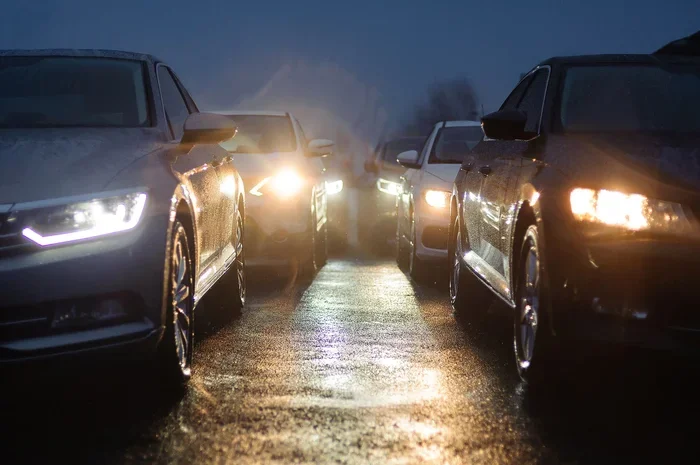
Headlights are not just about seeing. They are about being seen. When you drive with one headlight, other drivers may mistake your car for a motorcycle. They might not notice you in their oncoming traffic until you are very close. This is a serious visibility issue that can lead to dangerous collisions.
Studies show that vehicles with only one functioning light are involved in more nighttime accidents. The human eye naturally looks for pairs of lights when judging distance and speed. A single light confuses that judgment. This is why vehicle safety experts strongly advise against it.
Increased Risk of Getting Pulled Over
Police officers are trained to notice vehicles with defective headlights. If you drive with one headlight, you are very likely to get stopped. Depending on where you live, this could result in a warning, a ticket, or even a citation for violating traffic laws. Nobody wants a police stop for something as simple as a burned-out bulb.
Is It Legal to Drive with One Headlight
The short answer is usually no. Most states and countries have clear rules about vehicle lighting. Let us look at the legal side of this issue more closely.
State and Local Laws
Almost every state in the US requires vehicles to have at least two functioning headlights. These laws typically apply from sunset to sunrise. Some states also require both headlights during daylight hours when visibility is poor, such as in rain, fog, or heavy clouds.
For example, California Vehicle Code Section 24250 states that headlights must be used from a half hour after sunset to a half hour before sunrise. New York, Texas, and Florida all have similar requirements. If you are caught driving with a defective headlight, you could face a fine ranging from $50 to $200 or more, depending on the jurisdiction.
Vehicle Inspection Failures
If your state requires annual or biannual vehicle inspection, a missing headlight will likely cause you to fail. This means you cannot legally register your car or renew your license plates until the issue is fixed. It is a simple fix, but failing an inspection can be a real hassle.
What About Daytime Driving
Some drivers think they can get away with one headlight during the day. While it is true that daytime rules are sometimes less strict, many states still require both headlights to be operational at all times. Do not assume daytime driving is safe from legal trouble. The safest approach is always to fix the problem as soon as you notice it.
Common Reasons You Lose a Headlight
Understanding why a headlight goes out can help you prevent it from happening again. Here are the most common reasons drivers end up with only one working light.
Blown Headlight Bulb
The most common cause is simply a burnt-out headlight bulb. Halogen bulbs have a limited lifespan, usually lasting between 450 and 1,000 hours. Over time, the filament inside the bulb wears thin and eventually breaks. When that happens, one side goes completely dark.
If you drive older vehicles, this is especially common. Modern LED headlight systems last much longer, but they can still fail. A single LED module going bad will leave you with one working light.
Bad Fuse or Relay
Sometimes the problem is not the bulb at all. A blown headlight fuse can kill power to one side of your lighting system. Fuses are designed to protect your electrical system from power surges. When they blow, the circuit breaks and the light goes out.
Relays can also fail. A relay acts as a switch that sends power to your headlights. If the relay for one side stops working, you will lose that headlight even if the bulb is perfectly fine. This is a less common issue but still worth checking.
Corroded or Damaged Socket
The headlight socket connects the bulb to the vehicle’s electrical system. Over time, moisture and heat can cause corrosion to build up inside the socket. This creates a poor connection, and the bulb may flicker or stop working entirely.
Road debris and vibration can also damage sockets. If you have been off-roading or driving on rough roads, a damaged socket might be the culprit. Inspecting the socket is an easy step that many drivers overlook.
Wiring Problems
Older vehicles are especially prone to wiring issues in the headlight circuit. Wires can fray, crack, or corrode over the years. A broken wire means no power reaches the bulb, no matter how new or good the bulb is.
If you have recently had work done under the hood, a wiring connection may have been accidentally disturbed. Always double-check your electrical connections after any engine bay repairs.
How to Fix a Dead Headlight
The good news is that fixing a dead headlight is usually simple and affordable. You do not need to be a mechanic to handle most of these fixes. Here is a step-by-step look at what you can do.
Step 1: Check the Bulb
Pop the hood and locate the back of the headlight assembly. Unplug the wiring harness and twist the bulb holder counterclockwise to remove it. Inspect the filament. If it is broken or blackened, that is your problem. Simply replace the bulb with a matching type. Check your owner’s manual for the correct bulb size and type.
Quick Tip: Always handle new bulbs with a clean cloth or gloves. The oils from your skin can damage a halogen bulb and shorten its lifespan significantly.
Step 2: Check the Fuse
Locate your fuse box, which is usually under the dashboard on the driver’s side or in the engine bay. Use your owner’s manual to find the headlight fuse. Pull it out and inspect it. If the metal strip inside is broken, replace the fuse with one of the same amperage.
This is one of the cheapest and fastest fixes you can do. A pack of fuses costs just a few dollars at any auto parts store.
Step 3: Inspect the Socket and Wiring
If the bulb and fuse are fine, look at the socket and wiring. Clean any corrosion with electrical contact cleaner. If the socket is cracked or damaged, replace it. For wiring issues, you may need to trace the wire back to the fuse box and look for visible damage or loose connections.
Step 4: Seek Professional Help
If none of the above steps work, it is time to visit a mechanic. The problem could be deeper in the electrical system, such as a faulty dashboard warning light circuit or a problem with the headlight switch. A professional can diagnose the issue with specialized tools and get both headlights working again.
Driving Safety Tips When You Have One Headlight
If you find yourself stuck with one working headlight before you can fix it, follow these safety tips to protect yourself and others on the road.
Drive During Daylight Hours When Possible
The easiest way to reduce risk is to avoid driving at night until the headlight is fixed. During the day, natural sunlight provides enough visibility for most driving situations. Plan your errands and trips accordingly so you are not forced to drive in the dark with a single light.
Keep Your Other Headlight Clean and Bright
Your one working headlight needs to do all the heavy lifting. Make sure it is clean, properly aligned, and shining at full brightness. Wipe the lens with a microfiber cloth to remove dirt and grime. A cloudy or yellowed headlight lens can reduce output by up to 80 percent, so consider replacing the lens or using a restoration kit.
Use Your High Beams Carefully
When driving on dark roads with one headlight, you might be tempted to use your high beams more often. While this can improve your road visibility, it can also blind oncoming drivers. Use high beams only when there are no other cars around, and switch back to low beams when you see another vehicle approaching.
Slow Down and Increase Following Distance
With reduced lighting, you need more time to react to obstacles on the road. Reduce your speed and keep a greater distance from the vehicle ahead of you. This gives you more time to see and respond to unexpected hazards like animals, debris, or sudden stops.
Turn On All Your Other Lights
Make sure your taillights, fog lights, and daytime running lights are all functioning. These additional lights help other drivers notice your vehicle even when one headlight is out. It is not a replacement for a working headlight, but it adds an extra layer of visibility.
When to See a Mechanic
Not every headlight problem can be fixed with a simple bulb swap. Here are signs that you need professional help.
If you have replaced the bulb and the headlight still does not work, the issue is likely electrical. A mechanic can test the wiring, check the relay, and inspect the headlight switch. They have the tools and expertise to find problems that are not visible to the naked eye.
Flickering headlights are another red flag. If your remaining headlight flickers or dims while driving, it could indicate a loose connection or a failing alternator. Ignoring flickering lights can lead to a complete loss of lighting while on the road, which is extremely dangerous.
Also see a mechanic if you notice a burning smell or smoke coming from the headlight area. This could signal a serious electrical short that needs immediate attention. Driving with a smoking headlight assembly is a fire hazard and should never be ignored.
How to Prevent Headlight Problems in the Future
Prevention is always better than repair. A few simple habits can keep your headlights working reliably for years to come.
Make it a habit to check both headlights every week before you drive. It takes just a few seconds and can catch problems early. Walk around your vehicle and confirm that both low beams and high beams are working. This quick check can save you from a surprise failure on a dark road.
Clean your headlights regularly. Dirt and road grime build up on the lens and reduce light output. A simple wipe-down with a mild cleaner can make a big difference. If your headlights are cloudy or yellowed, use a restoration kit or have them professionally restored.
Replace bulbs in pairs whenever possible. If one bulb burns out, the other is likely close behind. Putting in a new pair ensures both sides have the same brightness and color temperature. This also saves you time and money in the long run because you will not need a second replacement so soon.
Keep your electrical system in good shape. Have your mechanic check the battery, alternator, and wiring during routine car maintenance visits. A healthy electrical system means your headlights and all other lights will work as they should.
Conclusion
The answer to Can I Drive with One Headlight is clear: you should not. It is risky, often illegal, and puts both you and others in danger. A single headlight bulb cannot provide the visibility or the visibility to other drivers that you need for safe driving at night or in poor weather conditions.
The fix is usually simple and affordable. Whether it is a new bulb, a replacement fuse, or a cleaned socket, most headlight problems can be solved in under 30 minutes. Do not wait until a minor issue turns into a dangerous situation or a costly ticket. Take action the moment you notice one headlight is out.
Your safety on the road depends on small details like working headlights. Make it a priority, stay proactive with car maintenance, and always drive with both lights shining bright. The road is safer for everyone when you do your part.
Frequently Asked Questions
Can I drive with one headlight during the day?
While daytime rules vary by state, most places still require both headlights to be operational. Even if it is legal in your area, driving with one headlight is unsafe because other drivers may not see your vehicle clearly. Fix the issue as soon as possible regardless of the time of day.
How much does it cost to replace a headlight bulb?
A single headlight bulb typically costs between $15 and $50 for most vehicles. If you replace it yourself, the cost is just the bulb. If you go to a mechanic, labor charges may add $20 to $50 more. Overall, it is one of the cheapest and most important repairs you can make.
Will one headlight pass a vehicle inspection?
In most states, a vehicle with only one working headlight will fail inspection. Inspectors check that all exterior lights are functioning properly. You will need to fix the headlight before you can pass the inspection and register your vehicle.
Can a bad ground cause one headlight to stop working?
Yes, a poor ground connection can prevent a headlight from receiving power. The ground wire completes the electrical circuit. If it is corroded or loose, the bulb will not light up. Cleaning or replacing the ground wire often solves this problem quickly.
Is it safe to drive with one headlight on a highway at night?
No, it is not safe. Highways at night require maximum visibility. With only one headlight, you will have difficulty seeing obstacles and other drivers will struggle to judge your distance and speed. Avoid highway driving at night until the headlight is repaired.
How long can I legally drive with one headlight before getting a ticket?
There is no grace period written into most traffic laws. If an officer notices your defective headlight, they can pull you over immediately. The length of time does not matter. The safest approach is to fix the problem right away and avoid the risk of a ticket altogether.
=== CONCLUSION ===
Can I Drive with One Headlight is a question every driver should take seriously. The risks are real, the laws are clear, and the fix is almost always simple. Your headlights are your first line of defense on the road, especially when the sun goes down or the weather turns bad.
Do not let a burned-out bulb put you or someone else in danger. Check your lights regularly, fix problems immediately, and keep both headlights shining bright. A few minutes of car maintenance today can save you from a serious accident, an expensive ticket, or a failed inspection tomorrow. Stay safe, stay visible, and always drive with both headlights working.