Can I Change My Car Door Locks A Step by Step Guide
Yes, you can change your car door locks. Whether you lost your keys, want better security, or are upgrading to smart locks, replacing your car door locks is a task many car owners can handle themselves. This guide walks you through every step, from choosing the right locks to installing them like a pro. You will learn about the tools you need, the costs involved, and common mistakes to avoid.
Have you ever wondered if you can change your car door locks? Maybe you lost your keys, or perhaps you just want to boost the security on your vehicle. Whatever the reason, the answer is yes. You absolutely can change your car door locks, and it is not as hard as you might think.
Changing car door locks is a project that many car owners tackle every year. Some do it to replace worn-out locks. Others do it after a break-in or a lost set of keys. And a growing number of people are switching to smart car locks for added convenience. No matter your reason, this guide will show you exactly how to get it done.
We will cover everything from understanding how your locks work to picking the right replacement. You will also learn about costs, tools, and common pitfalls. By the end of this article, you will feel confident enough to start the project yourself or make an informed decision if you hire a professional.
Key Takeaways
- Changing car door locks is possible and can be done DIY with basic tools.
- Rekeying vs. full replacement are two different approaches with different costs.
- Aftermarket locks offer more features, while OEM locks ensure perfect fit.
- Smart car locks are a popular upgrade for added convenience and security.
- Common mistakes include buying the wrong lock size and skipping key matching.
- Professional locksmiths can help if DIY feels too complex.
- Costs range from $50 to $300 depending on lock type and method.
📑 Table of Contents
- Why Would You Change Your Car Door Locks?
- Understanding How Car Door Locks Work
- Can I Change My Car Door Locks Yourself?
- Rekeying vs. Replacing: What Is the Difference?
- How Much Does It Cost to Change Car Door Locks?
- Choosing the Right Replacement Locks
- Common Mistakes to Avoid
- Quick Tips for a Smooth Lock Change
- Expert Insights on Car Door Lock Changes
- Key Takeaways
- Frequently Asked Questions
- Conclusion
Why Would You Change Your Car Door Locks?
There are many reasons why car owners decide to replace their locks. Understanding your reason can help you choose the best approach. Here are some of the most common ones.
Lost or Stolen Keys
This is the number one reason people change their locks. If someone has a copy of your key, your car is not secure. Changing the locks ensures that old keys no longer work. It gives you peace of mind and keeps your vehicle safe.
Upgrading to Smart Locks
Modern cars come with smart key systems and transponder keys. If your older car does not have these features, you might want to upgrade. Smart locks allow keyless entry, remote start, and better theft protection. Many car owners love the convenience they offer.
Damaged or Worn Locks
Over time, locks wear out. The key might stick, or the lock might not turn smoothly. Rust and dirt can also cause problems. If your lock is failing, replacing it is often the best fix rather than trying to repair it.
After a Break-In
If someone broke into your car, the lock may be damaged. Even if it looks fine, a thief could have made a copy of your key. Replacing all the locks is the safest move after a break-in.
Customization and Aesthetics
Some car owners just want to upgrade the look of their vehicle. Aftermarket locks come in different finishes and styles. Chrome, black, or custom designs can give your car doors a fresh new look.
Understanding How Car Door Locks Work
Before you start changing your locks, it helps to understand how they work. Car door locks are not all the same, and knowing the basics will make the job much easier.
The Lock Cylinder
The lock cylinder is the part where you insert your key. It contains pins that line up when the right key is inserted. When the pins align, the cylinder turns and the lock opens. This is the core of your car door lock mechanism.
The Door Lock Actuator
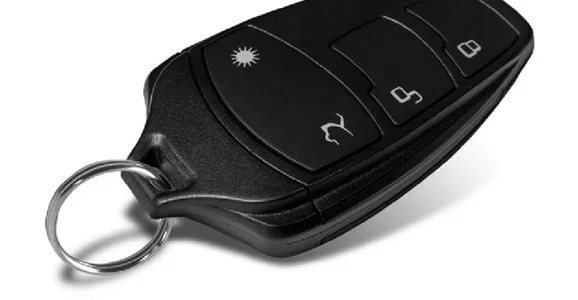
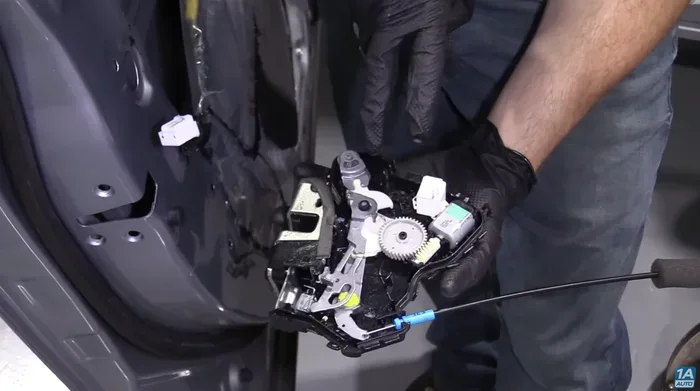
Modern cars use a small motor called an actuator to lock and unlock the doors. When you press the button on your key fob, the actuator engages. If your power door locks are not working, the actuator might be the problem. This is different from the lock cylinder itself.
The Linkage and Latches
Inside the door panel, there is a system of rods and latches. When the cylinder turns or the actuator fires, these parts move the latch. The latch then releases the door. Understanding this system helps you troubleshoot issues during the replacement process.
Manual vs. Power Locks
Older cars often have manual locks. You turn a knob or lever inside the car to lock or unlock. Newer cars use power locks controlled by buttons or remote. The type of lock you have determines the replacement process and the parts you need.
Can I Change My Car Door Locks Yourself?
The short answer is yes. Many car owners successfully change their own locks. However, the difficulty level depends on your car model and the type of lock you are replacing. Let us break this down.
What You Will Need
Having the right tools makes the job much smoother. Here is a list of what you typically need:
- New lock set (cylinder, actuator, or full assembly)
- Screwdriver set (flathead and Phillips)
- Trim removal tool (to take off door panels without damage)
- Socket wrench set
- Pliers and flathead pry tools
- Your new keys (cut and programmed if needed)
- Owner’s manual for your specific car model
Step-by-Step Process
Here is a general overview of how to change your car door locks. Keep in mind that exact steps vary by vehicle.
- Remove the door panel. Use your trim removal tool to pop off the panel clips. Be gentle to avoid cracking the plastic.
- Disconnect the wiring. If your car has power locks, unplug the actuator connector. Take a photo first so you remember where everything goes.
- Remove the old lock cylinder. Locate the retaining screw or clip. Remove it and pull the cylinder out.
- Install the new cylinder. Insert the new lock cylinder and secure it with the screw or clip.
- Test the lock. Before reassembling everything, test the new lock with your key. Make sure it turns smoothly.
- Reconnect the wiring. Plug the actuator back in if you disconnected it.
- Reattach the door panel. Snap the panel back into place. Make sure all clips are secure.
- Test everything. Use your remote and key to lock and unlock. Check all doors.
When to Call a Professional
While DIY is possible, some situations are better left to a pro. If your car has a complex smart key system, you might need special programming equipment. Also, if you are not comfortable working inside your door panel, a locksmith for car can do the job quickly and safely. There is no shame in asking for help.
Rekeying vs. Replacing: What Is the Difference?
Two common terms come up when discussing car locks: rekeying and replacing. They are not the same thing, and understanding the difference can save you time and money.
What Is Rekeying?
Rekeying car door locks means changing the internal pins of the lock cylinder. The same lock stays in place, but it now works with a new key. This is a great option if your lock is in good condition but you need new keys. Rekeying is usually cheaper than full replacement.
What Is Full Replacement?
Full replacement means taking out the entire lock and installing a new one. This is necessary when the lock is damaged, corroded, or when you want to upgrade to a different type of lock. Car door lock replacement gives you a completely fresh start.
Which Option Should You Choose?
Here is a simple comparison to help you decide.
| Factor | Rekeying | Full Replacement |
|---|---|---|
| Cost | Lower ($30-$100 per lock) | Higher ($50-$300 per lock) |
| Time | Faster (15-30 minutes per lock) | Slower (30-60 minutes per lock) |
| Best For | Good locks, new keys needed | Damaged locks or upgrades |
| DIY Friendly | Yes, with basic tools | Yes, but more complex |
| Security Level | Same lock, new key | Fresh, potentially upgraded lock |
As you can see, rekeying is the simpler and cheaper option for most situations. Full replacement is better when you want a complete upgrade or when the existing lock is worn out.
How Much Does It Cost to Change Car Door Locks?
Cost is a big factor when deciding whether to change your locks. The price can vary widely depending on several factors.
Factors That Affect Cost
- Type of lock: Basic manual locks cost less than smart locks or aftermarket car locks.
- Number of doors: Replacing all four doors costs more than just one.
- OEM vs. aftermarket: Original equipment locks from the dealer are usually more expensive.
- Labor costs: If you hire a locksmith for car, labor adds to the total.
- Key programming: Transponder keys and smart keys need programming, which adds cost.
Average Cost Breakdown
For a typical sedan, here is what you can expect to pay:
- Single lock cylinder replacement: $20-$75 for parts, plus $50-$100 for labor if done professionally.
- Full set of four door locks: $100-$400 for parts, plus $200-$400 for labor.
- Smart lock upgrade: $150-$500 per door including parts and programming.
- Rekeying all doors: $50-$200 total, depending on the locksmith.
DIY can save you a lot of money. If you are comfortable with basic car maintenance, doing it yourself can cut the cost in half or more. Just make sure you buy the correct lock cylinder size for your vehicle.
Choosing the Right Replacement Locks
Not all car locks are the same. Picking the right replacement is important for proper fit and function. Here is what you need to know.
OEM vs. Aftermarket Locks
OEM locks are made by your car’s original manufacturer. They fit perfectly and match your existing system. The downside is they can be expensive and sometimes hard to find for older models.
Aftermarket locks are made by third-party manufacturers. They are often more affordable and come in a wider variety of styles. Many aftermarket locks work just as well as OEM, but quality can vary. Stick with reputable brands to avoid problems.
Matching Your Keys
One of the most important steps is making sure your new locks work with your keys. If you are keeping the same key for all doors, you need locks that can be rekeyed to match. If you are getting new keys, make sure they are cut correctly for your new cylinders.
For cars with transponder keys, you also need to make sure the new lock is compatible with your key’s chip. A car key replacement that does not match the lock will not start the car, even if it opens the door.
Smart Locks and Keyless Entry
If you are upgrading to smart key car lock systems, make sure the new locks are compatible with your car’s electronics. Some smart lock kits are universal and work with many models. Others are specific to certain makes and years. Always check compatibility before you buy.
Common Mistakes to Avoid
Changing car door locks is straightforward, but mistakes happen. Here are some common errors and how to avoid them.
Buying the Wrong Lock Size
This is the most common mistake. Lock cylinders come in different sizes and configurations. Always check your owner’s manual or measure your existing lock before ordering a replacement. A lock that is too short or too long will not work properly.
Forgetting to Program New Keys
If you are installing a new transponder key system, the key must be programmed to your car’s computer. Many people forget this step and end up with locks that open but will not start the engine. Budget time for key programming, or have it done at the same time as the lock install.
Damaging the Door Panel
Door panels can be tricky to remove. Using the wrong tools or pulling too hard can crack the plastic or break the clips. Always use a proper trim removal tool and work slowly. If a clip feels stuck, stop and figure out why instead of forcing it.
Skipping the Test Before Reassembly
Never put the door panel back on before testing the new lock. Once the panel is reattached, it is much harder to fix a problem. Test the lock with your key and remote before you finish the job.
Ignoring the Actuator
If your car has power locks and the actuator is not working, a new lock cylinder alone will not fix the problem. Sometimes the entire lock assembly needs to be replaced. Diagnose the issue fully before you start buying parts.
Quick Tips for a Smooth Lock Change
Here are some quick tips that can make your lock change project easier and more successful.
- Take photos before you start. Document how everything is connected. This makes reassembly much easier.
- Keep all clips and screws organized. Use a muffin tin or small containers to keep parts sorted.
- Work on one door at a time. Do not try to do all doors at once. Focus on one and make sure it is perfect before moving on.
- Buy extra clips. Door panel clips are cheap, and they are easy to break. Having spares saves trips to the store.
- Lubricate the new lock. Apply a small amount of lock lubricant to the new cylinder. This ensures smooth operation from day one.
- Keep your old lock. Even if you are replacing it, hold onto the old one. It can be useful for reference or in case you need to return the new part.
Expert Insights on Car Door Lock Changes
We spoke with a few automotive locksmiths and car care experts to get their take on changing car door locks. Here is what they had to say.
Mark T., certified automotive locksmith: “The most important thing I tell customers is to verify the lock cylinder size before ordering. Even cars from the same manufacturer can have different sized cylinders depending on the trim level and year. A five-minute measurement saves hours of frustration.”
Sarah L., car care specialist: “I always recommend starting with the driver’s door. It is usually the most complex and if you can get that one right, the others are much easier. Also, never skip testing before reassembly. Trust me, it saves so much time.”
James R., DIY car enthusiast: “If you are nervous about doing it yourself, buy a rekeying kit first and practice on an old lock. It is cheap and it builds confidence. Once you understand how the pins work, changing a car lock becomes much less intimidating.”
Key Takeaways
- Yes, you can change your car door locks and it is a manageable DIY project for most car owners.
- Rekeying is cheaper and faster than full replacement, but replacement offers a fresh start and upgrade options.
- Costs range from $50 to $500 depending on the number of locks and the type you choose.
- Aftermarket locks are a budget-friendly alternative to OEM locks, but quality varies by brand.
- Smart locks and transponder keys require proper programming to work with your car.
- Common mistakes include buying the wrong size, skipping key programming, and damaging door panels.
- Professional locksmiths are a great option if DIY is not your comfort zone.
Frequently Asked Questions
How long does it take to change car door locks?
For a single door, it usually takes 30 to 60 minutes if you are doing it yourself. A full set of four doors can take two to three hours. Rekeying is faster and can be done in 15 to 30 minutes per lock.
Can I change my car door locks without a locksmith?
Yes, you can change your car door locks without a locksmith. Many car owners handle this as a DIY project. You will need basic tools and the right replacement parts. However, if your car has a complex smart key system, a locksmith can save you time and hassle.
Is it cheaper to rekey or replace car door locks?
Rekeying is almost always cheaper than full replacement. Rekeying costs about $30 to $100 per lock, while replacement can run $50 to $300 per lock. Rekeying works well when your existing lock is in good condition and you just need new keys.
Do I need special keys for new car door locks?
It depends on the type of lock you install. If you are keeping your existing key system, your current keys should work after rekeying. If you are upgrading to smart locks or transponder keys, you will need new keys that are programmed to your car’s computer system.
Can I mix OEM and aftermarket locks on my car?
You can mix OEM and aftermarket locks, but it is not always recommended. Different brands may have slight variations in fit and operation. For the best results, it is better to use the same brand and type across all doors. This ensures consistent performance and appearance.
What should I do if my new lock does not work after installation?
First, double-check that the lock cylinder size is correct. Then make sure the key is cut properly and, if applicable, that the transponder chip is programmed. If everything looks right, the issue might be with the linkage or actuator inside the door. Consult a locksmith or mechanic if you cannot resolve the problem.
Conclusion
Can I change my car door locks? Absolutely yes. Whether you want to rekey your existing locks, replace damaged ones, or upgrade to a smart lock system, the process is well within reach for most car owners. With the right tools, the correct parts, and a little patience, you can complete this project in an afternoon.
Remember to take your time, follow each step carefully, and always test before you reassemble. Avoid the common mistakes we covered, and do not hesitate to call a professional if you get stuck. Changing your car door locks is one of the best things you can do for your vehicle’s security and functionality.
Now that you have all the information you need, it is time to take action. Pick up your replacement locks, gather your tools, and get started. Your car will thank you for it. Stay safe, stay secure, and enjoy the satisfaction of a job well done.