Does Subaru Make a Van The Definitive Subaru Van Guide
So, does Subaru make a van? The short answer is no, Subaru does not currently produce a traditional van. However, Subaru has a rich history of building wagon-style vehicles that serve many of the same purposes. Today, models like the Subaru Outback and Subaru Ascent fill the gap for buyers looking for a Subaru van alternative. This guide covers everything you need to know about the Subaru van question, from historical models to modern options.
Does Subaru make a van? This is a question that comes up more often than you might think. Many car shoppers love the Subaru brand for its reliability, safety, and all-wheel drive system. But when they need more space for their family or cargo, they naturally wonder if Subaru offers a van. The answer is not a simple yes or no. Subaru has a fascinating history with wagon-style vehicles and some unique utility models that blur the line between cars and vans. In this guide, we will explore everything about Subaru’s approach to van-like vehicles.
You will learn about Subaru’s past models, current lineup, and the best alternatives if you want a van experience from the Subaru brand. Whether you are a long-time Subaru fan or just starting your search, this guide has you covered. We will break down every detail in plain, easy-to-understand language. No jargon. No fluff. Just the facts you need to make a smart buying decision.
Key Takeaways
- Subaru does not make a traditional van: The company has never produced a full-size van and currently offers no van in its lineup.
- Subaru wagons are the closest alternative: Models like the Outback and Legacy offer van-like functionality with Subaru’s signature all-wheel drive.
- The Subaru BRAT was a legendary pickup: This classic vehicle gave Subaru a van-like utility feel during the 1970s and 1980s.
- The Subaru Ascent is the family hauler: This three-row SUV seats up to eight and competes with minivans in terms of passenger space.
- Subaru focuses on crossovers and SUVs: The company’s strategy centers on passenger cars, wagons, and SUVs rather than commercial vans.
- Used Subaru vans exist in the market: Older models and third-party conversions can give you a Subaru van experience.
- Subaru’s wagon heritage is unique: Very few brands still produce wagons, making Subaru stand out in the automotive landscape.
📑 Table of Contents
- Does Subaru Make a Van?
- The History of Subaru Vans and Wagons
- Subaru’s Closest Van-Like Vehicles Today
- Subaru Van Alternatives You Should Consider
- Why Subaru Does Not Make a Traditional Van
- The Future of Subaru Vans
- Common Mistakes Buyers Make When Looking for a Subaru Van
- Expert Insights on the Subaru Van Question
- Key Takeaways
- Conclusion
Does Subaru Make a Van?
The direct answer is no. Subaru does not currently manufacture a traditional van. You will not find a Subaru van in any dealership showroom today. The company’s lineup includes sedans, hatchbacks, SUVs, and crossovers. There is no full-size passenger van or cargo van in the current Subaru vehicle lineup.
However, this does not mean Subaru ignores the need for space and versatility. The brand has always focused on practical, functional vehicles. Their wagons and SUVs offer cargo space and seating capacity that rival many vans. So while Subaru does not build a van, it builds vehicles that serve similar purposes for many families and professionals.
What Defines a Van?
To understand the answer fully, it helps to define what a van actually is. A van is typically a box-shaped vehicle designed primarily for carrying passengers or cargo. Vans usually have a tall, upright body style. They often feature a flat cargo floor and large sliding doors. Traditional vans include models like the Chrysler Pacifica, Toyota Sienna, and Honda Odyssey.
Subaru vehicles do not fit this traditional van definition. Their cars and SUVs have a lower ride height and a more car-like driving feel. But some Subaru models come close in terms of interior space and utility. This is why the question “does Subaru make a van” keeps coming up among shoppers.
The History of Subaru Vans and Wagons
Subaru has a deep history with wagon-style vehicles. The brand built its reputation on practical, boxy designs that maximized interior space. While these were not traditional vans, they offered van-like functionality in a car-like package. Understanding this history helps explain why Subaru does not make a van today.
The Subaru DL Wagon Era
In the 1970s and 1980s, Subaru was famous for its wagon models. The Subaru DL wagon was one of the most popular vehicles in its class. It offered a spacious cargo area, reliable all-wheel drive, and excellent fuel economy. Many families chose the DL wagon over a van because it was easier to drive and park.
The DL wagon proved that you did not need a traditional van to haul gear and passengers. Subaru’s engineers understood this early on. They focused on creating versatile vehicles that could handle daily commutes and weekend adventures alike. This philosophy still drives Subaru’s design decisions today.
The Subaru BRAT: A Unique Utility Vehicle
One of the most iconic Subaru vehicles ever made was the BRAT. Short for “Bi-drive Recreational All-terrain Transporter,” the BRAT was a compact pickup truck with a unique twist. It had a second row of seats behind the cargo bed. This made it feel like a small van or utility vehicle.
The BRAT was produced from 1978 to 1994. It gained a cult following among outdoor enthusiasts and budget-conscious buyers. While not a van by definition, the BRAT offered the cargo-hauling capability of a truck with the passenger capacity of a small vehicle. Many Subaru fans still remember the BRAT fondly as the closest thing Subaru ever made to a van.
The Subaru Loyale and Omega Wagons
During the late 1980s and 1990s, Subaru sold the Loyale and Omega wagons in different markets. These vehicles were spacious, practical, and built like tanks. They featured standard all-wheel drive and generous cargo room. For many buyers, these wagons replaced the need for a van entirely.
The Subaru wagon legacy continued with the Outback, which debuted in 1994. The Outback took the wagon concept and gave it more ground clearance and rugged styling. It became one of the best-selling Subaru models of all time. The Outback proved that Subaru did not need to build a van to serve buyers who wanted space and versatility.
Subaru’s Closest Van-Like Vehicles Today
While Subaru does not make a van, several current models come close. These vehicles offer the space, seating capacity, and practicality that many van buyers need. Let us look at the top Subaru options that serve as van alternatives.
The Subaru Outback: The Wagon That Feels Like a Van
The Subaru Outback is the most popular wagon in America. It sits higher than a traditional car and offers a surprising amount of cargo space. The Outback has a flat load floor when the rear seats are folded down. This makes it easy to move large items, much like a van would.
The Outback comes in standard and Touring trim levels. The Touring version offers even more cargo room and luxury features. With its all-wheel drive system and raised ground clearance, the Outback handles both city streets and light trails. It is the perfect vehicle for families who want van-like space without the van driving experience.
The Subaru Ascent: The Family Hauler
The Subaru Ascent is a three-row SUV that seats up to eight passengers. This makes it one of the most capable family haulers in the Subaru lineup. While it is not a van, it competes directly with minivans in terms of passenger capacity.
The Ascent offers a spacious second row and a third row that can fit adults in a pinch. The cargo area behind the third row is generous. When you fold down the third row, the Ascent becomes a cargo mover similar to a van. Its standard all-wheel drive and modern safety features make it a compelling choice for large families.
The Subaru Legacy Wagon
The Subaru Legacy sedan has a wagon variant that is available in some markets. The Legacy wagon offers a long, flat cargo floor and a roofline that maximizes headroom. It is a refined, comfortable vehicle that handles like a car but carries like a van.
The Legacy wagon is ideal for buyers who want a subtle, understated vehicle that can still haul plenty of gear. It is not as boxy as a traditional van, but it gets the job done with style and efficiency.
The Subaru Forester: Compact and Practical
The Subaru Forester is a compact SUV with a boxy design. Its tall, upright shape maximizes interior space. The Forester offers more cargo room than you might expect from a compact SUV. Its rear seats fold flat to create a surprisingly large load area.
While the Forester is not a van substitute, it is a practical choice for buyers who need a versatile daily driver. It is easy to park, fuel-efficient, and packed with standard Subaru safety technology. For small families or singles, the Forester can replace the need for a van entirely.
Subaru Van Alternatives You Should Consider
If you are set on a van but love the Subaru brand, there are alternatives worth considering. Several brands make excellent vans that complement a Subaru lifestyle. Let us explore some of the best options.
The Honda Odyssey
The Honda Odyssey is one of the best minivans on the market. It offers sliding doors, a flexible interior, and excellent reliability. The Odyssey seats up to eight passengers and has a cargo area that rivals many SUVs. If you want van space with Honda reliability, the Odyssey is a top choice.
The Toyota Sienna
The Toyota Sienna is a hybrid minivan that combines fuel efficiency with family-friendly features. It offers a standard hybrid powertrain, which is rare in the van segment. The Sienna seats eight and has a hands-free power liftgate. It is a great option for buyers who want a van but also care about fuel economy.
The Chrysler Pacifica
The Chrysler Pacifica is a minivan that blends luxury with practicality. It has a sleek design, premium interior, and advanced technology features. The Pacifica offers a plug-in hybrid variant for buyers who want to reduce their carbon footprint. It is one of the most refined vans available today.
The Ford Transit Connect
If you need a cargo van rather than a passenger van, the Ford Transit Connect is worth a look. It is compact, easy to drive, and offers a surprisingly large cargo area. The Transit Connect is popular among small business owners and DIY enthusiasts who need to haul tools and supplies.
Comparison Table: Subaru Van Alternatives
| Vehicle | Type | Seating | Cargo Space | AWD Available | Starting Price Range |
|---|---|---|---|---|---|
| Subaru Outback | Wagon/Crossover | 5 | 32.5 cu ft | Yes (Standard) | $28,000-$40,000 |
| Subaru Ascent | 3-Row SUV | 8 | 86.5 cu ft (seats folded) | Yes (Standard) | $35,000-$47,000 |
| Honda Odyssey | Minivan | 8 | 140.7 cu ft | No | $37,000-$52,000 |
| Toyota Sienna | Hybrid Minivan | 8 | 110.4 cu ft | No | $39,000-$50,000 |
| Chrysler Pacifica | Minivan | 8 | 140.7 cu ft | No | $38,000-$55,000 |
This table shows that Subaru vehicles offer standard all-wheel drive, which is a major advantage over many competitors. The Subaru Ascent comes closest to van-level seating capacity, while the Outback offers the best cargo versatility in a compact package.
Why Subaru Does Not Make a Traditional Van
Subaru has a clear strategy for its vehicle lineup. The company focuses on passenger cars, wagons, crossovers, and SUVs. There are several reasons why Subaru does not make a traditional van.
Market Trends Favor Crossovers and SUVs
The automotive market has shifted dramatically over the past two decades. Minivan sales have declined as crossovers and SUVs have grown in popularity. Subaru noticed this trend early and adjusted its strategy accordingly. The company invests heavily in SUV and crossover development because that is what most buyers want.
Vans are now a niche segment. They appeal mainly to large families and commercial users. Subaru targets a broader audience that includes outdoor enthusiasts, commuters, and small families. Crossovers and wagons serve this audience better than traditional vans would.
Subaru’s Brand Identity
Subaru is known for its boxer engine, all-wheel drive, and safety-focused design. These traits define the brand. A traditional van would not align well with this identity. Vans are typically front-wheel drive and prioritize cargo space over driving dynamics. Subaru wants vehicles that feel engaging to drive, not just functional.
The Subaru brand stands for adventure, reliability, and versatility. The Outback and Ascent embody these values perfectly. A van would dilute the brand message that Subaru has carefully built over decades.
Engineering and Platform Constraints
Subaru’s vehicles are built on car platforms, not truck platforms. This gives them a lower center of gravity and better handling. A traditional van requires a truck-based platform that prioritizes cargo volume over ride quality. Subaru’s engineering philosophy does not support this approach.
The company is proud of how its vehicles drive. Subaru owners appreciate the smooth, stable ride that comes from the boxer engine layout and symmetrical all-wheel drive. A van would compromise these driving qualities in favor of pure utility.
The Future of Subaru Vans
So, what does the future hold for Subaru and van-like vehicles? The automotive industry is changing rapidly. Electric vehicles and new platform designs are opening up new possibilities. Subaru has hinted at expanding its lineup in the coming years.
Will Subaru Ever Make a Van?
There is no official word from Subaru about producing a traditional van. The company has not announced any plans for a van model. However, Subaru has been expanding its SUV lineup with models like the Solterra electric SUV. This shows the company is willing to explore new segments.
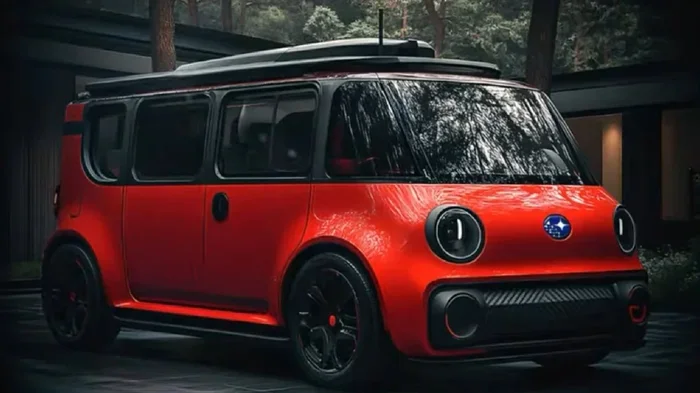
It is possible that Subaru could introduce a van-like vehicle in the future. An electric wagon or a tall crossover could blur the line between a wagon and a van. Subaru’s focus on practicality and versatility makes this a natural fit. But for now, the company remains committed to its current lineup of cars, wagons, and SUVs.
The Rise of Electric Wagons
Electric vehicles are changing the automotive landscape. Companies like Kia and Mercedes-Benz are reviving the wagon segment with electric models. Subaru could follow this trend with an electric Outback or a new electric wagon. Such a vehicle would offer van-like space with zero emissions.
Subaru has already committed to making all-electric vehicles a larger part of its lineup. The Solterra is the company’s first fully electric SUV. Future Subaru models could include electric wagons or even a van-like vehicle that stays true to the brand’s DNA.
Common Mistakes Buyers Make When Looking for a Subaru Van
Many buyers make mistakes when searching for a Subaru van. Avoid these common pitfalls to save time and money.
- Assuming Subaru makes a van: Subaru does not produce any van model. Do not waste time searching for one.
- Overlooking the Outback: The Outback is the closest thing to a Subaru van. Many buyers skip it and miss out.
- Ignoring the Ascent for large families: The Ascent seats eight and offers van-like space. It is the best Subaru for big families.
- Not considering AWD needs: Subaru’s standard all-wheel drive is a huge advantage over many van competitors.
- Focusing only on new vehicles: Used Subaru wagons and the classic BRAT offer unique van-like experiences at lower prices.
- Underestimating cargo needs: The Outback’s cargo space is impressive. Test it before assuming you need a van.
Expert Insights on the Subaru Van Question
Automotive experts agree that Subaru has carved out a unique niche in the market. The brand’s focus on wagons and crossovers sets it apart from competitors. According to industry analysts, Subaru’s strategy is smart and sustainable.
Experts point out that very few brands still produce wagons. Subaru is one of the few that does, and this gives it a loyal following. The Outback alone has saved the wagon segment in America. While Subaru does not make a van, its vehicles fill the gap for buyers who want practicality and versatility.
Car reviewers also praise Subaru’s commitment to safety. The brand consistently earns top safety ratings across its lineup. This is a major selling point for families who might otherwise consider a minivan. The Subaru Ascent and Outback offer peace of mind alongside their spacious interiors.
Key Takeaways
- Subaru does not make a van: The company has no van in its current lineup and has never produced a traditional van.
- The Subaru Outback is the best wagon alternative: It offers van-like cargo space with Subaru’s standard all-wheel drive.
- The Subaru Ascent is the family hauler: It seats eight and competes with minivans in passenger capacity.
- Subaru’s wagon heritage is unique: Very few brands still produce wagons, making Subaru stand out.
- Several van alternatives exist from other brands: The Honda Odyssey, Toyota Sienna, and Chrysler Pacifica are excellent options.
- Subaru’s strategy is unlikely to change soon: The company is focused on crossovers, SUVs, and wagons rather than vans.
- Future electric models could introduce van-like options: Subaru’s electric vehicle plans may include new body styles in the future.
Conclusion
So, does Subaru make a van? The answer is clearly no. Subaru does not produce a traditional van, and it has never made one. But the company offers vehicles that serve many of the same purposes. The Subaru Outback, Ascent, and Legacy wagon all provide the space, versatility, and practicality that van shoppers need.
Subaru’s commitment to all-wheel drive, safety, and driving enjoyment sets it apart from van manufacturers. If you want a van-like experience with a unique driving feel, a Subaru wagon or SUV is an excellent choice. The Outback especially proves that you do not need a van to live a van-like lifestyle.
For buyers who absolutely need a traditional van, brands like Honda, Toyota, and Chrysler offer outstanding options. But if you are open to alternatives, Subaru has plenty to offer. The brand’s focus on practical, versatile vehicles means there is a Subaru for almost every lifestyle and need.
Next time someone asks you “does Subaru make a van,” you can give them a confident, informed answer. Share what you have learned here. Help them discover the Subaru vehicles that can replace a van in their life. The right Subaru might be exactly what they need.
Frequently Asked Questions
Has Subaru ever made a van?
No, Subaru has never produced a traditional van. The company has focused on passenger cars, wagons, and SUVs throughout its history. However, the Subaru BRAT pickup truck with its rear jump seats offered a van-like utility feel during the 1970s and 1980s.
What is the closest thing to a Subaru van?
The Subaru Outback wagon is the closest thing to a van in the current Subaru lineup. It offers a tall, upright design, generous cargo space, and standard all-wheel drive. The Subaru Ascent three-row SUV is another strong alternative for families who need more seating capacity.
Can you fit a family of six in a Subaru?
Yes, the Subaru Ascent can comfortably seat up to eight passengers. It is a three-row SUV that competes directly with minivans. For smaller families, the Subaru Outback or Subaru Forester also offer spacious interiors with room for five.
Why does Subaru not make a minivan?
Subaru has chosen to focus on wagons, crossovers, and SUVs rather than minivans. The company believes its boxer engine and all-wheel drive platform deliver a better driving experience than traditional minivans. Market trends also favor SUVs and crossovers over minivans in today’s car market.
Are there any Subaru van conversions available?
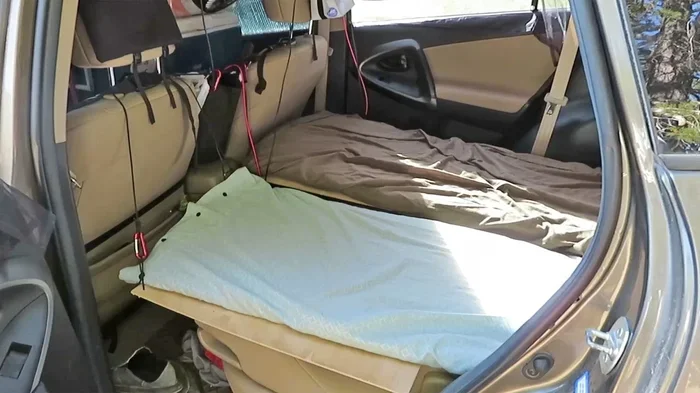
Yes, some third-party companies offer van conversion services that can transform a Subaru vehicle into a camper van or cargo van. The Subaru Outback and Subaru Forester are popular choices for DIY van conversions among adventure enthusiasts and van life communities.
Will Subaru ever introduce a van model?
There is no official announcement from Subaru about producing a van. The company’s current strategy focuses on expanding its SUV and electric vehicle lineup. However, future Subaru models could include van-like vehicles, especially as the company explores electric and crossover designs.