Does Your Car Insurance Cover Water Damage From Rain
Yes, car insurance can cover water damage from rain, but only if you have the right type of coverage. Most standard policies do not include rain damage protection on their own. You typically need comprehensive car insurance to get help with rain-related water damage. Understanding what your auto insurance policy covers can save you from unexpected repair costs. This guide breaks down exactly when rain water damage is covered and when it is not.
Few things are more frustrating than stepping outside to find your car sitting in a puddle after a heavy storm. Water inside your vehicle can lead to mold, bad smells, and expensive repairs. If you have ever wondered whether your auto insurance policy will help with rain water damage, you are not alone. Many drivers assume their car insurance covers all types of water damage, but that is not always the case. The answer depends on several factors, including your coverage type, the cause of the damage, and the details of your insurance claim.
This article breaks down everything you need to know about rain water damage and car insurance. We will walk you through what comprehensive coverage includes, when rain damage is not covered, and how to file a successful claim. By the end, you will have a clear picture of what to expect and how to protect your vehicle from future rain-related issues.
Key Takeaways
- Comprehensive coverage is essential: Basic liability insurance does not cover rain water damage to your car.
- Flood and rain damage are treated differently: Insurance companies may classify rain damage and flood damage separately, affecting your claim.
- Act of God matters: Many rain water damage claims fall under natural disaster or weather-related damage categories.
- Filing a claim requires documentation: Photos, police reports, and repair estimates strengthen your water damage claim.
- Prevention reduces risk: Simple steps like parking in covered areas can protect your vehicle from rain water intrusion.
- Deductibles apply: Your comprehensive deductible affects how much you pay out of pocket for rain damage repairs.
- Wear and tear is excluded: Gradual water damage from poor maintenance is typically not covered by any policy.
📑 Table of Contents
- What Does Car Insurance Cover for Water Damage?
- When Does Rain Water Damage Fall Under Comprehensive Coverage?
- When Is Rain Water Damage NOT Covered?
- How to File a Water Damage Claim From Rain
- Tips to Protect Your Car From Rain Water Damage
- Common Mistakes Drivers Make With Rain Damage Claims
- Comprehensive Coverage vs. Other Coverage Types for Rain Damage
- Expert Insights on Car Insurance and Rain Water Damage
- How Weather-Related Damage Affects Your Car Insurance Premium
- Key Takeaways
- Frequently Asked Questions
What Does Car Insurance Cover for Water Damage?
Understanding your auto insurance policy starts with knowing what type of coverage you have. Most car insurance policies include several different types of protection. Each type covers specific situations. When it comes to water damage from rain, the coverage depends largely on how the water got into your car and what kind of policy you purchased.
Liability Coverage and Water Damage
Liability coverage is the most basic form of car insurance. It covers damage you cause to other people or their property. If you accidentally hit someone’s car with your door and it gets damaged, liability coverage helps pay for that. However, liability coverage does not cover damage to your own vehicle. This means that if rain water damages your car, liability insurance will not help you at all. Many drivers mistakenly believe their basic policy covers everything, but that is simply not true.
Collision Coverage and Water Damage
Collision coverage pays for damage to your car caused by an accident. For example, if you crash into a tree during a rainstorm because the road was slippery, collision coverage would help pay for the repairs. But here is the catch. Collision coverage does not cover water damage itself. If your car sits in a flooded parking lot and water seeps in through the doors, collision insurance will not cover that. Collision is only for accident-related damage, not for weather-related water intrusion.
Comprehensive Coverage and Rain Damage
This is where things change. Comprehensive coverage is the type of car insurance that typically covers rain water damage. Comprehensive coverage protects your vehicle from events that are not collisions. This includes theft, vandalism, fire, falling objects, and weather-related damage. When rain water enters your car through a cracked window or a damaged seal, comprehensive coverage may help pay for the repairs.
Comprehensive coverage also covers flood damage in many cases. If heavy rain causes flooding and your car gets submerged, a comprehensive policy may cover the water damage claim. However, there are important exceptions and conditions you need to understand before assuming you are fully protected.
When Does Rain Water Damage Fall Under Comprehensive Coverage?
Not all rain damage is treated the same way by insurance companies. The key question is how the water entered your vehicle and what caused the damage. Let us look at the most common scenarios where comprehensive coverage applies to rain water damage.
Rain Entering Through an Open Window or Sunroof
If you leave your windows down or your sunroof open during a rainstorm and water gets inside, comprehensive coverage usually applies. This is because the water entered due to weather conditions, not because of wear and tear or poor maintenance. Insurance companies view this as an act of God or a weather-related event. Your comprehensive claim would cover the damage caused by the water inside your car.
Hail Damage Combined with Rain
Hailstorms often come with heavy rain. If hail dents your car and rain water enters through those dents or damaged areas, comprehensive coverage typically handles both the hail and the water damage. Insurance adjusters evaluate the total damage and determine the payout based on your policy limits and deductible.
Water Damage From a Storm-Damaged Roof or Tree
If a tree branch falls on your car during a storm and rain water sits on the damage, comprehensive coverage usually applies. The falling tree branch is the initial covered event, and the resulting rain water damage is a direct consequence. This type of weather-related damage falls squarely within comprehensive coverage territory.
Flash Flooding From Heavy Rain
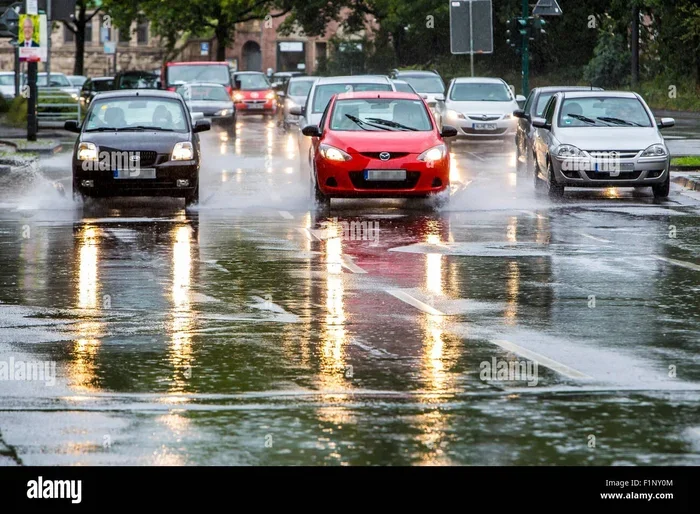
Heavy rain can cause flash floods that submerge your vehicle. In most cases, comprehensive coverage handles flood damage from rain. Insurance companies treat this as a natural disaster or weather event. However, if you drove into floodwater and your car got stuck or stalled, the situation becomes more complicated. Some policies may exclude damage caused by driving through floodwater, even if it was from rain.
When Is Rain Water Damage NOT Covered?
Understanding what is not covered is just as important as knowing what is covered. There are several situations where your auto insurance policy will not pay for rain water damage. Being aware of these exclusions can save you from disappointment and unexpected bills.
Gradual Water Damage From Poor Maintenance
Insurance companies do not cover gradual or long-term water damage. If your car has a leaking roof seal or worn-out door gaskets and rain water slowly seeps in over time, this is considered maintenance neglect. The damage is seen as a result of not taking care of your vehicle, not a sudden weather event. This type of water intrusion is excluded from comprehensive coverage.
Driving Through Floodwater Without Comprehensive Coverage
If you choose to drive through standing water during a rainstorm and your engine gets flooded, the damage is usually not covered. Insurance companies view this as a preventable choice. Even with comprehensive coverage, driving into floodwater can void your claim. The rule of thumb is simple. Do not drive through water you cannot see the bottom of.
Wear and Tear Exclusion
All car insurance policies exclude normal wear and tear. If your car is older and the seals around the windows or doors are worn, rain water may naturally seep in. The insurance company will classify this as wear and tear rather than sudden weather damage. Without proper maintenance and timely repairs, you may find yourself paying for rain damage out of pocket.
Neglecting Vehicle Upkeep
Keeping your car in good condition matters. If you ignore a known issue like a cracked windshield or a broken window seal, and rain water enters through that gap, the claim may be denied. Insurance companies expect policyholders to take reasonable steps to prevent further damage. Ignoring a known problem can lead to a denied water damage claim.
How to File a Water Damage Claim From Rain
If your car has suffered rain water damage, filing a claim promptly can make a big difference. The process is straightforward, but there are steps you should follow to ensure your claim goes smoothly.
Step 1: Document the Damage
Before you do anything else, take photos and videos of the damage. Capture every angle of the water damage. Show the water inside the car, the damaged seats, the wet carpeting, and any other visible issues. This documentation is crucial for your insurance claim. Adjusters need clear evidence to approve your comprehensive claim.
Step 2: Contact Your Insurance Company
Call your insurance provider as soon as possible. Report the rain water damage and provide all the documentation you gathered. Be honest and detailed about what happened. If you delayed reporting the damage, let them know the truth. Delays can complicate or even void your claim.
Step 3: Get an Estimate
Your insurance company may require you to get a repair estimate from a licensed mechanic or auto body shop. The estimate should detail the cost of repairing the water damage. This includes drying costs, mold remediation, and any parts that need replacement. Share this estimate with your adjuster to move the claim forward.
Step 4: Pay Your Deductible
Every comprehensive policy has a deductible. This is the amount you pay before your insurance coverage kicks in. If your deductible is $500 and the repair costs are $2,000, you pay $500 and your insurer pays $1,500. Choose a deductible you can comfortably afford, as this directly affects your out-of-pocket cost for rain damage repairs.
Step 5: Wait for the Claim Decision
After you submit all the paperwork, your insurance company reviews your claim. They may send an adjuster to inspect the damage in person. Once approved, you will receive a payout minus your deductible. If your claim is denied, you have the right to appeal and provide additional evidence.
Tips to Protect Your Car From Rain Water Damage
Prevention is always better than dealing with a claim. Taking a few simple steps can protect your vehicle from rain water damage and reduce the need for insurance claims.
- Park in covered areas: Garages, carports, and covered parking lots keep your car dry during rainstorms. Even a simple car cover can make a big difference.
- Check your seals regularly: Inspect the rubber seals around your windows, doors, and sunroof. Replace worn seals before rain season arrives.
- Fix small issues quickly: A small crack in your windshield or a broken window latch can let rain water in. Address minor problems before they become major water intrusion issues.
- Avoid driving through standing water: Even a few inches of water can cause serious damage to your vehicle. Turn around if you cannot see the road beneath the water.
- Use water-resistant car covers: If you must park outside during heavy rain, a waterproof car cover provides an extra layer of protection against water damage.
- Keep your drainage system clear: Cars have drainage channels that direct water away from the interior. If these channels are clogged with leaves or debris, rain water can overflow into the cabin.
- Dry your car interior after exposure: If your car does get wet, dry it thoroughly as soon as possible. This prevents mold and mildew, which can cause additional damage and health issues.
Common Mistakes Drivers Make With Rain Damage Claims
Filing a rain water damage claim can be tricky. Avoid these common mistakes to improve your chances of a successful insurance payout.
- Waiting too long to report the damage. Delays can raise red flags with your insurance company. Report damage as soon as you notice it.
- Not documenting the damage properly. Photos and videos are your best friend during the claim process. Take more than you think you need.
- Assuming all water damage is covered. Not every water damage scenario qualifies for a claim. Understand your policy before you assume coverage.
- Choosing the cheapest repair shop. Low-quality repairs can lead to recurring water intrusion problems. Use reputable, licensed repair facilities.
- Ignoring mold development. Water damage often leads to mold if not addressed quickly. Mold damage can increase repair costs significantly and may affect your claim.
- Failing to read your policy details. Every auto insurance policy is different. Know what your comprehensive coverage includes and what exclusions apply.
Comprehensive Coverage vs. Other Coverage Types for Rain Damage
Let us put things in perspective with a quick comparison of how different coverage types handle rain water damage.
| Coverage Type | Covers Rain Water Damage? | What It Covers |
|---|---|---|
| Liability Coverage | No | Damage to others caused by you |
| Collision Coverage | No | Damage from accidents and crashes |
| Comprehensive Coverage | Yes (in most cases) | Weather damage, theft, vandalism, flood, fire |
| Gap Insurance | No | Difference between loan balance and car value |
| PIP (Personal Injury Protection) | No | Medical expenses from injuries in an accident |
As you can see from the comparison table, comprehensive coverage is the only standard auto insurance type that typically covers rain water damage. If you do not have comprehensive coverage on your vehicle, you will likely pay for rain damage repairs yourself.
Expert Insights on Car Insurance and Rain Water Damage
Insurance experts consistently advise drivers to review their policies before storm season. According to industry professionals, many drivers discover they lack comprehensive coverage only after damage has already occurred. The cost of adding comprehensive coverage is relatively low compared to the potential cost of repairing water damage from a heavy rainstorm.
Experts also emphasize the importance of understanding your insurance policy deductible. A higher deductible lowers your monthly premium but increases your out-of-pocket cost when a claim is filed. Finding the right balance is key to smart financial protection. Additionally, maintaining your vehicle properly strengthens your position when filing a water damage claim. Insurance companies are more likely to approve claims when the policyholder can demonstrate regular upkeep.
One often overlooked aspect is the distinction between rain damage and flood damage. While both involve water, insurance companies may classify them differently. Rain that enters through an open window is typically treated as a comprehensive weather event. Flooding from rising water levels may be classified differently and could require separate flood insurance in some cases. Understanding this distinction helps set realistic expectations about your claim.
How Weather-Related Damage Affects Your Car Insurance Premium
Filing a comprehensive claim for rain water damage can affect your car insurance premium. Most insurance companies consider the frequency of claims when setting rates. If you file multiple claims within a short period, your premium may increase at renewal time. However, a single claim for weather-related damage is often viewed differently than a claim for a collision you caused.
To minimize the impact on your premium, consider the cost of repairs versus the cost of a premium increase. If the repair cost is close to or below your deductible, it may be more cost-effective to pay out of pocket rather than file a claim. This keeps your claim history clean and your premiums stable.
Key Takeaways
- Comprehensive coverage is essential: Basic liability and collision coverage do not cover rain water damage to your car. You need comprehensive car insurance for that protection.
- Act of God and weather events are covered: Rain water damage from storms, hail, and flash floods typically falls under comprehensive coverage as a weather-related event.
- Gradual damage is excluded: Water intrusion caused by poor maintenance or wear and tear is not covered by any standard auto insurance policy.
- Documentation is critical: Photos, repair estimates, and timely reporting strengthen your insurance claim and improve your chances of approval.
- Deductibles apply to comprehensive claims: You must pay your comprehensive deductible before your insurance company covers the remaining repair costs.
- Prevention saves money: Regular maintenance and smart parking habits reduce the risk of rain water damage and keep your insurance costs lower.
- Know your policy details: Understanding what your car insurance covers and excludes helps you make informed decisions when rain damage occurs.
Does Your Car Insurance Cover Water Damage From Rain?
The short answer is yes, but only if you have comprehensive coverage on your auto insurance policy. Rain water damage is typically covered when it results from sudden weather events like storms, hail, or flash flooding. However, gradual water damage from poor maintenance or wear and tear is not covered. The key is understanding your insurance policy, documenting any damage properly, and taking preventive steps to protect your vehicle. By staying informed and proactive, you can navigate rain water damage claims with confidence and ensure your car stays protected through every storm.
Frequently Asked Questions
Does comprehensive car insurance cover water damage from heavy rain?
Yes, comprehensive car insurance typically covers water damage caused by heavy rain. This includes rain entering through open windows, damaged seals, or storm-related flooding. However, the damage must be sudden and weather-related, not caused by gradual wear or poor maintenance. Always review your specific policy to understand your coverage limits and deductible.
Will my insurance pay for mold damage caused by rain water?
In most cases, yes. If the mold developed as a direct result of rain water damage that is covered under your comprehensive policy, insurance companies will typically cover the mold remediation costs. The key is reporting the damage promptly and preventing the mold from spreading before the adjuster inspects the vehicle.
What is the deductible for comprehensive water damage claims?
Your comprehensive deductible is the amount you pay out of pocket before your insurance coverage kicks in. Deductibles typically range from $250 to $1,000, depending on your policy. Choose a deductible that you can afford to pay in the event of a rain water damage claim.
Can I file a claim if rain water entered my car through a broken window?
Yes, this scenario is generally covered under comprehensive coverage. A broken window from a storm or falling debris is a sudden event, and the resulting rain water damage is a direct consequence. Provide photos of the broken window and the water damage to support your insurance claim.
Does car insurance cover water damage if I drove through a puddle?
This depends on your coverage type and the specific circumstances. If you drove through a puddle and water entered the engine or interior, comprehensive coverage may apply in some cases. However, if the damage resulted from flooding and you chose to drive into it, some insurance companies may deny the claim. Always check your policy details for exclusions related to driving through water.
How long do I have to file a water damage claim from rain?
You should report rain water damage to your insurance company as soon as possible, ideally within 24 to 48 hours. Most policies require prompt notification of damage. While there is no strict universal deadline, delaying your claim can raise questions and potentially lead to a denial. Document the damage immediately and contact your insurer right away.