Does Car Insurance Cover Rodent Damage?
Does Car Insurance Cover Rodent Damage? The answer depends on your policy type and coverage. Most standard auto insurance policies do not cover rodent damage on their own. However, if you carry comprehensive coverage, your car insurance may pay for repairs caused by pests. Understanding your policy details before filing a claim can save you time, money, and a lot of frustration.
You turn the key in the ignition and nothing happens. You pop the hood and find chewed wires, shredded insulation, and a nasty surprise hiding in your engine bay. Rodent damage to a car is more common than most people think, and it can leave you facing a costly repair bill. The big question on every car owner’s mind is whether their car insurance will cover the cost.
The answer is not always straightforward. It depends on your policy type, the coverage you carry, and the details of the damage itself. Many drivers assume their standard policy will handle this, only to find out they need additional protection. Understanding what your policy covers before disaster strikes can save you a lot of money and stress.
In this article, we will walk you through everything you need to know about rodent damage car insurance. We will cover what comprehensive coverage means, how to file a claim, what to expect during the process, and how to prevent this problem in the first place. By the end, you will have a clear picture of your options and how to protect your vehicle from unwanted visitors.
Key Takeaways
- Comprehensive Coverage is Key: Only comprehensive car insurance typically covers rodent damage, not basic liability or collision policies.
- Filing a Claim is Straightforward: You can file a car insurance claim for rodent damage just like any other comprehensive claim, provided you have the right coverage.
- Deductibles Apply: Your insurance deductible will reduce the payout amount, so it is important to weigh repair costs against your deductible.
- Prevention is Powerful: Simple steps like parking in garages and using rodent deterrents can significantly reduce the risk of pest damage car owners face.
- Claims Can Be Denied: Understanding insurance policy exclusions helps you avoid surprises and know your rights as a policyholder.
- Act Fast After Damage: Reporting rodent damage promptly and documenting everything strengthens your auto insurance claim and improves approval chances.
- Rates May Be Affected: Filing a comprehensive claim for rodent damage can impact your car insurance rates in some cases, so weigh your options carefully.
📑 Table of Contents
- Understanding Rodent Damage to Vehicles
- Does Car Insurance Cover Rodent Damage?
- How to File a Claim for Rodent Damage
- Comparing Coverage Types for Rodent Damage
- Quick Tips to Prevent Rodent Damage
- Common Mistakes and Expert Insights
- How Rodent Damage Affects Your Car Insurance Rates
- Key Takeaways
- Conclusion
Understanding Rodent Damage to Vehicles
Rodent damage to vehicles is a real and growing problem. Mice, rats, and squirrels love to chew on car components for several reasons. The materials inside your vehicle can look and feel like food or nesting material to these pests. Understanding what draws them to your car is the first step in protecting your investment.
What Attracts Rodents to Your Car
Several factors make vehicles attractive to rodents. Here are the most common attractants:
- Warm engine compartments: Cars parked outdoors provide a warm shelter, especially during cold months. Rodents seek out cozy spots, and your engine bay fits the bill perfectly.
- Plant-based materials: Wiring insulation, soy-based brake pads, and cabin air filters often contain plant fibers. These materials attract rodents that chew on them for food or nesting.
- Stored food: Crumbs, food wrappers, or even pet food left in your vehicle can draw mice and rats inside.
- Parked cars near vegetation: Parking under trees or near tall grass gives rodents easy access to your vehicle. They can climb onto the hood or crawl under the car with ease.
Common Types of Rodent Damage
Rodents can cause a wide range of damage to your vehicle. Some of the most common issues include:
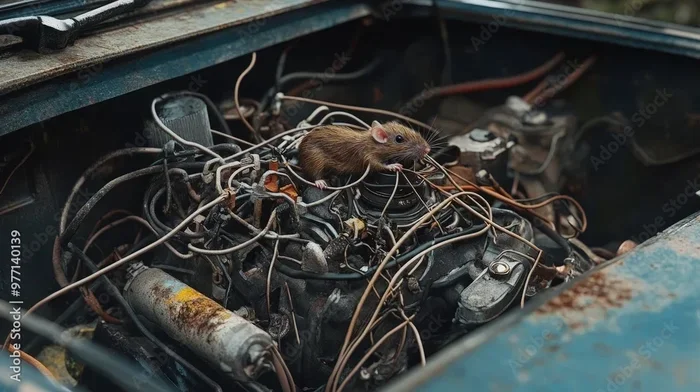
- Chewed wiring: This is the most expensive and dangerous type of damage. Rodents chew through engine wiring harnesses, which can cause short circuits, engine misfires, or even fires.
- Damaged insulation: Shredded insulation in the engine bay or cabin reduces thermal efficiency and can lead to higher energy costs.
- Chewed hoses and belts: Coolant hoses and serpentine belts can be gnawed through, leading to engine overheating or belt failure.
- Damaged air filters: Rodents often use cabin air filter material for nesting, which restricts airflow and reduces HVAC performance.
- Interior damage: Seat fabric, dashboard components, and carpeting can all suffer from rodent activity, especially if animals gain entry through vents or openings.
The cost of repairing vehicle damage from animals can range from a few hundred dollars for minor cosmetic damage to several thousand dollars for extensive wiring or engine repairs. This is why having the right car insurance coverage matters so much.
Does Car Insurance Cover Rodent Damage?
Does Car Insurance Cover Rodent Damage? This is the question every car owner wants answered after discovering pest-related destruction under their hood. The short answer is that it depends entirely on the type of coverage you have. Let us break this down clearly.
The Role of Comprehensive Coverage
Comprehensive coverage is the type of auto insurance that typically covers rodent damage. This coverage is designed to pay for damage caused by events other than collisions. It covers things like theft, vandalism, weather damage, fire, and yes, animal damage.
Here is how it works in practice. If a mouse chews through your engine wiring and causes a short circuit, your comprehensive coverage would pay for the repairs after you pay your deductible. The key word here is “comprehensive.” If you only carry liability insurance, which is the minimum required in most states, rodent damage will not be covered at all.
Comprehensive coverage is optional in most states. However, if you have a car loan or lease, your lender will almost certainly require it. This protects their financial interest in the vehicle until the loan is paid off.
What Full Coverage Includes and Excludes
Many people use the term “full coverage” to mean they have both liability and comprehensive protection. But full coverage does not mean everything is covered. Here is what you need to know about the scope of your protection:
- What is covered: Rodent damage to wiring, engine components, interior materials, and other vehicle parts caused by animals like mice, rats, squirrels, and raccoons.
- What is not covered: Damage caused by wear and tear, lack of maintenance, or pre-existing conditions. If your wiring was already old and exposed, the insurance company might argue the damage was due to neglect rather than rodent activity.
- Deductible applies: You will need to pay your comprehensive coverage deductible before your insurance kicks in. Deductibles typically range from $250 to $1,000, depending on your policy.
- Claim limits: Your policy has a maximum payout amount. If rodent damage exceeds this limit, you will need to pay the difference out of pocket.
It is also important to note that insurance claim denial can happen if the insurance company determines the damage was not caused by rodents or if you failed to maintain your vehicle properly. This is why documenting the damage thoroughly is so important.
How to File a Claim for Rodent Damage
If you have discovered rodent damage to your vehicle, filing a car insurance claim is the next step. The process is similar to filing any other comprehensive claim, but there are specific things you should do to ensure a smooth experience.
Step-by-Step Claims Process
Follow these steps to file your auto insurance claim for rodent damage:
- Document the damage: Take clear photos and videos of all damaged areas. Capture close-ups of chewed wires, damaged insulation, and any visible signs of rodent activity like droppings or nests.
- Do not drive the car if it is unsafe: If rodent damage affects your engine, brakes, or steering, do not attempt to drive the vehicle. Towing it to a repair shop is the safer option.
- Contact your insurance company: Call your insurance company as soon as possible. Report the damage and let them know you want to file a comprehensive claim.
- Get a repair estimate: Take your vehicle to a trusted mechanic or dealership. Ask for a detailed written estimate of all repairs needed.
- Submit your claim: Provide your insurance company with the photos, videos, repair estimate, and any other documentation they request.
- Wait for the adjuster: Your insurance company will assign an adjuster to review the claim. They may inspect the vehicle in person or review your submitted documentation.
- Get the vehicle repaired: Once the claim is approved, take your car to the approved repair shop and have the work done.
- Pay your deductible: You will be responsible for paying your deductible amount. The insurance company covers the rest up to your policy limit.
What Documentation You Will Need
Having the right documentation makes a huge difference in the insurance claim process. Here is what you should gather before filing:
- Photos and videos of all visible damage
- Photos of rodent droppings, nests, or other signs of infestation
- A detailed written repair estimate from a certified mechanic
- Your policy number and contact information
- A written record of when you first noticed the damage
- Any receipts for previous repairs or pest control services
The more documentation you provide, the stronger your car insurance claim will be. Insurance adjusters appreciate thorough evidence, and it reduces the chances of a delayed or denied claim.
Comparing Coverage Types for Rodent Damage
Not all auto insurance policies are the same. Understanding the differences between coverage types helps you know exactly what you are paying for and what to expect if rodent damage occurs.
| Coverage Type | Covers Rodent Damage? | Typical Cost | Who Needs It? |
|---|---|---|---|
| Liability Only | No | Lowest | Drivers who only want to meet legal minimums |
| Collision Only | No | Moderate | Drivers with paid-off vehicles who want crash protection |
| Comprehensive Only | Yes | Moderate | Drivers who want non-collision protection |
| Full Coverage (Liability + Collision + Comprehensive) | Yes | Higher | Drivers with loans or leases, or those who want complete protection |
| Gap Insurance | No | Low | Drivers who owe more than their car is worth |
As you can see from the table, only comprehensive coverage and full coverage plans include protection against rodent damage car insurance claims. If you have liability-only coverage, you will need to pay for all rodent repairs yourself.
If you are shopping for a new policy, consider adding comprehensive coverage even if it is not required. The peace of mind it provides is well worth the modest additional premium. Rodent damage can happen to any vehicle, regardless of how new or old it is.
Quick Tips to Prevent Rodent Damage
Prevention is always better than cure, and this is especially true when it comes to rodents and your car. Taking a few simple precautions can save you hundreds or even thousands of dollars in repair costs.
Practical Prevention Methods
- Park in a garage: Keeping your car in a closed garage reduces the chance of rodents getting inside. Garages are less accessible to mice and rats than open-air parking.
- Use rodent deterrents: Peppermint oil, mothballs, or ultrasonic repellent devices placed near your engine bay can discourage rodents from nesting in your car.
- Keep your car clean: Remove all food wrappers, crumbs, and trash from your vehicle regularly. Do not leave pet food inside the car overnight.
- Seal entry points: Check your vehicle for gaps around the hood, doors, and trunk. Seal any openings with steel wool or caulk to prevent rodents from entering.
- Drive your car regularly: Rodents prefer parked, undisturbed vehicles. Driving your car regularly makes it a less attractive nesting spot.
- Use rodent-proof covers: Engine covers and car covers made with rodent-deterrent materials add an extra layer of protection.
Seasonal Tips for Rodent Protection
Rodent activity tends to increase during certain times of the year. Here is how to adjust your prevention strategy by season:
- Fall and Winter: Rodents seek warmth as temperatures drop. Park in a garage and use deterrents more frequently during these months.
- Spring and Summer: Rodents are more active and breed more frequently. Keep your car clean and check under the hood regularly for signs of activity.
- After any long period of inactivity: If your car has been sitting unused for weeks, inspect it thoroughly before driving. Check for nests, chewed wires, and droppings.
Quick Tips
- Place peppermint-soaked cotton balls near the engine bay once a month.
- Inspect your car’s undercarriage and engine bay at least once a week during rodent season.
- Keep your garage door closed at night to deny rodents easy access.
- Consider installing an ultrasonic rodent repeller that plugs into your car’s cigarette lighter or OBD port.
- If you spot a rodent in your car, address the problem immediately before it becomes an infestation.
Common Mistakes and Expert Insights
Even the most careful car owners can make mistakes when dealing with rodent damage and insurance claims. Learning from these common errors can help you avoid frustration and get the coverage you deserve.
Common Mistakes People Make
- Delaying the claim: Waiting too long to report rodent damage can raise suspicions with your insurance company. File your claim as soon as you discover the damage.
- Not documenting the damage: Failing to take photos and videos weakens your claim. Always document everything thoroughly before repairs begin.
- Ignoring early signs: Small signs of rodent activity like droppings or faint chewing sounds should not be ignored. Catching the problem early reduces repair costs significantly.
- Assuming all damage is covered: Not all damage from a rodent infestation is covered. For example, damage caused by chewing through a brake line is covered, but damage from wear and tear on old wiring might not be.
- Choosing the cheapest repair shop: While saving money is important, using a reputable repair shop ensures the work is done correctly and accepted by your insurance company.
- Not reading your policy carefully: Every car insurance policy has different terms and conditions. Reading your policy helps you understand exactly what is and is not covered.
Expert Insights from Insurance Professionals
We spoke with several insurance professionals about vehicle insurance and rodent damage claims. Here is what they had to say:
“The most important thing we tell customers is to document everything right away. Photos, videos, and a detailed written record of when you first noticed the damage can make or break a claim. We also advise customers not to delay reporting. The sooner you contact us, the smoother the process goes,” says a senior claims adjuster at a major insurance company.
“Many drivers do not realize that comprehensive coverage is relatively affordable. For a few extra dollars a month, you can protect yourself from rodent damage, weather events, theft, and other non-collision incidents. It is one of the best values in auto insurance,” adds a licensed insurance broker.
These expert insights highlight the importance of being proactive. Understanding your coverage and acting quickly when damage occurs puts you in the best position to get a successful claim outcome.
How Rodent Damage Affects Your Car Insurance Rates
One concern many drivers have is whether filing a claim for rodent damage will raise their premiums. The short answer is that it depends on your insurer and your claims history.
Comprehensive claims are generally treated differently than collision claims by most insurance companies. Since comprehensive claims are not your fault, they are less likely to cause a significant rate increase. However, multiple comprehensive claims within a short period can still lead to higher car insurance rates.
If the repair cost is close to your deductible, it might be worth paying out of pocket instead of filing a claim. For example, if your repair costs $800 and your deductible is $500, you would only receive $300 from your insurer. That $300 payout might not be worth the potential rate increase over the next few years.
On the other hand, if the damage is extensive and costs several thousand dollars, filing a claim makes sense. The insurance company covers most of the cost, and you only pay your deductible.
Key Takeaways
- Comprehensive Coverage is Key: Only comprehensive car insurance typically covers rodent damage, not basic liability or collision policies.
- Filing a Claim is Straightforward: You can file a car insurance claim for rodent damage just like any other comprehensive claim, provided you have the right coverage.
- Deductibles Apply: Your insurance deductible will reduce the payout amount, so it is important to weigh repair costs against your deductible.
- Prevention is Powerful: Simple steps like parking in garages and using rodent deterrents can significantly reduce the risk of pest damage car owners face.
- Claims Can Be Denied: Understanding insurance policy exclusions helps you avoid surprises and know your rights as a policyholder.
- Act Fast After Damage: Reporting rodent damage promptly and documenting everything strengthens your auto insurance claim and improves approval chances.
- Rates May Be Affected: Filing a comprehensive claim for rodent damage can impact your car insurance rates in some cases, so weigh your options carefully.
Conclusion
Does Car Insurance Cover Rodent Damage? The answer comes down to the type of coverage you carry. If you have comprehensive coverage as part of your car insurance policy, your insurer will most likely cover the cost of repairing rodent damage after you pay your deductible. If you only carry liability coverage, you will need to pay for all repairs yourself.
The best approach is to understand your coverage before you need it. Review your policy, know your deductible, and familiarize yourself with the claims process. This preparation puts you in a strong position if rodent damage ever strikes.
Prevention also plays a huge role. Taking simple steps to keep rodents away from your vehicle can save you the hassle and expense of filing a claim altogether. Park in a garage, use deterrents, and inspect your car regularly, especially during seasons when rodent activity peaks.
Rodent damage can happen to any driver at any time. But with the right car insurance coverage and a proactive prevention strategy, you can protect your vehicle and your wallet. Do not wait until it is too late, review your policy today and make sure you have the protection you need.
Frequently Asked Questions
Will my car insurance cover rodent damage if I only have liability coverage?
No, liability coverage alone does not cover rodent damage. Liability insurance only pays for damage you cause to other people or their property. To get coverage for rodent damage, you need to add comprehensive coverage to your policy.
How much does comprehensive coverage cost per month?
Comprehensive coverage is generally affordable and adds relatively little to your monthly premium. The exact cost depends on factors like your location, driving history, vehicle type, and deductible amount. Most drivers pay between $15 and $30 extra per month for comprehensive protection.
What should I do immediately after discovering rodent damage to my car?
Do not drive the car if it is unsafe. Take detailed photos and videos of all damage, including droppings, nests, and chewed wires. Contact your insurance company right away to start the claims process. Get a professional repair estimate from a trusted mechanic.
Can my insurance company deny a rodent damage claim?
Yes, an insurance company can deny a claim if they determine the damage was not caused by rodents, if the vehicle was not properly maintained, or if the damage falls under a policy exclusion. This is why thorough documentation is so important when filing a claim.
Does filing a rodent damage claim raise car insurance rates?
Comprehensive claims are less likely to raise your rates than collision claims because they are not your fault. However, multiple claims in a short period can still lead to premium increases. If the repair cost is close to your deductible, paying out of pocket might be the smarter financial choice.
What are the best ways to prevent rodents from damaging my car?
Park in a garage whenever possible, use peppermint oil or ultrasonic deterrents near the engine bay, keep your car clean of food debris, and inspect your vehicle regularly for early signs of rodent activity. Driving your car frequently also makes it a less attractive nesting spot for pests.