Does Low Engine Oil Show On The Dashboard?
Yes, your vehicle can alert you when engine oil runs low through dashboard warning lights and indicators. Most modern cars use an oil pressure warning light or an oil change indicator to signal low oil levels. Understanding these alerts helps you prevent serious engine damage and keeps your car running smoothly.
Have you ever been driving down the road and suddenly noticed a strange light on your dashboard? Your heart skips a beat. What does it mean? Could it be something serious? One of the most common worries drivers have is whether their car will tell them when the engine oil is running low. The short answer is yes, most modern vehicles do provide some kind of warning. But the details matter a lot. Not every car warns you the same way, and not every warning means the same thing. Understanding how your dashboard communicates low oil levels can save you from expensive repairs and keep your engine running strong for years to come.
Engine oil is the lifeblood of your car’s engine. It lubricates moving parts, reduces friction, and keeps everything cool. When oil levels drop too low, your engine starts working harder. Parts grind against each other. Heat builds up. Over time, this leads to serious damage. The good news is that your vehicle has built-in systems to warn you. These systems range from simple oil pressure lights to advanced oil life monitoring systems. In this article, we will break down everything you need to know about how low engine oil shows on the dashboard. We will cover the different warning lights, what they mean, what to do when you see them, and how to prevent low oil problems in the first place.
Key Takeaways
- Dashboard alerts exist: Most vehicles display an oil pressure warning light or oil level indicator when oil gets low.
- Warning lights vary: Different cars use different symbols, including a red oil can icon, an oil pressure gauge drop, or a check engine light.
- Manual checks matter: Even with dashboard alerts, regularly using your oil dipstick is the best way to monitor oil level.
- Ignoring warnings is dangerous: Driving with low oil can cause severe engine damage and costly repairs.
- Prevention is simple: Routine oil changes and regular level checks keep your engine healthy.
- Older cars may not warn you: Many older vehicles lack electronic oil level sensors, so manual checks are essential.
- Act fast: If you see a low oil warning, pull over safely and check your oil immediately.
📑 Table of Contents
- How Your Dashboard Warns You About Low Oil
- What to Do If You See a Low Oil Warning
- Common Dashboard Warning Lights for Oil Issues
- How to Check Your Oil Level Manually
- Preventing Low Oil Problems Before They Start
- Why Ignoring Low Oil Warnings Is a Big Mistake
- Expert Insights on Dashboard Oil Warnings
- Key Takeaways
- Conclusion
How Your Dashboard Warns You About Low Oil
Your dashboard is like a communication hub between you and your car. It uses lights, gauges, and symbols to tell you what is happening under the hood. When it comes to engine oil, there are several ways your car tries to get your attention. Let us explore each method so you know exactly what to look for.
The Oil Pressure Warning Light
The most common oil-related warning on any dashboard is the oil pressure warning light. This light usually looks like an old-fashioned oil can with a drop coming out of it. Sometimes it appears as a genie lamp symbol. When this light turns on, it typically means your oil pressure has dropped below a safe level. This can happen for two main reasons. Either your oil level is too low, or your oil pressure system is not working correctly. In many cases, low oil level is the culprit. When the oil pump cannot push enough oil through the engine, this light comes on.
It is important to understand that this is a serious warning. Unlike some dashboard indicators that you can ignore for a while, the oil pressure warning light demands immediate attention. If you see this light while driving, you should pull over safely as soon as possible. Turn off the engine and check your oil level using the dipstick. Continuing to drive with low oil pressure can destroy your engine within minutes.
The Oil Level Warning Light
Some newer vehicles come equipped with a dedicated oil level warning system. This is different from the oil pressure light. The oil level warning specifically tells you that the oil in the reservoir has dropped below the minimum safe level. This system uses sensors placed inside the oil pan or oil reservoir to monitor the amount of oil present. When the sensor detects that the oil is too low, it sends a signal to your car’s computer. The computer then triggers a warning on the dashboard.
This type of alert is common in European cars, luxury vehicles, and modern models from brands like BMW, Mercedes-Benz, and Audi. If your car has this feature, you might see a message like “Oil Level Low” or a yellow warning symbol. Some vehicles also display the current oil level as a percentage on the information screen. This makes it very easy to track your oil and top it off before it becomes a problem.
The Check Engine Light
Many drivers do not realize that the check engine light can also signal low oil. While the check engine light is designed to detect a wide range of issues, low oil pressure is one of them. The onboard diagnostics system (OBD-II) monitors engine performance closely. When it detects that oil pressure is below normal, it stores a trouble code and illuminates the check engine light. This is why it is so important never to ignore the check engine light, even if you think it might be something minor.
However, the check engine light is not specific to oil problems. It could mean anything from a loose gas cap to a failing catalytic converter. If you see this light, it is always best to get your car checked by a professional mechanic. They can use a diagnostic scanner to read the trouble codes and determine the exact cause.
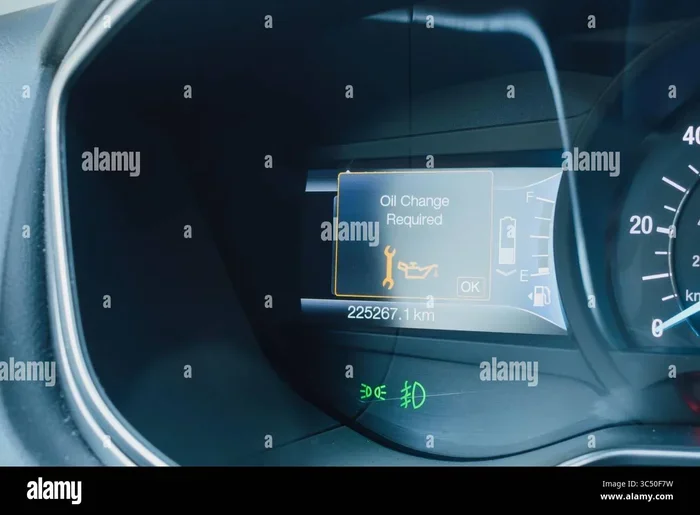
The Oil Change Indicator
Another dashboard alert related to oil is the oil change indicator. This light tells you it is time to change your oil. While it does not directly measure oil level, it tracks oil life based on driving conditions, mileage, and engine hours. Some oil life monitoring systems also consider oil quality. As the oil degrades over time, the system counts down and eventually triggers the warning.
It is worth noting that the oil change indicator is not the same as a low oil level warning. Your oil level might be perfectly fine when the oil change light comes on. But if you ignore oil changes for too long, the oil breaks down and its level can drop as well. Old oil evaporates and burns off faster than fresh oil. So keeping up with your oil change schedule helps maintain proper oil levels too.
The Oil Gauge or Dipstick-Style Indicator
Some vehicles, especially trucks and older models, use a traditional oil pressure gauge on the dashboard. Instead of a warning light, you get a needle that moves based on oil pressure. If the needle drops below the normal range, it is a clear sign that something is wrong with your oil level or oil pressure system. This type of indicator gives you a real-time reading, which some drivers prefer because it shows gradual changes rather than just an on-off warning.
In addition to gauges, many cars still rely on the classic dipstick for oil level checks. The dipstick is a simple tool that you pull out, wipe clean, reinsert, and pull out again to see the oil level. The stick has markings that show the minimum and maximum oil levels. Checking your dipstick regularly is one of the best habits any car owner can develop.
What to Do If You See a Low Oil Warning
So you are driving along, and suddenly a warning light appears on your dashboard. Your heart races. What should you do? The answer depends on the type of warning and how urgently it is telling you to stop. Here is a step-by-step guide to handle a low oil situation safely.
- Stay calm and do not panic. A warning light is your car talking to you. It is trying to help, not scare you.
- Find a safe place to pull over. Look for a parking lot, gas station, or side road. Turn on your hazard lights.
- Turn off the engine. Let the engine rest for a few minutes before checking anything.
- Open the hood and locate the dipstick. Pull it out, wipe it clean with a rag or paper towel, reinsert it fully, and pull it out again.
- Check the oil level. Look at the markings on the dipstick. If the oil is below the minimum mark, you have a problem.
- Check the oil color and condition. Fresh oil is amber or golden. Dark brown or black oil means it is old and needs changing. Milky or frothy oil could indicate a coolant leak, which is even more serious.
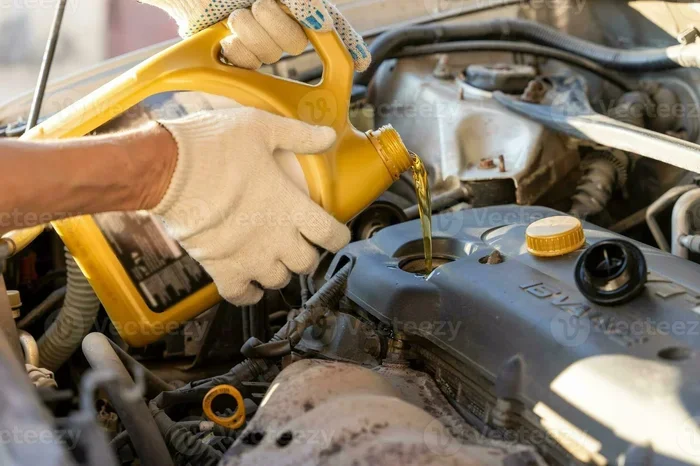
- If the oil is low, add more. Use the type of oil recommended in your owner’s manual. Pour it slowly and recheck the level.
- If the oil is fine but the light is still on, the issue might be with the oil pressure sensor or the oil pump. In this case, call a tow truck and visit a mechanic.
Remember, adding oil is only a temporary fix. It does not replace the need for a proper oil change. After you add oil and the warning light goes off, make sure you schedule an oil change soon. Think of adding oil as a band-aid, not a cure.
Common Dashboard Warning Lights for Oil Issues
Not all dashboard lights mean the same thing. In fact, oil-related warnings can look very different from one vehicle to another. Here is a quick comparison of the most common oil-related dashboard symbols.
| Warning Light / Symbol | What It Means | Severity Level | Action Required |
|---|---|---|---|
| Red oil can with drop | Oil pressure is critically low | Very High | Stop immediately, check oil, call for help if needed |
| Yellow oil can symbol | Oil level is low | Medium | Check oil level and top off within a few miles |
| Check engine light | Could be low oil pressure or other issue | Medium to High | Get diagnostic scan done soon |
| Oil change indicator | Oil life is expired, time for an oil change | Low (but should not be ignored) | Schedule an oil change within 500 miles |
| Oil level text message | Oil level is below minimum | Medium | Check dipstick and add oil if needed |
| Oil pressure gauge in red zone | Oil pressure is too low or too high | Very High | Stop driving, check oil pressure system |
As you can see from the table, the severity of each warning varies greatly. The red oil can symbol is the most urgent. It means your engine is not getting the lubrication it needs right now. The yellow oil can or text message is less urgent but still requires prompt action. Always refer to your vehicle’s owner manual to understand exactly what each symbol means for your specific car.
How to Check Your Oil Level Manually
Even if your car has a fancy oil level sensor, there is no substitute for a manual oil check. Sensors can fail. Wires can corrode. Electronics can give false readings. The old-fashioned dipstick method never lies. Here is how to do it the right way.
Step-by-Step Oil Check Guide
- Park your car on a level surface. This ensures an accurate reading. If your car is parked on a hill, the oil will pool to one side and give a false reading.
- Turn off the engine and wait 5-10 minutes. This lets the oil settle back into the oil pan. Checking oil right after driving gives a higher reading than the actual level.
- Open the hood and locate the dipstick. It usually has a brightly colored handle, often yellow or orange, so it is easy to find.
- Pull the dipstick out completely. Wipe it clean with a lint-free rag or paper towel.
- Reinsert the dipstick all the way back in. Make sure it is fully seated.
- Pull it out again and look at both sides. The dipstick has markings for minimum and maximum levels. The oil should be between these two marks.
- Check the oil color. Healthy oil is transparent amber. Black oil needs changing. Milky oil needs immediate inspection.
- Wipe the dipstick, reinsert it, and close the hood.
Quick Tips for Oil Checking
- Check your oil at least once a month.
- Always use the oil type recommended by your car manufacturer.
- Keep a spare quart of oil in your trunk, especially on long trips.
- If you find yourself needing to add oil frequently, there may be a leak. Get it inspected.
- Never overfill the oil. Too much oil can cause foaming and engine damage.
Preventing Low Oil Problems Before They Start
The best way to deal with low engine oil is to prevent it from happening in the first place. Prevention is always easier and cheaper than repair. Here are some practical steps you can take to keep your oil at the right level and your engine healthy.
Follow Your Oil Change Schedule
Every vehicle has a recommended oil change interval. For older cars, this is typically every 3,000 to 5,000 miles. Many modern vehicles can go 7,500 to 10,000 miles between changes. Check your owner’s manual for the exact recommendation. Sticking to this schedule ensures your oil stays clean and at the proper level. Old oil breaks down and burns off faster, which leads to low oil levels over time.
Monitor Your Oil Between Changes
Do not wait for your next oil change to think about your oil. Make it a habit to check the dipstick once a month. This is especially important if your car is older or has high mileage. Older engines tend to burn oil more quickly. A car that burns a quart of oil every 1,000 miles is considered normal for some engines, but you should still monitor the level closely.
Watch for Oil Leaks
Oil leaks are one of the most common causes of low oil levels. Look for dark puddles under your car when it is parked. Check underneath for any signs of oil residue. You should also inspect the oil pan gasket, valve cover gaskets, and oil filter regularly. Catching a leak early can save you from a major engine problem later.
Understand Your Oil Life Monitoring System
Many modern cars have an oil life monitoring system that tracks driving habits and conditions. This system uses algorithms to estimate when your oil needs changing. Factors like short trips, extreme temperatures, towing, and stop-and-go driving can all reduce oil life faster than normal mileage would suggest. If you drive in tough conditions, consider changing your oil more frequently than the system recommends.
Keep a Maintenance Log
Writing down when you last changed your oil and checked the level helps you stay on top of maintenance. A simple notebook or a phone app works great for this. Over time, you will start to notice patterns. Maybe your car burns a little more oil in the summer. Or maybe it uses more oil after long highway trips. Knowing these patterns helps you stay ahead of low oil situations.
Why Ignoring Low Oil Warnings Is a Big Mistake
Some drivers see a warning light and decide to just keep driving. They figure they will check the oil later. This is one of the most dangerous habits a driver can have. Low oil means your engine parts are not getting proper lubrication. Metal is grinding against metal. Friction is creating heat. Within a short time, this can lead to a seized engine, which means your car stops running completely and repairs cost thousands of dollars.
Engine damage from low oil is not always covered by warranty. If the manufacturer can determine that the damage was caused by neglecting oil maintenance, they may deny your claim. This is why understanding your dashboard warnings and acting on them quickly is so important. A few minutes of attention can save you hundreds or even thousands of dollars in repair bills.
Here are some common engine problems caused by low oil:
- Increased friction between engine parts, leading to premature wear.
- Overheating, because oil helps absorb and dissipate heat.
- Oil sludge buildup, which clogs oil passages and reduces oil flow.
- Piston ring damage, which leads to poor engine performance and blue exhaust smoke.
- Complete engine failure, requiring a full engine replacement or rebuild.
None of these outcomes are fun to deal with. But they are all entirely preventable with regular oil maintenance and prompt attention to dashboard warnings.
Expert Insights on Dashboard Oil Warnings
We spoke with certified auto mechanics about the most common mistakes drivers make when it comes to oil warnings. Here is what the experts had to say.
John Martinez, ASE Certified Master Mechanic: “I see it all the time. A driver comes in with a destroyed engine because they ignored the oil pressure light for just a few more miles. The oil pressure light is not a suggestion. It is a demand to stop. No drive is worth a new engine.”
Sarah Chen, Automotive Instructor at Technical College: “Many drivers do not realize that modern cars can go 10,000 miles or more between oil changes. They think they do not need to check the oil as often because the car has an oil life monitor. But these systems are not perfect. External factors like temperature, driving style, and engine condition all affect oil consumption. Manual checks are still essential.”
Mike Thompson, Fleet Maintenance Specialist: “For fleet vehicles, we do oil checks every single day. Even with the best oil monitoring systems, we have found sensors can fail or give inaccurate readings. A simple dipstick check takes 30 seconds and can prevent a catastrophic breakdown.”
These expert opinions reinforce the same message: do not rely solely on technology. Use it as a tool, but always back it up with your own awareness and manual checks.
Key Takeaways
- Dashboard alerts exist: Most vehicles display an oil pressure warning light or oil level indicator when oil gets low.
- Warning lights vary: Different cars use different symbols, including a red oil can icon, an oil pressure gauge drop, or a check engine light.
- Manual checks matter: Even with dashboard alerts, regularly using your oil dipstick is the best way to monitor oil level.
- Ignoring warnings is dangerous: Driving with low oil can cause severe engine damage and costly repairs.
- Prevention is simple: Routine oil changes and regular level checks keep your engine healthy.
- Older cars may not warn you: Many older vehicles lack electronic oil level sensors, so manual checks are essential.
- Act fast: If you see a low oil warning, pull over safely and check your oil immediately.
Conclusion
So, does low engine oil show on the dashboard? The answer is a clear yes. Your car has multiple ways to alert you when oil levels drop too low. From the red oil pressure warning light to the oil level sensor message to the check engine light, your dashboard works hard to keep you informed. The key is knowing what each warning means and responding quickly.
Understanding your dashboard indicators is one of the most important aspects of car ownership. It does not matter if you drive a brand-new sedan or a classic truck. Every vehicle needs proper oil maintenance to run well. By staying alert to your dashboard warnings, checking your oil regularly, and following a consistent oil change schedule, you protect your engine and your wallet.
Do not wait for a warning light to become a breakdown. Make oil checks part of your routine. Keep your owner’s manual handy and learn what each light on your dashboard means. Your car depends on you to take care of it. And when you do, it will reward you with reliable performance and a long, healthy life on the road.
Take a few minutes today. Pull out that dipstick. Check your oil level. You will be glad you did.
Frequently Asked Questions
Can I drive safely if my oil pressure light comes on?
No, you should not continue driving if the oil pressure warning light is on. This light indicates that your engine is not getting the lubrication it needs. Pull over safely, turn off the engine, and check your oil level. Continuing to drive can cause severe and irreversible engine damage within a very short distance.
How often should I check my engine oil level?
Most auto experts recommend checking your oil level at least once a month. You should also check it before any long road trip. If your car is older or has high mileage, consider checking it every two weeks. Regular checks help you catch low oil levels before they turn into serious problems.
What does a yellow oil warning light mean compared to a red one?
A yellow oil warning light typically indicates that your oil level is low but not yet at a critical stage. You should check and top off your oil soon. A red oil warning light, on the other hand, means oil pressure is dangerously low. You must stop driving immediately and address the issue to prevent engine damage.
Can a faulty oil sensor cause a false warning on the dashboard?
Yes, oil level sensors and oil pressure sensors can malfunction over time. Wiring issues, sensor wear, or corrosion can all cause false readings. If you have checked your oil manually and it is at the proper level but the warning light is still on, it is a good idea to have a mechanic inspect the sensor and electrical connections.
Does adding oil reset the low oil warning light?
In many vehicles, adding oil to the proper level will cause the warning light to turn off. However, this depends on your car’s specific system. Some vehicles require you to manually reset the oil level indicator after topping off. Check your owner’s manual for reset instructions specific to your model.
Why does my car burn oil even when the level is normal?
Some oil consumption is normal, especially in older engines or high-mileage vehicles. Common causes of oil burning include worn piston rings, leaking valve seals, and degraded engine gaskets. If you notice your oil level dropping faster than usual, have a mechanic inspect your engine for leaks or internal wear. Catching these issues early can prevent major engine problems.