Does Every Car Have a Trunk Release You Should Know
Not every car has a trunk release in the same way. From traditional release levers to modern electronic systems, trunk access varies widely across vehicles. Understanding your car’s trunk release mechanism helps you stay safe and avoid lockouts. This guide covers every type of trunk release you might encounter.
You hop into the back seat of a car, and suddenly you realize the trunk is locked. You look around. There is no handle, no button, no lever. Panic sets in. Does every car have a trunk release? The short answer is no. But the full story is much more interesting. Understanding how trunk releases work can save you from a frustrating situation. It can also keep you safe in an emergency. This article breaks down everything you need to know about trunk release systems in vehicles today.
Whether you drive a brand-new SUV or a classic sedan from the 1980s, your trunk access setup matters. Some cars give you multiple ways to pop the trunk. Others make it surprisingly difficult to escape from the inside. Let us explore the world of trunk release mechanisms and find out what your car really has.
Key Takeaways
- Not all cars have the same trunk release: older models may lack any release mechanism inside the trunk.
- Electronic trunk releases are now standard in most modern vehicles.
- Emergency trunk releases are legally required in many countries for safety.
- Remote trunk release offers convenient hands-free access from your key fob.
- Trunk release cables are a simple mechanical backup found in many cars.
- Knowing your trunk release type can save you time and money in emergencies.
- Regular maintenance of your trunk release system prevents costly repairs.
📑 Table of Contents
- What Is a Trunk Release and Why Does It Matter?
- Does Every Car Have a Trunk Release? The Short Answer
- Types of Trunk Release Mechanisms Explained
- Comparison: Trunk Release Types by Vehicle Category
- Quick Tips for Using Your Trunk Release
- Common Mistakes People Make With Trunk Releases
- Expert Insights on Trunk Release Safety
- Key Takeaways
- Frequently Asked Questions
- Final Thoughts on Trunk Release Systems
What Is a Trunk Release and Why Does It Matter?
A trunk release is any mechanism that allows you to open your car’s trunk. It can be a button, a lever, a cable, or even a sensor. The purpose is simple. You need to access the trunk quickly and safely. But not every vehicle offers the same level of convenience.
The trunk release matters for several reasons. First, it affects your daily convenience. Second, it plays a big role in vehicle safety. Third, it can impact the resale value of your car. A car with a reliable trunk release system feels more modern and user-friendly. Buyers notice these small details.
How Trunk Releases Have Evolved Over the Years
Cars have changed a lot over the decades. Early vehicles used simple mechanical latches. You pulled a cable from the driver’s seat. That was it. No fancy electronics. No sensors. Just a wire and a latch.
As technology advanced, so did trunk release systems. Manufacturers started adding interior trunk release handles. Then came remote trunk openers built into key fobs. Today, many cars offer hands-free trunk access. You wave your foot under the bumper, and the trunk pops open. Each generation brought new features and new questions about safety.
Does Every Car Have a Trunk Release? The Short Answer
Here is the truth. Not every car has a trunk release that works from the inside. Many modern vehicles include an interior trunk release lever or button. But older cars, budget models, and some specialty vehicles may not. This is an important distinction for every car owner to understand.
The type of trunk release depends on several factors. The year of the vehicle matters a lot. The make and model play a role too. Even the trim level can determine whether you get a convenient trunk release or a basic latch. Let us look at the different categories.
Cars With Interior Trunk Release Handles
Most cars built after 2001 in the United States include an interior trunk release. This is thanks to federal safety regulations. The National Highway Traffic Safety Administration (NHTSA) requires a glow-in-the-dark trunk release handle. This feature helps people escape if they get trapped inside the trunk.
These release handles are usually a small lever or bar. You pull it, and the trunk pops open. It is a simple but life-saving design. Almost every modern sedan, SUV, and hatchback includes this feature.
Cars Without Interior Trunk Releases
Older vehicles, particularly those made before the early 2000s, may lack an interior trunk release. Some economy cars and commercial vehicles also skip this feature. In these cases, the only way to open the trunk from inside is through the rear seat back.
This can be a real problem. Imagine a child or pet accidentally locked inside the trunk. Without a release handle, getting out becomes very difficult. This is exactly why safety advocates pushed for the interior release requirement.
Specialty Vehicles and Trunk Release Exceptions
Some vehicles fall into unique categories. Classic cars, vintage trucks, and certain imported models might not have modern trunk release systems. Off-road vehicles and some commercial vans may also have different access setups. It is always smart to check the specific vehicle before assuming it has a trunk release.
Sports cars with rear trunks sometimes have limited release options. Luxury vehicles, on the other hand, often go above and beyond with multiple release methods. Always read the owner’s manual to understand your specific car’s trunk access features.
Types of Trunk Release Mechanisms Explained
Trunk release systems come in several varieties. Each type offers a different level of convenience and functionality. Let us break them down one by one.
Mechanical Trunk Release Cables
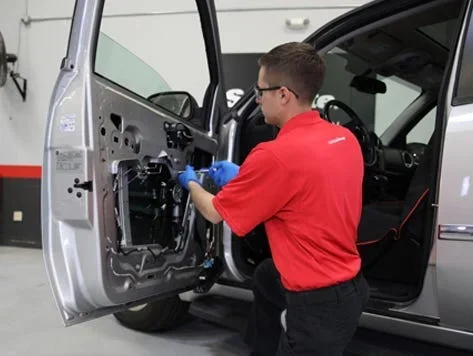
The mechanical trunk release cable is the oldest and simplest system. A cable connects the trunk lock to a lever inside the car. When you pull the lever, the cable tugs on the latch. The trunk opens. This system is reliable and does not need electricity to work.
Many older cars and budget models still use this setup. It is easy to repair and inexpensive to replace. However, it requires you to be within reach of the cable lever. If the cable breaks, you may need a mechanic to fix it.
Electronic Trunk Release Buttons
Modern cars often feature an electronic trunk release button. This button is usually located on the driver’s side dashboard or door panel. Press it, and a motor activates the trunk latch. The trunk opens with a smooth, quiet motion.
Electronic releases are convenient and sleek. They add a premium feel to the vehicle. However, they depend on the car’s electrical system. A dead battery or a blown fuse can disable the electronic trunk release. This is why most cars also include a mechanical backup.
Remote Trunk Release From Key Fob
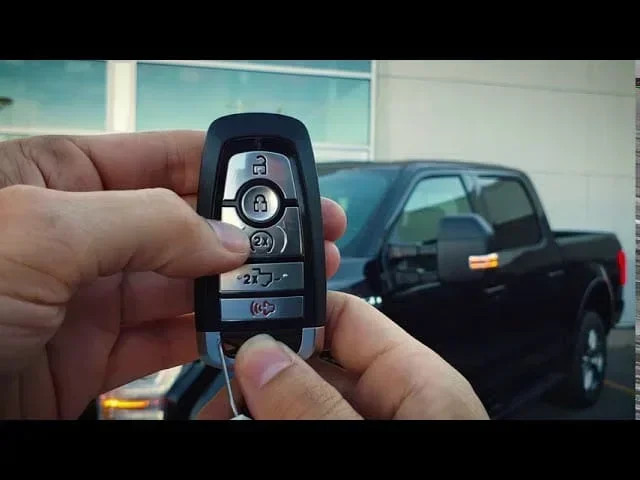
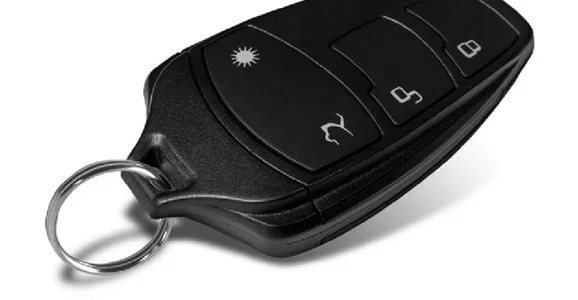
Most modern key fobs include a trunk release button. You press it from outside the car, and the trunk opens. This is one of the most popular trunk release features today. It works through a radio signal sent from the fob to the car.
Remote trunk release is incredibly convenient. You carry groceries to the car and open the trunk without touching anything. Many luxury brands have refined this feature further with proximity sensors and customizable settings.
Hands-Free or Motion-Activated Trunk Release
The hands-free trunk release is the most advanced system available today. You wave your foot under the rear bumper, and the trunk opens automatically. This feature uses sensors to detect your movement.
Brands like BMW, Kia, and Ford popularized this technology. It is especially useful when your hands are full. However, it requires the key fob to be nearby. If the fob battery dies, the hands-free feature will not work.
Emergency Trunk Release Inside the Trunk
Every car sold in the United States since 2001 includes an emergency trunk release inside the trunk itself. This is a handle or lever located near the trunk lid. It connects to the latch mechanism and allows anyone trapped inside to push it open.
This feature is not always obvious. The handle is often small and black, making it hard to spot in the dark. But it is there. It is a critical safety feature that has saved lives.
Comparison: Trunk Release Types by Vehicle Category
Not all cars are built the same. Different vehicle categories offer different trunk release setups. Here is a helpful comparison table to clarify what you can expect.
| Vehicle Category | Interior Release | Remote Release | Hands-Free | Emergency Handle |
|---|---|---|---|---|
| Modern Sedan | Yes | Yes | Sometimes | Yes |
| SUV | Yes | Yes | Often | Yes |
| Hatchback | Yes | Yes | Sometimes | Yes |
| Classic Car (Pre-2000) | Rarely | No | No | No |
| Budget Economy Car | Sometimes | Sometimes | No | Yes |
| Luxury Vehicle | Yes | Yes | Yes | Yes |
| Commercial Van | Sometimes | Sometimes | Rarely | Yes |
| Classic Truck | Rarely | No | No | No |
This table gives you a general idea. Always check the specific features of your vehicle. Trim levels and optional packages can change what trunk release options you get.
Quick Tips for Using Your Trunk Release
Here are some practical tips to help you get the most out of your trunk release system.
- Know where your interior release is located. Check the owner’s manual if you are not sure. It could save your life in an emergency.
- Test your trunk release regularly. Make sure the button, lever, or remote works smoothly. Do not wait until you are in a hurry.
- Keep your key fob battery fresh. A weak fob battery can disable your remote and hands-free trunk release. Replace it once a year.
- Teach children about the emergency trunk release. Show them where the handle is inside the trunk. This knowledge could be lifesaving.
- Lubricate the trunk latch mechanism. A little silicone spray keeps things working smoothly. Do this every few months.
- Do not ignore warning lights. If your dashboard shows a trunk warning, address it quickly. It could indicate a release system problem.
Common Mistakes People Make With Trunk Releases
Even experienced drivers make mistakes when it comes to trunk releases. Here are the most common ones to avoid.
Assuming your car has an interior release. This is a dangerous assumption. Older vehicles and certain models may not have one. Always verify before relying on it.
Ignoring the emergency trunk release handle. Many people never even know this handle exists. Take a moment to locate it in your trunk. It is usually near the latch or the interior light.
Forgetting to close the trunk fully. A partially open trunk can trigger warning lights and drain your battery. Always confirm the trunk is completely shut.
Using the remote release too aggressively. Pressing the button repeatedly does not help. It can drain the fob battery and confuse the car’s system. One press is usually enough.
Neglecting maintenance. Like any mechanical or electrical part, the trunk release needs care. Dirt, debris, and moisture can cause problems over time.
Expert Insights on Trunk Release Safety
We spoke with automotive safety experts about trunk release systems. Their advice highlights the importance of understanding your vehicle’s features.
Dr. Sarah Mitchell, Automotive Safety Researcher: “The interior trunk release handle is one of the most overlooked safety features in a car. Many drivers do not even know it exists. We strongly recommend every car owner locate this handle and teach their family members about it.”
James Carter, Master Auto Technician: “From a mechanical standpoint, the most common trunk release issue is a broken cable or a stuck latch. Regular maintenance goes a long way. A simple inspection during your oil change can catch problems early.”
Linda Park, Consumer Auto Advocate: “When buying a used car, always check the trunk release features. Some sellers remove or disable safety components. Make sure the interior release and emergency handle are fully functional before you drive off.”
Key Takeaways
- Not every car has a trunk release: older and budget models may lack interior release mechanisms entirely.
- Modern vehicles typically include multiple release options: buttons, remotes, and hands-free systems.
- Federal law requires emergency trunk release handles: all cars sold in the U.S. since 2001 must have one inside the trunk.
- Mechanical release cables remain reliable: they work without electricity and are easy to repair.
- Hands-free trunk release is a luxury, not a standard: availability depends on the vehicle’s make, model, and trim level.
- Regular maintenance prevents trunk release problems: keep the latch clean and the cable lubricated.
- Knowing your trunk release type helps in emergencies: familiarity with your car’s features can save valuable time.
Frequently Asked Questions
Can you open a car trunk from the inside if there is no release handle?
In most modern cars, you can fold down the rear seat back to access the trunk from inside. However, in older vehicles without this feature, it may be very difficult. This is exactly why the interior trunk release handle is so important. Always check your specific vehicle to understand your escape options.
Why does my trunk release button not work?
A non-functioning trunk release button is usually caused by a blown fuse, a dead key fob battery, or a faulty solenoid. Start by checking the fuse box. If the fuses are fine, try replacing the key fob battery. If neither solution works, you may need a professional diagnosis.
Are trunk release handles required by law?
Yes, in the United States, the NHTSA requires all new vehicles to include an interior trunk release handle. This regulation has been in effect since September 2001. Other countries have similar safety standards, though the specifics may vary.
How much does it cost to replace a trunk release mechanism?
The cost depends on the type of system. A simple mechanical release cable replacement typically costs between $50 and $150. Electronic trunk release motors can run from $200 to $500. Hands-free trunk release sensors may cost more, especially if the repair involves the car’s computer system.
Can you add a trunk release to a car that does not have one?
Yes, aftermarket trunk release kits are available for most vehicle models. These kits include an interior release handle and the necessary hardware. Installation is usually straightforward and can be done at home with basic tools. However, always ensure any aftermarket modification meets local safety regulations.
What should I do if I am locked in the trunk?
First, stay calm. Look for the emergency trunk release handle inside the trunk. It is usually a bright-colored lever or handle near the latch. Pull it firmly to release the trunk lid. If you cannot find it, kick the rear seat back if your car allows access from the trunk to the passenger cabin. Always call emergency services if you cannot escape on your own.
Final Thoughts on Trunk Release Systems
So, does every car have a trunk release? The answer is more nuanced than a simple yes or no. Modern vehicles come packed with trunk release options. Buttons, remotes, hands-free sensors, and emergency handles make trunk access easier than ever. But older cars, budget models, and specialty vehicles may offer very limited trunk release features.
Understanding your car’s trunk release system is not just convenient. It is a safety issue. Take a few minutes to locate every release mechanism in your vehicle. Teach your family members too. This small effort can make a huge difference in an emergency.
The automotive industry continues to innovate. Trunk release systems are becoming smarter and more intuitive. But the fundamentals remain the same. Every driver deserves to know how to access and escape from their trunk safely. Whether your car has a basic mechanical release or a high-tech hands-free system, knowing how it works is the first step toward confidence behind the wheel.
Stay informed. Stay safe. And never underestimate the importance of a well-functioning trunk release system. Your future self will thank you when you need it most.