Car Reverse Camera With Sensor Makes Parking a Breeze
A car reverse camera with sensor is one of the smartest upgrades you can make to any vehicle. It gives you a clear rear view and real-time distance alerts, making parking and reversing feel effortless. Whether you drive a sedan, SUV, or truck, this system boosts safety and confidence every time you shift into reverse. We will walk you through how these systems work, what features matter most, and how to pick the best one for your car. By the end, you will know exactly why every driver deserves this simple but powerful tool.
Every driver knows that feeling. You are backing out of a tight parking spot. You turn your head to look behind you. But the rear window frame blocks your view. A small child, a shopping cart, or a low curb could be right there. Now imagine having a clear screen on your dashboard showing exactly what is behind you. Add a sensor that beeps when you get too close. That is exactly what a car reverse camera with sensor brings to your driving experience.
These systems have become one of the most popular car accessories on the market. They are not just luxury add-ons anymore. Even budget-friendly vehicles now offer them as standard features. But what if your car does not have one built in? That is where aftermarket kits come in. You can install a backup camera with parking sensor yourself or have a shop do it. Either way, the payoff is huge. You gain confidence, safety, and peace of mind every time you put your car in reverse.
The question is not really whether you need one. The question is which reverse camera system fits your car, your budget, and your needs. This guide breaks it all down. We will cover how these systems work, what features to look for, the different types available, and tips for choosing the best one. Let us dive in.
Key Takeaways
- Better Safety: A car reverse camera with sensor helps you spot obstacles, pedestrians, and children behind your vehicle.
- Easier Parking: Visual guidance plus audible alerts make parallel and perpendicular parking much simpler.
- Multiple Types Available: You can choose from wired, wireless, and universal kits to fit any budget and vehicle.
- Key Features Matter: Look for high resolution, wide angle lens, night vision, and adjustable parking guidelines.
- Installation Is Manageable: Many DIY kits come with clear instructions, though professional help is always an option.
- Value for Money: These systems are affordable and can prevent costly damage and insurance claims.
📑 Table of Contents
- What Is a Car Reverse Camera With Sensor?
- Key Features to Look For
- Types of Reverse Camera Systems
- Benefits of Installing a Reverse Camera With Sensor
- How to Choose the Best System for Your Vehicle
- Installation Tips and Common Mistakes
- Maintenance and Care for Your Reverse Camera System
- Top Brands and What to Expect
- How Reverse Camera Technology Is Evolving
- Final Thoughts
What Is a Car Reverse Camera With Sensor?
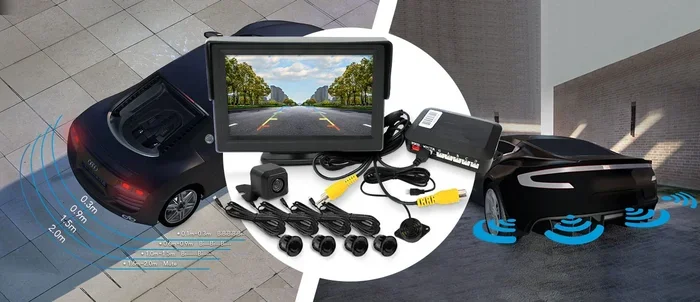
A car reverse camera with sensor is a safety system that combines two technologies. The first part is a camera mounted at the rear of your vehicle. It captures a live video feed of the area behind your car. The second part is a parking sensor. These sensors detect objects and measure the distance between your bumper and obstacles. Together, they give you both a visual and audible warning when you are reversing.
The camera feeds video to a dashboard monitor. This can be a standalone screen or your factory infotainment display. The parking sensors emit beeps that get faster as you get closer to an object. Some systems also show distance lines on the camera feed. This combination makes reverse parking far less stressful, especially in crowded spaces.
How the Camera and Sensor Work Together
When you shift into reverse, the system activates automatically. The rear camera turns on and sends a live image to your screen. At the same time, the parking sensors start scanning behind the vehicle. If an object enters the detection zone, the system triggers an alert. The closer the object, the quicker the beeping becomes. Some advanced kits also show color-coded distance indicators on the monitor. Green means safe distance, yellow means caution, and red means stop.
This teamwork between the camera and sensor is what sets these systems apart from a simple backup camera alone. The camera shows you what is back there. The sensor tells you exactly how far away it is. Together, they cover each other’s blind spots and create a much safer reversing experience.
Key Features to Look For
Not all car backup camera systems are created equal. Some are packed with features. Others keep it basic. Knowing what to look for helps you make a smart purchase. Here are the most important features to consider.
Camera Resolution and Image Quality
The camera resolution determines how clear your rear view will be. Higher resolution means sharper images, even in challenging lighting. Most quality systems offer at least 720p resolution. Premium models go up to 1080p or even 4K. A high resolution backup camera makes it much easier to see small objects like curbs, poles, and pets. When shopping, look for a camera with good low-light performance too. Nighttime reversing can be just as tricky as daytime.
Wide Angle Lens
A wide angle lens gives you a broader view behind your car. Most rear cameras come with a 120 to 170 degree field of view. The wider the angle, the more you can see. However, very wide angles can distort the image at the edges. Look for a lens that balances width with minimal distortion. A 150 degree lens is often the sweet spot for most vehicles.
Night Vision Capability
Many modern reversing cameras include night vision or enhanced low-light sensors. These use infrared technology or improved image processing to deliver a clear picture even in the dark. If you often park in dimly lit garages or drive at night, this feature is a must. It is one of the best upgrades you can make for vehicle safety.
Adjustable Parking Guidelines
Parking guidelines are the dynamic lines that appear on your camera feed. They show your vehicle’s turning path and estimated rear clearance. The best systems let you adjust these lines based on your trailer load, tire size, or steering angle. Adjustable parking guidelines make the camera feed much more accurate and useful in real-world situations.
Water Resistance and Durability
Your rear camera lives outside. It faces rain, snow, dust, and extreme temperatures. A water resistant backup camera rated IP67 or higher can handle all of this. Do not skip this spec. A camera that fails after a few months is not worth the savings. Look for durable build quality and a warranty that backs it up.
Types of Reverse Camera Systems
There are several types of reverse camera systems available. Each has its own strengths. Understanding them helps you choose the right fit for your vehicle and budget.
Wired Systems
Wired backup camera systems connect the camera to the monitor through physical cables. They offer a stable and reliable signal. There is no lag or interference. Wired systems tend to be more affordable than wireless options. The trade-off is installation. You need to route cables through your vehicle, which can take more time and effort. If you are handy with tools, a DIY wired install is very doable.
Wireless Systems
A wireless backup camera transmits the video signal from the camera to the monitor without cables. Installation is much faster and cleaner. You just mount the camera, connect the monitor to power, and pair the transmitter. Wireless systems are great for renters or anyone who wants a non-permanent setup. The main downside is potential signal interference, especially in older vehicles with lots of electronics.
Universal vs. Vehicle-Specific Kits
Universal reverse camera kits fit almost any vehicle. They come with adjustable mounting brackets and universal wiring harnesses. These are the most budget-friendly option. Vehicle-specific kits are designed to match your car’s make and model. They often integrate seamlessly with your factory screen and look more OEM. Vehicle-specific kits cost more but offer a cleaner, more polished result.
Benefits of Installing a Reverse Camera With Sensor
The benefits of adding a car reverse camera with sensor go far beyond convenience. Let us look at the real-world advantages.
Improved Safety for Pedestrians and Children
Every year, many accidents happen in driveways and parking lots. Children and pets are especially vulnerable because they are low to the ground. A backup camera with parking sensor helps you see what traditional mirrors cannot show. The audible alerts warn you even before you see an object. This extra layer of protection can save lives and prevent heartbreaking accidents.
Prevention of Costly Vehicle Damage
Backing into poles, walls, and other cars is easy to do. Even a small bump can cause expensive damage. A rear view camera with sensor helps you avoid these costly mistakes. Over time, the system can pay for itself by preventing just one repair. Scratches, dents, and bumper damage add up fast.
Easier Parallel and Perpendicular Parking
Parking in tight spaces can be stressful. With a car reverse camera with sensor, you can see exactly how much room you have. The distance beeps guide you into the spot smoothly. You do not need to guess or get out and check. Parallel parking, in particular, becomes much less intimidating with a clear camera view and real-time sensor feedback.
Better Visibility in Challenging Conditions
Rain, fog, and low light make reversing difficult. A backup camera with night vision cuts through these challenges. The wide angle lens captures more of your surroundings. The sensor compensates for limited visibility. You stay safer even when conditions are far from ideal.
How to Choose the Best System for Your Vehicle
Picking the right reverse camera system can feel overwhelming with so many options. Here is a simple way to narrow your choices.
Consider Your Vehicle Type
Sedans, SUVs, trucks, and vans all have different rear dimensions. A compact camera works well for smaller cars. Trucks and SUVs may need a camera with a wider lens to capture the full width of the rear. Measure your available mounting space before you buy. This simple step saves time and frustration during installation.
Match the Monitor to Your Needs
If your car has a factory infotainment screen, you may only need a camera and interface adapter. If not, you will need a standalone monitor. Consider screen size carefully. A larger screen is easier to see but takes up more dashboard space. Most drivers prefer a 7-inch to 10-inch monitor for clear visibility without obstruction.
Set a Realistic Budget
Car reverse camera with sensor kits range from under $50 to over $500. Budget kits offer basic functionality and decent image quality. Mid-range systems add features like night vision, adjustable guidelines, and better water resistance. Premium kits include premium lenses, advanced sensors, and seamless integration with factory screens. Set your budget first, then find the best system within that range.
Check Compatibility Before Buying
Not every kit works with every vehicle. Check compatibility lists from the manufacturer. Pay attention to the monitor input type, camera power requirements, and sensor compatibility. Reading reviews from other car owners with the same model can also save you from buying the wrong kit.
Installation Tips and Common Mistakes
Installing a car reverse camera with sensor is easier than most people think. Many kits come with detailed instructions and all the hardware you need. Still, there are a few tips and pitfalls worth knowing.
DIY Installation Steps
Start by choosing the right mounting location for the camera. It should be centered on the rear license plate or bumper for the best view. Clean the surface thoroughly before attaching the camera. Next, route the cable from the rear of the vehicle to the front. Use trim removal tools to avoid damaging your interior panels. Connect the camera wire to the monitor and the monitor to your reverse light power source. Test the system before finalizing all connections. Adjust the camera angle so it captures the full rear view.
Common Mistakes to Avoid
One of the biggest mistakes is choosing a camera with poor water resistance. Rain and car washes will damage an unprotected camera quickly. Another mistake is ignoring the sensor placement. Sensors should be centered on the bumper for the most accurate distance readings. Skipping the reverse light wiring connection means the camera will not activate automatically. And finally, do not mount the camera too high or too low. The angle matters for a useful rear view.
When to Hire a Professional
If you are not comfortable with wiring or trimming panels, hire a professional. Many auto shops and car audio stores offer installation services. The cost is usually reasonable, and it ensures a clean, reliable setup. A professional install also often comes with a warranty on the work. This is a great option if you want peace of mind.
Maintenance and Care for Your Reverse Camera System
A car reverse camera with sensor needs basic maintenance to stay reliable. Keep the camera lens clean. Dirt, mud, and snow can block the view. Wipe it gently with a soft cloth after off-road drives or heavy rain. Check the wiring connections once or twice a year. Loose wires cause flickering images or no signal at all. If your sensor stops beeping correctly, check for debris covering the sensor pads. A little regular care goes a long way in keeping your system working perfectly for years.
Top Brands and What to Expect
The market is full of backup camera brands, and quality varies widely. Some brands focus on budget-friendly options with solid basic features. Others specialize in premium systems with advanced technology. Researching brand reputation and reading real user reviews helps you avoid low-quality products. Look for brands that offer good customer support and reliable warranty coverage. A trusted brand gives you confidence that your investment is protected.
How Reverse Camera Technology Is Evolving
The world of driver assistance technology is advancing fast. Modern car reverse camera with sensor systems now include features like rear cross traffic alert and dynamic turning lines. Some premium kits even integrate with 360-degree surround view systems. These advancements make reversing safer and more intuitive every year. If you are shopping now, look for systems that offer at least HD resolution, wireless options, and smart sensor alerts. The future of reversing is bright, and these systems make it easier than ever.
Final Thoughts
A car reverse camera with sensor is one of the most practical upgrades you can make to any vehicle. It enhances safety, prevents damage, and makes parking a breeze. Whether you are a new driver or have decades of experience, the extra visibility and alerts give you confidence every time you shift into reverse. The wide range of options means there is a system for every budget and every vehicle type. Take your time, compare features, and choose the kit that best fits your needs. Your future self, and everyone around your car, will thank you.
Frequently Asked Questions
Can I install a car reverse camera with sensor myself?
Yes, most kits come with detailed instructions and all necessary hardware. If you are comfortable with basic wiring and using trim removal tools, a DIY install is very achievable. However, if you prefer not to work with wires, hiring a professional is always a smart choice.
How much does a car reverse camera with sensor system cost?
Prices range from around $30 for basic budget kits to over $500 for premium systems. Most quality systems fall in the $80 to $200 range. The price depends on features like resolution, night vision, wireless capability, and brand reputation.
Do reverse cameras with sensors work in all weather conditions?
Most quality systems are rated for all-weather use. Look for a camera with at least IP67 water resistance. This ensures the camera handles rain, snow, and high-pressure car washes without issues. Keep the lens clean for the best performance in any condition.
Can I connect a reverse camera to my factory infotainment screen?
Yes, many kits include interface adapters designed for specific vehicle models. These adapters let you display the camera feed on your existing factory screen. Check compatibility with your car make and model before purchasing.
How do parking sensors work with the reverse camera?
Parking sensors use ultrasonic or electromagnetic technology to detect objects behind your vehicle. As you get closer to an obstacle, the system emits beeps at an increasing frequency. Some systems also display distance indicators on the camera feed for a visual reference alongside the audible alerts.
What resolution should I look for in a reverse camera?
A minimum of 720p resolution is recommended for a clear rear view. 1080p cameras offer even sharper images and better detail. If you frequently drive at night, prioritize a camera with strong low-light or night vision capability for the clearest image possible.
=== CONCLUSION ===
A car reverse camera with sensor is a simple yet powerful upgrade that every driver can benefit from. It combines a clear rear view with smart distance alerts to make parking and reversing safer and more confident. From preventing costly damage to protecting pedestrians and children, the benefits are real and immediate. Whether you choose a wired or wireless system, a universal kit or a vehicle-specific setup, the right camera and sensor combo will transform how you handle your vehicle in reverse. Take the time to compare features, read reviews, and pick the system that suits your needs best. Your car, your wallet, and everyone around you will be safer for it.