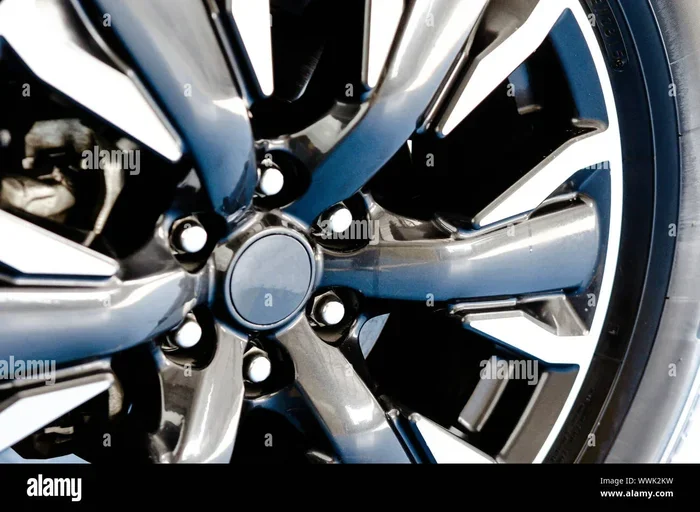
The Complete Guide to 16 Inch Alloy Wheels for Cars
16 inch alloy wheels for cars offer the perfect blend of style, performance, and affordability. This guide covers everything you need to know, from fitment and types to installation and maintenance. Whether you are upgrading or replacing, you will find clear answers and practical tips to make the right choice for your vehicle.
Upgrading your wheels is one of the easiest ways to transform how your car looks and drives. Among all the options out there, alloy wheels for car 16 inch setups hit a sweet spot. They are light enough to boost performance yet sturdy enough for daily driving. Whether you drive a sedan, SUV, or hatchback, the right set of 16 inch alloys can make a real difference.
In this guide, we will walk you through everything you need to know. You will learn about the different types of alloy wheels, how to pick the right size, and what to watch out for during installation. We also share maintenance tips and brand recommendations. By the end, you will feel confident choosing the best 16 inch alloy wheels for your car.
The beauty of car alloy wheels in this size is their versatility. Almost every popular vehicle on the road supports a 16 inch fitment. From economy cars to sporty coupes, these wheels deliver a great balance of aesthetics and function. Let us dive in and explore what makes them so popular.
Key Takeaways
- 16 inch alloy wheels improve handling: lighter weight means better acceleration, braking, and fuel economy.
- Multiple types exist: cast, forged, and flow-formed alloys each suit different budgets and driving styles.
- Fitment matters most: always check bolt pattern, offset, and center bore before buying.
- Maintenance is simple: regular cleaning and protective coatings keep your wheels looking new.
- Price ranges vary widely: you can find quality 16 inch sets from budget-friendly to premium options.
- Top brands offer reliability: brands like Enkei, BBS, and OZ Racing deliver proven performance.
📑 Table of Contents
Why Choose 16 Inch Alloy Wheels?
Alloy wheels are made from a mix of aluminum and other metals. This gives them advantages over traditional steel wheels. A 16 inch alloy wheel set can change the entire feel of your driving experience.
Weight Savings and Performance
Aluminum alloys are significantly lighter than steel. Lighter wheels mean less rotational mass for your car to move. This translates into quicker acceleration and shorter stopping distances. Your engine does not have to work as hard, which can improve fuel economy too.
For everyday drivers, the difference might feel subtle. But for enthusiasts, those fractions of a second matter. Better handling is another big win. Lighter wheels respond faster to steering inputs. You will feel more confident taking corners and navigating tight spaces.
Aesthetics and Style
Let us be honest. One of the biggest reasons people upgrade wheels is how they look. 16 inch alloy rims come in countless designs. You can find sleek, modern spoke patterns or aggressive multi-piece looks. The clean finish of polished or machined alloys adds a premium feel to any car.
Steel wheels often look bulky and plain. Alloy wheels, on the other hand, showcase brake calipers and suspension components beautifully. This opens up more design possibilities and gives your car a personalized touch.
Heat Dissipation
Alloy wheels conduct heat better than steel. This helps dissipate brake heat more effectively. In stop-and-go traffic or during spirited driving, this can prevent brake fade. Better heat management also extends the life of your tires and brake components.
Types of 16 Inch Alloy Wheels
Not all alloy wheels are created equal. The manufacturing process affects weight, strength, and price. Understanding these differences helps you make a smart purchase.
Cast Alloy Wheels
Cast alloys are the most common type on the market. Molten aluminum is poured into a mold and cooled. This process keeps production costs low, making cast wheels the most affordable option.
Most 16 inch alloy wheels for cars you see on showroom floors are cast. They offer a good balance of strength and weight. For daily driving and moderate use, cast alloys work perfectly fine. They come in a wide range of finishes and designs.
Forged Alloy Wheels
Forged wheels are made under extreme pressure and heat. This compresses the aluminum into a dense, strong structure. The result is a wheel that is both lighter and stronger than cast alternatives.
Forged alloys are ideal for performance cars and track use. They can handle higher loads and impacts better. However, the manufacturing process makes them significantly more expensive. If you want the best lightweight alloy wheels for your car, forged is the way to go.
Flow-Formed Alloy Wheels
Flow-formed wheels combine elements of both casting and forging. The wheel is cast first, then spun under high pressure to strengthen the barrel. This creates a rim area that is denser and more durable than a standard cast wheel.
Flow-formed alloys offer a great middle ground. They are lighter than cast wheels and stronger, yet more affordable than forged options. Many wheel brands now offer flow-formed 16 inch sets as their premium line for daily drivers.
How to Choose the Right 16 Inch Alloy Wheels
Picking the right wheels involves more than just picking a design. Several technical factors determine proper fitment and performance.
Bolt Pattern and Center Bore
Every car has a specific bolt pattern, measured in millimeters. This is the distance between the lug bolts on your hub. Common patterns include 5×114.3 and 5×100. You must match this exactly.
The center bore is the hole in the middle of the wheel. It must fit snugly over your car’s hub. If the bore is too large, you will need hub-centric rings. Using the correct wheel bolt pattern ensures safety and proper vibration-free driving.
Wheel Offset and Width
Offset refers to how far the wheel sits in relation to the suspension. A positive offset pushes the wheel inward. A negative offset pushes it outward toward the fender.
Wheel width affects tire choice and overall look. For a 16 inch setup, widths typically range from 6.5 inches to 8.5 inches. Always check your car’s specifications before buying. The right wheel offset and width prevent rubbing and ensure safe clearance.
Load Rating and Tire Fitment
Every wheel has a load rating that indicates how much weight it can support. This is especially important for heavier vehicles like SUVs and trucks. Check your vehicle’s manual for the minimum load rating required.
Tire fitment is equally important. Your new alloy rims must pair with the correct tire size. A 16 inch wheel typically fits tires with a diameter of 16 inches. Make sure the tire width matches the wheel width for optimal contact patch and handling.
Finish and Coating
Alloy wheels come in various finishes. Chrome, polished, painted, and machined are the most common options. Each has different maintenance requirements and durability levels.
Painted finishes offer the most protection against road grime and corrosion. Machined and polished finishes look stunning but require more upkeep. Consider your driving conditions when choosing a finish. If you face harsh winters or salty roads, a durable painted coat is your best bet.
Installation and Maintenance Tips
Getting the most out of your 16 inch alloy wheels depends on proper installation and regular care. Here is what you need to know.
Professional Installation
Always have your wheels installed by a qualified technician. They will use a torque wrench to tighten lug nuts to the correct specification. Over-tightening or under-tightening can be dangerous.
A professional shop will also check your wheel fitment before driving off. They verify the offset, clearance, and tire pressure. This simple step prevents costly mistakes and ensures safe driving from day one.
Regular Cleaning
Alloy wheels collect brake dust, road grime, and dirt quickly. Clean them at least once a week with a mild wheel cleaner and a soft brush. Avoid harsh chemicals that can damage the finish.
After cleaning, apply a protective sealant or wax. This creates a barrier against road salt, UV rays, and brake dust. Regular maintenance keeps your alloy wheel cleaning routine simple and your wheels looking brand new for years.
Inspection and Care
Inspect your wheels regularly for cracks, curb damage, or corrosion. Even small damage can compromise structural integrity. If you notice any bends or warping, have them checked immediately.
Rotate your tires every 5,000 to 7,000 miles. This promotes even wear and extends the life of both your tires and wheels. Proper care also maintains the wheel durability you paid for.
Popular Brands and Budget Options
The market for 16 inch alloy wheels for cars is vast. Here are some trusted brands that offer quality at different price points.
Budget-Friendly Options
Brands like Enkei and Konig offer reliable cast alloy wheels at affordable prices. These are perfect for daily drivers who want a clean upgrade without breaking the bank. Enkei is especially popular for its lightweight designs and Japanese engineering quality.
Mid-Range Choices
OZ Racing and Fuel Wheels provide a great mix of style and performance. OZ Racing is a well-known Italian brand with motorsport heritage. Their 16 inch offerings balance lightweight construction with aggressive styling. Fuel Wheels bring bold designs that stand out on the road.
Premium Selections
BBS and Rotiform lead the premium segment. BBS is a legendary name in motorsport and high-end aftermarket wheels. Their forged 16 inch sets deliver top-tier performance and craftsmanship. Rotiform offers unique multi-piece designs for those who want a truly custom look.
| Brand | Type | Price Range | Best For |
|---|---|---|---|
| Enkei | Cast | $80 – $150 per wheel | Budget daily drivers |
| OZ Racing | Cast/Flow | $150 – $300 per wheel | Style and performance |
| BBS | Forged | $300 – $800 per wheel | Premium performance |
| Fuel Wheels | Cast | $100 – $200 per wheel | Bold aesthetics |
| Rotiform | Multi-piece | $400 – $1200 per wheel | Custom builds |
Common Mistakes to Avoid
Buying new wheels can be exciting, but mistakes happen. Here are common pitfalls to watch out for.
- Ignoring fitment specs: Always verify bolt pattern, offset, and center bore before ordering.
- Choosing the wrong width: Too wide or too narrow affects handling and tire wear.
- Skipping hub-centric rings: If your wheel bore is larger than your hub, use rings to center the wheel properly.
- Over-tightening lug nuts: This can warp brake rotors and damage wheel studs. Always use a torque wrench.
- Neglecting TPMS: Make sure your tire pressure monitoring sensors are compatible with your new wheels.
- Buying based on looks alone: Style matters, but load rating and construction quality matter more for safety.
Expert Insights on 16 Inch Alloy Wheels
Automotive experts agree that 16 inch wheels remain one of the most practical upgrades available. According to wheel engineers, the 16 inch size offers the best strength-to-weight ratio for most passenger vehicles. Going smaller than 16 inches can compromise tire sidewall and ride comfort. Going larger adds unsprung weight that hurts fuel economy and handling.
Experienced mechanics also emphasize the importance of proper torque. Lug nuts should be tightened in a star pattern to ensure even pressure distribution. This prevents warping and ensures the wheel seats correctly on the hub. A simple wheel torque routine after the first 50 miles of driving can prevent many issues down the road.
When it comes to materials, experts recommend flow-formed alloys for most daily drivers. They offer the best balance of weight, strength, and cost. Forged wheels are worth the investment for high-performance applications where every pound matters. Cast alloys remain the go-to choice for budget-conscious buyers who still want the benefits of aluminum construction.
Key Takeaways
- 16 inch alloy wheels improve handling: lighter weight means better acceleration, braking, and fuel economy.
- Multiple types exist: cast, forged, and flow-formed alloys each suit different budgets and driving styles.
- Fitment matters most: always check bolt pattern, offset, and center bore before buying.
- Maintenance is simple: regular cleaning and protective coatings keep your wheels looking new.
- Price ranges vary widely: you can find quality 16 inch sets from budget-friendly to premium options.
- Top brands offer reliability: brands like Enkei, BBS, and OZ Racing deliver proven performance.
- Avoid common mistakes: proper fitment, torque, and inspection keep your wheels safe and looking great.
Conclusion
16 inch alloy wheels for cars are a smart investment for anyone looking to enhance their vehicle. They deliver real benefits in performance, style, and durability. From lighter weight and better heat dissipation to countless design options, the advantages are clear.
Choosing the right set comes down to understanding your needs. Consider your driving style, budget, and vehicle specifications. Take the time to research fitment specs and reputable brands. With the right alloy wheels for car 16 inch setup, you will enjoy a better driving experience every time you hit the road.
Start your search today. Explore different brands, compare designs, and find the perfect set of 16 inch alloy wheels for your car. A simple upgrade like this can transform how your vehicle looks, feels, and performs. Your car deserves the best, and so do you.
Frequently Asked Questions
What vehicles accept 16 inch alloy wheels?
Most sedans, SUVs, hatchbacks, and coupes support a 16 inch fitment. Popular models from Toyota, Honda, Ford, Chevrolet, and Volkswagen commonly use this size. Always check your owner’s manual or the sticker inside your driver door for the exact specifications.
Are 16 inch alloy wheels good for daily driving?
Yes, they are excellent for daily driving. The 16 inch size offers a comfortable ride with good tire sidewall height. Alloy materials provide durability and heat resistance, making them ideal for everyday use in all weather conditions.
How much do 16 inch alloy wheels cost?
Prices range from around $80 to $1200 per wheel depending on the brand, material, and construction method. Cast alloys are the most affordable, while forged and multi-piece designs cost more. A full set of four typically ranges from $320 to $4800.
Can I put 16 inch alloy wheels on a car that originally had 15 inch wheels?
Yes, in most cases you can. However, you must ensure the new wheels match your car’s bolt pattern, offset, and center bore. You may also need to adjust tire sizes to maintain accurate speedometer readings and proper clearance.
How often should I clean my alloy wheels?
Clean your alloy wheels at least once a week. Brake dust builds up quickly and can damage the finish if left too long. After cleaning, apply a protective coating to maintain the shine and prevent corrosion.
What is the difference between alloy wheels and alloy wheels for car 16 inch setups?
There is no functional difference. “Alloy wheels for car 16 inch” simply specifies the wheel diameter. Alloy wheels can come in many sizes, but 16 inches is one of the most popular and versatile options for passenger vehicles.