What Happens If the Key Fob Dies While Driving on the Road
If your key fob dies while driving, you might worry, but most modern cars keep running. You can still steer, brake, and shift gears normally. This guide explains exactly what happens and how to restart safely.
What happens if the key fob dies while driving? It is a situation that can catch anyone off guard. You are cruising down the highway, and suddenly the dashboard lights up with a warning. The key fob battery has died, and you wonder if the car will stop. The good news is that your vehicle does not shut off right away. Most modern cars with push button start keep the engine running. You can still steer, brake, and shift gears without any problem. This article breaks down exactly what happens, what to do, and how to prevent it from happening again.
Understanding your car key fob system takes the fear out of a dead battery. Whether you drive a Toyota, Honda, Ford, or a luxury brand, the basic principles are the same. The key fob sends a low-frequency signal to the car. When that signal disappears, the car immobilizer may light up, but the engine continues to run on the fuel already supplied. You have time to find a safe spot. This guide gives you the steps to restart the car, replace the battery, and stay safe on the road.
Key Takeaways
- Your car will not shut off instantly: The engine keeps running even with a dead key fob in most push-button start vehicles.
- You can still drive to safety: Steering, braking, and shifting remain fully functional, so you are not stranded immediately.
- A dead key fob battery is the most common cause: It happens gradually, giving you warning signs like a flashing dashboard light.
- You can often restart the car with a spare key fob or a mechanical key: Knowing the steps prevents panic.
- Replacing the battery is a simple DIY fix: Most key fobs use a common CR2032 coin cell battery that costs a few dollars.
- Keeping a spare key fob in your glovebox is a smart habit: It saves you from being locked out or stranded.
📑 Table of Contents
What Happens If the Key Fob Dies While Driving?
When the key fob battery dies, the car does not immediately die with it. The remote keyless entry system stops working, but the engine keeps running. The car’s computer continues to recognize the last valid signal it received. This is a safety feature designed to prevent you from losing power in the middle of traffic.
Immediate Effects on the Vehicle
The first thing you might notice is a warning light on the dashboard. It often looks like a key symbol or says “Key Not Detected.” The car security system may beep or flash. However, the engine, power steering, and brakes all continue to work normally. You can still accelerate, turn, and stop the vehicle. The car will not stall because the fuel injection system does not rely on the fob once the engine is running.
Can You Still Drive to a Safe Spot?
Yes, you absolutely can. You should not panic or slam on the brakes. Simply reduce your speed and look for a safe place to pull over. A parking lot, a side street, or a rest area works well. Once you stop, you can address the issue without blocking traffic. The key fob not working situation is not an emergency that requires a tow truck right away.
Why Do Key Fobs Die?
Key fob batteries do not last forever. They slowly lose power over time, and sometimes they die at the worst moment. Understanding the causes helps you prepare and avoid surprises.
Common Causes of Key Fob Failure
- Battery age: Most key fob batteries last two to four years. If you have not replaced yours in a while, it is likely getting weak.
- Cold weather: Low temperatures drain batteries faster. In winter, a fob that worked fine in summer may die unexpectedly.
- Moisture or water damage: If the fob gets wet, the internal circuitry can corrode, causing intermittent or complete failure.
- Physical damage: Dropping the fob or sitting on it can break the internal battery connection or the circuit board.
- Signal interference: Sometimes the fob is fine, but a nearby electronic device blocks the signal. This mimics a dead battery.
Key Fob Battery Types and Lifespans
Most cars use a standard CR2032 coin cell battery. Some models use CR2025 or SR2032. The table below compares the most common types.
| Battery Type | Typical Lifespan | Common In |
|---|---|---|
| CR2032 | 2–4 years | Toyota, Honda, Ford, Chevy |
| CR2025 | 2–3 years | Some European models |
| SR2032 | 3–5 years | Certain luxury brands |
| CR2450 | 3–4 years | Larger fobs with more features |
Replacing a key fob battery is one of the easiest maintenance tasks you can do. You do not need a mechanic. A flathead screwdriver and a new battery from any store will get the job done in under five minutes.
What to Do If Your Key Fob Dies on the Road
If you find yourself with a dead key fob while driving, stay calm. Follow these steps to get back on the road safely.
Step-by-Step Restart
- Pull over safely: Turn on your hazard lights and find a wide shoulder or parking lot.
- Check for a spare fob: Many drivers keep a second key fob in the glovebox or center console. Try starting the car with that one.
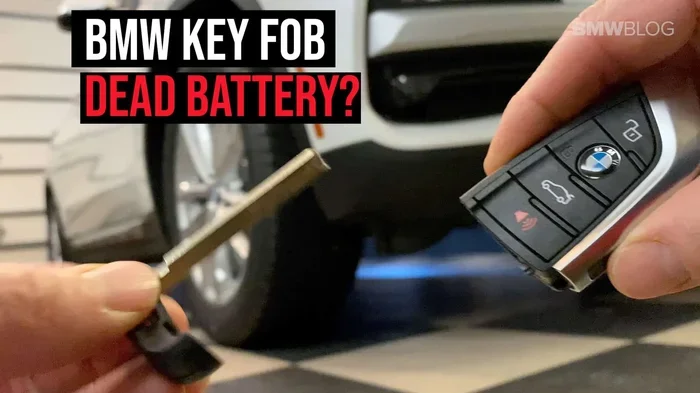
- Use the mechanical key: Most key fobs have a hidden mechanical key blade. Press the release button on the fob, pull out the metal key, and locate the keyhole on the steering column or door. Insert it and turn to start the car.
- Hold the fob against the start button: Some cars allow you to place the dead fob directly on the push-button start. The car may read the residual signal and start. This works even if the battery is completely dead.
- Consult your owner’s manual: Every vehicle has a specific procedure. The manual will tell you exactly where to place the fob or how to use the backup start method.
Pulling Over Safely
Safety comes first. Do not stop in the middle of a busy lane. Signal early, move to the right shoulder, and engage your parking brake. If you are on a highway, exit at the next opportunity. Once stopped, turn off the engine and wait a moment. The car will not turn off on its own, so you have full control.
Can You Replace the Key Fob Battery While Driving?
You can, but it is not necessary while the car is moving. The engine will keep running with a dead fob battery. However, if you have a spare fob with a fresh battery, you can swap them at a red light or in a parking lot. The car will recognize the new fob immediately.
DIY Battery Swap
Replacing the battery is a simple task. Open the fob with a small flathead screwdriver or a coin. Remove the old battery, note the orientation (+ and –), and insert the new one. Close the fob and press any button to test the signal. The car should start normally the next time you sit in the driver’s seat.
When to Call for Help
If you do not have a spare fob, the mechanical key is missing, or you cannot locate the keyhole, call roadside assistance. A car locksmith can help you start the car or provide a new fob on the spot. It is always better to ask for help than to risk unsafe actions on the road.
Preventing Key Fob Failure
A little preparation goes a long way. You can avoid the stress of a dead key fob with a few simple habits.
Battery Replacement Tips
- Replace the battery every two years: Even if the fob still works, a fresh battery prevents unexpected failure.
- Keep spare batteries in your car: Store a spare CR2032 in the glovebox. It weighs nothing and takes up no space.
- Use high-quality batteries: Name-brand batteries like Energizer or Duracell last longer and perform more reliably.
Keep a Spare Key Fob
Always have a second key fob. Place it in a different location, such as your home, office, or a bag you carry daily. If one fob dies, the other saves you from a costly locksmith call. Some dealerships can program a spare fob for a reasonable fee.
Smart Habits for Key Fob Care
- Avoid extreme temperatures: Do not leave the fob in direct sunlight or in a freezing car overnight.
- Keep it dry: If the fob gets wet, remove the battery and let it dry completely before reassembling.
- Do not press the buttons unnecessarily: Constant pressing drains the battery faster. Only use the remote when needed.
Common Misconceptions About Dead Key Fobs
Several myths surround what happens when a key fob dies. Clearing them up helps you respond correctly.
Myth: The Car Will Stall Immediately
This is false. The engine continues to run on the fuel already injected. The car does not cut off power to the steering or brakes. You can drive safely to a stop.
Myth: You Need a New Key Fob
A dead battery does not mean a new fob. In 99% of cases, swapping the coin cell battery solves the problem. Only if the fob is physically damaged or water-damaged do you need a replacement.
Myth: Push-Button Start Cars Will Not Start at All
Even with a dead fob, many push-button start cars have a backup method. Placing the fob against the start button or using the mechanical key will start the engine. The car’s immobilizer system is designed for redundancy.
Conclusion
Knowing what happens if the key fob dies while driving gives you confidence. Your car will not stop on you, and you have several ways to restart it. The most important thing is to stay calm, pull over safely, and follow the steps in this guide. Replace the key fob battery regularly, keep a spare fob, and you will rarely face this issue. A little preparation turns a potential panic moment into a simple, quick fix.
Frequently Asked Questions
Can I drive my car if the key fob battery is completely dead?
Yes, you can. The engine will keep running, and you can steer, brake, and shift normally. You just need to restart the car using a spare fob or the mechanical key when you stop.
How do I start my car with a dead key fob?
First, try the spare fob. If that is not available, use the hidden mechanical key blade to turn the ignition. Some models let you place the dead fob directly on the push-button start to read its residual signal.
What type of battery does my key fob use?
Most key fobs use a CR2032 coin cell battery. Check your owner’s manual or look at the old battery inside the fob to confirm the exact type.
How often should I replace my key fob battery?
Every two to four years is a good rule. If you notice the range of your remote getting shorter, it is time to swap in a fresh battery.
Will a dead key fob trigger the car alarm?
It might. Some vehicles beep or flash the lights when they do not detect the fob. This is a warning, not an alarm that sounds continuously. The car will not lock you out.
Can a locksmith replace my key fob battery for free?
Many locksmiths will replace a battery for free or a small fee. If you do not want to do it yourself, calling a local locksmith is a quick and easy option.