Can I Drive With a Maintenance Required Light On Toyota
Yes, you can drive with a maintenance required light on Toyota, but you should not ignore it for long. This light is a gentle reminder that your vehicle is due for routine service, not an emergency warning. Understanding what it means helps you stay safe and keep your Toyota running smoothly.
You are cruising down the road, and suddenly a little wrench icon lights up on your dashboard. Your heart skips a beat. Is something broken? Can you keep driving? This is a moment almost every Toyota owner has experienced. The good news is that the maintenance required light is not a sign of a broken engine. It is simply your car asking for a little attention. In this guide, we will walk you through everything you need to know about driving with this light on, what it means, and how to handle it like a pro.
Toyota vehicles are built to last, but they still need regular care. The maintenance required light is part of Toyota’s smart reminder system. It tracks your driving habits and mileage to let you know when it is time for an oil change or other routine service. Whether you drive a Camry, RAV4, Corolla, or any other Toyota model, understanding this light will save you time, money, and stress. Let us dive into the details.
Key Takeaways
- The maintenance required light is a service reminder, not a critical warning signal.
- You can safely drive short distances with the light on, but schedule service soon.
- Resetting the light is simple and can be done in minutes using your dashboard controls.
- Ignoring the light for too long may lead to reduced engine performance or higher repair costs.
- The light triggers based on mileage or time intervals, depending on your Toyota model.
- Regular maintenance keeps your Toyota reliable and helps maintain its resale value.
📑 Table of Contents
- What Does the Maintenance Required Light Mean on a Toyota?
- Can I Keep Driving When the Light Is On?
- What Happens If You Ignore the Maintenance Required Light?
- How to Reset the Maintenance Required Light on a Toyota
- Maintenance Required Light vs. Check Engine Light
- How Often Does Toyota Require Maintenance?
- Can You Turn Off the Maintenance Required Light Without Service?
- Final Thoughts
What Does the Maintenance Required Light Mean on a Toyota?
The maintenance required light is one of the most misunderstood dashboard indicators. Many drivers confuse it with the check engine light or other critical warnings. But this light serves a completely different purpose. It is a service interval reminder designed by Toyota to prompt you to take your vehicle in for scheduled maintenance.
When the light turns on, it usually means your car has reached a set mileage threshold. Most Toyotas trigger this light every 5,000 miles or every six months, whichever comes first. Some newer models use an oil life monitoring system that adjusts the reminder based on driving conditions. The system tracks engine revolutions, temperature, and driving patterns to calculate the ideal service window.
The light itself typically shows a small wrench icon on the instrument cluster. It is not flashing — it simply stays solid. This steady glow means your car is healthy but due for a checkup. Think of it like a calendar reminder on your phone. It is there to keep you on track, not to scare you.
How Toyota’s Maintenance Reminder System Works
Toyota uses a sophisticated maintenance reminder system in most of its vehicles. This system is built into the onboard computer and tracks your driving data. Here is how it generally works:
- Mileage tracking: The system counts miles from the last reset and lights up when you hit the preset interval.
- Oil life monitoring: Some models use algorithms to assess oil quality based on driving habits and engine conditions.
- Time-based reminders: Even if you drive very few miles, the system may trigger the light after a set period.
- Custom intervals: Certain driving conditions like towing, extreme heat, or stop-and-go traffic may shorten the service interval.
The system is designed to be helpful, not alarming. It gives you enough time to plan your service visit without feeling rushed. Still, it is important not to ignore it for too long, as overdue maintenance can affect your vehicle’s performance over time.
Can I Keep Driving When the Light Is On?
The short answer is yes. You can drive your Toyota with the maintenance required light on. Unlike a red warning light or a flashing check engine light, this yellow or orange wrench icon does not indicate an immediate mechanical failure. Your car will continue to run normally. The engine, transmission, brakes, and other critical systems will function as expected.
However, “you can” does not mean “you should ignore it.” The maintenance required light is your first cue to take action. Here is a practical way to think about it:
- Short drives: If you need to run a quick errand or commute to work, you are perfectly fine.
- Long road trips: It is best to address the light before heading out on a long journey.
- Daily driving: You can continue your normal routine, but book a service appointment within the next week or two.
The key is to treat this light as a friendly nudge rather than an emergency. The longer you wait, the more you risk missing important maintenance that keeps your Toyota in top shape.
When Should You Worry?
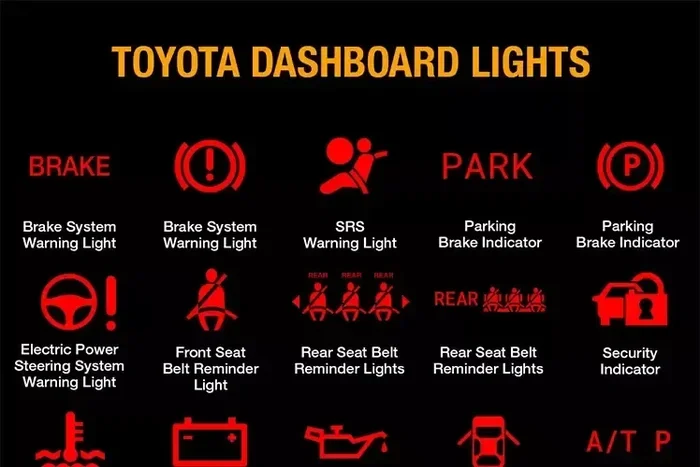
There is a big difference between the maintenance required light and other dashboard warnings. You should pay close attention if any of the following lights also appear:
- Check engine light: This signals a potential issue with the engine or emissions system.
- Oil pressure warning: A red oil can icon means low oil pressure, which can cause serious engine damage.
- Temperature warning: A red thermometer symbol means your engine is overheating.
- Battery warning: This indicates a charging system problem.
If the maintenance required light is the only one on, you are generally safe to keep driving. But if any of the above lights come on alongside it, pull over safely and seek assistance right away. Knowing the difference between these lights is one of the most important skills every driver should have.
What Happens If You Ignore the Maintenance Required Light?
It is tempting to just dismiss the light and forget about it. After all, the car still drives fine. But ignoring this reminder can lead to a chain of small problems that add up over time. Here is what could happen if you keep putting off maintenance:
- Dirty or degraded oil: Old oil loses its lubricating properties, which increases engine wear and reduces fuel efficiency.
- Clogged filters: A dirty air filter or oil filter restricts airflow and contaminant removal, affecting engine performance.
- Missed inspections: Regular service includes tire checks, brake inspections, and fluid top-offs that prevent bigger issues.
- Higher repair costs: Small problems caught early are cheap to fix. Ignored issues grow into expensive repairs.
- Reduced resale value: A well-maintained Toyota holds its value much better than one with a neglected service history.
The maintenance required light is designed to keep you on a regular service schedule. Toyota engineers set these intervals based on extensive testing and real-world driving data. Sticking to the recommended maintenance schedule is one of the easiest ways to protect your investment.
Common Problems Caused by Delayed Maintenance
Let us look at some real-world examples of what can go wrong when maintenance is delayed:
- Engine sludge buildup: Over time, old oil breaks down and forms sludge that can clog oil passages and harm engine components.
- Reduced fuel economy: Fresh oil and clean filters help your engine run efficiently. Neglected maintenance can drop your miles per gallon.
- Worn brake pads: Regular service includes brake inspections. Missing these checks can lead to dangerously thin brake pads.
- Tire uneven wear: During maintenance, tire pressure and alignment are checked. Skipping these checks leads to premature tire wear.
The bottom line is simple. The maintenance required light is there for a reason. Responding to it promptly keeps your Toyota reliable, safe, and efficient.
How to Reset the Maintenance Required Light on a Toyota
Once you have completed your service, the next step is to reset the maintenance required light. This tells the onboard computer that the service has been done and the system is ready to track the next interval. The process is straightforward, though it varies slightly depending on your Toyota model and year.
Here is a general guide that works for most Toyota vehicles:
- Turn the ignition to the “ON” position. Do not start the engine. Just press the start button once or turn the key to the accessory position.
- Press the odometer or trip meter button. Use the steering wheel controls or the button near the instrument cluster to cycle through the display options until you see the total mileage.
- Turn the ignition to the “OFF” position. Then turn it back to “ON” while holding the trip meter reset button.
- Hold the button until the light flashes or the number resets. This usually takes about 10 seconds.
- Release the button and start the engine. The maintenance required light should now be off.
If these steps do not work for your specific model, consult your Toyota owner’s manual. Many newer Toyotas also allow you to reset the light through the steering wheel menu on the digital display. The process is similar to setting a clock or adjusting your trip computer.
Quick Tips for Resetting the Light
- Make sure the vehicle is stationary before starting the reset process.
- Do not reset the light before service is actually done. This defeats the purpose of the reminder system.
- Keep a maintenance log in your glove box to track service dates and mileage manually.
- If the light comes back on immediately, double-check that you followed the correct reset procedure for your model.
Resetting the light is a small but satisfying step. It gives you a sense of accomplishment and ensures the system is ready to remind you at the right time next round.
Maintenance Required Light vs. Check Engine Light
It is easy to mix up the maintenance required light with the check engine light, but they serve very different purposes. Understanding the difference can save you a lot of unnecessary worry.
The maintenance required light is a scheduled service reminder. It tells you it is time for an oil change, tire rotation, fluid check, or other routine maintenance. It is not an indicator of a malfunction.
The check engine light, on the other hand, is a diagnostic warning. It signals that the onboard diagnostics system (OBD-II) has detected a problem with the engine, emissions system, or another critical component. When this light comes on, it is wise to get your vehicle scanned for trouble codes as soon as possible.
Here is a quick comparison to help you tell them apart:
| Feature | Maintenance Required Light | Check Engine Light |
|---|---|---|
| Icon | Wrench symbol | Engine outline |
| Color | Yellow or orange | Yellow or red |
| Urgency | Low to moderate | Moderate to high |
| Meaning | Service due | Possible system fault |
| Can you drive? | Yes, short-term | Yes, but get it checked soon |
| Action needed | Schedule routine service | Scan for codes and diagnose |
Knowing the difference between these two lights gives you confidence every time you get behind the wheel. If you are ever unsure, a quick visit to a Toyota service center or auto parts store can clear up any doubts with a diagnostic scan.
How Often Does Toyota Require Maintenance?
Toyota recommends a regular maintenance schedule to keep your vehicle running at its best. The exact interval depends on your driving conditions and the model you own. Here is a general breakdown of what to expect:
- Every 5,000 miles or 6 months: Oil change, oil filter replacement, and basic inspection.
- Every 15,000 miles: Air filter replacement, cabin filter check, and brake inspection.
- Every 30,000 miles: Transmission fluid flush, spark plug replacement (if applicable), and coolant check.
- Every 60,000 miles: Major service including drive belt inspection, timing belt check (if applicable), and thorough fluid changes.
These intervals are guidelines. Your actual maintenance needs may vary based on how and where you drive. For example, if you frequently drive in stop-and-go traffic, tow heavy loads, or deal with extreme temperatures, you may need service more often. The maintenance reminder system accounts for some of these factors, but it is always good to stay aware of your driving conditions.
Maintenance Tips for Different Toyota Models
Different Toyota models have slightly different maintenance needs. Here are a few quick tips:
- Toyota Camry: Known for reliability, but regular oil changes are essential to keep the engine running smoothly for hundreds of thousands of miles.
- Toyota RAV4: Check the all-wheel-drive fluid levels and air filters more frequently if you drive on rough roads or in dusty conditions.
- Toyota Corolla: This compact is low-maintenance, but do not skip tire rotations and brake inspections.
- Toyota Tacoma: If you use your truck for towing or hauling, check the transmission and engine fluids more often than the standard schedule.
Staying on top of maintenance not only keeps your Toyota running strong but also gives you peace of mind every time you hit the road.
Can You Turn Off the Maintenance Required Light Without Service?
Technically, yes, you can reset the light without actually performing any service. But this is not a good idea. The light exists to remind you that your vehicle needs attention. Turning it off without completing the necessary maintenance simply silences the reminder and lets your service interval slip further behind.
Some drivers reset the light after every oil change at home or at a quick-lube shop. This is fine as long as the service is actually performed. But if you reset the light just to make it go away, you are setting yourself up for potential problems down the road.
Think of it this way. The maintenance required light is like a smoke detector. You can silence the alarm, but if there is a fire, ignoring it will only make things worse. The same logic applies to your vehicle’s service reminders.
Always complete the recommended service before resetting the light. If you are unsure what service is due, a Toyota dealer or trusted mechanic can quickly check your vehicle and let you know exactly what needs attention.
Is It Safe to Drive Long Distances With the Light On?
For short trips around town, the maintenance required light is not a safety concern. But if you are planning a long road trip, it is better to address it beforehand. Long drives put extra stress on your engine, transmission, and other systems. Having fresh oil, clean filters, and properly inflated tires makes a big difference in both performance and safety.
A quick visit to a service center before a long trip can also catch any small issues before they become big problems on the highway. It is a small investment of time that can save you from a costly breakdown far from home.
Final Thoughts
The maintenance required light on your Toyota is a helpful tool, not a cause for panic. It reminds you to stay on top of routine maintenance, which is the foundation of vehicle ownership. You can drive safely with the light on for a reasonable amount of time, but do not let it linger for weeks or months without action.
Respond to the light by scheduling a service appointment, completing the recommended maintenance, and resetting the light. This simple routine keeps your Toyota running at its best and helps you avoid costly repairs down the road. Whether you drive a brand-new model or a trusted older Toyota, staying on top of the maintenance schedule is one of the smartest things you can do for your vehicle.
Remember, your Toyota was built to last, but it needs your help to do so. Pay attention to the maintenance required light, keep up with service, and enjoy many more miles of reliable driving ahead.
Frequently Asked Questions
How long can I drive with the maintenance required light on in my Toyota?
You can drive safely for several hundred miles with the maintenance required light on. The light is a service reminder, not a critical warning. However, it is best to schedule maintenance within a week or two to keep your vehicle in optimal condition and avoid any potential issues from delayed service.
Will the maintenance required light affect my Toyota’s performance?
No, the light itself does not affect performance. It is simply a reminder that service is due. However, if you ignore the light for a very long time and skip essential maintenance like oil changes, your vehicle’s performance may gradually decline over time.
Can I reset the maintenance required light myself?
Yes, you can reset the light yourself using the controls on your dashboard or steering wheel. The process is quick and easy for most Toyota models. Just make sure you have completed the necessary service before resetting it so the reminder system starts tracking the next interval accurately.
What is the difference between the maintenance required light and the check engine light?
The maintenance required light is a service schedule reminder, while the check engine light indicates a possible mechanical or electrical issue. The maintenance light shows a wrench icon and is low urgency, whereas the check engine light shows an engine icon and may require diagnostic testing to identify the problem.
Does the maintenance required light mean my oil is low?
Not necessarily. The maintenance required light is tied to your mileage or time-based service interval, not to your oil level. If your oil is low, you would typically see a separate oil pressure warning light. However, an oil change is usually part of the maintenance that the light is reminding you about.
What should I do if the maintenance required light stays on after a service?
If the light remains on after your service, the reset may not have been completed properly. Try resetting it again following the steps in your owner’s manual. If it still does not go off, visit a Toyota service center or qualified mechanic to check the system and ensure everything is functioning correctly.