Are Toyota Lug Nuts Metric Everything You Need To Know
Yes, Toyota lug nuts are metric, and understanding their size, thread pitch, and torque specs is essential for safe wheel changes. Whether you own a Camry, RAV4, or Tacoma, knowing the right Toyota lug nuts metric details saves time, money, and hassle. This guide covers every Toyota model, aftermarket compatibility, and common mistakes to avoid.
If you have ever stood in an auto parts store staring at rows of lug nuts, you know how confusing it can get. The question “Are Toyota lug nuts metric” comes up more often than you might think. And the answer is simple: yes, they are.
But knowing that Toyota uses metric lug nuts is just the beginning. There are specific sizes, thread pitches, torque requirements, and compatibility factors you need to understand. Whether you are changing a flat tire on the side of the road or upgrading to aftermarket wheels, getting the right Toyota lug nuts metric details matters a lot.
In this guide, we will walk through everything you need to know about Toyota lug nuts. We will cover sizes by model, torque specs, common mistakes, aftermarket compatibility, and much more. By the end, you will feel confident picking the right lug nuts for any Toyota vehicle.
Key Takeaways
- Toyota uses metric lug nuts: All Toyota models use metric-threaded lug nuts, not SAE.
- Lug nut sizes vary by model: Common sizes include 12mm x 1.5 and 14mm x 1.5 thread pitch.
- Torque specs matter: Over- or under-torquing can damage wheels or cause safety issues.
- Aftermarket wheels need compatibility checks: Not all aftermarket lug nuts fit Toyota hubs.
- Socket size is critical: Using the wrong socket can strip lug nuts quickly.
- Toyota OEM parts are reliable: Sticking with OEM lug nuts ensures proper fit and safety.
📑 Table of Contents
- Why Toyota Lug Nuts Are Metric
- Toyota Lug Nut Sizes by Model
- Toyota Lug Nut Torque Specifications
- Aftermarket Lug Nuts for Toyota: What You Need to Know
- Toyota OEM Lug Nuts vs Aftermarket Options
- Common Mistakes When Choosing Toyota Lug Nuts
- Quick Tips for Toyota Lug Nut Maintenance
- Expert Insights on Toyota Lug Nuts
- Frequently Asked Questions About Toyota Lug Nuts
- Conclusion
Why Toyota Lug Nuts Are Metric
Most Toyota vehicles use metric-threaded lug nuts. This is standard across the automotive industry for Japanese manufacturers. The metric system uses millimeters to measure thread diameter and pitch. This differs from SAE (Society of Automotive Engineers) fasteners, which use inches.
Toyota has used metric fasteners since the company adopted the metric system for all its vehicles. This includes everything from small bolts to large Toyota wheel lug nuts. The metric system offers precise measurements and consistent tolerances. For Toyota owners, this means parts are standardized across most models.
Metric vs SAE: What Is the Difference?
The main difference between metric and SAE fasteners is the measurement system. Metric fasteners use millimeters, while SAE uses fractions of inches. Here is a simple comparison:
- Metric: Measured in millimeters. Thread diameter and pitch are both in mm. Example: 12mm x 1.5.
- SAE: Measured in inches. Thread diameter is a fraction of an inch. Example: 1/2 inch.
Using the wrong system can cause serious problems. A SAE socket on a metric lug nut will not fit properly. It can slip and strip the nut. Always double-check whether your vehicle uses metric or SAE before purchasing any fasteners.
How to Identify Metric Lug Nuts
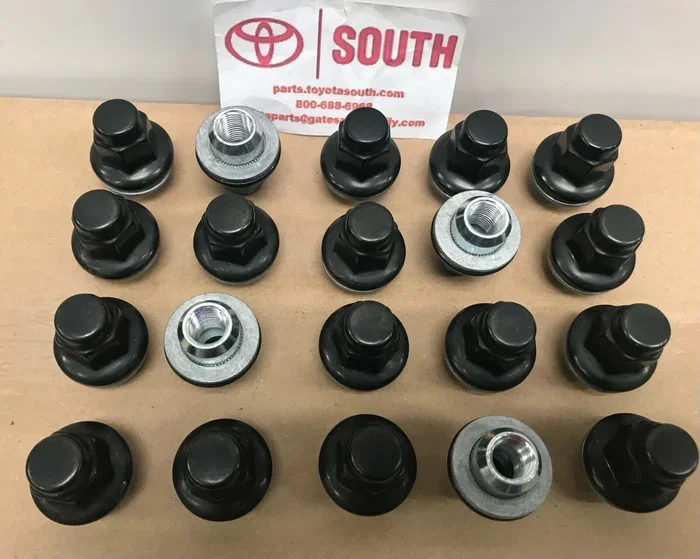
Identifying metric lug nuts is straightforward. Look for markings on the nut itself. Many metric nuts have “M” followed by the diameter and pitch. For example, “M12 x 1.5” means a 12-millimeter diameter with a 1.5-millimeter thread pitch.
You can also measure the nut with a metric ruler or caliper. Measure the outer diameter of the threaded portion. Then count the threads per centimeter to determine the pitch. If you are unsure, bring the old nut to an auto parts store. Staff can match it quickly.
Toyota Lug Nut Sizes by Model
Not all Toyota models use the same lug nut size. The Toyota lug nuts metric dimensions vary depending on the vehicle model and year. Here is a breakdown of the most common sizes you will encounter.
Corolla Lug Nut Specs
The Toyota Corolla is one of the best-selling cars in the world. Most Corolla models use 12mm x 1.5 lug nuts. This applies to both older and newer generations. The socket size needed is typically 17mm or 19mm, depending on the nut style.
Corolla owners should also check the lug nut seat type. Most Toyota Corollas use a conical (tapered) seat. This helps center the wheel on the hub during tightening. Always verify the seat type before buying replacement nuts.
Camry Lug Nut Specs
The Toyota Camry is a midsize sedan that shares many specs with the Corolla. Most Camry models also use 12mm x 1.5 metric lug nuts. However, some newer trims and hybrid models may use slightly different specifications.
For Camry owners upgrading to larger wheels or alloy rims, always verify the lug nut size. Aftermarket wheels sometimes require different seat types or extended thread lengths. Checking before you buy prevents costly returns.
RAV4 Lug Nut Specs
The Toyota RAV4 is a compact SUV with different wheel requirements than sedans. Most RAV4 models use 14mm x 1.5 metric lug nuts. The larger diameter provides extra strength for the heavier SUV chassis.
RAV4 owners who tow trailers or carry heavy loads should pay extra attention to torque specs. The added weight puts more stress on lug nuts and wheel studs. Following the recommended torque ensures safe and secure wheel attachment.
Tacoma Lug Nut Specs
The Toyota Tacoma is a popular pickup truck. Tacoma models typically use 14mm x 1.5 metric lug nuts as well. Some older Tacoma models may use different sizes, so always check your owner’s manual.
Tacoma owners who lift their trucks or install larger tires need to be especially careful. Aftermarket wheels must match the correct bolt pattern and lug nut specs. A mismatch can lead to vibration, uneven wear, or dangerous wheel detachment.
Toyota Lug Nut Torque Specifications
Getting the right Toyota lug nuts metric size is only half the battle. You also need to apply the correct torque. Torque is the twisting force applied to tighten the lug nut. Too little torque and the wheel can come loose. Too much torque and you risk stripping threads or warping brake rotors.
Standard Torque Specs for Toyota Models
Toyota provides specific torque values for each model. These numbers are listed in your owner’s manual. Here are the general torque ranges for common Toyota models:
- Corolla: 76 to 81 lb-ft (103 to 110 Nm)
- Camry: 76 to 81 lb-ft (103 to 110 Nm)
- RAV4: 80 to 94 lb-ft (108 to 127 Nm)
- Tacoma: 80 to 94 lb-ft (108 to 127 Nm)
- Highlander: 80 to 94 lb-ft (108 to 127 Nm)
Always use a calibrated torque wrench when tightening lug nuts. Do not rely on a manual impact wrench or your gut feeling. A torque wrench takes seconds to use and prevents costly damage.
The Star Pattern Method
When tightening lug nuts, always follow the star pattern. This means tightening nuts in a sequence that spreads force evenly across the wheel hub. For a five-lug pattern, tighten in a star shape. For a four-lug pattern, tighten in a cross shape.
Never tighten lug nuts in a circular sequence going around the wheel. This can warp the brake rotor and cause uneven pad wear. The star pattern ensures uniform pressure on all lug nuts simultaneously.
Common Torque Mistakes
Many DIY mechanics make torque mistakes that can cause serious problems. Here are the most common ones to avoid:
- Overtightening: This strips threads, warps rotors, and can crack wheel studs.
- Undertightening: Loose lug nuts can cause the wheel to wobble or come off entirely.
- Using an impact wrench without a torque wrench: Impact wrenches do not measure torque accurately.
- Applying grease to lug nut threads: This can alter the friction and lead to incorrect torque readings.
Aftermarket Lug Nuts for Toyota: What You Need to Know
Many Toyota owners upgrade their wheels with aftermarket rims. Aftermarket wheels can look great and improve performance. But they also require compatible lug nuts. Not all aftermarket lug nuts fit Toyota vehicles correctly.
Thread Compatibility
Before buying aftermarket lug nuts, check the thread size and pitch. Most Toyota models use 12mm x 1.5 or 14mm x 1.5 metric threads. If you buy aftermarket lug nuts with the wrong thread pitch, they will not screw in properly. This can damage the wheel hub or cause the wheel to become unsafe.
Always match the aftermarket lug nut thread to your Toyota’s factory specifications. When in doubt, consult a Toyota dealership or a trusted mechanic. They can confirm the exact specs for your specific model and year.
Seat Type Compatibility
Lug nut seat type is another critical factor. The seat is the part of the nut that contacts the wheel. Toyota vehicles typically use one of three seat types:
- Conical (Tapered) Seat: The most common type for Toyota. The nut angles inward to center the wheel.
- Flat Seat: Sits flush against the wheel surface. Common on some alloy wheel setups.
- Ball Seat (Spherical): Rounded contact surface. Found on certain aftermarket wheel designs.
Mismatching the seat type can cause the wheel to sit unevenly. This leads to vibration while driving and uneven tire wear. Always verify the seat type matches both your Toyota and your aftermarket wheels.
Open-End vs Closed-End Lug Nuts
Aftermarket lug nuts come in two main styles: open-end and closed-end. Open-end nuts have an open top that allows easy threading. Closed-end nuts have a capped top that protects the threads from debris and moisture.
For daily driving, closed-end lug nuts offer better protection. They keep dirt and water out of the thread, which extends the nut’s lifespan. For show cars or vehicles that get frequent wheel changes, open-end nuts are more convenient.
Toyota OEM Lug Nuts vs Aftermarket Options
When replacing lug nuts, you have two main choices: OEM (Original Equipment Manufacturer) or aftermarket. Both have pros and cons. Understanding the differences helps you make the best decision for your Toyota.
Benefits of OEM Toyota Lug Nuts
OEM lug nuts are made by Toyota or their approved suppliers. They meet exact factory specifications for thread size, pitch, strength, and seat type. Here are the main benefits:
- Perfect fit: OEM nuts are guaranteed to match your Toyota’s wheel studs and hubs.
- Quality materials: Toyota uses high-grade steel or alloy for durability and corrosion resistance.
- Safety assurance: OEM parts undergo rigorous testing for load-bearing capacity.
- Warranty protection: Using OEM parts helps maintain your vehicle’s warranty coverage.
When Aftermarket Lug Nuts Make Sense
Aftermarket lug nuts can be a great option in certain situations. They offer more style choices, including different colors, finishes, and designs. Some aftermarket brands offer specialty nuts with extra security features like locking mechanisms.
However, aftermarket lug nuts require careful vetting. Not all brands meet the same quality standards as OEM parts. Look for reputable aftermarket brands that specify compatibility with Toyota vehicles. Read reviews and check certifications before purchasing.
Comparison Table: OEM vs Aftermarket
| Feature | OEM Lug Nuts | Aftermarket Lug Nuts |
|---|---|---|
| Fit and compatibility | Guaranteed exact match | Varies by brand and model |
| Material quality | High-grade steel or alloy | Varies widely |
| Price | Moderate to high | Low to moderate |
| Style options | Limited | Wide variety |
| Durability | Excellent | Depends on brand |
| Warranty coverage | Full support | Limited or none |
| Security features | Standard | Often includes locking options |
Common Mistakes When Choosing Toyota Lug Nuts
Even experienced car owners make mistakes when selecting lug nuts. Avoiding these common errors keeps your Toyota safe and your wheels secure.
Mistake 1: Guessing the Size
Never guess the lug nut size for your Toyota. Every model has specific dimensions. Guessing can lead to buying the wrong nuts, which is a waste of money and potentially dangerous. Always refer to your owner’s manual or check the existing nuts on your vehicle.
Mistake 2: Ignoring Thread Pitch
Thread pitch is just as important as the diameter. A 12mm nut with the wrong pitch will not thread correctly. It can cross-thread and damage the wheel stud. Always confirm both the diameter and pitch before purchasing.
Mistake 3: Skipping the Torque Wrench
Many people skip using a torque wrench because it feels like an extra step. This is one of the most dangerous mistakes you can make. Unevenly tightened lug nuts can cause wheels to loosen over time. A torque wrench takes two minutes to use and could save your life.
Mistake 4: Mixing Lug Nut Types
Never mix different types of lug nuts on the same wheel. For example, do not use conical-seat nuts on some studs and flat-seat nuts on others. Mixing seat types creates uneven clamping force, which can cause the wheel to vibrate or come loose.
Mistake 5: Using Damaged or Worn Lug Nuts
Inspect your lug nuts regularly. Look for signs of stripping, corrosion, or deformation. Damaged lug nuts should be replaced immediately. Driving with worn lug nuts increases the risk of wheel detachment, especially at highway speeds.
Quick Tips for Toyota Lug Nut Maintenance
Proper maintenance of your Toyota lug nuts metric set extends their lifespan and keeps your wheels safe. Here are some quick tips:
- Clean threads regularly: Remove dirt and debris from lug nut threads with a wire brush.
- Apply anti-seize compound sparingly: A thin layer on the threads prevents corrosion. Do not over-apply, as it can affect torque readings.
- Replace lug nuts when changing tires: If your lug nuts are old or worn, replace them with new OEM-spec nuts when installing new tires.
- Check torque every 5,000 miles: Re-torque your lug nuts at regular intervals to ensure they remain tight.
- Store spare lug nuts properly: Keep a spare set in your trunk in a sealed bag to prevent corrosion.
- Use the right socket: Always use the correct size socket for your lug nuts. A too-large or too-small socket can damage the nut.
Expert Insights on Toyota Lug Nuts
Professional mechanics and Toyota specialists emphasize the importance of using the correct lug nuts. According to certified Toyota technicians, the most common issue they see is incorrect aftermarket lug nut installation. Owners often buy generic nuts without checking compatibility.
“The thread pitch and seat type are the two things most people overlook,” says a veteran Toyota mechanic with over 15 years of experience. “A nut that looks right but has the wrong pitch can cause serious wheel damage. Always verify before you install.”
Another expert tip from seasoned professionals is to re-torque wheels after the first 50 to 100 miles of driving. New wheels and tires can settle slightly, which may loosen lug nuts. A quick re-torque check ensures everything stays secure from day one.
Frequently Asked Questions About Toyota Lug Nuts
Are all Toyota lug nuts metric?
Yes, all Toyota vehicles use metric-threaded lug nuts. Toyota has never used SAE (inch-based) fasteners on their production vehicles. The specific size and pitch vary by model, but they are always metric. Check your owner’s manual for the exact specifications of your Toyota model.
What socket size do I need for Toyota lug nuts?
The socket size depends on your Toyota model. Most Toyota vehicles use a 17mm or 19mm socket for lug nuts. Some models may require a different size. Always check your owner’s manual or measure the existing nut before purchasing a socket. Using the correct socket prevents rounding and stripping.
Can I use aftermarket lug nuts on my Toyota?
Yes, you can use aftermarket lug nuts on your Toyota, but you must ensure compatibility. Match the thread size, pitch, seat type, and socket size to your factory specifications. Incompatible aftermarket nuts can cause wheel damage or safety hazards. Stick with reputable brands that explicitly list Toyota compatibility.
How often should I re-torque my Toyota lug nuts?
It is recommended to re-torque your lug nuts after the first 50 to 100 miles of driving with new wheels or tires. After that, check the torque every 5,000 to 6,000 miles. Regular re-torque checks prevent loose lug nuts and ensure safe driving conditions at all times.
What happens if I use the wrong torque on Toyota lug nuts?
Over-torquing can strip threads, warp brake rotors, and crack wheel studs. Under-torquing can cause the wheel to loosen or detach while driving. Both situations are dangerous. Always use a torque wrench and follow the specifications in your Toyota owner’s manual for the correct torque values.
Do Toyota locking lug nuts fit all models?
No, Toyota locking lug nuts do not fit all models. Locking lug nuts use a unique key pattern that varies by model and year. Some Toyota models come with factory-installed locking lug nuts, while others do not. If you want locking nuts, make sure to purchase the correct set for your specific Toyota model.
Conclusion
The answer to “Are Toyota lug nuts metric” is a clear and definitive yes. Every Toyota vehicle uses metric-threaded lug nuts, and understanding the specific sizes, thread pitches, and torque specifications for your model is essential for safe driving. Whether you drive a Corolla, Camry, RAV4, Tacoma, or any other Toyota, getting the right Toyota lug nuts metric details ensures your wheels stay secure and your driving experience remains smooth.
Remember to always use a torque wrench, follow the star pattern when tightening, and verify compatibility before purchasing aftermarket parts. Regular maintenance and proper installation go a long way in keeping your Toyota safe on the road. Take the time to learn your vehicle’s specific specs, and you will save money, avoid headaches, and most importantly, keep yourself and others safe.
Now that you have all the information you need, you can confidently handle any lug nut situation that comes your way. Keep this guide handy for future reference, and never hesitate to double-check your specs before a tire change or wheel upgrade.