Are Toyota 4Runners AWD Everything You Need To Know
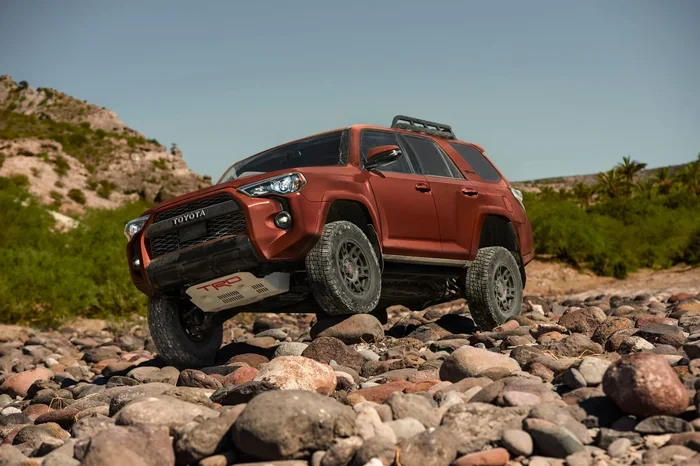
The Toyota 4Runner is a legendary SUV known for its rugged capability. Are Toyota 4Runners AWD? The answer is that most models come with part-time 4WD systems, not traditional AWD. However, certain trims and years offered full-time all-wheel drive options. This guide breaks down every drivetrain configuration, helping you understand what you own or what to look for when buying.
The Toyota 4Runner has been a favorite SUV for decades. People love its tough looks and off-road ability. But many buyers ask one key question: Are Toyota 4Runners AWD? The short answer is that most 4Runners use part-time four-wheel drive, not traditional all-wheel drive. However, the story is a bit more detailed. Different model years and trims offer different drivetrain setups. Some older models even came with full-time AWD. Understanding what you have or what to look for is important. This guide will walk you through everything you need to know about the Toyota 4Runner AWD and 4WD systems.
Whether you are shopping for a used 4Runner or just curious about your current vehicle, this article covers it all. We will break down the different systems, explain how to check your drivetrain, and share tips for off-road driving. By the end, you will know exactly what kind of power goes to the wheels. Let us dive in.
Key Takeaways
- Most 4Runners use part-time 4WD: The standard system is part-time four-wheel drive, not all-wheel drive.
- Full-time AWD exists in some models: Certain older trims and special editions came with full-time AWD.
- Check your badge or VIN: You can easily identify your drivetrain by looking at the rear badge or decoding the VIN.
- TRD Pro and Off-Road trims add advanced features: Crawl control, multi-terrain select, and electronic locking differentials enhance off-road ability.
- Maintenance matters: Regular transfer case and differential fluid changes keep your system running smoothly.
- Fuel economy varies: Part-time 4WD can improve gas mileage on highways compared to full-time AWD.
- Know your system before off-roading: Understanding high lock, low range, and center diffs prevents damage and boosts confidence.
📑 Table of Contents
Understanding AWD vs 4WD in Toyota 4Runners
Before we answer the main question, let us clear up the terms. Many people use AWD and 4WD interchangeably. But they are not the same. All-wheel drive sends power to all four wheels at all times. The system can vary the torque split between front and rear. Four-wheel drive typically lets you choose when to engage all four wheels. You can run on two wheels for better fuel economy and switch to four when needed.
The Toyota 4Runner uses a part-time four-wheel drive system in most cases. This means you can drive on two wheels for normal driving. Then you lock the hubs or shift a lever to engage 4WD for off-road trails. Some models, especially older ones, offered full-time AWD. That system always sends some power to all four wheels. It uses a center differential to allow the front and rear axles to spin at different speeds. This is great for wet roads but can hurt fuel economy.
Knowing which system your 4Runner has helps you drive safely. It also affects maintenance needs. A part-time 4WD system requires you to engage it properly. A full-time AWD system works more like a standard car drivetrain. Both systems have their strengths.
What Does AWD Stand For?
AWD stands for all-wheel drive. In a true AWD system, power flows to all four wheels continuously. The vehicle’s computer or mechanical center differential splits torque between the front and rear axles. This allows each axle to spin at different speeds. That is crucial when turning on pavement. Without a center diff, the drivetrain would bind and cause wear.
Some AWD systems are on-demand. They send most power to two wheels and only send power to the other axle when slippage occurs. The Toyota 4Runner did not use an on-demand AWD in recent years. Older models from the 1980s and 1990s sometimes had full-time AWD with a viscous coupling center diff. This was a clever setup that felt like AWD but was part-time in nature.
What Does 4WD Mean?
4WD means four-wheel drive. It usually refers to a part-time system. You have a two-wheel drive mode for highway driving. Then you can shift into 4WD high for slippery roads or 4WD low for serious off-road crawling. The Toyota 4Runner part-time 4WD system uses a transfer case. The transfer case connects the transmission to both the front and rear driveshafts. When you are in 2WD, the transfer case disconnects the front shaft. When you engage 4WD, it locks the front and rear shafts together.
This part-time design is great for fuel economy. It also reduces wear on the drivetrain when you are on dry pavement. You do not want to be in 4WD on dry pavement because it can cause binding. The system is simple and rugged. It has been proven for decades in the 4Runner.
Why the Distinction Matters for the 4Runner
The distinction matters because it affects how you drive and maintain your 4Runner. If you have a part-time 4WD system, you must remember to shift into 4WD before you hit a slippery surface. If you try to shift on the fly in some models, you can damage the transfer case. The Toyota 4Runner introduced a shift-on-fly system in some years, but many older models require you to stop and shift.
Full-time AWD systems are more convenient. You just drive and the system handles everything. But they add weight and complexity. They also tend to use more fuel. The Toyota 4Runner AWD versions that existed were often heavier and less efficient. Knowing which you have helps you make smart driving choices.
Are All Toyota 4Runners AWD?
The simple answer is no. Are Toyota 4Runners AWD? Most are not. The vast majority of 4Runner models come with a part-time four-wheel drive system. This is the standard 4WD setup. It has been the hallmark of the 4Runner since its introduction in 1984. The vehicle is built as a rugged off-roader. A part-time 4WD system gives it the strength and simplicity needed for that role.
However, there are exceptions. Some older 4Runner models offered a full-time AWD option. These were mostly found in the first and second generations. The 1984 to 1989 4Runner had an AWD version in certain markets. The 1990 to 1995 second generation also offered an AWD variant. These systems used a center differential to allow full-time AWD operation. They were not the same as the modern part-time 4WD system.
In recent years, Toyota has stuck with part-time 4WD for the 4Runner. There is no current model that comes standard with AWD. Some special editions or trims might have different features, but the core drivetrain remains part-time 4WD. So if you see a Toyota 4Runner AWD badge, it is likely from an older model or a market-specific variant.
Trim Levels and Drivetrain Options
Today, the Toyota 4Runner comes in several trims. The base SR5 and TRD Off-Road trims use the part-time 4WD system. The TRD Pro trim also uses the same 4WD setup but adds off-road enhancements. There is no AWD trim available in the current lineup. All models come with 4WD as standard. You do not need to upgrade to get four-wheel drive. This is a big selling point for the 4Runner.
In the past, some trims came with AWD as standard. For example, the 4Runner SR5 AWD was common in the 1990s. But that was a different era. Today, the term AWD is more associated with crossovers and car-based SUVs. The 4Runner remains a body-on-frame SUV with a proper part-time 4WD system. This makes it more capable off-road than most AWD crossover SUVs.
Drivetrain Options Across Generations
Not all 4Runner models are the same. The drivetrain has evolved over the years. Here is a quick look at the main options.
| Generation | Years | Standard Drivetrain | AWD Option? |
|---|---|---|---|
| 1st Gen | 1984–1989 | Part-time 4WD | Yes, full-time AWD in some markets |
| 2nd Gen | 1990–1995 | Part-time 4WD | Yes, full-time AWD available |
| 3rd Gen | 1996–2002 | Part-time 4WD | No, only 4WD |
| 4th Gen | 2003–2009 | Part-time 4WD | No |
| 5th Gen | 2010–Present | Part-time 4WD | No |
As you can see, AWD was only available in the earliest generations. All modern 4Runners use part-time 4WD. This table helps you quickly identify what your model might have.
The Different Drivetrain Systems You’ll Find
Even though most 4Runners are part-time 4WD, there are variations within that system. Understanding these helps you get the most out of your vehicle. The Toyota 4Runner AWD question often leads to a deeper look at how the transfer case, differentials, and electronic aids work together.
Part-Time 4WD with Shift-On-Fly
The standard 4Runner uses a part-time four-wheel drive system. In normal driving, the vehicle runs on the rear wheels only. This is 2WD mode. It gives you the best fuel economy and less drivetrain wear. When you need more traction, you can shift into 4WD high. This sends power to all four wheels.
Many newer 4Runners feature a shift-on-fly system. This means you can engage 4WD without stopping. You simply move the transfer case shift lever or push a button. The system then locks the front and rear driveshafts together. You can do this at speeds up to about 60 mph. Always check your owner’s manual for the exact speed limit. Shifting at higher speeds can damage the transfer case.
Older 4Runner models required you to stop and manually lock the front hubs. You would get out and turn the hub locks by hand. This was a bit of a hassle but very rugged. Modern systems are much more convenient. They use automatic locking hubs or a electronic actuator to engage the front shaft.
4WD Low Range for Serious Off-Roading
The part-time 4WD system also includes a 4WD low range. This is for extreme off-road situations. When you shift into 4WD low, the transfer case provides a gear reduction. This multiplies torque and slows the vehicle down. You can crawl over rocks, steep inclines, and deep mud.
You should only use 4WD low at very low speeds, usually under 10 mph. Never use it on dry pavement. The locked drivetrain can cause severe damage. The Toyota 4Runner AWD systems that existed in older models did not have a low range in the same way. They were full-time AWD and relied on the center differential for traction. The low range is a key feature of the part-time 4WD system.
The Transfer Case: The Heart of the System
The transfer case is the component that makes 4WD possible. It sits behind the transmission and splits power to the front and rear driveshafts. In 2WD mode, the transfer case only sends power to the rear shaft. In 4WD high, it locks both shafts together. In 4WD low, it adds an extra set of gears to reduce speed and increase torque.
The Toyota 4Runner uses a robust transfer case. In most models, it is a chain-driven unit. The chain is strong and quiet. Some older models used gear-driven transfer cases. Both are durable if properly maintained. The transfer case needs regular fluid changes. Dirty fluid can lead to premature wear. This is one of the most important maintenance items for your 4Runner.
Quick Tips for Your 4Runner Transfer Case
- Check transfer case fluid every 30,000 miles.
- Use only the factory-recommended fluid type.
- Listen for whining noises when shifting; it could indicate low fluid.
- Never leave the vehicle in 4WD on dry pavement for long periods.
- If you have a manual locking hub system, engage the hubs before shifting into 4WD.
How to Tell If Your 4Runner Is AWD or 4WD
Maybe you bought a used 4Runner and are not sure what you have. Or you are looking at listings online. Either way, it is easy to figure out. There are a few simple ways to tell if your vehicle has AWD or part-time 4WD.
Checking the Badges and VIN
The easiest way is to look at the rear badge. Many 4Runner models have a badge that says 4WD or AWD. If you see 4WD, you have part-time four-wheel drive. If you see AWD, it is likely an older full-time system. However, some badges can be misleading or replaced. A more reliable method is to check the VIN.
The Vehicle Identification Number contains codes for the drivetrain. You can use a free VIN decoder online. Enter your VIN and look for the drivetrain or body type code. For Toyota 4Runner models, the code will indicate whether it is 4WD or AWD. This is especially useful for first and second generation models.
Using the Multi-Terrain Select System
If your 4Runner is a newer model, it likely has the Multi-Terrain Select system. This is an electronic system that adjusts traction control and throttle response for different surfaces. The presence of this system does not mean you have AWD. It simply means your part-time 4WD has electronic aids. You will see buttons for Mud, Sand, Rock, and other modes. These modes help the 4WD system work better off-road. They do not change the fundamental part-time nature of the drivetrain.
Looking Underneath the Vehicle
If you are comfortable getting under the vehicle, you can look for the transfer case. A part-time 4WD system has a transfer case with a shift lever or electronic actuator. You will see a front driveshaft and a rear driveshaft. The front driveshaft connects to the front differential. In 2WD mode, the front driveshaft may still spin if the hubs are locked, but it is not engaged from the transfer case. A full-time AWD system also has a front and rear driveshaft, but it includes a center differential. This center differential allows the front and rear axles to spin at different speeds without binding. You can often see the center diff housing between the front and rear driveshafts.
Common Mistakes When Identifying Your Drivetrain
- Assuming all 4Runners are 4WD: Some early models were AWD. Always check the badge or VIN.
- Confusing part-time 4WD with AWD: Part-time 4WD requires you to engage it. Full-time AWD works automatically.
- Ignoring the hub locks: Manual hub locks are easy to miss. If they are unlocked, your front wheels are free-spinning even in 4WD.
- Relying only on the dashboard light: The 4WD indicator light confirms the system is engaged, but it does not tell you if you have part-time or full-time.
Pros and Cons of the 4Runner’s Drivetrain
Every drivetrain has its strengths and weaknesses. The part-time 4WD system in the Toyota 4Runner is no exception. Understanding the pros and cons helps you set realistic expectations.
Advantages for Off-Road Enthusiasts
- True off-road capability: The part-time 4WD with low range gives the 4Runner excellent crawling ability. You can lock the hubs and engage 4WD low for extreme trails.
- Durability: Part-time systems are simpler. There are fewer moving parts that can fail. The transfer case and differentials are built to handle heavy abuse.
- Fuel economy in 2WD: When you are on the highway, running in 2WD saves fuel. The Toyota 4Runner AWD versions that existed were less efficient because they always powered all four wheels.
- Lower maintenance costs: Fewer components mean fewer things to break. You do not have to worry about a center differential or viscous coupling failing.
- Aftermarket support: The part-time 4WD system has massive aftermarket support. You can add locking differentials, upgraded skid plates, and electronic aids easily.
Fuel Economy Considerations
Fuel economy is a common concern for 4Runner owners. The part-time 4WD system helps. When you are in 2WD mode, the vehicle is lighter and has less drivetrain friction. This translates to better gas mileage. The Toyota 4Runner AWD systems from the past were heavier and always had drivetrain drag. They typically got lower fuel economy.
Modern 4Runner models get around 16 to 20 mpg combined, depending on the trim and engine. This is decent for a body-on-frame SUV. The part-time 4WD system contributes to those numbers. If you are concerned about fuel economy, remember to drive in 2WD on dry pavement. Also, keep your tires properly inflated and reduce excess weight.
Expert Insights: Why the Part-Time System Wins for Off-Road
According to off-road experts, the part-time 4WD system is the best choice for serious trail use. Full-time AWD systems can overheat on long climbs. The part-time system allows you to completely disconnect the front axle when you do not need it. This reduces heat buildup and drivetrain wear. The Toyota 4Runner has proven itself on some of the toughest trails in the world. Its part-time 4WD is a key reason for that success.
Experts also point out that the 4Runner part-time system is easier to modify. Adding an electronic locking rear differential or upgrading to a locking front differential is straightforward. Full-time AWD systems are more complex to modify. They require managing the center differential. For builders who want maximum off-road capability, the part-time 4WD is the way to go.
Key Takeaways for Drivetrain Choice
- Part-time 4WD is simpler, more durable, and better for serious off-roading.
- Full-time AWD offers convenience but adds weight and complexity.
- Your Toyota 4Runner is likely part-time 4WD unless it is a very early model.
Maintaining Your 4Runner’s Drivetrain for Longevity
A Toyota 4Runner can last well over 300,000 miles with proper care. The drivetrain is no exception. Regular maintenance keeps your 4WD or AWD system running strong. Here is what you need to do.
Transfer Case Fluid Changes
The transfer case fluid lubricates the gears and chain inside the unit. Over time, this fluid breaks down and loses its effectiveness. Dirty fluid can cause the chain to stretch and the gears to wear. Most experts recommend changing the transfer case fluid every 30,000 to 60,000 miles. If you frequently tow or off-road, you should change it more often.
Use the fluid type specified in your owner’s manual. Toyota usually recommends a specific gear oil viscosity. Do not mix different types of fluid. Drain the old fluid completely and refill with fresh fluid. This simple step can prevent expensive repairs down the road.
Front and Rear Differential Maintenance
The front and rear differentials also need regular fluid changes. These differentials allow the left and right wheels on each axle to spin at different speeds. They are filled with gear oil. The maintenance interval is similar to the transfer case. Check your owner’s manual for the exact schedule.
If you have an electronic locking rear differential, the actuator and wiring need attention. Inspect the connectors for corrosion. A faulty locker actuator can cause the differential to not engage. This is a common issue on older 4Runner models. Replacing the actuator is usually straightforward and not too expensive.
Hub Locks and Actuators
If your 4Runner has manual locking hubs, inspect them regularly. They can seize up from rust or lack of use. You should engage and disengage them at least once a year to keep them free. If they are stuck, you may need to replace them. Automatic locking hubs are more convenient but can also fail. The vacuum or electric actuator that engages them can wear out. Listen for a clicking noise when shifting into 4WD. That could be a sign of failing hubs.
Skid Plates and Protection
The drivetrain components are vulnerable to damage from rocks and debris. Installing aftermarket skid plates can protect the transfer case, oil pan, and front differential. This is especially important if you do a lot of off-roading. The Toyota 4Runner AWD and 4WD models both benefit from added protection. A damaged transfer case can leave you stranded. Skid plates are a small investment for big peace of mind.
Common Mistakes That Damage Your Drivetrain
- Shifting into 4WD on dry pavement: This can cause the drivetrain to bind and damage the transfer case.
- Forgetting to disengage 4WD before highway driving: Driving long distances in 4WD on dry pavement wears the drivetrain unnecessarily.
- Ignoring fluid changes: Old fluid leads to accelerated wear. This is the number one cause of premature drivetrain failure.
- Running on low tire pressure without airing up: This puts extra stress on the differentials and drivetrain components.
- Neglecting the front hubs: Seized hubs can prevent you from engaging 4WD when you need it most.
Final Verdict: Is the Toyota 4Runner AWD?
So, are Toyota 4Runners AWD? The final answer is clear. Most Toyota 4Runners are not AWD. They use a part-time four-wheel drive system. This system has served the 4Runner well for decades. It provides rugged capability, durability, and good fuel economy in 2WD mode. The Toyota 4Runner AWD versions that existed were older models from the first and second generations. They offered full-time AWD with a center differential. But those are rare today.
If you are shopping for a 4Runner, you can expect every modern model to come with part-time 4WD. This is a strength, not a weakness. The part-time system is simpler, stronger, and better suited for serious off-roading. It also allows you to run in 2WD for better fuel economy on the highway. The Toyota 4Runner AWD question often comes from buyers who are used to crossover SUVs. The 4Runner is not a crossover. It is a true off-road SUV with a proven 4WD system.
Understanding your drivetrain is the first step to getting the most from your 4Runner. Whether you have a part-time 4WD system or an older full-time AWD setup, proper maintenance and smart driving habits will keep you going strong. The Toyota 4Runner remains one of the most capable and reliable SUVs on the road. And its drivetrain is a big part of that reputation. Now you know exactly what you are working with.
Frequently Asked Questions
Is the Toyota 4Runner AWD or 4WD?
Most Toyota 4Runners are part-time 4WD, not AWD. The standard system is a four-wheel drive setup that you engage when needed. Only very early models offered full-time AWD.
Can you get a Toyota 4Runner with AWD?
Yes, but only on older models from the first and second generations. Those early 4Runners had a full-time AWD system with a center differential. All modern 4Runners use part-time 4WD as standard.
How do I know if my 4Runner has AWD or 4WD?
Check the rear badge for AWD or 4WD markings. You can also decode your VIN using an online decoder. Older AWD models will have a center differential visible under the vehicle.
Does the Toyota 4Runner AWD system have a low range?
The older full-time AWD models did not have a traditional 4WD low range like the part-time systems. They relied on the center differential and traction control for off-road crawling. The part-time 4WD system in modern 4Runners includes a dedicated low range for serious rock crawling.
Is AWD or 4WD better for the Toyota 4Runner?
For off-road capability, part-time 4WD is better. It is simpler, more durable, and offers a low range for crawling. AWD is more convenient for on-road use but adds weight and complexity. The 4Runner’s 4WD system is built for serious trails.
How often should I service the drivetrain on my 4Runner?
Change the transfer case fluid every 30,000 to 60,000 miles. Also service the front and rear differential fluid on the same schedule. If you off-road frequently, shorten the intervals. Regular maintenance keeps the 4WD system running strong for hundreds of thousands of miles.