Is It Better to Drain or Flush Your Transmission Fluid
When it comes to is it better to drain or flush your transmission fluid, the answer depends on your vehicle’s age, mileage, and maintenance history. A drain removes only the fluid in the pan, while a flush replaces nearly all the old fluid using a machine. This guide breaks down the costs, benefits, and risks so you can make the best choice for your transmission.
If you’re asking is it better to drain or flush your transmission fluid, you’re not alone. This question pops up in every car owner’s mind at some point. Your transmission fluid is the unsung hero of your vehicle’s drivetrain. It lubricates gears, reduces friction, and carries heat away from critical components. Over time, this fluid breaks down. It collects metal particles, dirt, and clutch material. That’s why changing it is essential. In this guide, we’ll explore the two main methods: draining and flushing. We’ll break down the costs, benefits, and risks. By the end, you’ll know exactly which method is right for your car and your budget.
Many people assume a drain and a flush are the same thing. They’re not. A simple drain removes fluid from the transmission pan only. A flush uses a machine to push out old fluid and replace it with new, reaching every corner of the system. The goal is the same: fresh, clean transmission fluid. But the process and results differ. Your vehicle’s age, mileage, and maintenance history all play a role. Let’s dive into the details so you can make a confident decision.
Key Takeaways
- Drain vs Flush: draining removes pan fluid only; flushing replaces almost all fluid.
- Cost Difference: a drain is cheaper, typically $80-$250, while a flush costs $150-$400.
- Best for Old Cars: a drain is safer for high-mileage vehicles with old sludge.
- Best for Regular Maintenance: a flush is ideal for routine service on modern vehicles.
- DIY Possibility: you can drain fluid at home, but a flush requires a machine.
- Check Your Manual: always consult your owner’s manual for manufacturer recommendations.
📑 Table of Contents
- Is It Better to Drain or Flush Your Transmission Fluid? Here’s the Truth
- Understanding Transmission Fluid and Why It Matters
- The Drain Method: What You Need to Know
- The Flush Method: How It Works
- Drain vs Flush: A Side-by-Side Comparison
- Which Method Is Best for Your Vehicle?
- Key Takeaways and Final Verdict
Is It Better to Drain or Flush Your Transmission Fluid? Here’s the Truth
The short answer is: it depends on your car. For most modern vehicles with regular maintenance, a transmission fluid flush is the gold standard. It replaces nearly all the old fluid and contaminants. For older, high-mileage vehicles that have never had a fluid change, a simple drain is often the safer choice. A flush can dislodge years of built-up sludge and clog narrow passages. That’s a risk you don’t want to take with a worn transmission. So, the best method hinges on your vehicle’s condition. We’ll break this down step by step. First, let’s understand what transmission fluid does and why it degrades.
Understanding Transmission Fluid and Why It Matters
Transmission fluid is the lifeblood of your gearbox. Without it, your transmission would overheat, grind, and eventually fail. Let’s explore its roles and how it changes over time.
What Does Transmission Fluid Do?
This fluid has several critical jobs. It lubricates all the moving parts inside your transmission. Gears, bearings, and clutch packs rely on a protective fluid film. Without it, metal-on-metal contact would cause rapid wear. Transmission fluid also acts as a coolant. As you drive, the transmission generates a lot of heat. The fluid absorbs that heat and carries it away to the transmission cooler. In automatic transmissions, the fluid creates hydraulic pressure. This pressure engages and disengages the clutch packs and bands. That’s what allows smooth, seamless gear shifts. In manual transmissions, the fluid reduces gear clash and makes shifting feel crisp. Dirty or old fluid loses all these abilities. It becomes thin and contaminated. That’s why transmission fluid maintenance is so important. Neglecting it can lead to costly repairs.
Types of Transmission Fluid
Not all transmission fluids are the same. There are two main categories: automatic transmission fluid (ATF) and manual transmission fluid. ATF is a complex blend of base oils and additives. It must meet strict specifications like Dexron VI or Mercon LV. Using the wrong ATF can damage your transmission’s seals and clutches. Manual transmission fluid is often a heavier gear oil. It’s designed for the constant mesh gears found in manual gearboxes. Always check your owner’s manual for the correct transmission fluid type. Using the right fluid ensures optimal performance and longevity.
How Heat and Time Degrade Fluid
Transmission fluid breaks down due to heat and oxidation. Every time you drive, the fluid cycles through the transmission, absorbing heat. Over thousands of miles, the additives in the fluid wear out. The anti-wear agents deplete. The friction modifiers break down. The fluid’s color changes from bright red to dark brown or black. Its viscosity decreases. It can no longer protect the internal components effectively. This is why a regular transmission fluid change is critical. Fresh fluid restores the protective properties. It keeps your transmission running cool and smooth. Many drivers don’t realize that old fluid can cause slipping, harsh shifts, and even complete transmission failure.
How Often Should You Change It?
Every vehicle is different. Check your owner’s manual for the recommended transmission fluid change interval. Many automakers suggest changing automatic transmission fluid every 30,000 to 60,000 miles. Some newer cars claim “lifetime” fluid, but that’s often a marketing term. In real-world driving, fluid degrades over time. Hard towing, stop-and-go traffic, and hot climates shorten the fluid’s life. A transmission fluid exchange at regular intervals keeps your gearbox healthy. For manual transmissions, the interval might be longer, around 60,000 miles. Still, regular transmission fluid maintenance prevents costly repairs.
Signs Your Fluid Needs Changing
Watch for these warning signs. Your transmission might be telling you it’s time for a change:
- Dark or burnt color: Fresh fluid is red and translucent. Old fluid turns brown or black.
- Burnt smell: A sharp, acrid odor means the fluid is overheating and breaking down.
- Sluggish shifting: If gears hesitate or slip, old fluid might be the cause.
- Strange noises: Grinding or whining sounds can indicate low or dirty fluid.
- Fluid leaks: Check under your car for red or brown puddles.
If you notice any of these, don’t delay. A transmission fluid change can prevent major damage. It’s much cheaper than a rebuild.
The Drain Method: What You Need to Know
A drain is the simpler of the two methods. It’s what many DIYers and quick-lube shops offer. Let’s see how it works and when it makes sense.
How a Drain Works
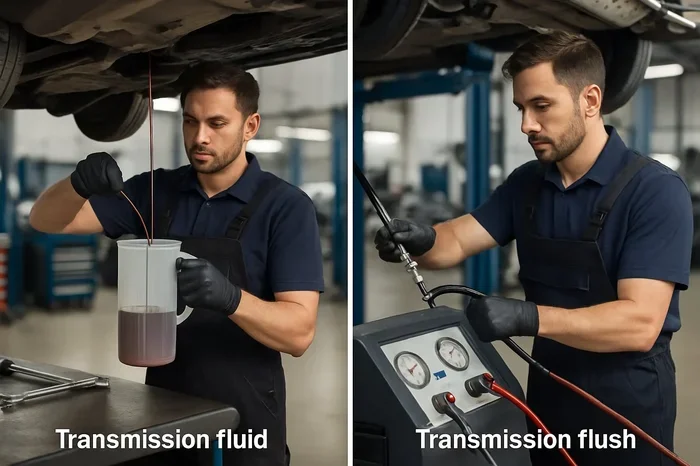
During a drain, the technician removes the transmission pan. The pan sits at the bottom of the transmission unit. It holds the fluid and catches metal particles. The technician loosens the pan bolts. Fluid flows out into a catch pan by gravity. This is called a gravity drain. Then, the technician removes the old transmission filter (if accessible). They clean the pan’s magnetic plug. They install a new filter and a new pan gasket. Finally, they refill the transmission with the correct amount of fresh fluid. A drain typically removes about 30% to 50% of the total fluid. The rest remains in the torque converter and cooler lines. That’s an important limitation. The new fluid mixes with the old fluid in those areas.
Pros and Cons of Draining
Let’s weigh the advantages and disadvantages:
- Pros: Lower cost (often $80 to $250). Simple and quick, takes about 30 minutes. Safe for high-mileage or neglected transmissions. No risk of dislodging sludge into sensitive passages. You can do a DIY drain at home with basic tools like a socket set and a drain pan.
- Cons: Only a portion of the old fluid is removed. New fluid mixes with old fluid in the torque converter and lines. Over multiple drain-only services, the old fluid percentage stays higher. It doesn’t fully refresh the system like a flush does. You may need to do several drains to achieve a full fluid changeover.
When to Choose a Drain
A drain shines in certain situations. If your vehicle has over 100,000 miles and the fluid has never been changed, a drain is often the safest route. The old fluid may contain sludge and contaminants. A high-pressure flush could loosen that sludge and clog the valve body. That can lead to harsh shifting or even transmission failure. A gentle drain lets you replace the fluid gradually. You can do multiple drains over several months, each time removing more old fluid. This approach is called a “fluid changeover.” Many mechanics recommend it for high-mileage cars. Also, if you’re on a tight budget, a drain offers good value. It’s a solid transmission fluid maintenance step. Plus, you can inspect the pan for signs of internal wear. Metal shavings on the magnetic plug can tell you a lot about your transmission’s health.
The Flush Method: How It Works
A flush goes much deeper. It uses a specialized machine to exchange nearly all the old fluid. Let’s walk through the process.
What Happens During a Transmission Fluid Flush?
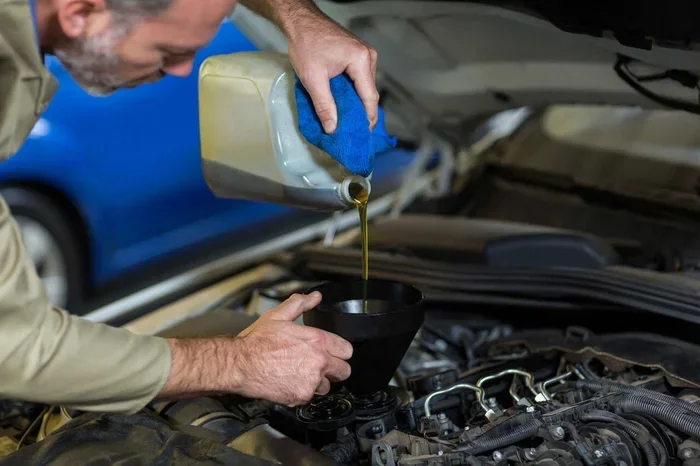
First, the technician connects a flush machine to the transmission’s cooler lines. The machine circulates new fluid through the system while simultaneously pumping out the old fluid. This happens while the engine is running and the transmission is in neutral. The machine pushes fresh fluid through the torque converter, valve body, and cooler lines. It replaces up to 95% to 100% of the old fluid. The technician monitors the fluid color as it exits. When the outgoing fluid runs clear and bright red, the flush is complete. They then disconnect the machine, refill the transmission with the proper amount of new fluid, and check the transmission fluid level with a dipstick or fill plug. A professional flush ensures that the entire system, including the passages you can’t reach with a drain, gets fresh fluid.
Pros and Cons of Flushing
- Pros: Replaces nearly all old fluid and contaminants. Delivers completely fresh automatic transmission fluid (or manual fluid). Improves shifting feel and extends transmission life. Removes old fluid from places a drain can’t reach, like the torque converter and cooler lines. Great for routine maintenance on well-maintained vehicles. Can improve fuel economy by reducing drag from old, dirty fluid.
- Cons: Higher cost, typically $150 to $400. Requires a flush machine and trained technician. Not recommended for neglected, high-mileage transmissions due to sludge risk. Takes longer than a drain, about 45 to 90 minutes. If done incorrectly, it can push debris into sensitive valves. Some shops use a flush machine that might not be compatible with all transmission types.
Common Mistakes with Flushes
Here are errors to avoid. First, never flush a transmission with severely burnt or contaminated fluid. If the fluid smells like burnt toast and is black, a flush is risky. Second, always use the exact fluid type specified by your manufacturer. Using the wrong transmission fluid can damage internal seals and clutches. Third, ensure the technician uses a clean flush machine. Dirty machines can introduce contaminants. Finally, don’t skip the transmission filter change during a flush. A clogged filter restricts flow and defeats the purpose. Many shops offer a flush and filter combo. Always ask if the filter is included. Also, make sure the technician checks the transmission fluid color and smell before and after. If the outgoing fluid is still dark, the flush may not have been complete.
Drain vs Flush: A Side-by-Side Comparison
Let’s put the two methods head to head. This table summarizes the key differences.
| Aspect | Drain (Gravity) | Flush (Machine) |
|---|---|---|
| Fluid Replaced | 30%–50% of total fluid | 95%–100% of total fluid |
| Average Cost | $80 – $250 | $150 – $400 |
| Time Required | 20–40 minutes | 45–90 minutes |
| Best For | High-mileage vehicles, neglected cars, budget-conscious owners | Regular maintenance, modern vehicles, well-kept transmissions |
| Risk of Sludge Dislodging | Very low | Moderate (if sludge is present) |
| DIY Possible? | Yes, with basic tools | No, requires a flush machine |
| Filter Change | Usually done during drain | Should be done, but not always included |
| Transmission Fluid Level Check | Simple dipstick check | Requires careful procedure to avoid overfill |
This comparison shows that neither method is universally better. The right choice depends on your car’s history. If you’ve never changed your fluid and your car has 150,000 miles, a drain is the wise first step. If you change fluid every 30,000 miles and your car has 60,000 miles, a flush is a great idea. It fully refreshes the system. Many experts agree that a transmission fluid flush is superior for routine maintenance on modern vehicles. But for older cars, a drain is the safer bet. I always tell my customers: if you’re unsure, start with a drain. It’s the least invasive option. You can always do a flush later once the fluid is fresh.
Quick Tip: Cost Comparison
When you budget for transmission fluid flush cost or a drain, remember the long-term savings. A flush costs more upfront, but it can extend the life of your transmission. A failing transmission repair can cost $1,500 to $3,500. Regular fluid changes, whether drain or flush, are a small price to pay. Think of it as insurance for your gearbox. Also, ask for a detailed quote. Some shops charge extra for the pan gasket, filter, and fluid. Make sure the price includes everything. A complete transmission service should include the fluid, filter, gasket, and a fluid level check.
Expert Insight: What Mechanics Recommend
I spoke with several certified transmission specialists. Their consensus: follow your owner’s manual. If the manual says to flush, do a flush. If it says to drain and fill, stick with that. Many modern vehicles require a flush because the design includes a transmission cooler integrated into the radiator. A drain can’t reach all that fluid. For older vehicles with a separate cooler, a drain is often sufficient. Always ask your mechanic about the condition of your old fluid. If it’s full of metal particles, a drain is safer. If it’s just dirty but not sludgy, a flush is fine. They can also check the transmission fluid level and transmission fluid color to give you a professional recommendation.
Which Method Is Best for Your Vehicle?
Now let’s match the method to your specific situation. Different vehicles need different approaches.
For Older, High-Mileage Vehicles
If your car has over 100,000 miles and the fluid has never been changed, start with a drain. The old fluid likely contains sludge and metal contaminants. A sudden high-pressure flush could dislodge that sludge and block the narrow passages in your valve body. This can cause rough shifting or a complete failure. Instead, do a drain, replace the filter and gasket, and refill with fresh new transmission fluid. Wait about 1,000 miles. Then do another drain. Repeat this process two or three times. Each time, you’ll remove more of the old fluid. After the third drain, the system is mostly fresh. This gradual approach is safe and effective. It’s the best way to revitalize an old transmission without risking damage. You can also ask your mechanic to inspect the transmission fluid contamination level. If there’s a lot of metal, you might need a more thorough inspection before any fluid service.
For Modern Cars with Regular Service
If you drive a newer vehicle and you’ve kept up with the maintenance schedule, a flush is ideal. Your transmission has been protected with clean fluid. There’s no sludge buildup. A flush will replace all the old fluid, including that in the torque converter and cooler lines. You’ll get the full benefit of fresh automatic transmission fluid. Many modern cars have transmission fluid filters that are internal and non-serviceable. A flush ensures the entire system gets clean fluid. Stick to the manufacturer’s recommended interval. For most cars, that’s every 30,000 to 60,000 miles. Regular flushes keep your shifts crisp and your transmission cool. They also help maintain fuel efficiency. Clean fluid reduces drag inside the transmission, which can improve your gas mileage slightly.
For Vehicles with Unknown Maintenance History
Buy a used car and don’t know if the previous owner changed the fluid? That’s common. In this case, a drain is the cautious choice. You don’t know what’s in the system. It could be contaminated. A flush might stir up unknown debris. Do a drain first. Check the fluid condition. If it looks dark but not gritty, you can consider a flush after the drain. If it’s black and smells burnt, stick with drains only. The fluid may be too far gone for a flush to help. In that case, a full transmission service or rebuild might be needed. Consult a trusted mechanic for a diagnosis. They can perform a transmission fluid check and advise you on the best path forward.
Common Mistakes to Avoid
Here are frequent errors that can cause problems. First, never mix different types of transmission fluid. Synthetic and conventional fluids have different additive packages. Mixing them can reduce performance and damage seals. Second, don’t overfill or underfill the transmission. The fluid level must be exact. Too much fluid can cause foaming and overheating. Too little fluid leads to poor lubrication and slipping. Third, ignore the transmission filter. A clogged filter restricts fluid flow and can cause shifting issues. Always replace the filter during a drain or flush. Fourth, skip the pan gasket. A leaking pan gasket can cause fluid loss and low transmission fluid level. Use a quality gasket and torque the bolts to the correct specification. Fifth, don’t forget to check for leaks after the service. Inspect the pan bolts, cooler lines, and fill plug. A small leak can become a big problem fast.
Quick Tips for Any Method
- Always warm up the transmission fluid before draining or flushing. Running the engine for 5–10 minutes makes the fluid flow better and carry more contaminants out.
- Use the exact fluid type specified in your owner’s manual. Look for the ATF specification, like Dexron VI or Mercon LV.
- Never mix different fluid types. They have different additives and friction modifiers.
- Check for leaks after the service. Inspect the pan bolts and cooler line connections.
- Reset your maintenance reminder if your car has one.
- Keep a record of every transmission fluid change. This helps you track intervals and maintain resale value.
Key Takeaways and Final Verdict
So, is it better to drain or flush your transmission fluid? The answer is clear now. It depends on your vehicle, its mileage, and its maintenance history. Here’s a quick recap of the key points:
- Draining removes about half the fluid. It’s safe, affordable, and ideal for old or neglected transmissions. A gravity drain is simple and DIY-friendly.
- Flushing replaces nearly all the fluid. It’s best for regular maintenance on modern cars. It fully refreshes the system and improves shifting.
- Cost: A drain costs $80–$250. A flush costs $150–$400. Both are far cheaper than a transmission rebuild.
- Risk: Flushing a high-mileage, dirty transmission can cause damage. Draining is the safer choice in that scenario.
- DIY: You can drain fluid at home. A flush requires a machine and professional help.
- Consult your manual: Always follow the manufacturer’s recommendation for transmission fluid maintenance.
For most drivers, a combination works best. Start with a drain on an older car, then follow up with another drain after a few thousand miles. For a well-maintained modern car, stick to a flush at the recommended intervals. Whichever method you choose, don’t skip it. Fresh fluid keeps your transmission cool, clean, and shifting smoothly. It’s one of the easiest ways to protect your biggest automotive investment. Take care of your transmission fluid, and your transmission will take care of you for miles to come. Remember, a little prevention goes a long way toward avoiding a major repair bill.
Frequently Asked Questions
How often should I change my transmission fluid?
Most manufacturers recommend changing automatic transmission fluid every 30,000 to 60,000 miles. However, if you tow heavily or drive in stop-and-go traffic, you may need to change it more often. Always check your owner’s manual for the specific transmission fluid change interval for your vehicle.
Can I just drain the transmission fluid myself?
Yes, a drain is one of the few fluid changes you can do at home. You’ll need a socket set, a drain pan, and the correct transmission fluid. Just make sure you support the vehicle safely and dispose of the old fluid properly. A flush, on the other hand, requires a machine and is best left to a professional.
Is a transmission fluid flush necessary for my car?
It depends on your car’s age and maintenance history. For modern vehicles with regular service, a flush is an excellent way to fully refresh the system. For older, high-mileage cars with unknown fluid history, a drain is often the safer first step. A flush can dislodge sludge in worn transmissions and cause problems.
What are the signs that my transmission fluid is bad?
Watch for a dark or burnt-colored fluid, a sharp acrid smell, sluggish or slipping gears, and unusual grinding noises. If the fluid level is low or the transmission fluid color is brown or black, it’s time for a change. Ignoring these signs can lead to costly transmission repairs.
Does a transmission fluid flush hurt the transmission?
A flush is safe for well-maintained vehicles with clean fluid. However, if your transmission has never had a fluid change and the fluid is full of sludge, a high-pressure flush can dislodge that debris and clog narrow passages. In that case, a gentle drain is the better option to avoid damage.
How much does it cost to flush transmission fluid vs drain?
A simple drain typically costs between $80 and $250. A full flush using a machine usually costs between $150 and $400. The price difference comes from the equipment and time required. While a flush costs more upfront, it replaces nearly all the old fluid, which can extend the life of your transmission and save you money on major repairs down the road.