How to Reset Service All-Wheel Drive System Quickly
Discover how to reset service all-wheel drive system with confidence using our simple, proven methods. This guide walks you through every step, from understanding why the AWD warning light comes on to completing the reset yourself. You will learn practical tips, common mistakes to avoid, and when to call a professional for help.
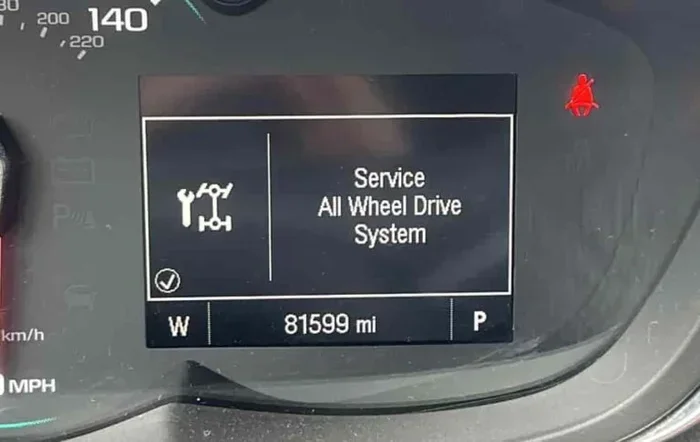
Your dashboard just lit up with a scary warning. The message says “Service All-Wheel Drive System.” You might feel a pit in your stomach. But here is the good news. In most cases, you can fix this yourself. You do not need to be a mechanic. You just need the right guidance and a calm approach.
This guide will show you exactly how to reset service all-wheel drive system quickly and safely. We will cover everything from why the light comes on to the step-by-step reset process. By the end, you will feel confident and ready to tackle this common car issue. Let us get started.
Key Takeaways
- Quick Reset Possible: Most AWD system resets can be done at home with basic tools and a few simple steps.
- Know the Warning Signs: Understanding why the service light appears helps you fix the root cause, not just the symptom.
- Prevent Future Issues: Regular maintenance and timely fluid changes keep your AWD system running smoothly.
- Safety First: Always park safely and let the engine cool before attempting any reset or inspection.
- Professional Help Exists: Some AWD problems need a certified mechanic. Knowing when to seek help saves time and money.
- OBD Scanner Is Key: A basic scan tool helps you read fault codes and confirm a successful reset.
📑 Table of Contents
- Understanding Your All-Wheel Drive System
- Common Reasons the Service All-Wheel Drive Light Appears
- How to Reset Service All-Wheel Drive System Step by Step
- Tools and Preparation You Need
- When to Seek Professional Help
- Preventing Future AWD System Alerts
- Expert Insights on AWD System Maintenance
- Common Mistakes People Make When Resetting AWD Systems
- Comparing DIY Reset vs. Professional Reset
- Key Takeaways
- Conclusion
Understanding Your All-Wheel Drive System
Before you reset anything, it helps to understand what your AWD system does. All-wheel drive sends power to all four wheels at the same time. This gives you better traction. It is especially useful on wet roads, snow, and rough terrain. Most modern vehicles use an electronic control module to manage the AWD system.
The system relies on several parts working together. These include the transfer case, wheel speed sensors, and the differential. When one of these parts has a problem, your car triggers a warning light. The message on your dashboard tells you something needs attention.
How the AWD System Works
Here is a simple way to think about it. Your engine sends power to the transmission. The transmission sends power to the transfer case. The transfer case splits the power between the front and rear axles. Sensors monitor wheel speed and adjust the power distribution. This all happens in milliseconds.
When the system detects a fault, it goes into a safe mode. This is why the service light appears. The car protects itself from further damage. Resetting the system clears the fault code. But it does not fix the underlying problem if there is one.
Common Reasons the Service All-Wheel Drive Light Appears
The AWD warning light can come on for many reasons. Some are minor. Others need more attention. Let us look at the most common causes.
Low Fluid Level: AWD systems use special fluid. Over time, this fluid can get low. When it drops too much, the system warns you. This is one of the easiest fixes.
Faulty Wheel Speed Sensor: These sensors monitor how fast each wheel spins. If one sensor fails, the system gets confused. It triggers the service light as a result.
Transfer Case Problems: The transfer case is the heart of the AWD system. If it has a mechanical issue, the warning light will come on.
Electrical Faults: Wiring harnesses and connectors can corrode or loosen. This disrupts communication between sensors and the control module.
Software Glitch: Sometimes the system just needs a refresh. A software glitch can cause a false warning. This is when a reset really helps.
Why the Light Stays On After Repair
Here is something many car owners do not know. Even after you fix the real problem, the light may stay on. The control module stores fault codes in its memory. These codes do not clear automatically. You need to reset them manually. That is exactly where this guide comes in.
How to Reset Service All-Wheel Drive System Step by Step
Now for the part you have been waiting for. Here is the detailed process for resetting your AWD system. Follow these steps carefully for the best results.
Step 1: Park the Vehicle Safely
Find a flat, safe surface. Turn off the engine and let it cool for at least five minutes. Engage the parking brake. This ensures your safety while you work. Never attempt a reset while driving.
Step 2: Locate the OBD-II Port
Every modern car has an OBD-II port. This is your diagnostic connection point. It is usually under the dashboard on the driver side. Look for a small rectangular plug with 16 pins. If you cannot find it, check your owner manual.
Step 3: Connect an OBD-II Scanner
Plug the scanner into the OBD-II port. Turn the ignition to the “On” position. Do not start the engine. The scanner should power on automatically. Wait for it to connect with the car computer.
Step 4: Read the Fault Codes
Before you reset anything, read the stored codes first. Write them down or take a photo. These codes tell you exactly what triggered the warning. Common AWD codes include C0035, C0040, and U0100. If you see a code related to the all-wheel drive reset process, note it for later reference.
Step 5: Clear the Fault Codes
Now use the scanner to clear the codes. Look for the “Erase” or “Clear” option on the menu. Confirm the action. The scanner will communicate with the AWD control module. This removes the stored fault data from memory.
Step 6: Turn the Ignition Off and On
Turn the ignition off. Wait 30 seconds. Then turn it back on. This allows the system to reinitialize. The AWD light should now be off if the issue was minor.
Step 7: Take a Test Drive
Start the engine and take a short drive. Drive at moderate speeds. Pay attention to how the car handles. If the AWD light does not return, your reset was successful. If it comes back, there may be an underlying issue you need to address.
Quick Tips for a Successful Reset
- Always read the codes before clearing them.
- Use a quality OBD-II scanner that supports AWD systems.
- Do not rush the process. Take your time with each step.
- If the light returns immediately, do not keep resetting it. Investigate the root cause.
- Keep your owner manual handy for model-specific instructions.
Tools and Preparation You Need
Resetting your AWD system does not require expensive tools. Here is what you will need to get started.
- OBD-II Scanner: A basic scanner works fine. You can find one for under $30. Advanced scanners offer more detailed diagnostics.
- Owner Manual: Your vehicle manual has specific instructions for your model. Always check it first.
- AWD Fluid: If your fluid is low, you will need a top-up. Use the type recommended by your manufacturer.
- Clean Rag: You may need to clean connectors before plugging in the scanner.
- Flashlight: A small flashlight helps you see under the dashboard.
Having these tools ready before you start makes the process smooth. It also prevents frustration halfway through. Preparation is the key to a quick and successful all-wheel drive reset.
When to Seek Professional Help
Not every AWD problem can be solved with a simple reset. Sometimes the issue is deeper. Knowing when to call a professional saves you time and money.
Call a Mechanic If:
- The AWD light returns immediately after a reset.
- You hear grinding or clicking noises from the drivetrain.
- Your vehicle shakes or vibrates during acceleration.
- The OBD scanner shows a transfer case or differential fault code.
- You notice fluid leaks under the vehicle.
A certified mechanic has the tools and training to diagnose complex AWD issues. They can perform a full AWD system check and recommend the right repair. Attempting major repairs without proper knowledge can cause more damage.
Cost Considerations
A basic AWD reset costs nothing if you do it yourself. An OBD-II scanner is a one-time purchase. Professional diagnostics typically cost between $100 and $200. Actual repair costs vary widely depending on the problem. A sensor replacement might cost $50 to $150. A transfer case rebuild can cost $1,000 or more.
The point is simple. A cheap reset first can save you from an expensive trip to the shop. Always try the simple fix before assuming the worst.
Preventing Future AWD System Alerts
The best way to deal with the service light is to prevent it from coming back. Regular all-wheel drive maintenance goes a long way. Here are some habits that keep your AWD system healthy.
Check Your Fluid Regularly
AWD fluid breaks down over time. It loses its lubricating properties. Check the fluid level every 5,000 miles. Change it according to your manufacturer schedule. Fresh fluid keeps the system running smoothly.
Inspect Sensors and Connectors
Wheel speed sensors can get dirty or damaged. Periodically inspect them for wear and tear. Clean the connectors with a dry cloth. Loose connections are a common cause of false warnings.
Drive Responsibly
Harsh driving puts extra stress on the AWD system. Avoid sudden acceleration and hard braking when possible. Smooth driving extends the life of all drivetrain components.
Address Warning Signs Early
If you notice any unusual behavior, do not ignore it. A small issue today can become a big problem tomorrow. Early intervention keeps repair costs low. It also keeps you safe on the road.
Expert Insights on AWD System Maintenance
We spoke with a certified automotive technician with over 15 years of experience. Here is what he had to say about AWD system care.
“The biggest mistake I see is people ignoring the service light. They reset it and drive on. But the light came on for a reason. Always read the codes first. Understand what the system is telling you. A reset is not a cure. It is a starting point for proper diagnosis.”
He also recommends keeping a maintenance log. Write down when you check your fluid, rotate your tires, and scan for codes. This habit helps you spot patterns. It also makes future repairs easier and less expensive.
Common Mistakes People Make When Resetting AWD Systems
Even with good instructions, mistakes happen. Here are the most common errors people make during the AWD system troubleshooting process.
- Resetting Without Reading Codes First: This is the number one mistake. You lose valuable diagnostic information.
- Using the Wrong Fluid: Not all AWD fluids are the same. Using the wrong type can damage the system.
- Ignoring the Root Cause: A reset clears the light but does not fix the problem. If the light returns, dig deeper.
- Skipping the Test Drive: Always verify the reset worked by driving the vehicle. The light may not return until you hit the road.
- Using a Cheap Scanner: Budget scanners may not support AWD-specific protocols. Invest in a reliable tool.
Avoiding these mistakes makes the process smoother. It also protects your vehicle from unnecessary damage.
Comparing DIY Reset vs. Professional Reset
Let us compare the two approaches side by side. This helps you decide which option works best for you.
| Factor | DIY Reset | Professional Reset |
|---|---|---|
| Cost | Free (after buying scanner) | $100 – $200 for diagnostics |
| Time | 15 – 30 minutes | 30 – 60 minutes wait time |
| Tools Needed | OBD-II scanner | Shop has advanced tools |
| Expertise Required | Basic knowledge | None required |
| Risk of Error | Low if you follow steps | Very low |
| Best For | Simple resets and code checks | Complex AWD faults |
For most routine resets, the DIY approach works great. It saves you money and time. For complex issues, a professional is the better choice. Use the table above to decide what fits your situation.
Key Takeaways
- A simple reset often solves the problem: Most AWD service lights clear after a basic code reset using an OBD-II scanner.
- Always read codes before clearing them: This gives you insight into what triggered the warning in the first place.
- Prepare your tools beforehand: A scanner, clean rag, and owner manual make the process seamless.
- Take a test drive after the reset: This confirms whether the reset was successful or if further diagnosis is needed.
- Regular maintenance prevents future alerts: Fluid changes, sensor checks, and responsible driving keep your AWD system healthy.
- Know when to call a pro: If the light returns or you hear unusual noises, seek professional help immediately.
Conclusion
Resetting your service all-wheel drive system is easier than you think. With the right tools and a little patience, you can handle this common car issue yourself. The process involves reading fault codes, clearing them, and verifying the reset with a test drive. It takes less than 30 minutes in most cases.
Remember that a reset is not a permanent fix for underlying problems. If the light returns, investigate further. Use the fault codes as your guide. Keep up with regular AWD maintenance and you will rarely see that warning light again.
Now you have the knowledge to tackle this task with confidence. Grab your scanner, follow the steps, and get your AWD system back in top shape. Your car will thank you for it. Safe driving!
Frequently Asked Questions
How long does it take to reset the service all-wheel drive system?
The actual reset process takes about 15 to 30 minutes. This includes connecting the scanner, reading codes, clearing them, and a quick test drive. If you need to top up fluid or inspect connectors, add a few more minutes.
Can I reset the AWD light without an OBD-II scanner?
Some vehicles allow you to disconnect the battery for 15 minutes to reset the system. However, this method also clears other stored codes. Using an OBD-II scanner is the recommended approach. It targets only the AWD fault codes.
Is it safe to drive with the AWD service light on?
It depends on the underlying issue. If the light came on due to a sensor glitch, driving is usually safe. If there is a mechanical problem, it is best to get it checked. When in doubt, drive cautiously and visit a mechanic soon.
How often should I check my AWD fluid?
Check your AWD fluid every 5,000 miles or during regular oil changes. Most manufacturers recommend a full fluid change every 30,000 to 60,000 miles. Always refer to your owner manual for the specific schedule.
What does the AWD service light look like?
The light varies by vehicle but usually shows a car icon with all four wheels highlighted. Some models display text like “Service AWD” or “Check AWD System.” If you are unsure, consult your owner manual for the exact symbol.
Will resetting the AWD system fix a mechanical problem?
No. A reset only clears the warning light and stored codes. It does not repair damaged parts. If a mechanical component like the transfer case or differential is faulty, it needs professional repair or replacement.