How to Hard Reset a Vehicle and Get Back on the Road
Learning how to hard reset a vehicle can save you time and money when your car throws warning lights, stalls, or refuses to start. A hard reset clears stored error codes, refreshes the ECU, and reboots your car’s computer system. This guide walks you through the entire process with clear, simple steps anyone can follow at home.
Your car is acting strange. A warning light stays on the dashboard. The engine stalls for no clear reason. You have tried everything, but nothing seems to work. In moments like these, learning how to hard reset a vehicle can feel like a lifesaver. A hard reset clears out old error codes and refreshes your car’s computer. It is one of the simplest fixes you can do at home.
Many drivers fear the idea of touching their car’s electronic systems. They worry about causing more damage. But here is the truth. A hard reset is safe, straightforward, and does not require expensive tools. Whether you are dealing with a stubborn check engine light or a car that will not start, this guide has you covered. We will walk you through every step with care and clarity.
Key Takeaways
- Easy DIY Fix: You can learn how to hard reset a vehicle without visiting a mechanic or dealership.
- Saves Money: A proper reset can clear check engine lights and resolve minor electrical glitches on your own.
- Quick Process: Most hard resets take under 30 minutes with basic tools you already own.
- Safety First: Always follow the correct procedure to avoid damaging your car’s sensitive electronics.
- Know When to Call a Pro: Some issues need professional diagnostics even after a reset.
- Prevention Tips: Regular maintenance resets help keep your vehicle running smoothly long term.
📑 Table of Contents
- What Is a Hard Reset on a Vehicle?
- When Should You Hard Reset Your Vehicle?
- How to Hard Reset a Vehicle: Step-by-Step Guide
- Common Mistakes to Avoid When Hard Resetting
- Tips for a Successful Vehicle Reset
- When to Seek Professional Help
- How to Hard Reset a Vehicle Without Disconnecting the Battery
- Benefits of Regularly Resetting Your Vehicle Systems
- Conclusion
What Is a Hard Reset on a Vehicle?
A hard reset is a process that completely power cycles your vehicle’s electronic control unit, or ECU. Think of it like restarting your phone when it freezes. The ECU controls many systems in your car. It manages fuel injection, ignition timing, and emissions. When the ECU stores error codes, your car may run poorly. A hard reset clears those codes and gives the system a fresh start.
People often confuse a hard reset with a soft reset. A soft reset simply turns the ignition off and on again. A hard reset goes deeper. It disconnects power from the car’s main systems. This forces the ECU to relearn your driving patterns and clear stored fault codes. The result is often a smoother running engine and cleared warning lights.
How Does the ECU Work?
Your car’s ECU is like the brain of your vehicle. It collects data from sensors all over the car. It uses this data to adjust how your engine runs. When something goes wrong, the ECU stores a trouble code. These codes trigger dashboard warning lights. A hard reset wipes those codes and lets the ECU start fresh. However, if the underlying problem still exists, the codes will come back.
When Should You Hard Reset Your Vehicle?
Not every car problem needs a hard reset. But certain situations make this fix very useful. Knowing when to act can save you time and frustration.
After a Battery Replacement
When you install a new car battery, the ECU loses its memory. This is normal. However, some systems may not recalibrate properly. A hard reset helps the ECU relearn your driving habits. It also ensures all modules communicate correctly with each other. This is one of the most common reasons drivers ask how to hard reset a vehicle.
Check Engine Light Won’t Turn Off
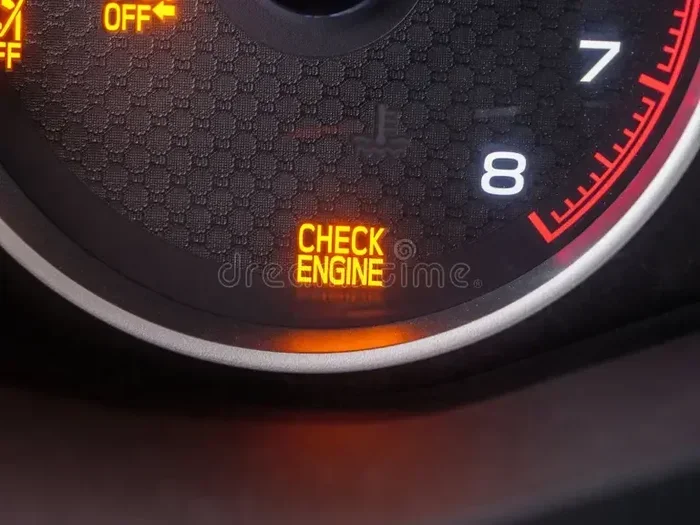
A check engine light can stay on even after you fix the original problem. The ECU holds onto old codes until you clear them. A hard reset forces the system to release those codes. If the fix worked, the light should stay off. If it returns quickly, there may be a deeper issue to investigate.
Random Stalling or Rough Idling
If your car stalls at stoplights or idles roughly, the ECU may have incorrect data. A hard reset can clear corrupted sensor readings. It gives the system a clean slate to work with. This often resolves minor stalling issues without a trip to the mechanic.
After Electrical System Repairs
Any time you work on your car’s electrical system, a reset helps. New sensors, wiring, or modules need the ECU to relearn their positions. A hard reset ensures everything syncs up properly. It prevents future glitches caused by mismatched data.
How to Hard Reset a Vehicle: Step-by-Step Guide
Now that you know when a hard reset helps, let us walk through the process. Follow these steps carefully for a safe and effective reset.
Step 1: Gather Your Tools
You do not need much to hard reset your vehicle. Here is what you will need:
- A standard wrench or socket set
- A clean cloth or rag
- Your vehicle owner’s manual
- A fully charged spare battery or battery maintainer (optional)
Keep these items handy before you start. Having everything ready makes the process smooth and stress free.
Step 2: Turn Off the Engine and All Accessories
Park your car on a flat, safe surface. Turn the ignition to the off position. Make sure all accessories are off too. This includes the radio, lights, air conditioning, and heated seats. Every electrical draw adds up. Turning everything off protects your systems during the reset.
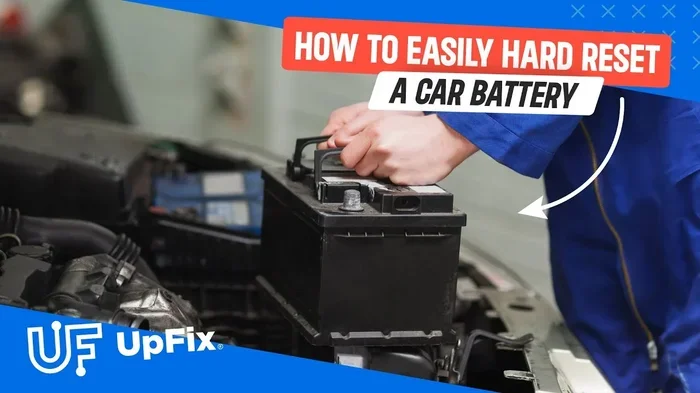
Step 3: Locate the Battery
Open your hood and find the car battery. Most vehicles have the battery in the engine bay. It is usually a large rectangular box with two terminals on top. The positive terminal is marked with a plus sign and often has a red cover. The negative terminal has a minus sign and is usually black. Your owner’s manual can help you locate it if you are unsure.
Step 4: Disconnect the Negative Terminal First
This is the most important safety step. Always disconnect the negative terminal first. Use your wrench to loosen the nut on the negative cable clamp. Once loose, carefully lift the cable off the terminal. Tuck it away from the battery so it cannot accidentally touch the terminal again. Disconnecting the negative terminal first prevents short circuits. It protects your car’s sensitive electronics from damage.
Step 5: Disconnect the Positive Terminal
Now loosen the nut on the positive terminal. Lift the cable off carefully. Keep both cables away from each other and from the battery. At this point, your vehicle is completely disconnected from power. Wait at least 15 to 30 minutes. This gives the ECU enough time to fully discharge. It also allows all stored data to clear out completely.
Step 6: Reconnect the Positive Terminal
After waiting, take the positive cable and place it back on the positive terminal. Tighten the nut securely with your wrench. Make sure the connection is firm. A loose connection can cause starting problems and electrical issues later.
Step 7: Reconnect the Negative Terminal
Now connect the negative cable back to the negative terminal. Tighten the nut firmly. Double check both connections. They should feel tight and secure. A good connection ensures your vehicle receives steady power.
Step 8: Turn the Ignition and Wait
Turn the ignition key to the on position. Do not start the engine yet. Wait about 30 seconds. This gives your car’s systems time to boot up. The dashboard lights will flicker on and then stabilize. This is normal. After the 30 seconds, start the engine and let it idle for a few minutes.
Step 9: Take a Test Drive
Drive your car for at least 15 to 20 minutes. The ECU needs time to relearn your driving patterns. Pay attention to how the car feels. Does it idle smoothly? Do the warning lights stay off? A successful hard reset often results in a noticeably smoother driving experience.
Common Mistakes to Avoid When Hard Resetting
Even a simple process can go wrong if you rush or skip steps. Here are the most common mistakes drivers make when they try to hard reset a vehicle.
Disconnecting the Positive Terminal First
This is the number one mistake. Always disconnect the negative terminal first. If you touch metal while disconnecting the positive terminal, you can create a short circuit. This can fry sensitive electronic components. The cost of repairing that damage far outweighs any time saved.
Not Waiting Long Enough
Some drivers reconnect the battery after just five minutes. The ECU needs at least 15 to 30 minutes to fully discharge. Rushing this step means the old error codes may not clear completely. Be patient. Let the system fully reset for the best results.
Ignoring the Underlying Problem
A hard reset clears codes. It does not fix the root cause. If your check engine light was on because of a faulty oxygen sensor, the light will return after the reset. Always diagnose the real problem first. Use the reset as a tool, not a permanent solution.
Forgetting to Reset the Clock and Radio Presets
A hard reset wipes all personal settings. Your clock will go back to 12:00. Your radio presets will be gone. Some vehicles may also lose saved Wi-Fi connections. This is normal and expected. Simply reset these settings after the process is complete.
Driving Aggressively Right After the Reset
Your ECU needs gentle driving to relearn your habits. Avoid hard acceleration and high speeds right after a reset. Give the system a few minutes of smooth, steady driving. This helps the ECU calibrate correctly and prevents rough idling or hesitation.
Tips for a Successful Vehicle Reset
Follow these practical tips to get the best results from your hard reset.
Keep Your Owner’s Manual Nearby
Every vehicle is slightly different. Your owner’s manual contains specific instructions for your make and model. Some cars have a dedicated reset procedure through the dashboard menu. Others require the battery disconnect method. Knowing your vehicle’s specifics helps you avoid guesswork.
Use a Battery Maintainer
If your car has a complex infotainment system or security features, disconnecting the battery can cause issues. A battery maintainer keeps a small charge flowing. This protects your settings and prevents lockouts. It is a small investment that saves a lot of headaches.
Note Down Your Error Codes First
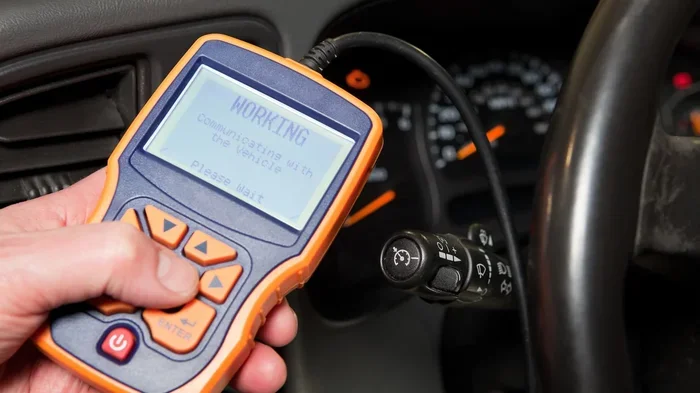
Before you reset, use an OBD2 scanner to read and record your error codes. This gives you a record of what was wrong. If the problem returns, you have a starting point for diagnosis. It also helps you communicate better with a mechanic if you need professional help.
Perform the Reset in Dry Weather
Water and electricity do not mix. Always perform a hard reset in dry conditions. If your battery terminals are corroded, clean them first with a baking soda and water solution. Clean terminals ensure a strong connection after you reconnect everything.
Be Patient with the Relearning Process
After a hard reset, your car needs time to adapt. The idle speed may be slightly higher for the first few drives. The transmission may shift differently at first. These changes are temporary. Give your vehicle a few driving cycles to fully recalibrate.
When to Seek Professional Help
A hard reset solves many common car problems. But it is not a cure all. Some situations require professional attention. Know the signs that tell you to stop DIY troubleshooting and visit a mechanic.
If your check engine light returns immediately after a reset, there is a persistent problem. If your car refuses to start even after a full reset, the issue may be with the starter motor or fuel system. Unusual grinding noises, smoke from the engine, or fluid leaks are all red flags. These symptoms point to serious mechanical issues that a simple reset cannot fix.
Also, if you feel uncomfortable at any point during the process, trust your instincts. There is no shame in calling a professional. A certified mechanic has the tools and experience to diagnose complex problems safely. Sometimes paying for expert help saves you from costly mistakes.
What a Mechanic Can Do That You Cannot
Professional mechanics have access to advanced diagnostic equipment. They can read freeze frame data and perform bi directional tests. These tools reveal problems that a simple hard reset cannot address. They can also update your ECU software if needed. Some issues require manufacturer specific tools that are not available to the average driver.
How to Hard Reset a Vehicle Without Disconnecting the Battery
Not everyone wants to disconnect their battery. Fortunately, there are alternative methods. Many modern vehicles allow you to reset the ECU through the dashboard. Here is how to do it.
Turn the ignition to the on position without starting the engine. Press and hold the odometer trip button. While holding the button, turn the ignition off and then back on. Keep holding the button until the odometer display shows a reset or service message. Release the button. This method works on many Ford, Toyota, and Honda models. Check your owner’s manual for the exact procedure for your vehicle.
Another option is to use an OBD2 scanner. Plug the scanner into the diagnostic port under your dashboard. Follow the on screen prompts to clear all stored codes. This method is cleaner and does not affect your personal settings. It is the preferred method for many mechanics and DIY enthusiasts alike.
Benefits of Regularly Resetting Your Vehicle Systems
Hard resets are not just for fixing problems. Regular resets offer real benefits for your vehicle’s health and performance.
- Improved Fuel Efficiency: A fresh ECU calibration helps your engine run at optimal levels. This can improve your gas mileage over time.
- Smoother Acceleration: Clearing old codes allows the ECU to adjust fuel delivery more accurately. You may notice smoother, more responsive acceleration.
- Extended Component Life: When your ECU operates correctly, it reduces strain on sensors and other components. This can extend their lifespan.
- Better Emissions: A properly calibrated ECU ensures your engine burns fuel efficiently. This reduces harmful emissions and helps you pass smog tests.
- Peace of Mind: Knowing your vehicle systems are running on fresh data gives you confidence on the road.
Make it a habit to perform a hard reset every time you replace your battery or after major electrical work. It keeps your vehicle running at its best and prevents small issues from becoming big problems.
Conclusion
Learning how to hard reset a vehicle is one of the most valuable skills any car owner can have. It is simple, fast, and costs nothing but a few minutes of your time. Whether you are clearing a stubborn check engine light, fixing a stalling problem, or recalibrating after a new battery, a hard reset gets the job done. Just remember to follow the steps carefully. Disconnect the negative terminal first, wait long enough, and reconnect everything securely. Be patient with the relearning process afterward. And always keep in mind that a hard reset is a tool, not a cure all. If the problem persists, do not hesitate to seek professional help. Your car is a complex machine, and sometimes it needs expert eyes. With the knowledge in this guide, you are now equipped to handle most common vehicle reset situations with confidence. Get out there, give your car the fresh start it deserves, and enjoy the road ahead.
Frequently Asked Questions
Can a hard reset damage my car’s electronics?
No, a hard reset is completely safe when done correctly. The key is to always disconnect the negative terminal first and wait at least 15 to 30 minutes. As long as you follow the steps carefully, your electronics will not be harmed. The process simply gives your car’s computer a fresh start.
How long does a hard reset take?
The entire process takes about 30 to 45 minutes. This includes the 15 to 30 minute waiting period after disconnecting the battery. The actual disconnecting and reconnecting takes only a few minutes. The rest of the time is just waiting for the ECU to fully discharge.
Will a hard reset clear all warning lights?
A hard reset can clear most warning lights caused by temporary sensor errors or stored codes. However, if the underlying problem is still present, the lights will return. It is always best to diagnose the real issue first. Use the reset as a way to confirm your fix worked, not as a way to hide problems.
Do I need any special tools to hard reset my vehicle?
No special tools are needed. A basic wrench or socket set is all you require to disconnect and reconnect the battery terminals. An OBD2 scanner is helpful if you want to read or clear codes without disconnecting the battery. But for a traditional hard reset, a simple wrench is enough.
How often should I hard reset my vehicle?
You do not need to hard reset your vehicle regularly. Only perform a reset when needed, such as after a battery replacement or when clearing persistent error codes. Over resetting can disrupt the ECU’s learned adaptations. Let your car run normally between resets for the best results.
What is the difference between a hard reset and a soft reset?
A soft reset simply turns the ignition off and back on. It does not clear ECU memory or stored codes. A hard reset disconnects the battery and fully powers down the vehicle’s electronic systems. This clears all stored fault codes and forces the ECU to relearn driving patterns from scratch.