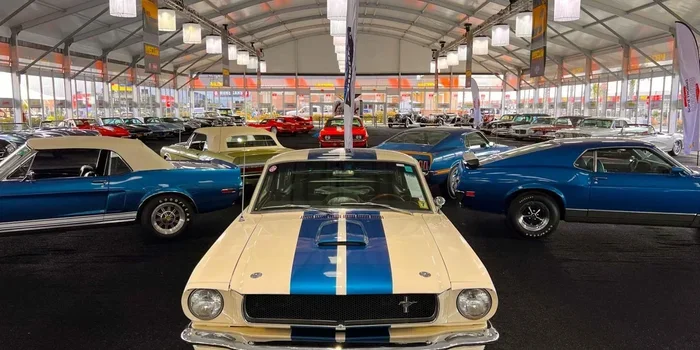
Everything You Need to Know About Auction Cars for Sale
Auction cars for sale offer incredible savings on vehicles ranging from used sedans to fleet cars and repossessed SUVs. Whether you are a first-time buyer or a seasoned shopper, understanding the bidding process, fees, and inspection steps is essential. This guide covers everything from online car auctions to in-person dealer events. You will learn how to spot a great deal and avoid costly mistakes. By the end, you will feel confident navigating any auction car for sale listing.
Auction cars for sale have become one of the most popular ways to find a great vehicle at a fraction of the retail price. Whether you are looking for a daily commuter, a project car, or a reliable used SUV, auctions open up a world of options that most buyers never consider.
The beauty of auction cars for sale is the variety. You can find everything from lightly used sedans to end-of-lease vehicles and even seized cars from government auctions. The key is knowing where to look, what to expect, and how to protect yourself during the bidding process. This guide walks you through every step so you can shop with confidence.
Buying at a car auction is not complicated, but it does require preparation. You need to understand the different types of auctions, the bidding process, and the hidden costs that can surprise first-time buyers. Let us dive into everything you need to know about auction cars for sale.
Key Takeaways
- Huge Savings: Auction cars for sale often cost 20-50% less than retail prices.
- Multiple Options: You can find used cars, repossessed vehicles, fleet cars, and seized cars at auctions.
- Online Convenience: Online car auctions let you bid from home and access listings nationwide.
- Inspection Matters: Always inspect or request a vehicle history report before placing a bid.
- Know the Fees: Buyer’s premiums and auction fees can add up, so budget accordingly.
- Set a Budget: Stick to your maximum bid amount to avoid overpaying.
- Research Wins: The more you know about a vehicle, the better your chances of a smart purchase.
📑 Table of Contents
- What Are Auction Cars for Sale?
- How the Car Auction Process Works
- Types of Cars You Will Find at Auctions
- How to Inspect Auction Cars Before Buying
- Tips for Winning Bids and Getting Great Deals
- Common Mistakes to Avoid When Buying at Auction
- Where to Find Auction Cars for Sale
- Final Thoughts on Auction Cars for Sale
What Are Auction Cars for Sale?
Auction cars for sale are vehicles offered for purchase through a bidding process. Instead of setting a fixed price, sellers let buyers compete to win the car. The highest bidder at the end of the auction period takes the vehicle home.
These auctions happen in many settings. Some take place in physical auction houses, while others run entirely online. The vehicles come from various sources, and each source brings its own story to the table.
Types of Auction Cars
Not all auction cars for sale come from the same place. Understanding the source helps you evaluate the vehicle’s condition and value.
- Used Car Auctions: These feature vehicles traded in by owners or returned from leases. Many are in excellent condition and still under warranty.
- Government Car Auctions: Seized vehicles, unclaimed property, and fleet surplus cars end up here. Prices are often remarkably low.
- Repo Car Auctions: Banks and lenders sell vehicles that owners defaulted on. These can be great deals but may need repairs.
- Dealer Car Auctions: Dealers use these to offload trade-ins and overstock vehicles. The competition is stiffer, but the cars are usually well-maintained.
- Fleet Vehicle Auctions: Companies sell retired fleet cars like rental vehicles, police cars, and corporate shuttles. Mileage tends to be higher, but maintenance is often thorough.
Each type of auction car for sale has its pros and cons. Your goal is to match the auction type to your needs and budget.
How the Car Auction Process Works
The car auction process is straightforward once you understand the basics. Here is how it typically works from start to finish.
First, you find auction car listings that interest you. Many platforms let you filter by make, model, year, mileage, and location. You review the details, photos, and any available vehicle history reports before deciding to bid.
Next, you register with the auction platform or attend the event in person. Most online car auctions require a simple sign-up process and sometimes a deposit. Once registered, you can place bids during the auction window.
Online vs. In-Person Auctions
Online car auctions have exploded in popularity. You can browse thousands of auction cars for sale from your couch and bid at any time. The convenience is unmatched, and you have access to vehicles across the country.
In-person auctions offer something online cannot: you can physically inspect the vehicle before bidding. You can check the paint, tires, engine, and interior firsthand. However, in-person events require travel and time, which not everyone can afford.
Many buyers use a hybrid approach. They research online, narrow down their options, and then attend local auctions for the final decision. This strategy combines the best of both worlds.
Understanding Bidding and Fees
Bidding at a car auction is exciting but can move fast. Here are the key terms you need to know:
- Reserve Price: The minimum price the seller will accept. If bidding does not reach this amount, the car does not sell.
- Buyer’s Premium: A percentage added to your winning bid. This is common at many auction houses and can range from 5% to 10%.
- Closing Time: The moment the auction ends and no more bids are accepted.
- Auto Extend: A feature where the auction extends a few minutes if a bid comes in near the closing time.
Always factor in the buyer’s premium and any additional fees when calculating your total cost. A car that looks cheap at $5,000 might cost $5,500 after fees. Knowing this upfront prevents budget surprises.
Types of Cars You Will Find at Auctions
Auction cars for sale span a wide range of makes, models, and conditions. Here is a closer look at what you can typically expect.
Sedans and Compact Cars: These are the most common auction vehicles. Models like Toyota Camrys, Honda Civics, and Ford Focuses appear regularly. They are affordable, reliable, and easy to resell.
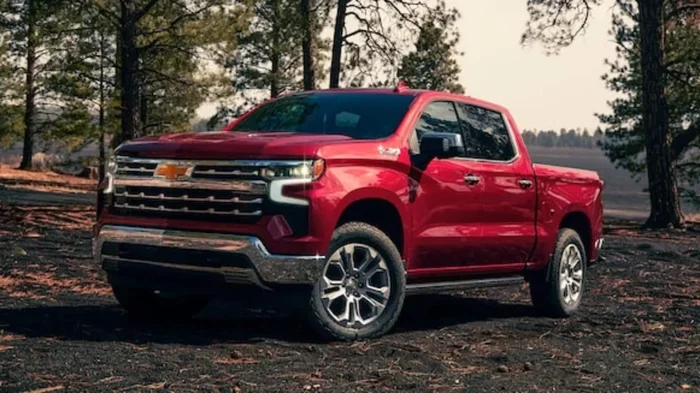
SUVs and Trucks: Popular models like the Ford Explorer, Chevrolet Silverado, and Toyota RAV4 show up frequently at auction. These tend to attract more competition, so bidding can be intense.
Luxury Vehicles: Brands like BMW, Mercedes-Benz, and Audi often appear at premium auctions. These vehicles may come from lease returns or fleet use. The savings can be significant compared to retail luxury pricing.
Salvage and Rebuildable Cars: Some auction cars for sale carry salvage titles. These vehicles were damaged in accidents or floods. They sell for very low prices but require repairs before they can be driven safely.
Classic and Collector Cars: Specialty auctions feature vintage and rare vehicles. These events attract enthusiasts willing to pay premium prices. If you are a collector, this niche is worth exploring.
No matter what type of car you are looking for, there is likely an auction that fits. The key is knowing what you want and setting clear criteria before you start browsing.
How to Inspect Auction Cars Before Buying
One of the biggest risks of buying auction cars for sale is not knowing the full condition of the vehicle. Since many auctions sell vehicles as-is, you need to do your homework.
Request a Vehicle History Report
Always ask for a vehicle history report before bidding. Services like Carfax and AutoCheck pull records from police reports, insurance claims, and service centers. The report will reveal accident history, title status, odometer readings, and ownership changes.
A clean history report is a green light. A report showing multiple accidents or a branded title should make you cautious. You can still buy the car, but you need to factor repair costs into your bid.
Look for Red Flags in Listings
When browsing auction car listings, watch for these warning signs:
- Vague or missing photos
- No mention of service records
- Unusually low mileage for the vehicle age
- Multiple owners in a short period
- Salvage or rebuilt title without explanation
- Vague descriptions like “runs and drives” with no details
If a listing raises too many questions, it is often better to move on to the next option. There are always more auction cars for sale available.
Get a Pre-Purchase Inspection
For high-value vehicles or cars with unclear histories, a pre-purchase inspection is worth every penny. A certified mechanic can check the engine, transmission, brakes, suspension, and electrical systems. They will spot problems that are invisible from photos or descriptions.
Some auction platforms partner with inspection services. Others let you bring your own mechanic. Either way, this small investment can save you thousands in unexpected repairs.
Tips for Winning Bids and Getting Great Deals
Success at car auctions comes down to strategy. Here are practical tips that help both new and experienced buyers.
- Set a Maximum Bid Before You Start. Decide the most you are willing to pay and stick to it. Emotions run high during bidding, and it is easy to get caught up in the moment.
- Research Market Value. Use tools like Kelley Blue Book or Edmunds to find the fair market value of the vehicle. This gives you a benchmark for what a reasonable bid looks like.
- Arrive Early for In-Person Auctions. Getting there early lets you inspect vehicles up close and register without rushing.
- Watch the Auction Before You Bid. Observe a few rounds to understand the pacing and bidding patterns. This helps you time your bids more effectively.
- Bid Confidently but Calmly. Aggressive bidding can drive prices up. Make calculated bids and let others overextend themselves.
- Consider End-of-Month Auctions. Dealers and fleets often close deals at month-end to meet quotas. You may find less competition and lower prices.
The best deals on auction cars for sale go to buyers who are patient and prepared. Do not rush into your first bid. Take your time, study the market, and trust your research.
Quick Tips for Online Bidders
- Set up bid alerts for your target vehicles
- Check auction schedules regularly for new listings
- Use proxy bidding if the platform supports it
- Read seller reviews and ratings before placing a bid
- Factor shipping costs into your total budget
Common Mistakes to Avoid When Buying at Auction
Even experienced buyers make mistakes. Here are the most common pitfalls and how to avoid them.
Skipping the Inspection: The biggest mistake is assuming a car is in good condition just because it looks fine in photos. Always inspect or get a report before bidding.
Ignoring Hidden Fees: Auction fees, registration costs, and towing charges can add hundreds or even thousands of dollars to your purchase. Calculate the total cost before you bid.
Overbidding Out of Excitement: The thrill of bidding can make you lose sight of your budget. Set a firm maximum and walk away if the price goes above it.
Not Understanding the Title Status: A salvage title, rebuilt title, or lemon title affects the vehicle’s value and insurability. Know exactly what you are buying.
Buying Without a Test Drive: If possible, test drive the vehicle before finalizing the purchase. This gives you a feel for the transmission, brakes, and overall driving experience.
Waiting Too Long to Pay: Most auctions require payment within 24 to 48 hours of winning. Have your funds ready so you do not lose your deposit or the vehicle.
Avoiding these mistakes puts you ahead of most buyers. The more prepared you are, the smoother your auction car for sale experience will be.
Where to Find Auction Cars for Sale
Finding quality auction cars for sale starts with knowing where to look. Here are the top sources that buyers trust.
- Copart: One of the largest online car auction platforms. They specialize in salvage, seized, and insurance vehicles.
- IAAI (Insurance Auto Auctions): A major player in the salvage and rebuilt vehicle market.
- Manheim: The largest wholesale vehicle auction company in North America. Primarily for dealers but open to the public in some locations.
- GovPlanet: Focuses on government surplus vehicles, including fleet cars and military vehicles.
- Local Auction Houses: Many cities have physical auction houses that host weekly or monthly events. Check local listings for schedules.
Each platform has its strengths. Copart and IAAI offer massive online inventories, while Manheim caters more to dealer-level buyers. Government auctions like GovPlanet are ideal for budget-conscious shoppers looking for reliable fleet vehicles.
Start by browsing a few platforms to get a feel for the inventory and pricing. Over time, you will learn which sources consistently offer the best auction cars for sale in your area.
Final Thoughts on Auction Cars for Sale
Auction cars for sale represent one of the best opportunities in the automotive market today. Whether you are a budget-conscious shopper, a car enthusiast, or a dealer looking for inventory, auctions deliver value that traditional dealerships simply cannot match.
The key to success is preparation. Research the vehicle, understand the auction process, inspect thoroughly, and stick to your budget. With the right approach, you can drive away with a quality vehicle at a fraction of the normal cost.
Start exploring auction car listings today. The perfect vehicle might be just one bid away. The world of auction cars for sale is vast, exciting, and full of opportunity. All you need is the knowledge and confidence to take the next step.
Frequently Asked Questions
What types of cars are available at auction cars for sale?
Auction cars for sale include used sedans, SUVs, trucks, luxury vehicles, salvage cars, fleet vehicles, and repossessed cars. The variety is enormous, so you can find almost any make or model if you search the right platforms.
Are auction cars for sale cheaper than buying from a dealership?
Yes, auction cars for sale are typically 20% to 50% cheaper than retail dealership prices. However, you must factor in buyer’s premiums, fees, and potential repair costs when comparing total expenses.
Can I test drive a car before buying at an auction?
It depends on the auction type and platform. Some in-person auctions allow test drives before bidding. Online car auctions usually do not, which is why vehicle history reports and pre-purchase inspections are so important.
What is a buyer’s premium at a car auction?
A buyer’s premium is an additional fee charged on top of your winning bid. It typically ranges from 5% to 10% of the bid price. Always check the fee structure before you register so there are no surprises.
Do I need a dealer license to buy auction cars for sale?
No, most public car auctions are open to individual buyers. However, some dealer-only auctions require a valid dealer license. Always check the auction rules before you register.
How do I pay for a car I win at auction?
Most auction platforms require payment within 24 to 48 hours of winning. Accepted payment methods vary but commonly include credit cards, bank transfers, and certified checks. Have your payment ready before you bid.
=== CONCLUSION ===
Auction cars for sale open the door to incredible vehicle deals that most buyers never discover. From used sedans to luxury SUVs and rebuilt salvage cars, the options are endless. The key is approaching the process with knowledge, patience, and a clear budget.
By understanding the different auction types, inspecting vehicles carefully, and avoiding common mistakes, you set yourself up for success. Every auction car for sale has a story, and your job is to uncover that story before placing a bid.
Start your journey today. Browse listings, set your budget, and get ready to find your next vehicle at a price that makes sense. The world of car auctions is waiting for you.