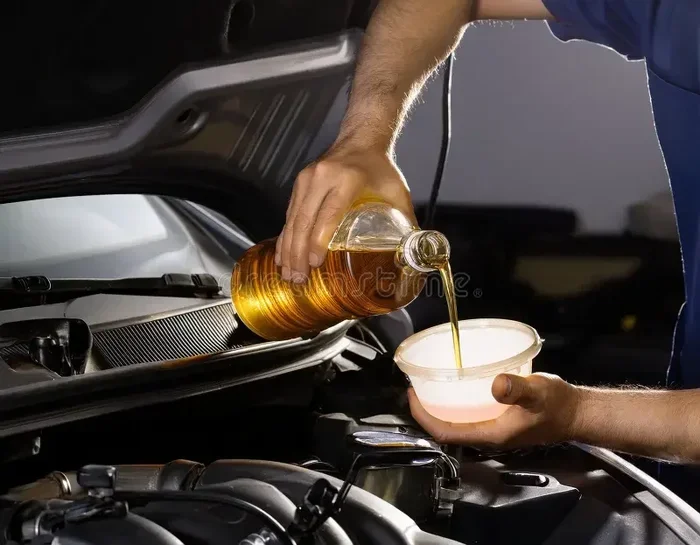
How Much Oil Should I Fill Up for Peak Car Performance
Understanding how much oil should I fill up is essential for keeping your car engine running at its best. The right engine oil level protects moving parts, reduces friction, and boosts engine performance every time you drive. Too much or too little oil can lead to serious engine damage and expensive repairs. This guide breaks down everything you need to know about oil capacity, the best oil type for your vehicle, and how to avoid common oil fill mistakes.
Knowing how much oil should I fill up is one of the simplest yet most important things you can do for your car. Many drivers overlook this basic maintenance task, but getting the oil level right can make a huge difference in how your engine runs. Too little oil and your engine parts grind against each other. Too much oil and you risk damaging seals and causing pressure problems.
The good news is that filling up your oil correctly is not as hard as it sounds. You just need to know your car’s specific needs and follow a few straightforward steps. In this guide, we will walk you through everything you need to know about how much oil should I fill up, from understanding your engine’s oil capacity to picking the right oil type for your vehicle. By the end, you will feel confident tackling this job on your own.
Proper engine oil level maintenance is at the heart of long-lasting car maintenance. Whether you drive a compact sedan or a powerful truck, the rules for filling oil remain the same. Let us dive into the details so you can keep your car engine running smooth and strong for years to come.
Key Takeaways
- Check your owner’s manual: Every car has a specific oil capacity listed in the manual or on the oil fill cap.
- Use the dipstick: Always check your oil level with the engine cool and on a flat surface for an accurate dipstick reading.
- Avoid overfilling: Too much oil causes pressure buildup, leaks, and potential engine damage.
- Avoid underfilling: Low oil leads to poor lubrication, overheating, and increased wear on engine parts.
- Pick the right oil type: Whether you choose synthetic oil or conventional oil, matching the correct viscosity grade matters a lot.
- Change your oil filter: A clean oil filter keeps your crankcase free of contaminants and extends engine life.
- Follow a regular oil change schedule: Consistent maintenance prevents oil consumption problems and keeps oil pressure stable.
📑 Table of Contents
How Much Oil Does Your Car Actually Need
The first step in figuring out how much oil should I fill up is understanding your specific vehicle’s needs. No two cars are exactly the same, and your engine’s oil capacity depends on the make, model, and engine size. A small four-cylinder engine will need far less oil than a large V8 truck engine. This is why guessing is never a good idea.
Understanding Your Engine’s Oil Capacity
Every car comes with a factory-specified oil capacity. This number tells you exactly how much oil your crankcase can hold when completely full. You can find this information in a few reliable places. Your owner’s manual is the best starting point. It will list the total oil capacity including the oil filter. You can also look at the oil fill cap on top of your engine. Many manufacturers stamp the capacity right on the cap. Finally, you can check online resources or contact your dealership for confirmation.
For most passenger cars, the oil capacity ranges from about 4 to 6 quarts. Larger trucks and SUVs may need 8 to 12 quarts or more. Always drain the old oil completely before adding new oil. This ensures you are measuring from a true baseline. If you are unsure, a full oil change service gives you a clean starting point.
How to Check Your Current Oil Level
Before you add any oil, you need to know where you currently stand. This starts with a simple oil level check. Make sure your car is parked on a flat surface. Turn off the engine and wait at least five minutes. This lets the oil settle back into the crankcase for an accurate dipstick reading.
Pull out the dipstick, wipe it clean with a rag, and reinsert it fully. Pull it out again and look at the oil level. You will see markings on the dipstick. These are usually two dots, two lines, or a crosshatched area. The oil should fall between the minimum and maximum marks. If it is below the minimum line, you need to add oil. If it is above the maximum line, do not add more.
While you are at it, take a moment to inspect the oil itself. Fresh oil is typically amber or golden brown. Dark black oil means it is time for an oil change. Milky or frothy oil could signal a serious problem like a coolant leak. Trust your senses here. A quick oil level check every few weeks can save you from major engine damage down the road.
What Happens If You Overfill Your Engine
Overfilling your engine is more common than you might think. It is easy to add a little extra oil and think it will not matter. But overfilling oil can cause real problems. When there is too much oil in the crankcase, the crankshaft starts spinning through the excess oil. This creates foam and air bubbles in the oil.
The Dangers of Too Much Oil
Foamy oil does not lubricate properly. It loses its ability to reduce friction between moving parts. This means increased wear on your car engine components. In severe cases, overfilling oil can cause the oil to leak past seals and gaskets. You might notice oil pooling under your car or blue smoke coming from the exhaust. That smoke happens because oil is getting into the combustion chamber.
Another serious risk is oil pressure spikes. Excess oil increases the pressure inside the crankcase. High oil pressure can damage the oil filter, blow out gaskets, or even warp engine components. These repairs can be very expensive. In the worst cases, overfilling oil can lead to complete engine damage that requires a full engine replacement.
Signs That You Have Overfilled
Watch for these warning signs that you may have overfilled oil. Blue or white smoke from the exhaust is a major red flag. Unusual smells, especially a burning oil odor, should not be ignored. You might also notice oil leaks around the engine gaskets. If your oil pressure gauge reads higher than normal, pull over safely and check the level. When in doubt, have a mechanic inspect your engine oil level right away.
What Happens If You Underfill Your Engine
On the flip side, running low on oil is just as dangerous as overfilling. When your engine oil level drops below the minimum mark, the oil pump cannot draw enough oil. This means critical engine parts start running dry, even if just for brief moments.
Risks of Running Low on Oil
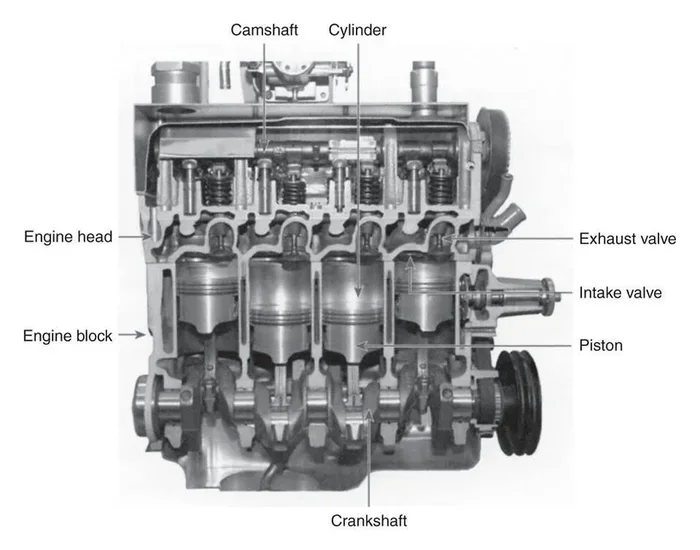
Without proper lubrication, metal parts grind against each other. This creates friction, heat, and eventually wear. Over time, underfilling oil leads to scoring on cylinder walls, damage to bearings, and accelerated wear on the camshaft and crankshaft. These are costly repairs that could have been prevented with a simple oil fill.
Low oil also affects engine performance. You might notice rough idling, reduced power, or a decrease in fuel efficiency. Some modern cars have oil pressure warning lights on the dashboard. If that light comes on, pull over immediately and check your oil level. Continuing to drive on low oil can result in catastrophic engine damage.
How to Spot Oil Deficiency Early
Catch low oil before it causes damage. Make it a habit to check your oil level at least once a month. Pay attention to your oil consumption rate. Some engines burn oil naturally over time, especially older vehicles. If you find yourself needing to add oil frequently between oil changes, have a mechanic inspect for leaks or burning issues. A steady oil level check routine is one of the best things you can do for your engine.
Choosing the Right Oil Type for Your Vehicle
Getting the oil type right matters just as much as getting the amount right. Not all oils are created equal. The right oil type depends on your driving conditions, climate, and engine design. Using the wrong oil can affect engine performance and even shorten your engine’s lifespan.
Synthetic vs Conventional Oil
Synthetic oil is engineered in a lab for superior performance. It flows smoothly at extreme temperatures and resists breakdown better than conventional oil. Synthetic oil offers excellent protection for high-performance engines and vehicles operating in very hot or very cold climates. It also tends to last longer between oil changes, which can save you time and money.
Conventional oil is refined from crude oil and works well for standard driving conditions. It is more affordable and perfectly suitable for most everyday vehicles. If you do a lot of short trips or drive in moderate temperatures, conventional oil may be all you need. Check your owner’s manual to see what your manufacturer recommends.
| Feature | Synthetic Oil | Conventional Oil |
|---|---|---|
| Price per quart | $5 to $8 | $3 to $5 |
| Lifespan between changes | 7,500 to 15,000 miles | 3,000 to 5,000 miles |
| Extreme temperature protection | Excellent | Good |
| Best for | High-performance and extreme climates | Standard daily driving |
| Engine protection | Superior | Adequate |
Understanding Viscosity Grades
You will see numbers like 5W-30 or 10W-40 on every oil bottle. These are viscosity grades. The first number (with the W) tells you how the oil flows in cold temperatures. A lower number means better cold-start flow. The second number tells you the oil’s thickness at operating temperature. Higher numbers mean thicker oil at high temperatures.
Always use the viscosity grade recommended by your car manufacturer. Using the wrong viscosity grade can lead to poor lubrication, increased wear, and reduced engine performance. If you live in a very cold climate, a lower first number like 0W or 5W works best. In hot climates, a higher second number like 40 or 50 provides better protection at operating temperature.
Step-by-Step Guide to Filling Up Your Oil
Filling up your oil does not require a trip to the mechanic. With the right tools and a little patience, you can do it yourself. Here is a simple walkthrough for a safe and effective oil fill.
Tools You Will Need
Gather these items before you start. You will need the correct type and amount of oil for your vehicle. A new oil filter is essential if you are doing a full oil change. You will also need an oil drain pan, a wrench set, a funnel, and a clean rag or paper towel. Keep your owner’s manual handy for reference.
How to Add Oil Safely
- Park your car on a flat surface and turn off the engine. Wait at least five minutes for the oil to settle.
- Open the hood and locate the oil fill cap. It usually has an oil can symbol on top.
- Remove the cap and set it aside in a safe spot so it does not get lost.
- If you are doing a full oil change, first drain the old oil from the drain plug into the oil pan. Replace the oil filter with a new one.
- Place a funnel into the oil fill opening. Pour in the new oil slowly, adding about one quart at a time.
- After each quart, wait a minute for the oil to settle, then check the dipstick reading.
- Continue adding oil until the level falls between the minimum and maximum marks on the dipstick.
- Replace the oil fill cap securely. Start the engine and let it run for about 30 seconds.
- Turn off the engine and wait another minute. Check the oil level again with the dipstick. Top off if needed.
- Clean up any spills and dispose of the old oil properly at a recycling center.
After you finish, take your car for a short test drive. When you return, park on a flat surface and do one more oil level check. This confirms everything is at the right level. A successful oil fill should feel satisfying and give you peace of mind knowing your car engine is well protected.
Common Oil Fill Mistakes to Avoid
Even experienced car owners can make mistakes when filling up their oil. Knowing what to avoid saves time, money, and potential engine damage. Here are the most common errors drivers make with their oil fill routine.
Quick Tips for Perfect Oil Levels
- Never mix oil types without checking compatibility. Different oil type formulations can react poorly when combined, reducing protection.
- Do not rely on the oil change light alone. This light is a reminder, not a substitute for a manual oil level check.
- Always replace the oil filter during a full oil change. A clogged filter restricts flow and reduces engine performance.
- Do not over-tighten the drain plug. Over-tightening can strip threads or crack the oil pan, leading to leaks.
- Record your oil changes and fill levels. Keeping a log helps you track oil consumption and catch problems early.
- Dispose of old oil responsibly. Never pour used oil down drains or into the ground. Take it to a recycling center.
These small habits make a big difference over time. They keep your crankcase clean, your oil pressure stable, and your car engine healthy. Remember, car maintenance is all about consistency. A few minutes spent checking and filling your oil correctly pays off with a smoother-running, longer-lasting vehicle.
Conclusion
Getting how much oil should I fill up right is one of the easiest ways to protect your car and extend its life. Whether you are checking your engine oil level, choosing the right oil type, or learning how to avoid overfilling oil, every step matters. Your owner’s manual is your best friend in this process. It gives you the exact numbers and recommendations for your specific vehicle.
Make oil level check part of your regular car maintenance routine. A few minutes each month can prevent costly repairs and keep your engine performance at its peak. Pay attention to your oil consumption, use the correct viscosity grade, and never skip your oil change. Your car engine works hard for you every day. Give it the care it deserves with the right amount of clean, properly matched oil. Start today, and your car will thank you for miles to come.
Frequently Asked Questions
What happens if I put too much oil in my car?
Overfilling causes excess oil to foam and lose its lubricating ability. This can lead to increased pressure in the crankcase, damaged seals, and blue smoke from the exhaust. In serious cases, it may cause significant engine damage that requires expensive repairs.
How often should I check my oil level?
You should check your oil level at least once a month. It is also a good idea to check before any long road trip. Regular checks help you catch low oil early and prevent engine damage from running too low.
Can I mix synthetic oil with conventional oil?
In an emergency, mixing the two will not cause immediate harm. However, it is best to stick with one type consistently. Mixing can dilute the benefits of synthetic oil and reduce its overall performance and protection for your car engine.
How do I know what viscosity grade my car needs?
Your owner’s manual will list the recommended viscosity grade for your vehicle. You can also check the oil fill cap under the hood. Many manufacturers stamp the recommended grade directly on the cap for easy reference.
What is the difference between an oil change and just topping off oil?
Topping off means adding oil to bring the level up without removing the old oil. A full oil change involves draining the old oil, replacing the oil filter, and refilling with fresh oil. A full oil change is recommended at regular intervals to keep your crankcase clean and your engine performance optimal.
Why is my car burning oil?
Oil burning can happen when worn piston rings or valve seals allow oil to enter the combustion chamber. It can also result from overfilling or using the wrong oil type. If you notice oil consumption increasing, have a mechanic inspect your car engine to prevent further engine damage.