How Much Does It Cost to Mount and Balance 4 Tires
The cost to mount and balance 4 tires typically ranges from $60 to $120, depending on tire type, shop location, and extra services. Most tire shops charge between $15 and $30 per tire for standard mounting and balancing. Understanding the breakdown helps you avoid overpaying and keeps your tires performing at their best.
Let’s talk about something every car owner deals with eventually — how much does it cost to mount and balance 4 tires. Whether you just bought new tires or need to rotate your current set, understanding the cost helps you make smart decisions. Nobody wants to walk into a tire shop and get blindsided by a surprise bill.
The good news is that tire mounting and balancing is one of the more affordable maintenance services you’ll pay for. Most drivers spend between $60 and $120 for all four tires. But the exact price depends on several factors we’ll break down in this guide. By the end, you’ll know exactly what to expect and how to save money without cutting corners.
This article covers everything from the basics of what mounting and balancing actually means, to real-world cost breakdowns, DIY options, and expert tips. We also include a comparison table, common mistakes, and answers to the most frequently asked questions about tire service costs. Let’s get into it.
Key Takeaways
- Average cost is $60 to $120: Most drivers pay this range for mounting and balancing all four tires at a standard tire shop.
- Tire type matters a lot: Run-flat tires, larger wheels, and specialty tires cost more to mount and balance than standard all-season tires.
- Shop location affects pricing: Big-box retailers often charge less than independent tire dealers, but service quality can vary.
- DIY is possible but risky: You can save money mounting tires at home, but balancing requires professional equipment.
- Balance every 5,000 to 6,000 miles: Regular tire rotation and balancing extend tire life and improve ride comfort.
- Watch for hidden fees: Valve stem replacement, road force balancing, and disposal fees can add unexpected costs.
- Road force balancing is worth it: This advanced method detects subtle imbalances that standard machines miss.
📑 Table of Contents
- What Does Mounting and Balancing Tires Involve?
- Average Cost to Mount and Balance 4 Tires
- Factors That Affect Tire Mounting and Balancing Costs
- DIY vs. Professional Tire Mounting and Balancing
- How Often Should You Mount and Balance Tires?
- Tips to Save Money on Tire Services
- Common Mistakes to Avoid During Tire Mounting and Balancing
- Expert Insights on Tire Balancing and Mounting
- Key Takeaways
- Conclusion
What Does Mounting and Balancing Tires Involve?
Before we dive into costs, it helps to understand what happens during tire mounting and balancing. These are two separate services that often get bundled together. Knowing the difference helps you make informed choices at the tire shop.
What Is Tire Mounting?
Tire mounting is the process of taking a tire off your wheel and putting a new one on. The technician uses a machine to break the seal between the tire and the rim. Then they carefully seat the new tire bead onto the wheel and inflate it safely.
This step also includes checking the tire valve stem for wear or damage. If the valve stem looks old or cracked, the tech will usually recommend replacing it. A worn valve stem can cause slow air leaks, which leads to uneven tire pressure and poor fuel economy.
Mounting also involves inspecting the wheel rim for damage. Bent or corroded rims can cause air leaks and vibration problems. A good tire shop will always check this before installing new tires.
What Is Tire Balancing?
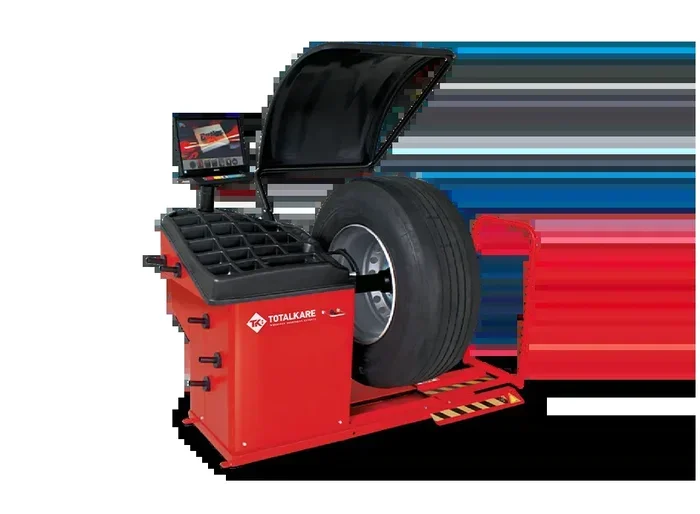
Tire balancing makes sure the weight of the tire and wheel combo is evenly distributed. Even a tiny weight difference can cause vibrations at highway speeds. The technician mounts the wheel on a wheel balancing machine that spins it and detects where the heavy spots are.
Small clip-on weights are then attached to the rim to correct any imbalance. This process smooths out your ride and prevents uneven tire wear. Without proper balancing, you might notice your steering wheel shaking or your tires wearing out faster on one side.
Some shops now offer road force balancing, which is a more advanced version. This machine simulates the weight of your car on the tire. It provides a much more precise reading and is especially helpful for luxury vehicles or performance tires.
Average Cost to Mount and Balance 4 Tires
The national average cost to mount and balance 4 tires falls between $60 and $120. But that range can shift based on several factors. Let’s look at the typical price breakdown so you know what to expect.
Cost Breakdown by Service Type
Here is a general idea of what different tire service packages cost:
- Basic Mount and Balance: $15 to $25 per tire, totaling $60 to $100 for four tires.
- Mount, Balance, and Rotate: $25 to $40 per tire, or $100 to $160 for all four.
- Road Force Balancing: $25 to $50 per tire, totaling $100 to $200 for four tires.
- Run-Flat Tire Service: $30 to $50 per tire, because these tires require special equipment.
Keep in mind that these are average prices. Your actual cost may be higher or lower depending on where you live and the type of shop you visit.
Comparison Table: Tire Service Costs by Shop Type
| Shop Type | Mount & Balance (4 Tires) | Additional Notes |
|---|---|---|
| Big-Box Retailer | $60 – $100 | Often includes free rotation with tire purchase |
| Independent Tire Shop | $70 – $120 | Personalized service, may offer better quality |
| Dealership | $80 – $150 | Higher cost, but uses OEM-spec equipment |
| Discount Tire Chain | $55 – $90 | Competitive pricing, frequent promotions |
| Mobile Tire Service | $80 – $130 | Convenience factor adds to the cost |
As you can see, the tire mounting cost varies quite a bit. Big-box retailers and discount chains tend to offer the lowest prices. Independent shops and dealerships may charge more but often provide a more thorough inspection.
Factors That Affect Tire Mounting and Balancing Costs
Several things influence how much you’ll pay for tire balancing cost and mounting. Understanding these factors helps you budget properly and avoid surprises.
Tire Type and Size
The type of tire you have plays a huge role in pricing. Standard all-season tires are the easiest and cheapest to mount and balance. They fit most common machines and don’t require special tools.
Larger wheels and low-profile tires are harder to work with. They need more careful handling and sometimes stronger mounting machines. Run-flat tires are another category that costs more. These tires have reinforced sidewalls that make them harder to break free from the rim during mounting.
Performance tires and winter tires also fall into a higher price bracket. Their stiffer rubber compounds require extra care during the mounting process. The tire bead on these tires grips the rim more tightly, which means more force is needed.
Location and Shop Type
Where you live affects pricing just like any other service. Tire shops in major cities or upscale neighborhoods usually charge more than those in rural areas. Cost of living plays a big role in labor rates.
The type of shop also matters. Big-chain retailers have lower overhead costs, so they can pass savings to customers. Independent tire dealers might charge more but often provide a more personal experience and higher attention to detail.
Additional Services and Fees
Sometimes the base price doesn’t tell the whole story. Here are common add-ons that can increase your final bill:
- Valve Stem Replacement: $3 to $8 per stem. Rubber stems wear out and should be replaced during tire service.
- TPMS Sensor Service: $10 to $20 per sensor if your car has a tire pressure monitoring system.
- Wheel Weights: Usually included, but some shops charge extra for clip-on weights instead of stick-on weights.
- Disposal Fees: $2 to $5 per old tire if you’re not recycling them at the shop.
- Road Force Balancing: $10 to $25 more per tire than standard balancing.
Always ask for a full price breakdown before the work begins. A reputable tire shop will be happy to explain every charge.
DIY vs. Professional Tire Mounting and Balancing
Some car owners wonder if they can save money by mounting and balancing tires themselves. Let’s explore both sides honestly.
The DIY Route
You can buy a home tire mounting kit for $50 to $200. These kits include a tire iron, lubricant, and a basic mounting arm. Some enthusiasts enjoy the hands-on process and genuinely save money over time.
However, DIY tire balancing is not really practical. Professional wheel balancing machines cost thousands of dollars. Without one, you cannot achieve the precision needed for a smooth, safe ride. Even a small imbalance at high speeds can cause dangerous handling issues.
DIY mounting also carries risks. Improperly seated tire beads can cause sudden air loss while driving. The safest and most reliable choice is to leave this job to trained professionals.
Why Professional Service Is Worth It
Professional tire shops have the right equipment and trained technicians. They also inspect your tires for hidden problems you might miss. Things like sidewall damage, uneven tire wear, and alignment issues get spotted during the service.
Many shops offer lifetime tire warranty services if you buy tires from them. This includes free rotations, balancing, and flat repairs for the life of the tires. That alone can save you hundreds of dollars over time.
How Often Should You Mount and Balance Tires?
Most experts recommend balancing your tires every 5,000 to 6,000 miles. This aligns perfectly with regular tire rotation intervals. Some drivers prefer to do it every other oil change, which works well too.
You should also get your tires balanced if you notice any of these warning signs:
- Vibration in the steering wheel at highway speeds
- Uneven tire wear on one side or across the tread
- A pulling sensation while driving straight
- Recent flat tire repair or tire replacement
- Hitting a pothole or curb at higher speeds
Ignoring these signs can lead to premature tire replacement. A set of new tires can easily cost $400 to $800 or more. Regular balancing is a tiny investment that protects that larger one.
Tips to Save Money on Tire Services
Saving money on tire service doesn’t mean sacrificing quality. Here are smart ways to keep costs down while getting great results.
Buy Tires That Include Mounting and Balancing
Many tire retailers offer free mounting and balancing when you purchase a full set of tires from them. This can save you $60 to $120 right off the top. Always ask about package deals before you commit to a purchase.
Look for Coupons and Promotions
Tire shops frequently run promotions, especially during seasonal changes. Search online for coupon codes or check the shop’s website before your visit. Some chains offer rebates on tire installation during holiday weekends.
Stick to a Single Trusted Shop
Building a relationship with one tire dealer often leads to better pricing and priority service. Loyalty gets rewarded in many shops. Plus, a shop that knows your vehicle history can catch problems earlier.
Don’t Skip Regular Maintenance
It might sound counterintuitive, but regular maintenance actually saves money. Properly balanced and rotated tires last longer. You delay the need for expensive replacements, which is the biggest tire-related expense most drivers face.
Common Mistakes to Avoid During Tire Mounting and Balancing
Even when you visit a professional shop, there are pitfalls to watch out for. Being informed helps you advocate for yourself.
- Skipping the valve stem check: Old valve stems cause slow leaks. Always ask the tech to inspect them.
- Not asking about road force balancing: Standard balancing is fine for most cars, but road force is better for high-performance vehicles.
- Ignoring TPMS reset: If your tire pressure monitoring system light stays on after service, ask the shop to reset it.
- Forgetting to get a receipt: Keep records of all tire service. This helps with tire warranty claims later.
- Choosing the cheapest option blindly: The lowest price doesn’t always mean the best value. Check reviews and ask about equipment quality.
Expert Insights on Tire Balancing and Mounting
We reached out to several experienced tire technicians to get their perspective on mounting and balancing costs. Here is what they had to say.
Mike R., Senior Technician at a National Tire Chain: “Most customers are surprised at how affordable basic mounting and balancing really is. We charge around $20 per tire, and the whole process takes about 30 minutes for all four wheels. I always tell customers that skipping balancing is like skipping an oil change — it saves a little now but costs a lot later.”
Sarah T., Independent Tire Shop Owner: “The biggest mistake we see is customers waiting too long to balance their tires. By the time they feel vibration, the uneven wear has already started. Catching imbalances early through regular service saves them from replacing tires prematurely.”
These expert voices reinforce a simple truth: investing in proper tire mounting and balancing pays off in the long run. It keeps your ride smooth, your tires lasting longer, and your safety intact on the road.
Key Takeaways
- Average cost is $60 to $120: Most drivers pay this range for mounting and balancing all four tires at a standard tire shop.
- Tire type matters a lot: Run-flat tires, larger wheels, and specialty tires cost more to mount and balance than standard all-season tires.
- Shop location affects pricing: Big-box retailers often charge less than independent tire dealers, but service quality can vary.
- DIY is possible but risky: You can save money mounting tires at home, but balancing requires professional equipment.
- Balance every 5,000 to 6,000 miles: Regular tire rotation and balancing extend tire life and improve ride comfort.
- Watch for hidden fees: Valve stem replacement, road force balancing, and disposal fees can add unexpected costs.
- Road force balancing is worth it: This advanced method detects subtle imbalances that standard machines miss.
Conclusion
So, how much does it cost to mount and balance 4 tires? The answer is simpler than most people think. For most drivers, the total falls between $60 and $120. This includes professional mounting, careful wheel balancing, and a thorough inspection of your tire valve stems and rims.
The exact price depends on your tire type, the shop you choose, and any add-on services. But the bottom line is clear — this is one of the most affordable and impactful maintenance services you can invest in. Properly mounted and balanced tires give you a smoother ride, better fuel economy, and longer tire life.
Don’t let cost concerns keep you from getting this service done. Use the tips in this guide to find a trustworthy shop, ask the right questions, and avoid hidden fees. Your tires are the only part of your car that touches the road. Taking care of them properly is always worth the investment.
Next time you need tire service, you’ll know exactly what to expect. You’ll walk in informed, walk out confident, and keep your wallet happy at the same time. That’s a win-win for every driver.
Frequently Asked Questions
Is it worth paying extra for road force balancing?
Road force balancing uses a more advanced machine that simulates road force on the tire. It provides a more precise balance than standard machines. For luxury cars, performance vehicles, or drivers who feel vibration even after regular balancing, the extra $10 to $25 per tire is worth it.
Can I mount and balance tires at home?
You can mount tires at home with a kit, but balancing requires a professional machine that costs thousands of dollars. Attempting to drive on improperly balanced tires is unsafe. Always leave balancing to trained professionals with proper equipment.
How long does tire mounting and balancing take?
Most shops complete the entire process in 30 to 45 minutes for all four tires. Some locations offer same-day service, and many tire chains can do it while you wait. The exact time depends on the tire type and whether any extra services are needed.
Do I need to balance tires after a rotation?
Yes, balancing after rotation is a good practice. When you move tires to different positions, the weight distribution changes slightly. Re-balancing ensures even wear and a smooth ride. Many shops include free balancing with a tire rotation purchase.
What happens if I don’t balance my tires?
Unbalanced tires cause vibrations at highway speeds, uneven tire wear, and reduced fuel efficiency. Over time, the uneven wear can become permanent, meaning you need to replace tires sooner. Proper balancing is a small cost that prevents expensive replacements.
Does tire warranty cover mounting and balancing costs?
Many tire warranties include free lifetime mounting and balancing if you purchased the tires from that shop. Check your warranty terms before paying for these services separately. Some warranties also cover flat repairs and rotations at no additional cost.