How Long Does a 24L 4 Cylinder Engine Typically Last
A 2.4L 4 cylinder engine can last between 200,000 and 300,000 miles with proper care and regular maintenance. Driving habits, oil changes, and cooling system health play a huge role in determining your engine’s lifespan. This guide covers everything you need to know about keeping your 2.4L engine running strong for decades.
You love your car. You rely on it every single day to get you to work, to the grocery store, and on weekend road trips. So it makes total sense to wonder how long that engine under your hood will keep running strong. The 2.4L 4 cylinder engine is one of the most popular engine designs on the road today. You will find it in countless sedans, SUVs, and compact trucks from brands like Toyota, Honda, and Ford. But how long does a 2.4L 4 cylinder engine actually last? The short answer is impressive. With proper care, this engine type can easily surpass 200,000 miles. Some even reach 300,000 miles or beyond. But the real answer depends on several factors that we will explore in detail. In this article, we will break down the average lifespan, the key factors that influence durability, and the maintenance steps you can take to get the most miles out of your engine. Let us dive in.
The 2.4 liter four cylinder engine has earned a solid reputation over the years. It balances power and efficiency in a way that appeals to millions of drivers worldwide. Whether you drive a Honda Accord, a Toyota Camry, or a Chrysler 200, this engine configuration has proven its worth on the highway and in the city. Understanding what makes these engines tick and what can wear them down is the first step toward making yours last as long as possible. This guide is packed with practical advice, real-world examples, and expert insights to help you make informed decisions about your vehicle.
Key Takeaways
- Average Lifespan: A well-maintained 2.4L 4 cylinder engine can reach 200,000 to 300,000 miles or more.
- Maintenance Matters: Regular oil changes and fluid checks are the single biggest factor in engine longevity.
- Driving Habits Count: Gentle acceleration and proper warm-up routines reduce engine wear significantly.
- Watch for Warning Signs: Unusual noises, smoke, and overheating are early red flags you should never ignore.
- Quality Parts Help: Using synthetic motor oil and OEM replacement parts extends engine life.
- Common Issues Exist: Timing belt wear and piston ring degradation are the most frequent problems in 2.4L engines.
- Rebuild vs. Replace: An engine rebuild costs less than a full replacement and can add years of life.
📑 Table of Contents
- Understanding the 2.4L 4 Cylinder Engine
- Average Lifespan of a 2.4L 4 Cylinder Engine
- Factors That Affect Engine Longevity
- Signs Your 2.4L Engine Needs Attention
- Maintenance Tips to Extend Engine Life
- Common 2.4L Engine Problems and Solutions
- Engine Rebuild vs. Replacement: What to Consider
- Expert Insights on Maximizing 2.4L Engine Life
- Key Takeaways
- Conclusion
Understanding the 2.4L 4 Cylinder Engine
What Makes the 2.4L Engine So Popular?
The 2.4L 4 cylinder engine has been a go-to choice for automakers since the 1980s. Its design is simple yet effective. Four cylinders work together in a straight line to convert fuel into power. This setup offers a great balance of performance and fuel economy. Unlike larger V6 or V8 engines, the four cylinder layout is lighter and more efficient. That means better gas mileage and lower emissions. For daily drivers and family cars, this is a winning combination. The 2.4 liter engine also fits well in a variety of vehicle platforms. Automakers can mount it in compact cars or midsize sedans without major modifications to the engine bay. This versatility is a big reason why you see it in so many models.
Another reason for the popularity of the four cylinder engine is reliability. Fewer moving parts compared to a six or eight cylinder engine means fewer things that can go wrong. The 2.4L engine uses a single cylinder head, which simplifies the overall design. This makes repairs easier and less expensive when issues do arise. Over the decades, engineers have refined the 2.4L design to handle more power and last longer. Modern versions of this engine feature advanced fuel injection systems and precision-engineered combustion chambers that maximize efficiency. The result is an engine that is tough, efficient, and surprisingly long-lasting when treated right.
Key Components of the 2.4L Engine
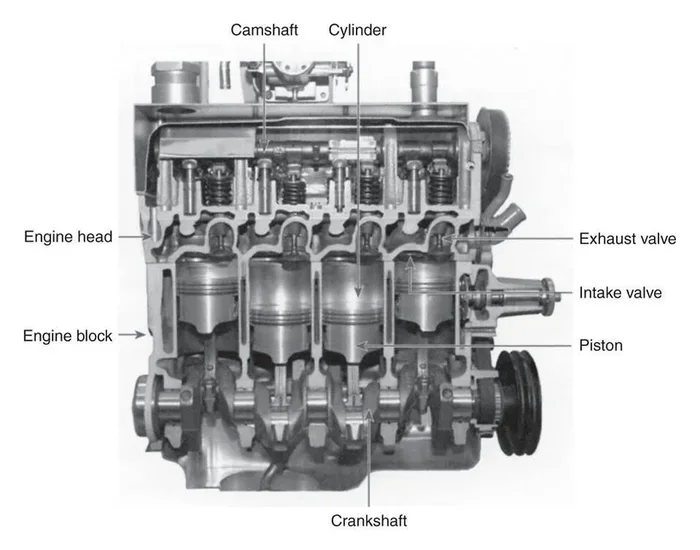
To understand how long your engine will last, it helps to know the parts that matter most. The crankshaft converts the up-and-down motion of the pistons into rotational power. The piston rings seal the gap between the pistons and the cylinder walls. The timing belt or chain keeps the camshaft and crankshaft synchronized. The engine block houses all of these components and provides the structural foundation. Each of these parts plays a critical role in engine performance. If one fails, it can affect the entire system. This is why regular inspections and timely replacements are so important for engine longevity.
Average Lifespan of a 2.4L 4 Cylinder Engine
Typical Mileage Expectations
So what is the real-world lifespan of a 2.4L 4 cylinder engine? Most experts agree that a well-maintained engine can last between 200,000 and 300,000 miles. Some drivers have pushed their engines well past 300,000 miles with consistent maintenance and gentle driving. The engine mileage lifespan depends heavily on how you treat your vehicle. A car driven 12,000 miles per year with regular oil changes could easily hit 200,000 miles in about 16 years. That is a long time to get great value from a single vehicle.
Different manufacturers have different benchmarks for the 2.4 liter engine. Toyota and Honda engines are known for exceptional durability. Many owners report 250,000 to 300,000 miles on stock engines with minimal issues. Other brands may see closer to the 200,000-mile mark under average conditions. These numbers assume the engine is maintained according to the manufacturer’s recommended service schedule. Skipping maintenance can cut your engine’s life in half or more.
How Engine Longevity Is Measured
Engine longevity is not just about miles. It also involves the condition of internal components over time. Engineers measure engine durability by tracking compression loss, oil consumption, and power output over the engine’s life. A healthy 2.4L engine should maintain strong compression and burn oil minimally as it ages. If you notice your engine burning more oil or losing power, these could be signs of wear. Regular compression tests can help you monitor your engine’s health and catch problems early.
Factors That Affect Engine Longevity
Maintenance Schedule and Oil Changes
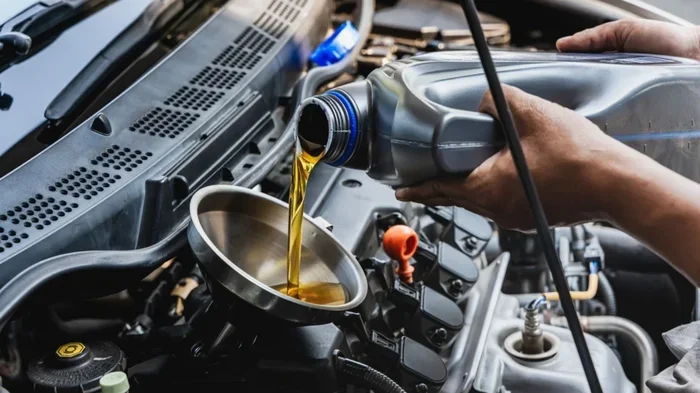
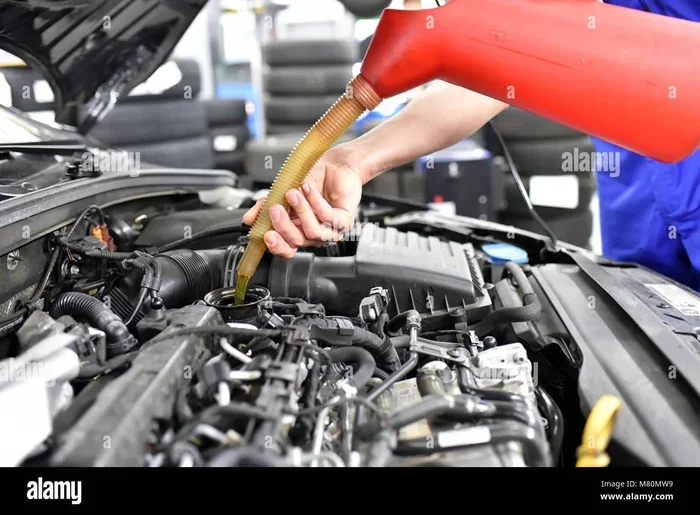
This is the biggest factor in how long your 2.4L 4 cylinder engine will last. Sticking to a strict maintenance schedule makes a massive difference. Most manufacturers recommend an oil change every 5,000 to 7,500 miles for conventional oil. Synthetic oil can extend this interval to 7,500 to 10,000 miles. Fresh oil lubricates the internal components and prevents metal-on-metal friction. Over time, oil breaks down and loses its effectiveness. Dirty oil causes increased wear on the pistons, crankshaft, and camshaft. Skipping oil changes is the fastest way to shorten your engine’s lifespan.
Beyond oil changes, the engine maintenance schedule includes replacing the air filter, spark plugs, and coolant at recommended intervals. A clogged air filter restricts airflow to the combustion chambers, reducing efficiency and increasing carbon buildup. Old spark plugs cause incomplete fuel burning, which strains the engine over time. Fresh coolant keeps the engine cooling system working properly and prevents overheating. Each of these small maintenance tasks adds up to a much longer engine life.
Driving Habits and Conditions
How you drive has a direct impact on your four cylinder engine lifespan. Aggressive driving with rapid acceleration and hard braking puts extra stress on all engine components. It increases heat buildup and causes the piston rings and cylinder walls to wear faster. Gentle, steady driving is much easier on the engine. If you can, avoid revving the engine to the redline during cold starts. Let the oil warm up and circulate for 30 to 60 seconds before driving at full speed.
Driving conditions also matter. Stop-and-go city traffic is harder on engines than steady highway cruising. Frequent short trips do not allow the engine to reach optimal operating temperature, which can cause moisture buildup and sludge formation. If your daily commute involves heavy traffic, consider taking occasional longer drives to help the engine burn off accumulated deposits. Extreme temperatures, both hot and cold, also affect engine performance over time.
Fuel Quality and Additives
The fuel you put in your tank affects your 2.4 liter engine more than you might think. Low-quality fuel can contain impurities that cause carbon deposits in the fuel injection system and combustion chambers. Over time, these deposits reduce efficiency and increase emissions. Using top-tier gasoline from reputable stations helps keep your engine clean. Some drivers also benefit from occasional fuel system cleaners, but these should be used sparingly and according to product instructions. Always check your owner’s manual for the recommended fuel octane rating for your specific vehicle.
Cooling System Health
Overheating is one of the most destructive things that can happen to any engine. The engine cooling system regulates the operating temperature and prevents thermal damage. If your coolant level is low or the radiator is clogged, your engine can overheat quickly. Even brief overheating episodes can warp the cylinder head and damage the head gasket. Check your coolant level regularly and have the cooling system flushed according to the maintenance schedule. Watch for signs of coolant leaks, such as puddles under your car or a sweet smell coming from the engine bay.
Signs Your 2.4L Engine Needs Attention
Unusual Noises and Vibrations
Your engine will often tell you when something is wrong. Listen for knocking, ticking, or rattling sounds that are new or getting louder. A knocking noise from the engine block can indicate worn rod bearings. Ticking sounds might mean low oil pressure or valve train issues. Vibrations while idling can point to misfiring cylinders or imbalance in the crankshaft rotation. Do not ignore these sounds. Catching problems early can save you from expensive repairs down the road.
Smoke and Exhaust Issues
The color of your exhaust smoke tells a lot about your engine’s health. Blue or gray smoke usually means the engine is burning oil, which could indicate worn piston rings or valve seals. White smoke can signal a coolant leak into the combustion chambers, possibly from a blown head gasket. Black smoke suggests the engine is running rich, meaning too much fuel and not enough air. Any persistent smoke from your exhaust deserves immediate attention from a qualified mechanic.
Loss of Power and Efficiency
If your 2.4L engine feels sluggish or you notice a drop in fuel economy, do not dismiss it. Loss of power often stems from reduced engine compression caused by worn cylinder walls or damaged piston rings. A clogged fuel injection system can also rob your engine of performance. Use an OBD2 scanner to check for error codes. Even if the check engine light is not on, a scanner can reveal hidden issues that are developing before they become serious problems.
Maintenance Tips to Extend Engine Life
Follow the Factory Maintenance Schedule
The single best thing you can do for your 2.4L 4 cylinder engine is follow the maintenance schedule in your owner’s manual. This schedule is designed by the engineers who built your engine. It covers every service interval from oil changes to timing belt replacements. Skipping recommended services might save you a little money now but will cost you much more in the long run. Keep a log of all maintenance performed on your vehicle. This record can also boost resale value if you decide to sell later.
Use Quality Fluids and Filters
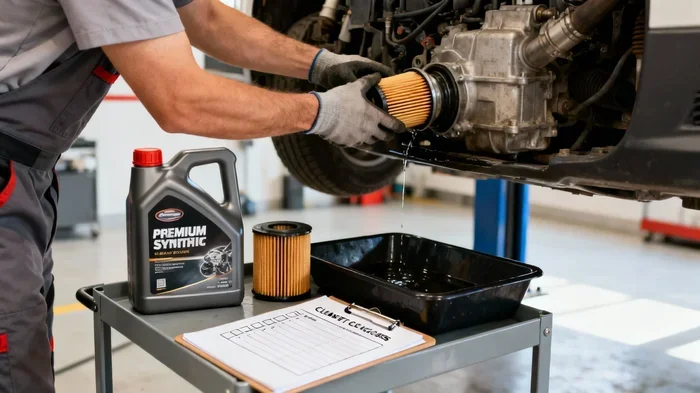
Not all oil, coolant, and filters are created equal. For the 2.4 liter engine, using synthetic motor oil offers superior protection compared to conventional oil. Synthetic oil maintains its viscosity better under extreme temperatures and resists breakdown over longer intervals. Choose oil filters that meet or exceed OEM specifications. A cheap filter might not trap contaminants effectively, allowing harmful particles to circulate through your engine. The same principle applies to transmission fluid, brake fluid, and power steering fluid. Quality fluids protect quality engines.
Replace the Timing Belt on Schedule
The timing belt is one of the most critical components in your four cylinder engine. It synchronizes the rotation of the crankshaft and camshaft so that valves open and close at the right time. A broken timing belt can cause catastrophic engine damage. Most manufacturers recommend replacing the timing belt between 60,000 and 100,000 miles. Check your specific vehicle’s recommendation and do not delay this service. The cost of a timing belt replacement is minor compared to the cost of repairing a engine damaged by a broken belt.
Keep the Engine Clean
Engine cleanliness matters more than many people realize. Dirt and debris can accumulate around the engine bay and trap moisture, leading to corrosion. Regularly wash the underside of your car to remove road salt and grime. Check for any fluid leaks and address them promptly. A small oil leak today can become a major seal failure tomorrow. Keeping your engine clean also makes it easier to spot new leaks or damaged components before they become serious problems.
Common 2.4L Engine Problems and Solutions
Timing Chain Stretch
Some 2.4L engines use a timing chain instead of a timing belt. While chains are generally more durable, they can stretch over time. A stretched timing chain causes rough idling, misfires, and reduced engine performance. If you notice a rattling noise when you start the engine, have it checked immediately. Replacing a timing chain early can prevent more serious damage to the combustion chambers and valve train.
Oil Consumption Issues
Some 2.4L 4 cylinder engines are known to consume more oil than expected as they age. This is often caused by worn valve seals or piston rings. If you need to add oil between changes, do not just top it off and ignore the problem. Excessive oil consumption can lead to carbon buildup and catalytic converter damage. Have your mechanic perform a compression test and inspect the valve seals. Addressing oil consumption early can prevent more costly repairs.
Coolant Leaks
Coolant leaks are a common issue in aging 2.4 liter engines. The most frequent culprits are the water pump, thermostat housing, and radiator hoses. A small leak might not seem urgent, but low coolant levels can lead to overheating and severe engine damage. Check your coolant reservoir regularly and inspect the area under your car for any green, orange, or pink puddles. Replacing a $20 hose is far cheaper than repairing a $2,000 overheating-related engine failure.
Check Engine Light Triggers
The check engine light can illuminate for dozens of reasons, from a loose gas cap to a failing oxygen sensor. For 2.4L engines, common triggers include issues with the fuel injection system, mass airflow sensor, or catalytic converter. Do not ignore the light or assume it will go away on its own. Use a diagnostic scanner to read the error codes and take the vehicle to a mechanic for proper diagnosis. Early detection of sensor issues can prevent cascading problems that affect overall engine performance.
Engine Overheating
Overheating is a serious concern for any engine, and the 2.4L 4 cylinder engine is no exception. Common causes include a failing water pump, low coolant, a stuck thermostat, or a malfunctioning radiator fan. If your temperature gauge starts climbing, pull over safely and turn off the engine. Continuing to drive an overheating engine can cause the head gasket to blow, the engine block to crack, or the pistons to seize. These repairs are expensive and sometimes make the vehicle uneconomical to fix. Prevention through regular cooling system maintenance is always the better approach.
Engine Rebuild vs. Replacement: What to Consider
When a 2.4L engine reaches a certain age or mileage, you may face a tough decision: rebuild or replace. An engine rebuild involves disassembling the engine, inspecting all components, and replacing worn parts like piston rings, bearings, and gaskets. A rebuild typically costs between $2,500 and $4,500 depending on the extent of the work and your location. It can add another 100,000 miles or more to your engine’s life if done properly.
A full engine replacement is more expensive, often costing between $4,000 and $8,000 for a 2.4L 4 cylinder engine swap. However, it gives you a fresh start with a newer, more efficient engine. Many shops offer remanufactured engines that come with warranties, which can provide peace of mind. The right choice depends on the overall condition of your vehicle, the cost of repairs, and your budget. If the rest of the car is in great shape, a rebuild often makes the most financial sense.
Expert Insights on Maximizing 2.4L Engine Life
Experienced mechanics and automotive engineers agree on a few key principles for maximizing the life of any four cylinder engine. First, never skip oil changes. Fresh oil is the lifeblood of your engine. Second, address small problems before they become big ones. A small coolant leak today can become a blown head gasket next month. Third, drive gently during the first 100,000 miles. This is when the engine components are wearing in and settling together. Fourth, use the right fuel and fluids specified by your vehicle manufacturer. Fifth, keep detailed maintenance records so you can track patterns and anticipate future service needs.
Mechanics also emphasize the importance of warming up your engine properly, especially in cold weather. A cold engine has thicker oil that does not flow as well, which means more friction on internal components. Driving gently for the first few minutes after starting allows the oil to reach all the critical parts. This simple habit can add thousands of miles to your engine durability over the life of the vehicle.
Key Takeaways
- Average Lifespan: A well-maintained 2.4L 4 cylinder engine can last between 200,000 and 300,000 miles.
- Oil Changes Are Critical: Regular oil and filter changes are the single most important factor in engine longevity.
- Driving Habits Matter: Gentle acceleration and proper warm-up routines reduce wear on pistons, rings, and bearings.
- Watch for Warning Signs: Unusual noises, smoke, overheating, and power loss are early indicators of engine problems.
- Use Quality Fluids: Synthetic motor oil and OEM-spec replacement parts protect internal components better than budget alternatives.
- Timing Belt Replacement: Replace the timing belt or chain on schedule to prevent catastrophic engine damage.
- Rebuild vs. Replace: A rebuild is often more cost-effective than a full replacement for aging but otherwise healthy vehicles.
Conclusion
The 2.4L 4 cylinder engine is a proven, reliable powerplant that can serve you well for hundreds of thousands of miles. The key to unlocking that longevity lies in consistent maintenance, smart driving habits, and paying attention to warning signs before they become major problems. Your engine is the heart of your vehicle, and treating it with care pays off in reliability, performance, and savings over the long run. Follow the maintenance schedule, use quality fluids, and listen to what your engine is telling you. With the right approach, your 2.4 liter engine will keep you moving confidently for many years to come.
Do not wait until something goes wrong to start taking better care of your engine. Start today with the next oil change, the next coolant check, and the next time you notice something unusual. Small actions today prevent big problems tomorrow. Your four cylinder engine will thank you with many more miles of dependable service.
Frequently Asked Questions
How many miles can a 2.4L 4 cylinder engine last?
With proper maintenance, a 2.4L 4 cylinder engine can last between 200,000 and 300,000 miles. Some well-cared-for engines even exceed 300,000 miles. Regular oil changes and gentle driving are the biggest contributors to reaching these high mileages.
What is the most common problem with 2.4L engines?
The most common issues include oil consumption, timing chain stretch, and coolant leaks. These problems typically develop as the engine ages past 150,000 miles. Regular maintenance and early detection can prevent most of these issues from becoming serious.
Is it worth rebuilding a 2.4L engine?
Yes, an engine rebuild is often worth it if the rest of the vehicle is in good condition. A rebuild typically costs between $2,500 and $4,500 and can add 100,000 or more miles to your engine’s life. It is usually more affordable than a full engine replacement.
How often should I change the oil in my 2.4L engine?
Most manufacturers recommend an oil change every 5,000 to 7,500 miles for conventional oil. If you use synthetic motor oil, you can extend the interval to 7,500 to 10,000 miles. Always check your owner’s manual for the specific recommendation for your vehicle.
Can I use synthetic oil in my 2.4L 4 cylinder engine?
Yes, synthetic oil is highly recommended for 2.4L engines. It provides better protection against heat, reduces friction, and lasts longer than conventional oil. Using synthetic oil can contribute to better engine durability and extended intervals between oil changes.
What causes a 2.4L engine to overheat?
Common causes of overheating include low coolant, a failing water pump, a stuck thermostat, or a malfunctioning radiator fan. Overheating can cause severe damage if not addressed quickly. Always check your coolant level and cooling system components at regular intervals to prevent overheating.