How Long Does Fuel Injector Cleaner Take to Work Exactly
A fuel injector cleaner typically starts working within 10 to 15 minutes after you add it to your tank, but full results may take 30 to 50 miles of driving. The fuel injector cleaner dissolves carbon deposits and grime inside your fuel injection system, restoring proper fuel flow. How fast you see improvements depends on the product type, how dirty your injectors are, and your driving habits. Most drivers notice better engine performance and smoother idle within a few tanks of gas.
You pour a bottle of fuel injector cleaner into your gas tank and then what? That is the question most car owners ask. You want your engine to run better. You want the rough idle to stop. You want that annoying engine light to turn off. But how long does fuel injector cleaner take to work exactly?
The answer is not as simple as “five minutes.” It depends on the product, the condition of your injectors, and how you drive. Let me walk you through everything you need to know. By the end of this guide, you will have a clear picture of what to expect. You will also know how to get the best results from your fuel injector cleaner.
## What Does a Fuel Injector Cleaner Actually Do?
Before we talk about timing, let us understand what the cleaner does. A fuel injector cleaner is a gasoline additive. You pour it directly into your fuel tank. It mixes with your gasoline and travels through the fuel system.
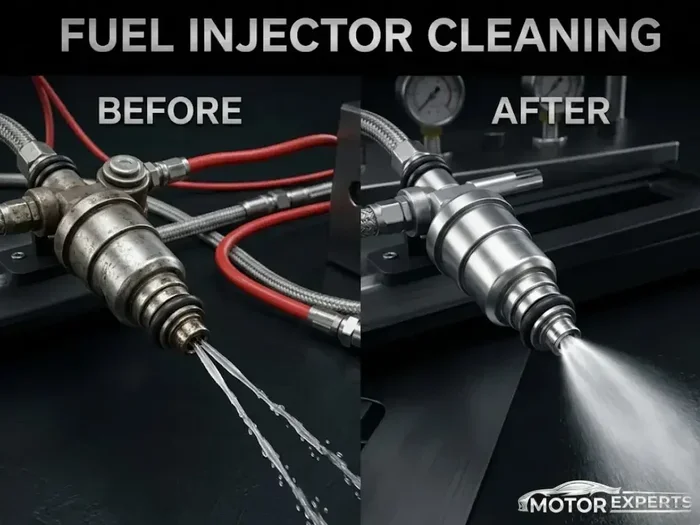
As the mixture flows through your fuel lines, it reaches the injectors. The cleaner dissolves carbon buildup, varnish, and gum deposits. These deposits form over time from burned fuel and contaminants. They clog the tiny openings in your injectors. When injectors get clogged, they cannot spray fuel properly.
A clean injector sprays fuel in a fine, even mist. This mist mixes well with air in the combustion chamber. The result is a better fuel burn. A better fuel burn means more power and fewer emissions.
### Why Injectors Get Dirty in the First Place
Modern gasoline contains some impurities. Even “top tier” fuel leaves behind residue. Over thousands of miles, this residue builds up on injector tips. Heat from the engine bakes this residue into hard deposits. Short trips make the problem worse. The engine never gets hot enough to burn off the buildup.
Also, low-quality fuel makes things worse. Gasoline with fewer detergents leaves more deposits behind. That is why many experts recommend using a fuel system cleaner regularly.
## How Long Does Fuel Injector Cleaner Take to Work?
This is the big question. And the answer has layers. A fuel injector cleaner works in stages. Each stage takes a different amount of time.
### The Immediate Phase (First 10 to 15 Minutes)
As soon as you pour the cleaner into your tank and start driving, it begins mixing with gasoline. Within 10 to 15 minutes of driving, the cleaner reaches your fuel rail and injectors. It starts dissolving soft deposits right away.
You will not feel anything yet. The cleaner needs time to break down the buildup. Think of it like dish soap on greasy pans. The soap starts working immediately, but you need to let it soak.
### The Active Cleaning Phase (15 to 50 Miles)
The real cleaning happens as you drive. Most fuel injector cleaners need you to drive 30 to 50 miles for the full cleaning cycle. During this phase, the cleaner circulates through the entire fuel system multiple times.
Each time the fuel pump pushes gas through the injectors, more deposits dissolve. The cleaner also cleans the fuel lines, fuel filter, and combustion chamber. This is why some people say you need to drive several tanks worth of fuel for the cleaner to finish its job.
### The Results Phase (After 50 Miles)
This is when you start noticing changes. Your idle should feel smoother. The engine may respond faster when you press the gas pedal. Some drivers notice better fuel economy within the first tank after using the cleaner.
However, if your injectors were severely clogged, you might not see big changes right away. In those cases, you may need a second treatment. More on that later.
## Factors That Affect How Fast a Fuel Injector Cleaner Works
Not all fuel injector cleaners work at the same speed. Several factors change how quickly you see results.
### Product Strength and Concentration
Not all cleaners are created equal. A concentrated fuel injector cleaner works faster than a diluted one. Products like Chevron Techron or Red Line SI-1 are highly concentrated. They pack more cleaning power per ounce.
Cheaper additives from the gas station pump are often weaker. They may take several treatments before you notice a difference. Always check the label for concentration levels and recommended dosage.
### How Dirty Your Injectors Are
This one is obvious but important. If your injectors are lightly dirty, the cleaner works fast. If they are badly clogged, it takes longer. Heavy buildup may require two or three treatments spaced a week apart.
Think of it like cleaning a dirty oven. A light wipe takes five minutes. A tough, baked-on stain takes several rounds of scrubbing.
### Your Driving Style and Conditions
How you drive affects the cleaning speed. Highway driving at steady speeds works best. The engine runs at a consistent temperature. Fuel flows steadily through the system. This helps the cleaner circulate evenly.
Short trips around town are less effective. The engine never reaches full operating temperature. The cleaner does not get as hot, so it works slower. If you can, take a 20-minute highway drive after adding the cleaner.
### Fuel Quality and Type
The gasoline you use matters too. Higher-quality fuel with more detergents helps the cleaner work better. Low-quality fuel can leave new deposits even as the cleaner removes old ones.
Also, the type of fuel matters. Diesel injectors are different from gasoline injectors. Make sure you use a cleaner designed for your engine type. Using the wrong product can do more harm than good.
### Engine Condition and Age
Older engines tend to have more buildup. Years of fuel residue accumulate inside the fuel system. Newer engines with direct injection can also develop deposits, but differently. Direct injectors spray fuel directly into the cylinder. This design creates more carbon buildup on intake valves.
The age and condition of your fuel pump and fuel filter also play a role. A weak fuel pump may not circulate the cleaner effectively. A clogged fuel filter can block the cleaning solution from reaching the injectors.
## Signs Your Fuel Injector Cleaner Is Working
You want to know if the product is doing its job. Here are clear signs that your fuel injector cleaner is working.
### Smoother Idle
One of the first things you will notice is a smoother idle. Before treatment, your engine might shake or sound rough when stopped at a light. After the cleaner cycles through, the shaking should decrease. The RPMs should stabilize.
### Better Acceleration
A clogged injector delivers fuel unevenly. This causes hesitation when you step on the gas. As the cleaner dissolves deposits, fuel flow improves. You should feel a more responsive throttle. The engine picks up speed more smoothly.
### Improved Fuel Economy
When injectors spray fuel properly, the engine burns fuel more efficiently. You may notice you are filling up less often. Even a small improvement of 1 to 2 miles per gallon adds up over time.
### Fewer Engine Misfires
A misfire happens when one or more cylinders do not fire correctly. Dirty injectors are a common cause. As the cleaner clears the blockage, misfires should decrease or stop entirely.
### Engine Light Turns Off
If your check engine light was on due to fuel delivery issues, it may turn off after treatment. However, not all check engine lights are caused by dirty injectors. If the light stays on, you should get the codes read by a mechanic.
## How to Get the Best Results from Fuel Injector Cleaner
Using a fuel injector cleaner is simple. But doing it right makes a big difference. Follow these steps for the best results.
### Step-by-Step Usage Guide
1. Choose the right product for your vehicle. Check the label for compatibility.
2. Read the instructions on the bottle carefully. Each product has a different dosage.
3. Add the cleaner to a nearly empty fuel tank. This helps it mix more thoroughly with the gasoline.
4. Fill up the tank with fuel immediately after adding the cleaner.
5. Drive normally for at least 30 to 50 miles. Avoid very short trips if possible.
6. Repeat the treatment every 3,000 to 5,000 miles for best maintenance results.
### Quick Tips for Maximum Effectiveness
– Always add the cleaner before filling up, not after. This ensures proper mixing.
– Use the recommended amount. More cleaner does not mean better cleaning.
– Combine the treatment with a fuel filter change for the best results.
– Drive at highway speeds after treatment to help the cleaner circulate fully.
– Do not skip treatments. Regular use prevents heavy buildup from forming.
### Common Mistakes People Make with Fuel Injector Cleaner
Even though fuel injector cleaner is easy to use, people make mistakes. Here are the most common ones.
Using too much cleaner. More is not better. Overdosing can damage O-rings and seals in the fuel system. Stick to the recommended amount on the label.
Using the wrong product for your engine. Gasoline and diesel engines need different cleaners. Direct injection engines have specific needs too. Always match the product to your engine type.
Expecting instant results. Fuel injector cleaner is not a magic potion. It needs time and driving distance to work. If you expect instant results, you will be disappointed.
Using it as a replacement for regular maintenance. A fuel injector cleaner helps, but it does not replace a fuel filter change or fuel pump inspection. Use it as part of a broader maintenance routine.
Ignoring underlying problems. If your injectors are severely clogged, a cleaner alone may not fix the issue. In some cases, you need professional cleaning or injector replacement. A mechanic can diagnose this with a fuel pressure test.
## How Often Should You Use Fuel Injector Cleaner?
Prevention is always better than cure. Using a fuel injector cleaner regularly keeps your fuel system clean and running well. Most experts recommend treating your fuel system every 3,000 to 5,000 miles.
If you mostly drive short trips, consider using it more often. Short trips cause more buildup because the engine never fully warms up. If you drive mostly highway miles, every 5,000 to 7,000 miles should be sufficient.
Some people add a small dose of cleaner with every tank of gas. This is a great preventive habit. It keeps deposits from building up in the first place.
### Expert Insight
“Think of fuel injector cleaner like brushing your teeth,” says automotive technician Mike C. “You do not wait until you have a cavity. You do it regularly to prevent problems. The same applies to your fuel system.”
## Fuel Injector Cleaner vs. Other Fuel System Cleaners
Not all fuel system products are the same. Let us look at how fuel injector cleaner compares to other options.
| Product Type | What It Cleans | How Fast It Works | Best For |
|—|—|—|—|
| Fuel Injector Cleaner | Injector tips and fuel lines | 10-50 miles | Clogged injectors, rough idle |
| Fuel System Cleaner | Entire fuel system including intake valves | 50-100 miles | Heavy carbon buildup, maintenance |
| Octane Booster | Combustion efficiency | Immediate | Performance improvement, knocking |
| Carburetor Cleaner | Carburetor jets and passages | Immediate spray cleaning | Older engines with carburetors |
| Fuel Line Antifreeze | Moisture in fuel lines | Immediate | Cold weather, water in fuel |
Each product serves a different purpose. A fuel injector cleaner targets the injectors specifically. A fuel system cleaner does a broader job. Choose based on your specific needs.
## When to Skip the Cleaner and See a Mechanic
A fuel injector cleaner works great for light to moderate buildup. But there are times when it is not enough.
If your engine is misfiring severely, a cleaner may not solve the problem. If you notice a strong fuel smell, that could indicate a leak, not dirty injectors. If your fuel pressure is very low, the fuel pump itself may be failing.
In these cases, take your car to a trusted mechanic. They can perform a professional fuel system cleaning or replace faulty parts. A fuel pressure test will reveal whether the problem is in the injectors or elsewhere.
## The Bottom Line on Fuel Injector Cleaner Timing
So how long does fuel injector cleaner take to work exactly? The short answer is minutes to start dissolving deposits, 30 to 50 miles to show results, and continued improvement over the next few tanks of fuel.
A fuel injector cleaner is one of the easiest and cheapest maintenance tasks you can do for your car. It takes five minutes to add. It costs a few dollars. And it can significantly improve your engine performance and fuel economy.
Do not wait until you have obvious problems. Make it a regular part of your maintenance schedule. Your fuel system will thank you with smoother running, better acceleration, and fewer headaches at the gas pump.
Key Takeaways
- Fast-acting formula: Most fuel injector cleaners begin dissolving deposits within minutes of entering the fuel system.
- Full results take time: Expect to drive 30 to 50 miles before noticing significant improvements in engine performance.
- Product type matters: Concentrated cleaners work faster than diluted additives found at gas stations.
- Driving conditions affect speed: Highway driving helps the cleaner circulate faster than short trips.
- Regular use prevents buildup: Using a fuel injector cleaner every 3,000 to 5,000 miles keeps your system clean.
- Warning signs tell the story: Rough idle, misfires, and poor fuel economy signal that your injectors need cleaning.
- Follow the instructions: Using the right amount and method ensures the cleaner works as intended.
Frequently Asked Questions
Can I leave fuel injector cleaner in the tank for too long?
No, you do not need to worry about leaving it in the tank. The cleaner mixes with fuel and burns off naturally during driving. It is designed to be safe for continuous use within the fuel system. Just follow the dosage instructions on the bottle.
Will fuel injector cleaner damage my engine?
When used correctly, a fuel injector cleaner will not damage your engine. These products are formulated to be safe for fuel system components. However, using too much or the wrong type of cleaner can cause issues. Always match the product to your engine type and follow the recommended dosage.
How long after adding fuel injector cleaner should I drive?
You should drive at least 30 to 50 miles after adding the cleaner. This gives the solution time to circulate through the entire fuel system and dissolve deposits. A mix of highway and city driving works best for thorough cleaning.
Can I use fuel injector cleaner in a diesel engine?
Yes, but only if the product is specifically designed for diesel engines. Diesel fuel injectors work differently than gasoline injectors. Using a gasoline-only cleaner in a diesel engine can cause damage. Always check the label for diesel compatibility.
How often should I use a fuel injector cleaner?
Most experts recommend using a fuel injector cleaner every 3,000 to 5,000 miles. If you drive mostly short trips, consider using it more frequently. Regular use prevents carbon buildup and keeps your fuel system running smoothly.
What happens if I use too much fuel injector cleaner?
Using too much cleaner can damage O-rings, seals, and fuel system components. Excess chemicals can also clog the fuel filter temporarily. Always measure the correct amount and follow the instructions on the product label carefully.
=== CONCLUSION ===
A fuel injector cleaner is one of the simplest and most effective maintenance products you can use. It works fast, costs little, and delivers real results. Most products start dissolving deposits within minutes and show noticeable improvements after 30 to 50 miles of driving. The key is to use the right product, follow the instructions, and make it a regular habit. Keep your fuel system clean, and your engine will reward you with smooth performance and better fuel economy for years to come.