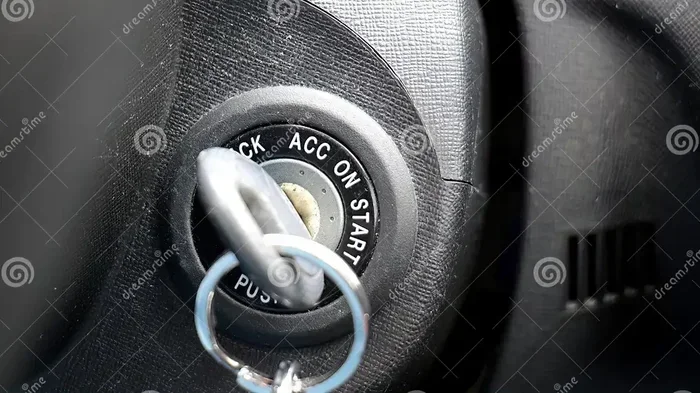
Learn How Do You Bypass Ignition Start The Easy Way
Learn how do you bypass ignition start the easy way with this complete guide. Whether your ignition switch is faulty or you lost your key, bypassing the ignition start is a skill every car owner should know. This guide covers bypass ignition switch methods, tools needed, and step-by-step instructions. You will learn safe techniques, common mistakes to avoid, and expert tips for ignition switch repair and maintenance. Read on to master the process confidently.
Your car’s ignition system is the heart of every start. When it fails, you are left stranded and frustrated. Learning how do you bypass ignition start can save you time and money right away. Whether you are dealing with a broken switch or a lost key, knowing the bypass process gives you control over the situation. This guide walks you through every method in simple, clear steps that anyone can follow.
A bypass ignition switch is not about breaking into your car. It is a legitimate maintenance technique used by mechanics and DIYers every day. You might need it during ignition switch repair, after an upgrade, or when the original switch simply fails. Understanding the process helps you stay safe and get back on the road fast without waiting for a tow truck.
Before you start, remember that working with ignition wiring requires care and patience. Always prioritize safety above speed. This guide covers everything from basic tools to advanced methods. By the end, you will feel confident tackling your own ignition start bypass project at home.
Key Takeaways
- Multiple Bypass Methods: Learn three reliable ways to bypass ignition start depending on your vehicle type and situation.
- Basic Tools Required: You only need a few common tools like a relay, multimeter, and wire stripper to get started.
- Safety First: Always disconnect the battery before working on ignition wiring to prevent electrical damage or injury.
- Know Your Symptoms: Recognizing ignition switch symptoms early helps you decide if a bypass is the right solution.
- Method Matters: Different vehicles need different approaches, from a relay bypass to direct wire methods.
- Common Mistakes Exist: Avoid short circuits and wrong wire connections with our expert tips and warnings.
- Temporary Fix: A bypass is a temporary solution. Always plan for a proper ignition switch replacement soon after.
📑 Table of Contents
How Do You Bypass Ignition Start: Understanding the Basics
Before you touch any wires, you need to understand what you are working with. The ignition system is simpler than it looks once you break it down into its core parts.
How the Ignition System Works
Your ignition system has a few key components that work together. The ignition lock cylinder is the lock where you insert your key. When you turn the key, it sends an electrical signal through the ignition switch to the starter motor. The starter motor then cranks the engine. From there, the ignition coil creates the spark that fires the engine and gets you running.
The whole process happens in just a few seconds. But when one part fails, the entire chain breaks. You might turn the key and hear nothing at all. Or you might get a clicking sound but no start. These are common key ignition problems that a proper bypass can solve quickly.
Recognizing Ignition Switch Symptoms
Knowing the signs of a failing ignition switch helps you decide when a bypass is needed. Watch for these ignition switch symptoms:
- The engine does not respond when you turn the key.
- The starter engages but the engine does not crank.
- You experience intermittent starting, where the car starts sometimes but not others.
- The dashboard lights flicker or go dead when you turn the key.
- The key gets stuck or feels loose in the ignition lock cylinder.
If you notice any of these signs, a bypass ignition switch can get you going temporarily while you plan a permanent fix. The next sections will show you exactly how.
Tools and Equipment You Will Need
Gathering the right tools before you start makes the job much easier. You do not need anything fancy or expensive. Most of these items are common and affordable at any auto parts store.
Essential Tools for the Job
- Multimeter: This tool tests electrical connections and voltage. It helps you identify the right wires quickly and accurately.
- Wire stripper: You need clean wire ends for solid and reliable connections every time.
- Electrical tape: This insulates your connections and prevents short circuits and sparks.
- Relay (for relay bypass method): A standard automotive bypass relay handles the current safely and reliably.
- Screwdriver set: Both flathead and Phillips head styles are needed for accessing the steering column.
- Flashlight: You will be working in tight spaces, often in dim or dark conditions.
Safety Equipment You Should Have
- Safety glasses: Protect your eyes from sparks or small debris while working.
- Insulated gloves: These protect against electrical shock when handling live wires.
- Fire extinguisher: Keep one nearby whenever you work with electrical systems in your vehicle.
Quick Tip: Always disconnect the negative battery terminal before you begin any electrical work. This simple step prevents damage to your vehicle’s electrical system and keeps you completely safe throughout the process.
Step-by-Step Guide to Bypassing the Ignition Start
Now comes the hands-on part. Below are three proven methods for bypass ignition switch situations. Choose the one that fits your vehicle and your specific needs best.
Method 1: Relay Bypass
The relay bypass is the safest and most popular method. It uses a bypass relay to send power directly to the starter. This method works well for most vehicles with traditional key ignitions and is the go-to choice for many mechanics.
- Locate the starter solenoid under the hood. It is a small cylindrical device connected to thick power cables.
- Identify the positive battery wire leading to the solenoid. Use your multimeter to confirm the wire’s function.
- Connect the relay between the battery and the solenoid. The relay acts as a switch controlled by a separate signal wire from the ignition.
- Run a thin signal wire from the relay to the ignition switch output terminal on the ignition module.
- Turn the relay on by bridging the signal wire momentarily. The starter should engage and crank the engine.
This method keeps the original wiring intact. You can easily reverse it when you replace the faulty ignition switch with a new one. It is the best choice for a reliable electrical bypass that does not damage your vehicle.
Method 2: Direct Wire Bypass
The direct wire method connects the battery power straight to the starter. It is faster but requires more care and experience. This method is best for experienced DIYers who need a quick fix or diagnostic solution.
- Disconnect the battery completely to prevent any short circuits or electrical damage.
- Locate the ignition wiring harness behind the steering column. You will need to remove the steering column cover.
- Identify the wire that sends power to the starter. Use your multimeter to test for voltage when the key is in the start position.
- Strip the end of that wire and connect it directly to the battery positive terminal using a proper connector.
- You should hear the starter engage immediately and begin cranking the engine.
Common Mistake: Do not touch the wrong wire. Connecting the wrong wire to the battery can cause a short circuit or damage the ignition module. Always double-check with a multimeter before making any connection. This is a temporary fix only and should not be used as a permanent solution.
Method 3: Push-Button Start Bypass
Modern vehicles with push button start systems use a key fob bypass method. When the fob battery dies or the RFID reader fails, you can start the car manually without replacing parts right away.
- Check your owner’s manual for the exact bypass procedure. Each manufacturer has a specific location for the backup start antenna or button.
- Place the key fob against the start button or a designated spot on the steering column or center console.
- Press the brake pedal firmly and push the start button at the same time.
- The system should recognize the fob’s RFID signal and start the engine normally.
If the fob is completely dead, some vehicles allow you to hold the fob directly against the start button. This creates a close-proximity signal that the system can still read. This push button start bypass method works on many Toyota, Honda, Ford, and Nissan models. It is a simple and effective temporary solution when your fob battery dies unexpectedly.
Comparing Different Bypass Methods
Not all bypass methods are the same. Each approach has its own strengths and weaknesses depending on your vehicle and situation. Use the comparison below to find the best approach for your needs.
| Method | Difficulty Level | Safety Rating | Best For | Reversible? |
|---|---|---|---|---|
| Relay Bypass | Easy | High | Traditional key ignition vehicles | Yes, fully reversible |
| Direct Wire Bypass | Medium | Medium | Emergency starts and diagnostics | Yes, but requires rewiring |
| Key Fob Bypass | Easy | High | Modern push-button start vehicles | Yes, fully reversible |
The relay bypass is the best overall choice for most people. It is safe, reversible, and does not require cutting or modifying any of your original wires. The direct wire method is useful in emergencies but should never become a permanent solution. The key fob bypass is specific to modern vehicles and is very simple to execute when needed.
Expert Insight: A bypass relay is always the preferred method for long-term use. It protects your ignition wiring and reduces the risk of electrical fires or damage. Only use the direct wire method when you need a quick diagnostic or temporary emergency fix. Think of it like hotwiring a vehicle, but done safely and with proper tools.
Quick Tips and Common Mistakes
Even with the right method, mistakes can happen. Here are quick tips and common errors to watch for during your ignition start bypass project.
Quick Tips for Success
- Label your wires: Use colored tape or markers to identify each wire before you disconnect anything. This saves huge confusion later.
- Take photos: Photograph the original wiring before you make any changes. This makes reinstallation much easier and faster.
- Test with the multimeter first: Always verify which wire carries the start signal before connecting anything to the battery terminal.
- Work in a dry area: Moisture increases the risk of electrical shorts, sparks, and potential shocks while you work.
- Keep connections tight: Loose wires can cause intermittent starting problems and overheating over time.
Common Mistakes to Avoid
- Skipping the battery disconnect: This is the number one cause of electrical damage during any bypass work on a vehicle.
- Connecting the wrong wire: Always use a multimeter to confirm wire function before making any live connection to the battery.
- Ignoring the neutral safety switch: On automatic transmission vehicles, the car will not start unless it is in Park or Neutral. Bypassing the ignition will not fix a neutral safety switch issue.
- Using too thin wire: The starter draws high current, often over 100 amps. Thin wires can overheat and cause a serious fire hazard.
- Forgetting to restore the original setup: A bypass is a temporary fix. Replace the faulty ignition switch as soon as possible to restore full security and function.
Quick Tip: If your car not starting issue persists after the bypass, the problem may be deeper than the ignition switch. Check the starter motor, the neutral safety switch, and the ignition coil before assuming the bypass is the issue. Sometimes the real problem is hiding in plain sight.
Expert Insights on Ignition Bypass Safety
Working with your vehicle’s electrical system demands respect and caution. Here are expert-backed safety guidelines every DIYer should follow before attempting any bypass work.
Always prioritize the battery disconnect. This is the single most important safety step in the entire process. A live electrical system can cause sparks, shorts, and even fires in extreme cases. The few seconds it takes to disconnect the battery can save you hundreds of dollars in repairs and keep you safe from harm.
Use the right gauge wire for your connections. The starter motor draws anywhere from 100 to 200 amps during cranking. Using undersized wire creates resistance, which generates heat. Over time, this heat can melt wire insulation and cause a fire inside your steering column or engine bay.
Never bypass the ignition system permanently without understanding the risks. The ignition switch serves an important security function for your vehicle. Removing it entirely makes your car vulnerable to theft. If you need a long-term solution, invest in a proper ignition switch replacement rather than leaving the bypass in place indefinitely.
When in doubt, consult a professional mechanic. Some vehicles have complex wiring systems that are not beginner-friendly. Modern cars with computer-controlled ignition modules may require specialized diagnostic tools and knowledge. A professional can save you time, money, and prevent costly mistakes that could damage your vehicle further.
Key Takeaway: A bypass ignition switch is a temporary solution. It gets you going when you are stranded and need to get moving. But for long-term reliability and safety, always replace the faulty component with a proper ignition switch repair or full ignition switch replacement as soon as possible.
Conclusion
Now you know how do you bypass ignition start the easy way. You have learned about the different methods, the tools you need, and the safety precautions to follow every step of the way. Whether you choose the relay bypass, the direct wire method, or the key fob bypass, the key is to work carefully and methodically throughout the process.
Remember that bypassing the ignition start is a useful skill for any car owner. It helps you handle car not starting situations with confidence and get back on the road quickly. But it is not a replacement for proper maintenance and care. Replace faulty switches promptly, keep your ignition wiring in good condition, and address key ignition problems early before they become bigger issues.
Use this guide as your reference whenever you need to bypass ignition switch issues. Share it with fellow car enthusiasts who might find it helpful in a pinch. And most importantly, stay safe while working on your vehicle. With the right knowledge, the right tools, and the right approach, you can handle ignition problems like a experienced pro.
Frequently Asked Questions
Is it legal to bypass my ignition switch?
Bypassing your ignition switch for maintenance, repair, or diagnostic purposes is legal. It becomes illegal only if you bypass it to steal a vehicle or permanently remove the security function without owning the car. Always use bypass methods responsibly and for legitimate repair purposes only.
Can I bypass ignition start on a modern car with keyless entry?
Yes, modern vehicles with push-button start can be bypassed using the key fob method. You simply place the fob against the start button or a designated antenna point. However, modern vehicles also have more complex wiring, so consulting your owner’s manual or a professional is always a good idea before attempting any bypass.
What happens if I connect the wrong wire during a bypass?
Connecting the wrong wire can cause a short circuit, blow a fuse, or damage the ignition module or starter motor. In rare cases, it can even cause a fire. Always use a multimeter to verify wire function and disconnect the battery before making any connections. If you are unsure, seek professional help.
Do I need professional help for an ignition bypass?
For simple relay bypasses and key fob bypasses, most car owners can handle the job themselves with basic tools. However, if your vehicle has complex wiring, a computer-controlled ignition module, or if you are not comfortable working with electrical systems, it is wise to consult a professional mechanic for safety and peace of mind.
How much does it cost to replace an ignition switch instead of bypassing?
A professional ignition switch replacement typically costs between $150 and $350, including parts and labor. The part itself costs between $50 and $200 depending on your vehicle make and model. Doing the replacement yourself can save you the labor cost and bring the total down to around $50 to $200 for the part alone.
Will bypassing the ignition start damage my vehicle?
If done correctly with the right tools and safety precautions, a bypass will not damage your vehicle. However, incorrect wiring, using the wrong gauge wire, or leaving a bypass in place permanently can cause electrical damage, short circuits, or even fire. Always treat a bypass as a temporary solution and plan for a proper ignition switch repair or replacement soon after.