What Is a VIN QR Code and How It Works for Vehicle Owners
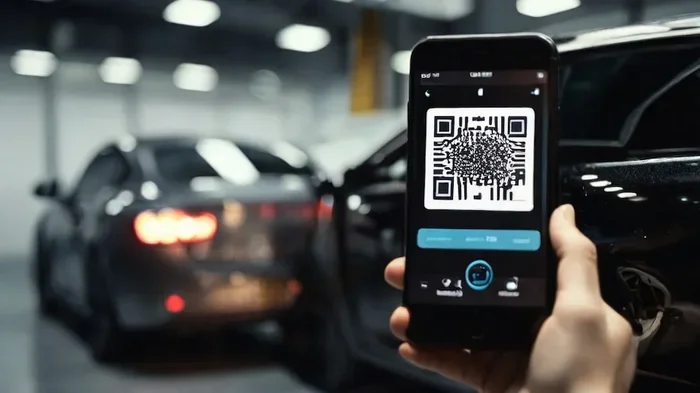
A VIN QR code is a quick-response code linked to your vehicle identification number that lets you access detailed car information instantly. It works like a digital shortcut, connecting your smartphone to important vehicle data in seconds. Vehicle owners can use it for history checks, theft prevention, and smoother registration. Scanning a VIN QR code is simple and requires only a phone camera or a free app. This technology is changing how we buy, sell, and maintain cars.
If you have ever wondered what those square black-and-white codes on cars are all about, you are not alone. A VIN QR code is a small but powerful tool that is changing how we interact with our vehicles. Think of it as a digital ID card for your car. Just like you scan a barcode at the grocery store, you can scan a VIN QR code with your phone and unlock a wealth of information about your vehicle.
For car owners, this technology is a game changer. It makes checking a car’s past easier, speeds up registration, and helps keep your vehicle safe from theft. Whether you are buying a used car, selling yours, or just staying on top of maintenance, a VIN QR code puts the right information right at your fingertips.
The automotive industry has been moving toward digital solutions for years now. From smart car technology to online vehicle registration, the shift is clear. VIN QR codes sit right at the heart of this digital transformation. They bridge the gap between a physical car and its digital records, making life simpler for everyone involved.
In this article, we will break down everything you need to know about VIN QR codes. You will learn how they work, where to find them, and why they matter for everyday car ownership. By the end, you will see just how useful this small square code can be.
Key Takeaways
- A VIN QR code links your vehicle to digital data: It connects your car’s unique identification number to online records instantly.
- Scanning is easy and fast: Any smartphone camera or free QR app can read the code in seconds.
- It improves car buyer protection: Buyers can verify vehicle history before making a purchase decision.
- VIN QR codes help prevent theft: They make it harder for thieves to sell stolen vehicles with fake records.
- Owners benefit from simpler registration: Dealerships and DMVs can process paperwork faster with QR-based verification.
- Fleet management becomes more efficient: Businesses use VIN QR codes to track and maintain large vehicle inventories.
- The technology is growing fast: Digital vehicle passports and smart car technology are making VIN QR codes standard in the automotive industry.
📑 Table of Contents
- What Is a VIN QR Code?
- How Does a VIN QR Code Work?
- Benefits of Using VIN QR Codes for Vehicle Owners
- Where to Find the VIN QR Code on Your Vehicle
- VIN QR Codes and Vehicle History Reports
- The Future of VIN QR Codes in the Automotive Industry
- Common Mistakes to Avoid with VIN QR Codes
- Quick Tips for Getting the Most from Your VIN QR Code
- Key Takeaways
What Is a VIN QR Code?
Understanding the Basics
A VIN QR code is a two-dimensional barcode that stores your vehicle identification number in a scannable format. Your vehicle identification number is a unique 17-character code assigned to every car. It acts like a fingerprint for your vehicle. No two cars on the road share the same VIN.
The VIN QR code takes that long string of letters and numbers and packs it into a square image that any smartphone can read. Instead of typing out all 17 characters manually, you simply point your camera at the code and the information appears instantly.
Think of it this way. A regular VIN barcode holds the same data but uses a one-dimensional format that requires a special scanner. A QR code works with the camera you already have in your pocket. This small difference makes a huge impact on convenience and accessibility.
The code itself does not store your personal information. It only holds the VIN. From there, the VIN connects to databases that contain your car’s history, specifications, and other relevant details. This design keeps your data secure while still making it easy to access when you need it.
How QR Codes Connect to Vehicle Data
When you scan a VIN QR code, your phone reads the encoded VIN and directs you to a linked database or webpage. That page displays your vehicle history report, recall information, and other key details.
The connection works through a few simple steps:
- Your phone camera reads the QR code.
- The code decodes the VIN number.
- Your device sends the VIN to a connected database.
- The database returns the relevant vehicle information.
This entire process takes just a few seconds. You do not need any special equipment or technical skills. A basic smartphone camera works perfectly for most VIN QR codes. Some people also use dedicated QR code scanner apps, but these are rarely necessary anymore.
The beauty of this system is its simplicity. Car manufacturers, dealerships, and even individual owners can generate and print VIN QR codes. The technology is open and widely supported across the automotive industry.
How Does a VIN QR Code Work?
The Scanning Process Step by Step
Scanning a VIN QR code is straightforward. Here is exactly how it works in practice:
- Locate the VIN QR code on your vehicle or paperwork.
- Open your smartphone camera or a free QR code scanner app.
- Point your camera at the code until it recognizes it.
- Tap the notification that appears on your screen.
- View the linked vehicle information instantly.
That is it. No typing. No searching. No waiting. The whole process takes less than five seconds from start to finish. This speed is one of the biggest reasons VIN QR codes are gaining popularity among car owners.
If you are using an older phone without a built-in QR scanner, do not worry. Many free apps in the App Store and Google Play handle this task perfectly. Just download one, open it, and point it at the code.
What Information Gets Decoded
A VIN QR code contains your full 17-character VIN. From that VIN, a connected system can pull up a wide range of information:
- Vehicle make, model, and year — basic identification details.
- Engine type and specifications — what powers your car.
- Manufacturer and country of origin — where your car was built.
- Recall and safety notices — important automotive safety alerts.
- Title and ownership history — who owned the car before.
- Accident and damage records — any reported incidents.
- Service and maintenance records — past car maintenance records.
This decoded information is incredibly valuable. It gives you a clear picture of your vehicle’s past and current status. For buyers, it serves as a critical car buyer protection tool. For owners, it keeps all the essential details organized and accessible.
The VIN decoding process is handled by various online services. Some are free, while others offer more detailed reports for a small fee. Popular platforms include Carfax, AutoCheck, and the National Highway Traffic Safety Administration (NHTSA) website.
Benefits of Using VIN QR Codes for Vehicle Owners
Quick Access to Vehicle History
One of the biggest advantages of a VIN QR code is instant access to your vehicle’s history. Instead of digging through paperwork or calling a dealership, you can pull up your vehicle history report in seconds.
This is especially helpful when you are buying a used car. You can scan the seller’s VIN QR code right at the dealership or in a private sale. Within moments, you know if the car has been in accidents, has outstanding recalls, or has a clean title. This kind of car buyer protection used to take days. Now it takes seconds.
For current owners, a VIN QR code helps you stay on top of your car’s maintenance schedule. You can quickly check when the last service was performed or whether any recalls apply to your specific model.
Enhanced Security and Anti-Theft Protection
Vehicle theft prevention is a serious concern for car owners everywhere. A VIN QR code adds a layer of security that traditional VIN plates cannot match.
Here is why. A physical VIN plate can be tampered with or replaced by thieves. A VIN QR code, however, links directly to a digital database. If someone tries to alter the code or pair it with a different VIN, the mismatch is immediately obvious when scanned. This makes it much harder for stolen vehicles to be sold with clean records.
Many insurance companies now recognize the value of VIN QR codes for theft prevention. Some even offer discounts to vehicle owners who use them. The digital trail created by QR code scans makes it easier to track and recover stolen vehicles.
Simplified Vehicle Registration and Maintenance
Dealing with vehicle registration can be tedious. Long lines, stacks of paperwork, and waiting for verification are all too common. VIN QR codes streamline this process significantly.
DMVs and registration offices can scan your VIN QR code to instantly pull up your vehicle’s records. This means faster processing, fewer errors, and less time spent at the counter. Some states and countries have already started accepting QR-based verification for registration renewals.
Maintenance is another area where VIN QR codes shine. When you bring your car to a mechanic, scanning the code gives them immediate access to your service history. They can see what work has been done, what parts were replaced, and what maintenance is coming up. This saves time and ensures nothing gets overlooked.
Where to Find the VIN QR Code on Your Vehicle
Common Locations for the QR Code Sticker
Finding your VIN QR code is usually easy. Most vehicles have the code printed on a sticker or label in one of several standard locations:
- Dashboard near the windshield — the most common spot, visible from outside the car on the driver’s side.
- Driver’s side door jamb — the sticker on the door frame when you open the driver’s door.
- Vehicle registration or title documents — many states now print the VIN QR code on registration cards.
- Insurance cards — some insurers include the code on their digital or paper cards.
- Owner’s manual or service records — dealerships sometimes include QR codes in printed materials.
Not every vehicle has a VIN QR code printed on it yet. Older models may only have the traditional VIN plate or barcode. However, newer cars manufactured after 2020 are increasingly being equipped with QR code labels as standard.
If you cannot find the code on your vehicle, check your paperwork. Many digital vehicle platforms now generate a VIN QR code that you can save to your phone or print at home.
Dashboard vs. Door Frame: Which Is Best?
The dashboard sticker is the most universally recognized location. It is designed to be visible from outside the car, which makes scanning quick and easy during inspections or sales.
The door frame label, on the other hand, tends to be more durable. It is less exposed to weather and sunlight, so the QR code stays readable longer. Both locations serve the same purpose, but the door frame sticker may last better over time.
For the best results, look for the code in both places. If one has worn off, the other might still be legible. And if neither is available, your paperwork or digital records will have you covered.
VIN QR Codes and Vehicle History Reports
What a Vehicle History Report Reveals
A vehicle history report is one of the most valuable tools available to car owners and buyers. When linked to a VIN QR code, this report becomes instantly accessible to anyone with a smartphone.
Here is what a typical report includes:
- Title status — clean, salvage, or rebuilt title information.
- Accident history — any reported collisions or damage.
- Service records — past maintenance and repairs.
- Odometer readings — historical mileage data.
- Recall notices — unresolved vehicle recall information.
- Ownership transfers — how many previous owners the car has had.
This level of detail is incredibly powerful. It gives buyers confidence and helps owners stay informed about their vehicle’s condition. A VIN QR code makes accessing all of this information effortless.
How QR Codes Make History Checks Faster
Before VIN QR codes, checking a vehicle’s history required time and effort. You had to locate the VIN, type it into a website, pay for a report, and wait for results. The process could take anywhere from a few minutes to several hours.
With a VIN QR code, the entire process collapses into a single scan. You point your camera at the code, and the report loads immediately. No typing. No searching. No waiting.
This speed matters. In a used car sale, time is money. A quick scan builds trust between buyer and seller. It also reduces the chance of fraud, since the VIN embedded in the QR code is verified against the vehicle itself.
For dealerships, offering VIN QR code scanning speeds up the sales process. Customers can review history reports on the spot, ask informed questions, and make decisions with confidence. It is a win-win for everyone involved.
The Future of VIN QR Codes in the Automotive Industry
Digital Vehicle Passports
The automotive industry is moving toward something called a digital vehicle passport. This concept uses VIN QR codes as the entry point for a comprehensive digital record of a vehicle’s entire lifecycle.
A digital vehicle passport would include everything from manufacturing details to ownership transfers to maintenance history. All of this information would be accessible through a single scan. The European Union has already started implementing this concept, and other regions are expected to follow.
This shift represents a major step forward for smart car technology. Instead of relying on scattered paper records or fragmented digital databases, a digital passport centralizes everything. For vehicle owners, this means better car buyer protection and more transparency throughout the ownership journey.
How Fleet Management Uses VIN QR Codes
Fleet management is another area where VIN QR codes are making a big impact. Companies that own large numbers of vehicles need efficient ways to track and maintain their fleets. QR codes provide a simple, scalable solution.
Fleet managers can scan a VIN QR code on any vehicle and instantly access its full history. They can check which vehicles are due for service, identify recalls, and verify ownership records. This level of organization saves time and reduces costly mistakes.
For rental car companies, logistics firms, and public transportation agencies, VIN QR codes are becoming essential tools. They make fleet audits faster, improve automotive safety compliance, and help maintain vehicle value over time.
As the technology continues to evolve, we can expect even more innovative uses for VIN QR codes in fleet operations. Integration with GPS tracking, maintenance scheduling apps, and insurance platforms is already on the horizon.
Common Mistakes to Avoid with VIN QR Codes
While VIN QR codes are simple to use, there are a few common mistakes that can cause problems. Avoiding these pitfalls ensures you get the most out of the technology:
- Assuming all QR codes are legitimate. Always verify the source. A fake QR code sticker placed over the real one could redirect you to a malicious website.
- Ignoring worn or damaged codes. If the QR code sticker is peeling or fading, have it replaced. A damaged code will not scan properly and could cause issues during inspections.
- Not keeping digital copies. Save a photo of your VIN QR code on your phone. This way, you always have access even if the physical sticker is lost or damaged.
- Relying solely on the QR code. A VIN QR code is a helpful tool, not a replacement for a thorough vehicle inspection. Always combine scanning with a professional check-up.
- Using unreliable history report services. Stick to reputable platforms when pulling vehicle history reports. Free services may not have complete data.
Taking a few simple precautions goes a long way. A little extra care ensures your VIN QR code experience is smooth, secure, and genuinely useful.
Quick Tips for Getting the Most from Your VIN QR Code
Want to make the most of your VIN QR code? Here are some practical tips:
- Scan your code regularly. Make it a habit to check your VIN QR code every few months. This keeps you updated on any new recalls or title changes.
- Store it digitally. Take a clear photo of the code and save it in your phone’s photo gallery or a secure cloud folder.
- Share it with trusted mechanics. Giving your mechanic access to your VIN QR code helps them provide better service with full context.
- Use it during sales. If you are selling your car, offer to let the buyer scan the code. Transparency builds trust and speeds up the deal.
- Keep the sticker clean. Wipe down the QR code area occasionally to remove dirt and grime that could interfere with scanning.
These small habits add up over time. They help you stay informed, protect your investment, and make the most of this convenient technology.
Key Takeaways
- A VIN QR code is a digital shortcut to your vehicle’s information: It connects your unique VIN to online databases in seconds.
- Scanning requires nothing more than your smartphone: Any modern phone camera or free app can read the code instantly.
- It enhances car buyer protection and transparency: Buyers and sellers both benefit from quick, verified access to vehicle history.
- VIN QR codes play a role in vehicle theft prevention: Digital verification makes it harder for stolen cars to be sold fraudulently.
- They simplify registration, maintenance, and fleet management: Businesses and individuals save time and reduce errors.
- The technology is evolving rapidly: Digital vehicle passports and smart car technology will make VIN QR codes even more central to car ownership.
- Always verify and maintain your QR code: Keep it clean, store a digital copy, and use trusted report services for the best results.
Frequently Asked Questions
Can I create my own VIN QR code?
Yes, you can. Many free online tools let you generate a VIN QR code by simply entering your vehicle identification number. You can then print the code and place it on your vehicle or save it digitally. Just make sure you use a reputable generator to keep your data secure.
Is scanning a VIN QR code safe?
Scanning is generally safe, but you should always verify the source of the code. A legitimate VIN QR code will direct you to trusted websites like the NHTSA or a known vehicle history service. Avoid scanning codes from unknown or suspicious sources, as they could lead to phishing sites.
Do all cars have a VIN QR code?
Not yet. While newer vehicles are increasingly being manufactured with VIN QR code labels, older models may only have traditional VIN plates or barcodes. However, you can always create and print your own QR code using your VIN, regardless of your car’s age.
Can a VIN QR code help me buy a safer used car?
Absolutely. Scanning a VIN QR code during a used car purchase gives you instant access to the vehicle’s history. You can check for accidents, recalls, title issues, and maintenance records. This information helps you make a smarter, safer buying decision.
What is the difference between a VIN QR code and a VIN barcode?
A VIN barcode is a one-dimensional linear code that requires a specialized scanner. A VIN QR code is a two-dimensional square code that works with standard smartphone cameras. QR codes hold more data and are far more convenient for everyday use.
Will VIN QR codes replace traditional VIN plates?
It is unlikely that VIN QR codes will fully replace traditional VIN plates anytime soon. Physical VIN plates remain a legal requirement in most places. However, QR codes are becoming a valuable supplement that adds digital convenience and security to the traditional system.
=== CONCLUSION ===
A VIN QR code is one of the simplest yet most impactful tools available to vehicle owners today. It turns your car’s unique identification number into a gateway of instant information. Whether you are buying, selling, maintaining, or just staying informed about your vehicle, scanning a VIN QR code saves time, enhances safety, and builds confidence.
The technology is still evolving, and its potential continues to grow. Digital vehicle passports, smarter fleet management, and tighter automotive safety standards are all being shaped by this small square code. As more car owners embrace VIN QR codes, the entire automotive industry becomes more transparent and connected.
You do not need to be a tech expert to benefit from this technology. A smartphone, a few seconds of your time, and a willingness to learn are all you need. Start by locating the VIN QR code on your vehicle or paperwork. Scan it. Explore the information it reveals. You will quickly see why this simple tool is becoming an essential part of modern car ownership.
Take charge of your vehicle’s digital identity today. Scan your VIN QR code, stay informed, and enjoy the peace of mind that comes with knowing exactly what is behind the windshield.