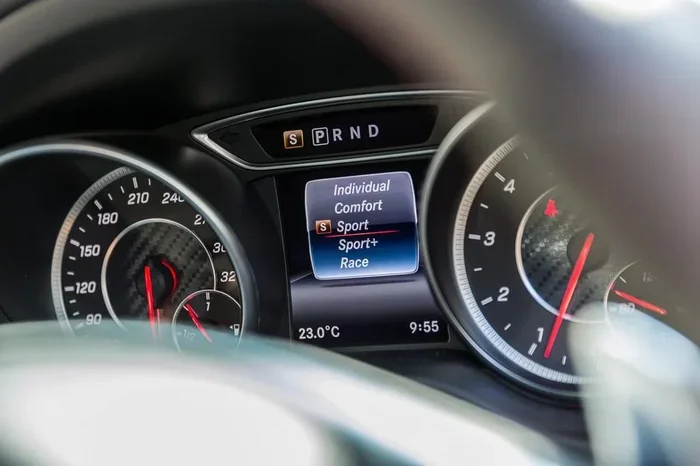
Does Sport Mode Use More Gas And Drain Your Wallet
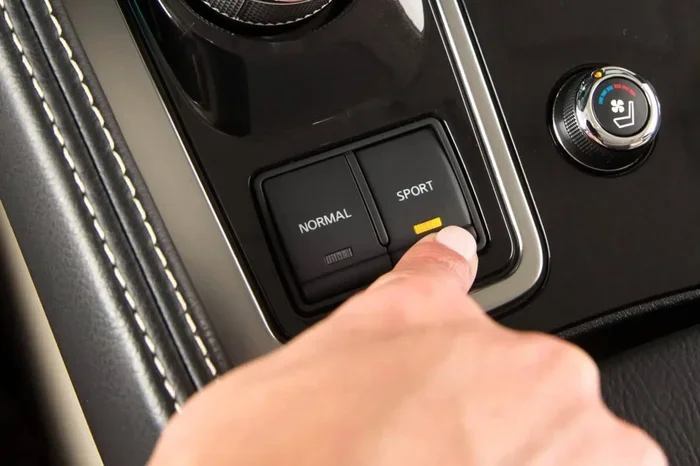
Does sport mode use more gas? The short answer is yes. When you switch your car to sport mode, the engine works harder, shifts later, and burns more fuel. This means your fuel economy drops and your trips to the gas station become more frequent. Understanding how sport mode affects gas mileage can help you decide when to use it and when to save your money.
You have probably seen the sport mode button or switch on your car’s console. Maybe you have pressed it just to hear the engine roar a little louder. But have you ever stopped to think about what it actually does to your fuel? The question “does sport mode use more gas” comes up a lot among drivers. And the answer might surprise you.
Driving in sport mode changes the way your car behaves. The engine responds faster. The transmission shifts differently. And all of these changes affect how much fuel your car burns. Whether you drive a sedan, SUV, or truck, understanding this feature can help you make smarter choices at the pump. In this article, we will break down everything you need to know about sport mode fuel consumption and how it impacts your wallet.
So let us dive right in. By the end of this guide, you will know exactly when sport mode makes sense and when it is just wasting gas. No fluff. No jargon. Just clear, practical information you can use every time you get behind the wheel.
Key Takeaways
- Sport mode increases fuel consumption: The engine revs higher and holds gears longer, which burns more gas.
- Throttle response gets sharper: Sport mode makes the car accelerate faster by changing how the engine and transmission work together.
- City driving suffers the most: Stop-and-go traffic combined with sport mode can really hurt your fuel economy.
- Highway use has less impact: At steady speeds, the difference in fuel use is smaller but still noticeable.
- You can save money by switching modes: Using normal mode for daily driving keeps your fuel costs down.
- Engine wear can increase: Higher RPMs over time may lead to more maintenance needs.
- Know your car: Every vehicle responds differently to sport mode based on engine type and transmission.
📑 Table of Contents
- What Happens When You Turn On Sport Mode
- Does Sport Mode Use More Gas? The Real Answer
- Why Car Manufacturers Include Sport Mode
- Sport Mode vs. Eco Mode: Which Is Better for Fuel Economy?
- Does Sport Mode Damage Your Engine?
- Tips to Reduce Fuel Costs While Still Enjoying Sport Mode
- How Different Car Types Respond to Sport Mode
- Common Mistakes People Make With Sport Mode
- Conclusion
What Happens When You Turn On Sport Mode
When you activate sport mode, your car goes through a series of changes. These changes are controlled by the engine control unit, or ECU. This small computer adjusts several settings to make the car feel more responsive. But each adjustment comes with a trade-off, and fuel use is one of the biggest ones.
How the Engine Responds
In normal driving mode, your car is tuned for efficiency. The throttle response is smooth and gentle. The engine does not work too hard unless you really push the pedal. But when you switch to sport mode, the throttle opens wider. This means more air rushes into the engine. More air means more fuel gets injected. The result is a stronger, more immediate acceleration.
Think of it like this. Normal mode is like walking at a comfortable pace. Sport mode is like jogging. You use more energy to move faster. The same principle applies to your car’s fuel economy.
How the Transmission Changes
The transmission plays a huge role in how much gas your car uses. In normal mode, the transmission shifts up early. This keeps the engine RPM low. Low RPM means less fuel burned. But in sport mode, the transmission holds gears longer. It shifts later so the engine stays in a higher RPM range. Higher RPM means more fuel consumption.
For cars with automatic transmissions, this is very noticeable. The car will feel more eager to accelerate. The engine will sound more aggressive. And while that feels fun, it definitely costs you at the gas station.
What About Manual and Semi-Automatic Transmissions
If your car has a manual transmission or a semi-automatic system with paddle shifters, sport mode changes the behavior of the shifters too. The car may allow higher RPMs before suggesting a shift. It may also downshift more aggressively when you slow down. All of this adds up to more fuel being used.
Even if you manually shift yourself, sport mode can still change the engine mapping. This means the car’s computer alters how much power the engine produces at any given RPM. The effect is the same: more power, more fuel.
Does Sport Mode Use More Gas? The Real Answer
Now let us get to the heart of the question. Does sport mode use more gas? Yes, it does. But how much more depends on several factors. Let us look at the numbers and what they mean for your daily driving.
Fuel Consumption in City Driving
City driving is where sport mode hits the hardest. In stop-and-go traffic, your car already uses more fuel than on the highway. The constant stopping and starting forces the engine to work harder. When you add sport mode to the mix, the effect multiplies.
Here is why. In city traffic, you are constantly accelerating from a stop. Sport mode makes each acceleration more aggressive. The engine stays at higher RPMs for longer periods. This means more fuel is burned with every stoplight. Studies have shown that sport mode fuel consumption can increase by 10 to 20 percent in city driving conditions.
Fuel Consumption on the Highway
Highway driving is a different story. At steady speeds, the impact of sport mode is smaller. The car does not need to accelerate as often. So the transmission may not shift as aggressively. However, sport mode still affects your gas mileage on the highway.
The engine may hold lower gears longer, even when you do not need them. This keeps the RPMs higher than necessary. Over a long road trip, this can add up. You might see a 5 to 10 percent drop in fuel economy when using sport mode on the highway. It is not as dramatic as city driving, but it is still noticeable over time.
How Much Extra Does It Cost?
Let us talk money. If your car gets 25 miles per gallon in normal mode, sport mode might bring that down to 20 or 21. That is a meaningful drop. Over a year of regular driving, those extra gallons add up quickly.
Let us say you drive 12,000 miles a year. At $3.50 per gallon, that extra fuel could cost you anywhere from $100 to $200 more per year. That is real money. And if you drive more than that, the cost goes up even more. So while sport mode feels exciting, it does drain your wallet over time.
Quick Tip: Try tracking your fuel economy for one month in normal mode and one month in sport mode. The difference will surprise you. Most cars have a trip computer that shows real-time MPG. Use it to see the impact for yourself.
Why Car Manufacturers Include Sport Mode
If sport mode wastes gas, why do cars even have it? The answer is simple. Drivers want options. Car manufacturers know that people enjoy different driving experiences. Sport mode gives you the choice to have more fun behind the wheel when you want it.
The Appeal of Sport Mode
There is no denying that sport mode feels great. The car responds faster. The engine sounds more powerful. The steering feels tighter. All of these changes make driving more engaging. For people who love cars, that feeling is worth the extra fuel cost.
Sport mode also helps in certain situations. When you need to pass a slow-moving truck on the highway, sport mode gives you quick access to power. When you are driving on a winding road, the sharper throttle response helps you navigate corners better. In these moments, the extra fuel use feels justified.
Marketing and Brand Identity
Car companies also use sport mode as a selling point. It makes the car feel more dynamic and exciting. Even if most drivers rarely use it, the option makes the car seem more premium. The brand image matters. A car with multiple driving modes feels more advanced than one with just a single mode.
But the bottom line is this. Sport mode is a feature designed for enjoyment, not efficiency. If you want the best fuel efficiency, normal mode or eco mode is the way to go.
Sport Mode vs. Eco Mode: Which Is Better for Fuel Economy?
Many modern cars come with multiple driving modes. Eco mode and sport mode sit on opposite ends of the spectrum. Let us compare them directly so you can understand the full picture.
How Eco Mode Saves Fuel
Eco mode does the opposite of sport mode. It softens the throttle response. It shifts the transmission earlier to keep RPMs low. It may even reduce the power output of the engine slightly. All of these changes help the car use less fuel.
In eco mode, you might see a noticeable improvement in miles per gallon. Some drivers report gains of 15 to 20 percent compared to sport mode. For daily commuting and errands, eco mode is the clear winner when it comes to saving gas.
When to Use Each Mode
The best approach is to match your driving mode to your situation. Here are some practical guidelines:
- Use eco mode for daily commuting, errands, and long highway cruises where you want to save fuel.
- Use normal mode for most everyday driving. It offers a good balance of responsiveness and efficiency.
- Use sport mode when you want maximum performance, such as when passing on the highway or driving on open roads.
- Use snow or ice mode (if your car has it) in slippery conditions. This mode prioritizes traction over speed or efficiency.
The key is to be intentional about which mode you choose. Most drivers default to whatever mode the car was last set to. Making a conscious choice can save you a surprising amount of fuel over time.
Does Sport Mode Damage Your Engine?
Using sport mode regularly raises another important question. Can it harm your car’s engine over time? Let us look at what happens under the hood when you drive in sport mode for extended periods.
Higher RPMs and Engine Wear
Sport mode keeps the engine running at higher RPMs more often. Over time, higher RPMs mean more wear on engine components. The pistons, bearings, and other moving parts experience more stress. However, modern engines are built to handle this. Car manufacturers design sport mode to be safe for regular use.
That said, consistently driving at high RPMs will not do your engine any favors in the long run. The oil may break down faster. The engine may run hotter. Regular maintenance becomes even more important if you frequently use sport mode.
Impact on the Transmission
The transmission also takes a hit from sport mode. Holding gears longer means the transmission works harder. The clutch packs and bands in an automatic transmission experience more stress. For most cars, this is not a major concern. But if you already have high mileage, frequent sport mode use could accelerate wear.
Keeping up with transmission fluid changes is especially important if you love driving in sport mode. Fresh fluid helps the transmission handle the extra stress more effectively.
Impact on the Fuel System
Sport mode causes the fuel pump to work harder. More fuel is injected into the engine with each combustion cycle. Over time, this can put extra strain on the fuel injectors and fuel pump. Again, modern fuel systems are durable. But heavy sport mode use is one more factor to consider for long-term vehicle health.
The good news is that occasional sport mode use will not cause any real damage. It is the constant, daily use that adds up over the years. Moderation is the key to keeping your car healthy while still enjoying the thrill of sport mode.
Tips to Reduce Fuel Costs While Still Enjoying Sport Mode
You do not have to give up sport mode entirely to save fuel. There are smart ways to enjoy the performance boost without wasting too much gas. Here are some practical tips that actually work.
Use Sport Mode Only When Needed
The simplest tip is to turn sport mode on only when you really need it. If you are cruising on the highway, switch back to normal mode. If you are stuck in city traffic, stick with normal or eco mode. Save sport mode for open roads where you can fully enjoy it without constant stopping and starting.
This one habit alone can make a big difference in your monthly fuel costs. You get the best of both worlds: great performance when you want it and good fuel economy when you do not.
Combine Sport Mode with Smart Driving Habits
How you drive matters just as much as which mode you use. Here are some habits that help you save fuel even when sport mode is on:
- Avoid rapid acceleration. Even in sport mode, you do not need to floor the gas pedal every time.
- Maintain steady speeds. Use cruise control on the highway when possible.
- Anticipate stops. Ease off the gas early when you see a red light or stop sign.
- Keep your tires properly inflated. Underinflated tires increase rolling resistance and waste fuel.
- Remove excess weight. A lighter car uses less fuel, no matter what mode you are in.
Keep Up with Regular Maintenance
A well-maintained car runs more efficiently, period. Regular oil changes, air filter replacements, and spark plug checks all help your engine perform at its best. When your engine is in good shape, it uses fuel more efficiently, even in sport mode.
Also, pay attention to your air intake system. A clean air filter allows more air to flow into the engine, which improves combustion efficiency. This is especially important when sport mode is forcing the engine to work harder.
Expert Insight: Automotive engineers recommend using sport mode in short bursts rather than continuously. The engine and transmission benefit from the extra power when needed, but they also need time to cool down and return to normal operating conditions.
How Different Car Types Respond to Sport Mode
Not all cars react the same way to sport mode. The type of engine, the size of the vehicle, and the transmission all play a role. Let us look at how different types of cars handle sport mode and what it means for fuel use.
Small Cars and Compacts
Small cars have smaller engines to begin with. When you put a small car in sport mode, the engine has to work even harder to produce the same power. The fuel consumption increase can be significant. A compact car that gets 30 MPG in normal mode might drop to 24 or 25 in sport mode. That is a big hit.
Mid-Size Sedans and SUVs
Mid-size vehicles have more power to spare, so the impact of sport mode is less dramatic. You might see a 5 to 15 percent drop in fuel economy. These cars are a good middle ground for drivers who want some performance without completely wrecking their fuel economy.
Trucks and Heavy Vehicles
Trucks and large SUVs already use a lot of fuel. Sport mode makes them use even more. The fuel tank drains faster, and the cost adds up quickly. If you drive a truck, you should be especially mindful of when you use sport mode.
Turbocharged and Hybrid Vehicles
Turbocharged engines respond differently to sport mode than naturally aspirated engines. The turbocharger already forces more air into the engine. Sport mode increases the boost, which can lead to a significant jump in fuel use. Hybrid vehicles, on the other hand, may switch between electric and gas power differently in sport mode. Some hybrids actually use more electric power in sport mode to deliver instant torque, which can be a small silver lining for fuel economy.
Common Mistakes People Make With Sport Mode
There are several mistakes drivers make when using sport mode. Avoiding these can help you save fuel and protect your car.
Leaving Sport Mode On All the Time
This is the most common mistake. Some drivers switch to sport mode and forget to switch back. Over days and weeks, this adds up to a lot of wasted fuel. Make it a habit to return to normal mode when you do not need the extra performance.
Using Sport Mode in Traffic
Sport mode in heavy traffic is a double waste. You are not using the extra power, but you are still burning more fuel due to the higher RPMs and aggressive shifting. It is like idling with the gas pedal pressed down. Avoid it whenever possible.
Confusing Sport Mode with 4WD or Tow Mode
Some drivers think sport mode helps in slippery conditions or when towing. It does not. Sport mode is purely for performance. If you need better traction, use the appropriate mode for that. Using sport mode for the wrong purpose wastes fuel without any benefit.
Conclusion
So, does sport mode use more gas? The answer is a clear yes. Sport mode changes how your engine and transmission work. It increases throttle response, holds gears longer, and keeps RPMs higher. All of these changes burn more fuel and reduce your gas mileage.
But sport mode also delivers a more exciting driving experience. It is not all bad. The key is to use it wisely. Switch to sport mode when you want to enjoy the drive. Switch back to normal or eco mode when you want to save fuel and money.
By understanding how sport mode affects fuel consumption, you can make informed decisions every time you drive. You do not have to choose between fun and efficiency. You just need to be smart about when and how you use each driving mode. Your wallet will thank you, and your car will last longer too.
Take what you have learned here and put it into practice. Track your fuel economy. Use sport mode intentionally. And remember, the best driving mode is the one that fits your needs for that moment. Happy driving.
Frequently Asked Questions
Does sport mode use more gas in every car?
Yes, sport mode increases fuel use in virtually every car. The exact amount varies by vehicle, engine type, and driving conditions. But the core principle is the same: sport mode makes the engine work harder, which always uses more fuel.
How much does sport mode reduce fuel economy?
Most drivers see a 10 to 20 percent drop in fuel economy when using sport mode regularly. The exact number depends on your car, your driving style, and the conditions you drive in. City driving shows the biggest impact, while highway driving shows a smaller one.
Can I use sport mode every day without damaging my car?
You can, but it is not recommended. Daily sport mode use increases engine and transmission wear over time. It also costs more in fuel. Using sport mode occasionally is perfectly fine and will not cause any real harm to your vehicle.
Does sport mode make your car faster?
Yes, sport mode makes your car feel faster and more responsive. The throttle reacts quicker, the transmission shifts later, and the engine produces more power at any given RPM. This gives you a more engaging and sporty driving feel.
Is it better to use eco mode or sport mode for saving gas?
Eco mode is clearly better for saving gas. It is designed to maximize fuel efficiency by softening throttle response and shifting earlier. Sport mode does the opposite. If saving fuel is your priority, eco mode or normal mode is the way to go.
Does sport mode use more gas when going uphill?
Yes, sport mode uses more gas going uphill. The engine already works harder on inclines, and sport mode makes it work even harder by holding lower gears longer and delivering more fuel to the engine. If you are climbing a hill, the fuel cost difference is even more noticeable.