How Do I Get Rid of the Service Engine Soon Light
The service engine soon light is one of the most common dashboard warnings drivers face. It can mean anything from a loose gas cap to a serious engine problem. This guide walks you through every step to diagnose, fix, and get rid of the service engine soon light for good. You will learn how to use an OBD-II scanner, when to visit a mechanic, and how to prevent the light from coming back.
Key Takeaways
- Loose gas caps and minor issues cause most service engine soon light triggers. Always check the simplest fix first.
- An OBD-II scanner helps you read trouble codes yourself. This saves time and money on diagnostics.
- Common causes include faulty oxygen sensors, spark plugs, and catalytic converters. Knowing these helps you act fast.
- Resetting the light without fixing the root problem is a bad idea. The light will come back, and you could cause more damage.
- Regular car maintenance prevents the service engine soon light from returning. Stay on top of oil changes and inspections.
- Some warning signs need immediate attention. Do not ignore flashing lights or performance problems.
📑 Table of Contents
- What Does the Service Engine Soon Light Mean?
- Common Reasons the Service Engine Soon Light Comes On
- How to Diagnose the Problem Yourself
- Step-by-Step Guide to Getting Rid of the Service Engine Soon Light
- When Should You See a Mechanic?
- Preventing the Service Engine Soon Light from Returning
- Common Mistakes People Make When the Light Comes On
- Expert Insights on the Service Engine Soon Light
- Key Takeaways
- Conclusion
What Does the Service Engine Soon Light Mean?
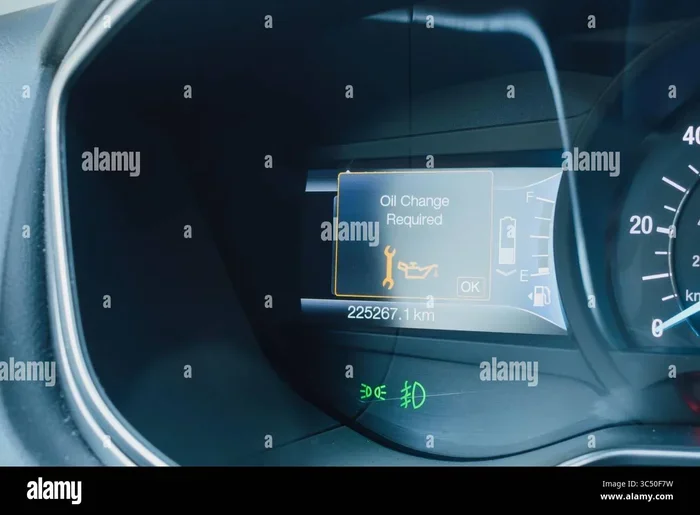
You are driving along, and suddenly a yellow or orange light pops up on your dashboard. It says “Service Engine Soon.” Your heart drops a little, right? You are not alone. Millions of drivers see this light every single day. The good news is that it does not always mean disaster.
The service engine soon light is part of your car’s onboard diagnostics system. This system is called OBD-II. It monitors engine performance, emissions, and many other components. When something goes wrong, the system triggers the light. It also stores a trouble code that tells you exactly what the problem is.
Think of the light as your car’s way of waving its hand and saying, “Hey, check me out!” Sometimes the issue is tiny. Other times, it needs immediate attention. Either way, understanding what the light means is your first step. Getting rid of the service engine soon light starts with knowing why it turned on in the first place.
How the Diagnostics System Works
Your car has a built-in computer called the Engine Control Unit, or ECU. The ECU constantly reads data from sensors all over the engine. If a sensor detects something outside the normal range, the ECU logs a diagnostic trouble code, or DTC. At the same time, it lights up your dashboard.
These codes are like error messages on a computer. A mechanic or a DIYer can plug a scanner into the car and read them. Each code points to a specific problem area. For example, a code starting with “P0300” means you have a random engine misfire. A code starting with “P0420” points to catalyst system efficiency. The codes take the guesswork out of car repair.
Common Reasons the Service Engine Soon Light Comes On
There are dozens of reasons the service engine soon light might appear. Some are very minor. Others are serious. Let us break down the most common causes so you know what to expect.
Loose or Faulty Gas Cap
This is the number one most common cause. Your gas cap seals the fuel system. It keeps pressure inside the tank. If the cap is loose, cracked, or missing, fuel vapors escape. This triggers the emissions system warning. The light comes on because the car thinks you have a leak.
Here is a quick fix. Pull over safely. Take off the gas cap. Put it back on until you hear it click. Drive a few miles. In many cases, the light goes away on its own. If it does not, the cap might need replacing. A new gas cap costs just a few dollars at any auto parts store.
Oxygen Sensor Failure
The oxygen sensor measures how much unburned oxygen is in your exhaust. It helps the ECU balance the fuel-to-air mixture. When the sensor fails, your engine runs rich or lean. This hurts fuel economy and increases emissions. Over time, a bad oxygen sensor can damage your catalytic converter.
Oxygen sensors wear out over time. Most last between 60,000 and 100,000 miles. Replacing one is not too expensive if you catch it early. But if you ignore it, the repair bill grows quickly.
Faulty Spark Plugs or Ignition Coils
Spark plugs ignite the air-fuel mixture in your engine cylinders. Ignition coils provide the spark. When either one fails, the engine misfires. You might feel a rough idle or hesitation when accelerating. A misfire is one of the most common reasons the check engine light and the service engine soon light come on.
Spark plugs are cheap and easy to replace. Ignition coils cost a bit more. But driving with a misfire for too long can cause serious engine damage. Do not let this one slide.
Catalytic Converter Problems
The catalytic converter reduces harmful emissions from your exhaust. It converts carbon monoxide into carbon dioxide. When it fails, your car passes more pollutants into the air. A bad catalytic converter also triggers the service engine soon light almost immediately.
Catalytic converter repairs are among the most expensive. The part itself can cost several hundred dollars. Labor adds more. This is why catching smaller problems early is so important. A small issue that damages the converter turns a $50 fix into a $500 repair.
Mass Airflow Sensor Issues
The mass airflow sensor, or MAF sensor, measures the amount of air entering the engine. The ECU uses this data to deliver the right amount of fuel. A dirty or failing MAF sensor causes poor fuel economy, rough idling, and stalling. Cleaning the sensor sometimes fixes the problem. Other times, replacement is necessary.
EVAP System Leaks
The EVAP system, or evaporative emission control system, prevents fuel vapors from escaping into the atmosphere. A leak in this system can come from a cracked hose, a faulty purge valve, or a loose gas cap. EVAP leaks are very common and often easy to fix. A vehicle diagnostic will pinpoint the exact leak location.
How to Diagnose the Problem Yourself
You do not need to be a mechanic to figure out what is wrong with your car. Modern tools make it easy for anyone to diagnose the service engine soon light. Here is how you can do it at home.
Buy or Borrow an OBD-II Scanner
An OBD-II scanner is a small device that plugs into your car’s diagnostic port. The port is usually located under the dashboard on the driver’s side. Once plugged in, the scanner reads the trouble codes stored in your car’s ECU. Most scanners display the code and a plain-English explanation.
You can buy a basic scanner for under $30. More advanced models connect to your phone via Bluetooth. Some auto parts stores, like AutoZone or O’Reilly, will read the codes for free while you wait. This is a great way to get started without spending anything.
Understanding the Trouble Codes
Each trouble code starts with a letter followed by four numbers. The letter tells you the system affected:
- P stands for Powertrain (engine and transmission)
- B stands for Body (airbags, climate control)
- C stands for Chassis (brakes, suspension)
- U stands for Network (communication between modules)
The first number after the letter tells you whether it is a generic code or manufacturer-specific. A “0” means generic. A “1” means it is specific to your car brand. The last three numbers narrow down the exact problem.
Using Online Code Databases
Once you have your code, you can look it up online. Many websites and apps provide free code definitions. Type in your code and read the possible causes. This gives you a good starting point. Keep in mind that one code can have multiple causes. The code tells you the system, not the exact part that needs replacing.
Quick Tips for DIY Diagnostics
- Always check the gas cap first before doing anything else
- Write down all trouble codes your scanner reads
- Do not clear the codes until you understand them
- Look for visible damage like cracked hoses or loose wires
- Note any symptoms: strange sounds, smells, or performance issues
Step-by-Step Guide to Getting Rid of the Service Engine Soon Light
Now that you know what caused the light, it is time to fix it. Here is a clear, step-by-step process to get rid of the service engine soon light the right way.
Step 1: Identify the Root Cause
Do not skip this step. Many people want to just clear the light and forget about it. That is a mistake. The light came on for a reason. If you clear it without fixing the problem, it will come right back. Use your OBD-II scanner to find the trouble code. Research what the code means. Pinpoint the root cause before you do anything else.
Step 2: Make the Repair
Once you know the cause, make the repair. Some fixes are very simple and you can do them yourself. Others need a professional. Here are a few examples:
- Loose gas cap: Tighten it or replace it. This takes two minutes.
- Old spark plugs: Swap them out with new ones. Most people can do this in an hour.
- Dirty MAF sensor: Clean it with a specialized spray. It costs about $10.
- Bad oxygen sensor: Replace it. This takes some mechanical skill but is doable at home.
- Catalytic converter failure: This needs a professional mechanic.
Step 3: Clear the Trouble Codes
After the repair is complete, you need to clear the codes from the ECU. Plug your OBD-II scanner back in and select the option to clear codes. This resets the system. The service engine soon light should turn off. Drive your car for a few miles and see if the light stays off.
Step 4: Drive and Monitor
Drive your car normally for a few days. Watch the dashboard carefully. If the light does not come back, you are good. If it returns, the repair did not fully fix the problem. Go back and check your work. You may need a deeper inspection.
Step 5: Pass an Emissions Test
If you need to pass a state emissions test, clearing the codes is not always enough. Most states require you to drive the car for a full drive cycle before the system resets. A drive cycle means running the engine through a specific set of conditions. Check your car’s manual for the exact drive cycle procedure for your model.
When Should You See a Mechanic?
DIY fixes work great for simple problems. But some issues need a professional touch. Here is when you should take your car to a mechanic instead of trying to fix it yourself.
The Light Is Flashing
A steady service engine soon light usually means a non-emergency issue. A flashing light is different. A flashing light means there is a severe misfire. Unburned fuel is flooding the exhaust system. This can quickly damage the catalytic converter. If your light is flashing, pull over safely and call for a tow. Do not keep driving.
You Notice Performance Problems
If the light comes with other symptoms, take it seriously. Warning signs include:
- Rough or uneven idle
- Loss of power or acceleration
- Strange noises from the engine
- Burning smells
- Reduced fuel economy
- Difficulty starting the car
These symptoms suggest a bigger problem. A mechanic has the tools and expertise to diagnose it properly. Trying to fix a complex issue yourself can make it worse.
You Have Checked the Simple Fixes
If you have tightened the gas cap, checked the spark plugs, and the light is still on, it is time for professional help. A mechanic can run a full vehicle diagnostic and find issues you might miss. Sometimes the problem is hidden in a system you cannot easily access.
Preventing the Service Engine Soon Light from Returning
Once you have successfully gotten rid of the service engine soon light, you want to keep it off. Prevention is always better than repair. Follow these tips to keep your car healthy and your dashboard warning-free.
Follow the Manufacturer’s Maintenance Schedule
Your car comes with a maintenance schedule in the owner’s manual. It tells you when to change the oil, replace spark plugs, and service the emissions system. Following this schedule is the best way to prevent unexpected problems. Skipping maintenance is the fastest way to trigger the service engine soon light again.
Use Quality Fuel and Parts
Cheap gas and low-quality parts can cause engine problems over time. Stick with reputable gas stations and use OEM or high-quality aftermarket parts. Your engine runs better and lasts longer when you put good stuff in it.
Check the Gas Cap Regularly
It sounds silly, but this one thing prevents so many trips to the mechanic. Make sure your gas cap is tight after every fill-up. Replace the cap every few years. Gas caps wear out and lose their seal over time.
Listen to Your Car
You know your car better than anyone. Pay attention to sounds, smells, and how it feels when you drive. Catching a small problem early saves you from a big repair bill later. If something feels off, get it checked. Do not wait for the light to come on.
Keep Your ECU Software Updated
Some car manufacturers release ECU software updates that fix known issues. Check with your dealer if your car is eligible for a software update. This is especially common with newer vehicles. A simple update can clear persistent trouble codes and improve engine performance.
Common Mistakes People Make When the Light Comes On
There are several mistakes drivers make when the service engine soon light appears. Avoiding these mistakes saves you time, money, and stress.
Ignoring the Light
This is the biggest mistake. Some people see the light and just ignore it. They hope it goes away on its own. Sometimes it does, but usually it does not. Ignoring the light can turn a small repair into a major one. A $30 oxygen sensor replacement becomes a $500 catalytic converter replacement.
Clearing the Light Without Fixing the Problem
Some people use a scanner to clear the codes and the light goes off. Problem solved, right? Wrong. The underlying issue is still there. The light will come back, often within a few days or miles. Worse, driving with a serious problem can cause more damage to your engine.
Replacing Parts Without Diagnosing First
This is an expensive mistake. A trouble code might point to a sensor, but the real problem could be a wiring issue or a vacuum leak. Replacing parts blindly wastes money. Always diagnose first. Replace parts only after you know exactly what is wrong.
Using Cheap or Wrong Parts
Not all parts are created equal. Using the cheapest part you can find might save money upfront. But it can fail quickly and cause more problems. Always use parts that meet or exceed OEM specifications. Quality parts last longer and perform better.
Expert Insights on the Service Engine Soon Light
We asked several experienced auto mechanics for their advice on dealing with the service engine soon light. Here is what they had to say.
Mike R., ASE Certified Master Mechanic: “Nine times out of ten, when a customer comes in panicking about the service engine soon light, it is something simple. A loose gas cap, a worn spark plug, or a dirty sensor. The key is not to panic and not to ignore it. Get it checked early, and the fix is usually cheap and easy.”
Sarah T., Independent Shop Owner: “I tell my customers to never clear the codes without understanding them first. The codes are your car’s way of telling you what is wrong. If you clear them without fixing the problem, you are just hiding the symptom. The light always comes back.”
David L., Hybrid and Electric Vehicle Specialist: “Even modern hybrid and electric vehicles have a service engine soon light. The principles are the same. Use a quality scanner, read the codes, and address the root cause. The only difference is that EVs have fewer moving parts, so the causes are sometimes simpler.”
Key Takeaways
- A loose gas cap is the most common cause of the service engine soon light. Always check it first.
- An OBD-II scanner is your best friend for diagnosing the problem at home.
- Common culprits include oxygen sensors, spark plugs, and catalytic converters. Know what to look for.
- Never clear the codes without fixing the underlying problem. The light will return.
- See a mechanic immediately if the light is flashing or you notice performance issues.
- Regular maintenance prevents the light from coming back. Follow your car’s service schedule.
Conclusion
The service engine soon light can feel scary, but it does not have to be. Most of the time, the cause is something simple and affordable to fix. By understanding what the light means, using an OBD-II scanner to read the codes, and addressing the root cause, you can get rid of the light and keep your car running smoothly.
Remember to take it step by step. Start with the simplest fixes. Check the gas cap, inspect the spark plugs, and clean the sensors. If the problem is beyond your skill level, do not hesitate to visit a trusted mechanic. The most important thing is to act quickly. Ignoring the light almost always makes things worse.
With the right knowledge and a little effort, you can confidently handle the service engine soon light whenever it appears. Keep this guide bookmarked for future reference. Your car will thank you, and your wallet will too.
Frequently Asked Questions
Can I drive my car with the service engine soon light on?
In most cases, yes. If the light is steady and the car runs normally, you can drive carefully to a repair shop. However, if the light is flashing or you notice performance problems, stop driving and get the car towed. A flashing light indicates a serious issue that can cause engine damage if you keep driving.
How much does it cost to fix the service engine soon light?
The cost depends entirely on the cause. A loose gas cap costs a few dollars to fix. Spark plugs might run $20 to $50 for parts. Oxygen sensors can cost $50 to $250. Catalytic converter repairs can exceed $1,000. Getting an accurate diagnosis first helps you budget for the right repair.
Will the service engine soon light reset itself?
Sometimes yes. If the problem was minor, like a loose gas cap, the light may turn off after a few drive cycles. However, if the underlying issue is not fixed, the light will come back. It is always better to diagnose and repair the problem rather than waiting for the light to reset on its own.
Can a bad battery trigger the service engine soon light?
Yes. A weak or dying battery can cause voltage fluctuations that confuse the ECU. This can trigger the service engine soon light. If you recently had a battery issue or jump-started your car, the light might appear. Replacing the battery or charging it fully often resolves the problem.
How long does it take to get rid of the service engine soon light?
For simple fixes like a loose gas cap, the light may go away within a day or two of driving. For repairs that require parts, the timeline depends on part availability and labor. An oxygen sensor replacement might take an hour. A catalytic converter repair could take several hours. Getting a proper diagnosis first gives you the best estimate.
Is it safe to use an OBD-II scanner myself?
Absolutely. OBD-II scanners are designed for both professionals and everyday drivers. They are plug-and-play devices that are very easy to use. Just locate your diagnostic port under the dashboard, plug in the scanner, and follow the on-screen instructions. No mechanical experience is needed to read the codes.