Find Out Where the TPMS Sensor Is Located on Your Car
The TPMS sensor is typically found inside the tire, mounted on the wheel rim or valve stem. Most modern cars use direct TPMS sensors that sit inside the tire to monitor real-time air pressure. Knowing where the TPMS sensor is located helps you troubleshoot warning lights, plan replacements, and keep your tires safe. This guide covers every sensor location, type, and practical tip you need.
Have you ever glanced at your dashboard and spotted a weird horseshoe-shaped light with an exclamation mark? That is your tire pressure warning system telling you something needs attention. If you have ever wondered exactly where the TPMS sensor is located, you are not alone. Many car owners see that light and have no idea what is going on under the wheel.
Where the TPMS sensor is located depends on the type of system your vehicle uses. Some sensors sit inside the tire itself, mounted near the valve stem. Others rely on existing ABS sensors to estimate tire pressure. Either way, understanding the TPMS sensor location on your specific car can save you time, money, and a lot of frustration.
In this guide, we will walk you through everything you need to know. We will cover direct and indirect systems, show you exactly where each sensor lives, and give you practical tips for maintenance and replacement. By the end, you will feel confident about your tire pressure monitoring system and how it keeps you safe on the road.
Key Takeaways
- Direct TPMS sensors sit inside the tire, attached to the valve stem or wheel rim.
- Indirect TPMS sensors use wheel speed sensors from your ABS system and have no physical sensor inside the tire.
- The TPMS sensor location varies by vehicle make, model, and year.
- Replacing a TPMS sensor battery usually requires removing the tire from the wheel.
- You can find the TPMS reset procedure in your owner’s manual.
- Common signs of a failing sensor include a flashing tire pressure warning light and inaccurate readings.
- Always use OEM or compatible sensors to ensure proper fit and function.
📑 Table of Contents
- What Is a TPMS and Why Does It Matter?
- Where Is the TPMS Sensor Located on Different Vehicles?
- How to Find the TPMS Sensor on Your Specific Car
- TPMS Sensor Replacement: What You Need to Know
- Common TPMS Problems and How to Fix Them
- Tips for Maintaining Your TPMS Sensors
- Expert Insights on TPMS Sensor Placement
- Key Takeaways
- Conclusion
What Is a TPMS and Why Does It Matter?
TPMS stands for Tire Pressure Monitoring System. It is a safety feature designed to alert you when your tire air pressure drops below a safe level. Low tire pressure can lead to poor fuel economy, uneven tire wear, and even dangerous blowouts. The system monitors the air pressure inside each tire and sends a warning to your dashboard when something is off.
There are two main types of TPMS. The first is direct TPMS, which uses a physical sensor inside each tire. The second is indirect TPMS, which uses data from your vehicle’s ABS wheel speed sensors. Both systems serve the same purpose but work in very different ways. Let us break them down.
How Direct TPMS Works
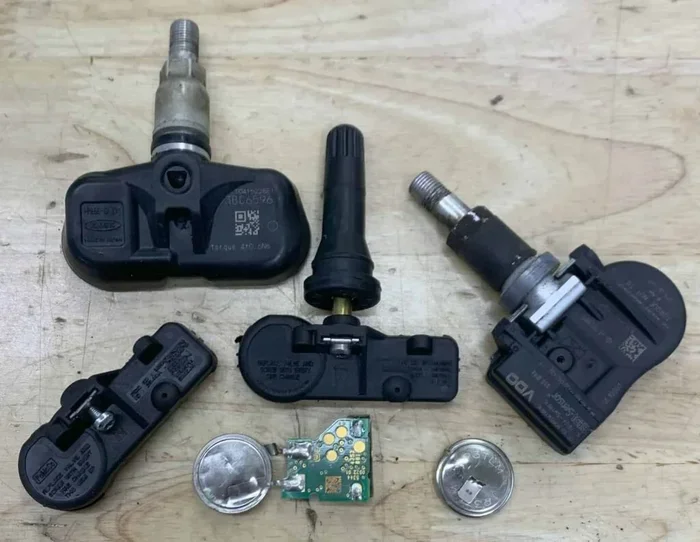
A direct TPMS sensor lives inside the tire. It is usually attached to the valve stem or mounted on the wheel rim. The sensor measures the actual air pressure inside the tire and sends a wireless signal to your car’s computer. If the pressure drops by 25% or more below the recommended level, the dashboard light comes on.
These sensors run on small batteries that typically last between five and ten years. When the battery dies, the entire sensor unit usually needs to be replaced. This is one of the most common reasons a tire pressure light stays on even after you have inflated your tires properly.
How Indirect TPMS Works
Indirect TPMS does not have a physical pressure sensor inside the tire. Instead, it uses the wheel speed sensors that are already part of your anti-lock braking system. When a tire is underinflated, its rolling radius becomes smaller. This causes the wheel to spin faster than the others. The system detects this difference and triggers the warning light.
Indirect systems are less expensive to manufacture. However, they do not tell you which specific tire is low. They also need a TPMS reset after you inflate your tires or rotate them. Many older and budget vehicles use this type of system.
Where Is the TPMS Sensor Located on Different Vehicles?
The TPMS sensor location varies depending on your vehicle’s make, model, and year. Let us explore the most common placements you will find across different types of cars and trucks.
Where the Sensor Sits Inside the Tire
In most direct TPMS setups, the sensor is mounted inside the tire, close to the rim. Here is how it typically works:
- The sensor is attached to the valve stem or strapped to the wheel rim.
- It sits inside the tire, resting against the inner wall.
- The sensor uses a small battery to power its pressure-measuring electronics.
- A wireless transmitter sends data to the car’s onboard computer.
To access the sensor, a mechanic must remove the tire from the wheel. This is why sensor replacement often requires a tire shop visit. You cannot simply pull the sensor out without unmounting the tire.
Valve Stem vs. Rim-Mounted Sensors
Some vehicles mount the tire pressure sensor directly onto the valve stem. This is common in many passenger cars and sedans. The sensor plugs into the valve stem and stays in place with a small nut or clip.
Other vehicles use rim-mounted sensors. These are strapped or bolted onto the wheel rim, usually on the inside edge. Trucks, SUVs, and performance vehicles often use this design. Rim-mounted sensors tend to be more durable because they are less exposed to road debris and impacts.
Where the Sensor Is Located on Trucks and SUVs
Larger vehicles like trucks and SUVs often have TPMS sensor location differences compared to smaller cars. Many trucks use rim-mounted sensors that bolt directly to the wheel. This design handles the heavier loads and rougher terrain these vehicles encounter.
Some trucks also have spare tire sensors. If your spare tire is mounted on the underside of the vehicle or on the tailgate, it may have its own pressure sensor. This is an often-overlooked spot that can cause confusion when troubleshooting a tire pressure warning.
How to Find the TPMS Sensor on Your Specific Car
If you want to locate the sensor on your own vehicle, there are a few reliable methods you can try at home.
Check Your Owner’s Manual
Your vehicle’s owner manual is the best starting point. Look for the section on tires or safety systems. Most manuals include a diagram showing the TPMS sensor location for each wheel. They may also list the sensor type and battery life.
Look at the Valve Stem
In many cars, you can spot the sensor by looking at the valve stem. If you see a small rectangular or oval-shaped metal or plastic cap on the valve stem, that is likely the sensor housing. The actual sensing element is inside, hidden behind the cap.
Use a TPMS Scan Tool
A TPMS tool or scan tool can identify the exact sensor location and ID for each wheel. These tools connect to your vehicle’s OBD-II port and read the sensor data. Professional auto parts stores and tire shops often have these tools available for free or at a low cost.
Common Vehicle Examples
Here are a few common examples of where sensors are found:
- Toyota Camry: Sensors mounted on the valve stem inside each tire.
- Ford F-150: Rim-mounted sensors on the wheel, with a spare tire sensor on the undercarriage.
- Honda Civic: Valve stem-mounted sensors with a small rubber grommet seal.
- Chevrolet Silverado: Rim-mounted sensors, often with a protective rubber boot.
- BMW 3 Series: Internal sensors attached to the wheel rim, sealed inside the tire.
TPMS Sensor Replacement: What You Need to Know
Eventually, every tire pressure sensor will need replacement. The battery inside the sensor dies, or the sensor gets damaged from road hazards. Knowing what to expect can help you plan and budget for the repair.
Signs Your Sensor Needs Replacement
Watch for these common signs that your sensor may be failing:
- The tire pressure warning light stays on even after you inflate all tires.
- The light flashes for 60 to 90 seconds when you start the car.
- You get inconsistent pressure readings between tires.
- The TPMS light comes on after a tire rotation or battery replacement.
- Your vehicle is more than five to ten years old and has never had the sensors replaced.
How Much Does Replacement Cost?
The cost of replacing a TPMS sensor varies widely. A single OEM sensor can cost between 50 and 100 dollars. Aftermarket sensors are often cheaper, ranging from 25 to 60 dollars each. If you go to a tire shop, expect to pay for labor on top of the sensor cost, which typically adds 20 to 50 dollars per tire.
Some tire shops offer bundle deals that include the sensor, mounting, balancing, and TPMS reprogramming. These packages can save you money compared to paying for each service separately.
Can You Replace the Sensor Yourself?
Experienced DIYers can replace some TPMS sensors at home. You will need a TPMS-specific tool to remove the old sensor and install the new one. You also need to program the new sensor ID into your vehicle’s computer. However, this process requires the right tools and some technical knowledge.
If you are not comfortable working with tire removal and sensor programming, it is best to leave this job to a professional. A tire service center has the proper equipment and expertise to handle the job quickly and correctly.
Common TPMS Problems and How to Fix Them
Even when your sensors are working properly, you may run into occasional issues. Here are the most common problems and their solutions.
TPMS Light Comes On After Tire Rotation
When you rotate your tires, the sensors move to different wheels. Your car’s computer may not recognize the new positions right away. A simple TPMS reset usually fixes this. You can find the reset procedure in your owner’s manual or by consulting a quick online guide for your specific vehicle.
Cold Weather and False Warnings
Cold temperatures cause the air inside your tires to contract. This can temporarily lower the pressure and trigger the warning light. If the light comes on on a cold morning but goes away after driving for a while, the temperature is likely the cause. Check your tire pressure when the tires are cold and compare it to the recommended PSI listed on your driver’s door jamb.
Sensor Damage from Road Hazards
Potholes, curbs, and road debris can damage your sensors. A hard impact can crack the sensor housing or dislodge it from the wheel rim. If you notice a sudden loss of air pressure or a persistent warning light after hitting a pothole, have your tires and sensors inspected at a tire shop.
Battery Drain from a Faulty Sensor
A failing TPMS sensor can sometimes drain your car battery. The sensor continuously tries to transmit a signal even when it is malfunctioning. If your battery keeps dying and you have a persistent tire pressure light, the sensor battery may be the culprit. Replacing the sensor usually resolves this issue.
Tips for Maintaining Your TPMS Sensors
Taking care of your tire pressure monitoring system can extend the life of your sensors and keep your tires performing at their best. Here are some practical tips.
- Check your tire pressure monthly, even if the TPMS light is off.
- Keep your tires inflated to the manufacturer-recommended PSI.
- Replace sensor batteries proactively every five to seven years.
- Always use TPMS-compatible valve stems when replacing tires.
- Avoid using tire sealants that can clog or damage the sensor.
- Have your sensors inspected during every tire rotation or oil change.
- Keep a record of when each sensor was last replaced.
Following these simple steps can help you avoid unexpected tire pressure warnings and keep your vehicle running safely. A well-maintained TPMS system is one of the easiest ways to protect your tires and improve your fuel economy.
Expert Insights on TPMS Sensor Placement
Industry experts agree that understanding your TPMS sensor location is essential for every car owner. According to tire safety professionals, many drivers ignore the tire pressure warning light until it becomes a serious problem. Regular awareness of where the sensor is and how it works can help you catch issues early.
Mechanics also recommend keeping a TPMS tool in your glove box if you frequently check or rotate your own tires. This small investment can save you trips to the shop and give you peace of mind on the road. Whether you drive a compact car or a heavy-duty truck, knowing your sensor setup makes you a more informed and prepared driver.
Key Takeaways
- Direct TPMS sensors sit inside the tire, attached to the valve stem or wheel rim.
- Indirect TPMS sensors use wheel speed sensors from your ABS system and have no physical sensor inside the tire.
- The TPMS sensor location varies by vehicle make, model, and year.
- Replacing a TPMS sensor battery usually requires removing the tire from the wheel.
- You can find the TPMS reset procedure in your owner’s manual.
- Common signs of a failing sensor include a flashing tire pressure warning light and inaccurate readings.
- Always use OEM or compatible sensors to ensure proper fit and function.
Conclusion
So, where is the TPMS sensor located? The answer depends on your vehicle and the type of system it uses. Most modern cars use direct TPMS sensors that sit inside the tire, mounted on the valve stem or wheel rim. Older or budget vehicles may use indirect systems that rely on ABS wheel speed sensors instead. Either way, knowing the TPMS sensor location on your car helps you stay ahead of tire problems and keep your vehicle safe.
Regular maintenance, timely sensor replacement, and a basic understanding of how your system works go a long way. Keep an eye on your tire pressure warning light, check your air pressure monthly, and do not ignore the signs of a failing sensor. Your tires are the only part of your car that touches the road, and a properly functioning tire pressure monitoring system is one of the best investments you can make for your safety and your wallet.
Take a few minutes today to familiarize yourself with your vehicle’s TPMS setup. Check your owner’s manual, inspect your valve stems, and make a note of when your sensors were last replaced. A little knowledge now can prevent big headaches later and keep you rolling safely for miles to come.
Frequently Asked Questions
Can I drive with the TPMS light on?
You can drive short distances with the TPMS light on, but you should not ignore it. The light means one or more tires are underinflated, which can affect handling and safety. Pull over safely and check your tire pressure as soon as possible.
How long do TPMS sensors last?
Most TPMS sensors last between five and ten years. The built-in battery is not replaceable on most models, so the entire sensor needs to be replaced when the battery dies. Driving conditions and usage can affect the sensor lifespan.
Do I need to replace all four TPMS sensors at once?
You do not need to replace all four at once unless multiple sensors are failing. However, replacing sensors in pairs is often recommended for consistency. Always use sensors that are compatible with your vehicle’s make and model.
What happens after a TPMS sensor replacement?
After replacing a sensor, you will need to reprogram or relearn the sensor ID using a TPMS tool. This allows your vehicle’s computer to recognize the new sensor. Many tire shops include this step as part of the replacement service.
Can cold weather trigger the TPMS light?
Yes, cold weather can temporarily trigger the TPMS light. When temperatures drop, the air inside your tires contracts, lowering the pressure. If the pressure drops below the threshold, the warning light will come on. Inflating your tires to the proper level usually turns the light off.
Is TPMS sensor replacement covered by warranty?
Some new vehicles include TPMS sensors under the manufacturer’s warranty, but coverage varies. Many warranties cover sensors for three to five years. Check your warranty details or speak with your dealer to confirm what is included.