Why Wont My Key Fob Unlock or Start My Car Anymore
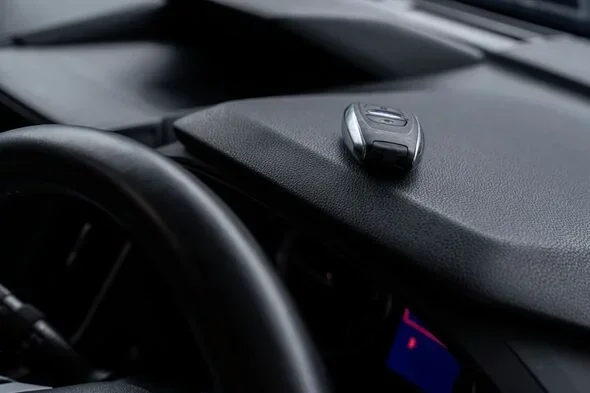
Why won’t my key fob unlock or start my car? The most common reasons include a dead battery inside the fob, signal interference, water damage, or a worn-out key fob. Sometimes the problem is a simple fix you can do at home, like replacing the coin-cell battery. Other times, it points to a deeper issue with the car’s immobilizer system or the lock cylinder itself. This guide walks you through every likely cause and gives you clear steps to troubleshoot the problem quickly.
There is nothing more frustrating than standing next to your car, pressing the button on your key fob, and hearing nothing. You push the unlock button again. Nothing. You try to start the engine. Still nothing. Your key fob won’t unlock or start your car, and you are left standing in the parking lot wondering what went wrong.
This problem happens to almost every car owner at some point. Whether you drive a sedan, SUV, or truck, remote key fobs are convenient but also fragile. A single dead battery, a drop on a hard floor, or even cold weather can turn your trusty fob into a useless piece of plastic. The good news is that most causes are easy to fix, and you do not need to be a mechanic to solve them.
In this article, we will walk you through every reason your car key fob might stop working. We will cover simple fixes you can try right now, deeper issues that need professional help, and tips to keep your keyless entry system running smoothly. By the end, you will know exactly what to do and how to prevent it from happening again.
Key Takeaways
- Dead fob battery: A drained coin-cell battery is the #1 reason key fobs stop working. Replacing it takes seconds.
- Signal interference: Nearby electronics, metal structures, or extreme cold can weaken your key fob signal.
- Water damage: Moisture inside the fob can short-circuit the circuit board and kill the device entirely.
- Immobilizer or programming issues: Your car may not recognize the fob if the transponder chip fails or the system needs reprogramming.
- Physical wear and tear: Dropping, cracking, or aging components can cause intermittent or complete key fob failure.
- Lock cylinder or ignition problems: Sometimes the car itself is the issue, not the fob.
- When in doubt, see a pro: A locksmith or dealer can diagnose and fix complex key fob and immobilizer problems fast.
📑 Table of Contents
Why Your Key Fob Stopped Working
A key fob not working can feel like a mystery, but it usually comes down to one of a handful of common causes. Understanding these reasons helps you narrow down the problem fast. Let us break them down one by one.
Dead Battery Inside the Fob
The single most common reason for a key fob not unlocking car doors is a dead battery. Every remote fob has a small coin-cell battery inside, usually a CR2025 or CR2032. These batteries last about two to four years, but cold weather and frequent use can shorten that lifespan.
When the battery dies, your remote key fob loses its signal strength. At first, you might notice you need to press the button harder or stand closer to the car. Then one day, it stops working completely. This is your fob telling you it needs a new battery.
Replacing the battery is simple and cheap. You can buy a replacement at any drugstore or auto parts store for under a few dollars. Most fobs have a small screw or a sliding cover on the back. Pop it open, swap the old battery for the new one, and you are good to go.
Signal Interference
Sometimes the problem is not your fob at all. Key fob signal interference happens when other electronics near your car block the radio frequency your fob uses. This is more common than most people think.
Things that can cause interference include:
- Nearby cell phones or tablets
- Other vehicles with similar fob systems
- Large metal structures like parking garages
- Power lines or electrical substations
- USB chargers or aftermarket electronics plugged into your car
If your fob works fine at home but fails in a parking structure, signal interference is likely the culprit. Try moving away from other electronics and pressing the button again. You can also try standing next to your car rather than across the parking lot.
Water Damage to the Fob
Key fobs are not waterproof. Even a small amount of moisture can ruin the internal circuit board. If you have ever dropped your fob in a puddle, left it in a pocket that went through the wash, or spilled a drink on it, water damage could be the reason your car key fob stopped working.
Signs of water damage include:
- The fob works intermittently before dying completely
- Buttons respond slowly or not at all
- The fob feels damp or looks corroded inside
- It stopped working shortly after exposure to moisture
If you suspect water damage, open the fob immediately and let it dry completely. You can place it in a bowl of uncooked rice overnight to pull out moisture. If the circuit board is corroded, you may need a key fob replacement.
Dead Battery and Power Issues
We mentioned the fob battery already, but let us go deeper. The key fob battery is the lifeblood of your remote. Without it, your fob is just a piece of plastic. Understanding how this tiny power source works can save you time and money.
How to Replace Your Key Fob Battery
Replacing the battery in your remote key fob is one of the easiest car maintenance tasks you can do. Here is how to do it step by step:
- Find the small seam or slot on the back of your fob.
- Use a small flathead screwdriver or a coin to pry it open.
- Note which side the old battery faces up.
- Remove the old battery carefully.
- Insert the new battery with the positive side facing up.
- Snap the fob back together and test it on your car.
Quick tip: Always carry a spare battery in your glove box. This way, if your fob dies at the worst possible moment, you are prepared.
When the New Battery Does Not Fix the Problem
If you replaced the battery and your key fob still not working, the battery alone was not the issue. This can happen when the fob has been completely dead for a long time. In some cars, a fully drained fob can reset the internal memory or damage the circuit board.
Try using the physical key blade that is hidden inside most fobs to unlock your car manually. If the car unlocks with the physical key but not the fob, the fob itself needs repair or replacement. If the car does not respond to either method, the problem might be in the car, not the fob.
Signal and Range Problems
Your key fob signal range is the distance at which the fob can communicate with your car. Most modern fobs work from about 30 to 60 feet away. But several factors can reduce that range significantly.
Cold Weather and Key Fob Performance
Cold weather is a notorious fob killer. When temperatures drop, the chemical reaction inside the battery slows down. This means even a battery that is not fully dead may not have enough power to send a strong signal to your car.
If your fob works fine in your warm house but fails in the freezing parking lot, cold weather is likely the cause. To prevent this, keep your fob in an inside pocket close to your body. Your body heat helps maintain the battery voltage. You can also carry a backup fob during winter months.
Low Battery in the Car Itself
Here is something many car owners do not realize: a low car battery can cause key fob problems. If your car’s 12-volt battery is weak, the receiver module inside the car may not have enough power to detect your fob’s signal.
If your car will not start and the dashboard lights are dim, the car battery itself might be the issue. Try jump-starting the car or charging the battery. Once the car has enough power, your fob should work normally again.
Key Fob Programming and Immobilizer Issues
Modern cars use a sophisticated immobilizer system that prevents the engine from starting unless it recognizes the correct transponder key or fob. When this system has a problem, your car might unlock but not start, or it might not respond at all.
What Is a Car Immobilizer?
An immobilizer is a security feature built into your car’s engine control unit. It communicates with your key fob or ignition key through a tiny chip called a transponder. If the immobilizer does not recognize the chip, it will not allow the engine to start.
This is why sometimes your key fob unlocks the doors but the car will not start. The doors use one signal, but the immobilizer uses a different, encrypted signal for the ignition.
When the Fob Needs Reprogramming
Over time, the programming between your fob and your car can get disrupted. This can happen after a battery change, after a jump start, or following a power outage in the car. When reprogramming is needed, the fob and car essentially need to relearn each other.
Some cars allow you to reprogram the fob yourself by following a specific sequence of steps. This usually involves turning the ignition on and off a certain number of times and pressing buttons on the fob. Check your owner’s manual for the exact steps for your vehicle.
For other vehicles, you will need to visit a dealer or a professional locksmith who has the equipment to reprogram the fob. This is not a DIY fix for everyone, and that is perfectly okay.
Transponder Key vs. Keyless Entry Fob
It helps to understand the difference between a transponder key and a keyless entry fob. A transponder key has a chip embedded in the plastic head of the key. When you turn it in the ignition, the chip sends a code to the immobilizer.
A push button start key fob works similarly but uses a rolling code system for enhanced security. Both types can fail for different reasons. A transponder chip can crack or stop working, while a keyless fob can lose its programming or suffer from internal electronic failure.
Physical Damage and Wear
Key fobs take a beating. They get dropped, sat on, scratched, and exposed to heat and cold. Over time, this wear and tear adds up and can cause your car key fob to stop working.
Cracked or Broken Fob Housing
A cracked fob case might seem like a cosmetic issue, but it can expose the internal electronics to dust, moisture, and damage. If you notice cracks in your fob, consider replacing it before the internal components fail.
You can buy replacement fob housings online for many car models. Some people even transfer their internal circuit board into a new housing. However, if the circuit board itself is damaged, a full key fob replacement is usually the best option.
Worn-Out Buttons
The rubber buttons on your fob wear out over time. When they wear thin, they may not make proper contact with the circuit board. This causes some buttons to work and others to fail, or all buttons to stop working entirely.
If only certain buttons respond, worn buttons are a likely cause. You can sometimes clean the contacts with a small amount of electrical contact cleaner. But if the buttons are physically worn down, you will need a new fob.
When to See a Professional
Most key fob troubleshooting steps you can do at home. But some problems require professional help. Knowing when to call a locksmith or visit the dealer can save you time and prevent costly mistakes.
Signs You Need Professional Help
Consider seeing a professional if:
- You have replaced the battery and the fob still does not work
- The car unlocks but will not start, and the immobilizer light is on
- Your fob has been submerged in water or dropped from a significant height
- Multiple fobs for the same car stopped working at the same time
- Your car’s dashboard shows a key fob or security warning light
- You have tried reprogramming and it did not resolve the issue
Choosing Between a Locksmith and a Dealer
Both locksmiths and car dealers can handle key fob replacement and programming. Locksmiths are often faster and more affordable. Many mobile locksmiths can come to you, program a new fob on the spot, and have you back on the road in under an hour.
Car dealers typically charge more but have access to factory-specific tools and software. If you have a newer or luxury vehicle with advanced security features, the dealer might be your best option.
Expert insight: Always ask for a quote before committing. Many locksmiths offer free diagnostics and competitive pricing. Compare that to dealer costs, and you may be surprised at the savings.
How to Prevent Key Fob Problems
Prevention is always better than repair. Here are simple habits that can extend the life of your key fob and keep your car lock system working reliably.
- Replace the battery every two to three years even if the fob still works. This prevents unexpected failures.
- Keep your fob away from water. Do not leave it in a pocket that might go through the wash.
- Store your fob away from strong magnets and electronics. These can interfere with the internal chip.
- Use a protective fob case. A silicone or leather cover absorbs shocks and prevents cracks.
- Keep a spare fob in a safe place. If your primary fob fails, you will not be stranded.
- Avoid dropping your fob. If you are hard on your fobs, consider a keychain holder that cushions the impact.
These small steps take almost no effort but can save you from the hassle of a non-functioning key fob at the worst possible time.
Key Takeaways
- Dead fob battery is the #1 cause: A simple battery swap fixes most key fob problems instantly.
- Signal interference and cold weather can temporarily weaken your fob’s range and performance.
- Water damage can permanently destroy the internal circuit board if not addressed quickly.
- Immobilizer and programming issues require specialized tools to diagnose and fix.
- Physical wear and tear from drops and cracks can lead to intermittent or total fob failure.
- See a professional when home troubleshooting does not resolve the issue.
- Regular maintenance like timely battery replacement and protective storage prevents most problems.
Conclusion
Dealing with a key fob that will not unlock or start your car is stressful, but it is almost always fixable. The vast majority of the time, the cause is simple: a dead battery, signal interference, or minor water damage. A few minutes of troubleshooting can get you back behind the wheel.
When the problem is deeper, like an immobilizer failure or a cracked circuit board, do not hesitate to seek professional help. A qualified locksmith or dealer can diagnose the issue quickly and get your car key fob working again.
The best approach is prevention. Keep a spare battery on hand, protect your fob from moisture and drops, and replace it every few years before it leaves you stranded. Your keyless entry system works hard for you every day. A little care goes a long way in keeping it reliable for years to come.
So the next time your key fob won’t unlock or start your car anymore, do not panic. Work through the checklist above, and you will likely find the answer. And if you do not, a quick call to a professional will have you on your way.
Frequently Asked Questions
Why won’t my key fob unlock my car even with a new battery?
The new battery might be installed incorrectly, or the contacts inside the fob may be corroded. Try removing the battery, cleaning the contacts with a dry cloth, and reinserting the battery the right way. If that does not work, the fob’s circuit board may need professional repair or replacement.
Can a dead car battery cause the key fob to stop working?
Yes, indirectly. A weak car battery may not provide enough power to the receiver module that detects your fob’s signal. If your car will not start and the fob is unresponsive, try charging or jump-starting the car battery first.
How do I know if my key fob needs reprogramming?
If your fob unlocks the doors but the car will not start, the transponder signal may not be recognized by the immobilizer. Other signs include the fob working intermittently or stopping after a battery change. Reprogramming usually resolves these issues.
How much does it cost to replace a key fob?
A basic key fob replacement costs between $50 and $150 for the part alone. Programming at a dealer may add $50 to $100 more. A locksmith is often a more affordable option and can handle both the replacement and programming for a lower total cost.
Can I use my phone as a key fob replacement?
Some newer car models support digital keys through a smartphone app. If your car has this feature, you can use your phone to unlock and start the vehicle. Check your owner’s manual or contact your dealer to see if your car supports this technology.
How long does a key fob battery last?
A typical key fob battery lasts between two and four years. Cold weather, frequent use, and long signal distances can shorten that lifespan. Replacing the battery proactively every three years helps prevent unexpected failures.