What Do I Do If My Trunk Wont Open And How To Fix It
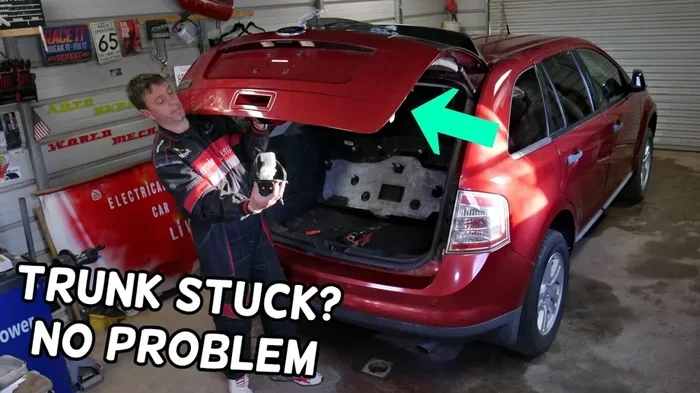
If your trunk won’t open, don’t panic. This guide shows you how to fix a stuck trunk with simple DIY checks for the trunk latch, release cable, and key fob. You’ll learn quick fixes for a trunk that won’t budge, plus when to call a pro.
You’re standing by your car, pulling the trunk release, and nothing happens. Your trunk won’t open, and you’re stuck. Whether it’s a stuck trunk from a cold morning or a trunk latch that just won’t latch, this guide will help you fix it fast. A trunk that won’t open can ruin your day, but most problems are simple to solve. You’ll learn how to check the key fob, the release cable, the trunk strut, and more. By the end, you’ll know exactly what to do when your trunk won’t open.
Cars are reliable, but the trunk mechanism can fail without warning. A stuck trunk might leave your luggage, groceries, or emergency gear locked inside. The good news is that you can often fix the problem yourself. This article covers every common reason a trunk won’t open. We’ll walk through each step in plain language. No jargon, no fluff—just clear fixes that work.
Let’s get your cargo area accessible again. We’ll start with the easiest checks and move to more involved repairs. You’ll also learn how to prevent a stuck trunk in the future. Keep reading to become your own trunk repair expert.
Key Takeaways
- Check the key fob battery first: A dead battery causes many trunk release failures.
- Inspect the trunk latch and lock: Debris or misalignment often stops the trunk from opening.
- Test the trunk release cable: A frayed or snapped cable needs a simple DIY replacement.
- Examine the trunk strut and hinges: A weak strut or rusty hinge can make the trunk feel stuck.
- Use the manual trunk release lever: Every car has an emergency release inside the cabin.
- Know when to call a mechanic: Serious trunk mechanism damage requires professional trunk latch repair.
- Prevent future issues: Regular cleaning and lubrication keep the trunk seal and latch working smoothly.
📑 Table of Contents
Why Your Trunk Won’t Open
A trunk that won’t open usually comes down to a few common culprits. The problem could be electrical, mechanical, or simply a build-up of grime. Understanding the root cause helps you choose the right fix. Below we break down the main systems involved in opening your trunk.
The Key Fob and Remote Control
Most modern cars use a key fob to send a signal to the trunk release. If the battery in the fob dies, the trunk won’t receive the command. You might press the button and hear nothing, or see a flashing light on the dashboard. A stuck trunk caused by a dead fob battery is the easiest problem to solve.
Try these steps first:
- Replace the fob battery with a fresh CR2032 coin cell.
- Hold the fob close to the trunk release button on the car itself.
- Check if the trunk opens using the physical key in the door lock.
Quick Tip
Keep a spare fob battery in your glove box. A trunk release button on the car’s console often works even if the remote fob fails.
The Trunk Lock and Latch Mechanism
The trunk lock and trunk latch are metal parts that engage when you close the trunk. Dirt, ice, or a small object can block the latch from releasing. A trunk latch that is misaligned will keep the trunk sealed shut. You might hear a click when you press the release, but the latch simply won’t budge.
Common signs of a trunk latch problem include:
- The trunk handle feels loose or spongy.
- The trunk seal looks worn or cracked.
- You see rust or corrosion around the latch.
Inspect the latch visually. Wipe away any debris with a cloth. A drop of penetrating oil can free a sticky trunk lock. If the latch is bent or broken, you’ll need a replacement part.
Common Mistake
Many people force the trunk handle when it won’t move. Yanking hard can strip the plastic gears inside the trunk mechanism. Always work gently and check the simple things first.
Expert Insight
Automotive techs say that a trunk seal clogged with leaves or mud is a frequent cause of a stuck trunk. Clean the seal every few months to prevent build-up.
Check the Trunk Release Cable
The trunk release cable connects the trunk handle to the latch. When you pull the handle inside the car or press the button, this cable tugs the latch open. Over time, the cable can fray, stretch, or snap. A broken cable is a common reason a trunk won’t open, even when the latch itself is fine.
Locating the Cable Under the Trunk Liner
Open the rear seats or fold down the rear seat back if possible. Look up into the cargo area. You’ll see a rubber trunk liner. Carefully peel it back to expose the trunk cable. Follow the cable from the handle to the latch. A trunk cable that looks kinked, rusted, or disconnected is the culprit.
When the Cable Is Frayed or Snapped
If the cable is frayed, you can sometimes reattach it with a cable clamp. If it’s snapped, you’ll need a replacement trunk release cable. Replacement cables are inexpensive and easy to find online for your specific car model. This is a trunk latch repair you can do at home with basic tools.
| Problem | DIY Fix | When to Call a Pro |
|---|---|---|
| Dead key fob battery | Replace battery or use physical key | Never—this is a simple fix |
| Trunk latch misaligned | Adjust latch with a screwdriver | If the latch is cracked or broken |
| Frayed trunk release cable | Reattach or replace the cable | If you can’t access the cable easily |
| Broken trunk strut | Replace the strut | Always—strut replacement requires care |
| Seized trunk lock | Use penetrating oil and gentle wiggling | If the lock cylinder is damaged |
Quick Tip
Use a wire coat hanger straightened into a long hook to manually trip the trunk release lever from inside the car. This works when the cable is broken and you need to open the trunk in an emergency.
Expert Insight
When replacing a trunk release cable, always compare the old cable to the new one. The diameter and end fittings must match exactly. A mismatched cable will not engage the trunk latch properly.
Trunk Strut and Hinge Problems
The trunk strut is the gas-filled cylinder that holds the liftgate open. A weak or broken strut makes the trunk feel stuck because the heavy hatch can’t stay up. You might notice the trunk slowly lowering on its own. In cold weather, struts lose pressure and can fail completely. This often mimics a trunk that won’t open because the liftgate is too heavy to lift manually.
A Weak or Broken Trunk Strut
Check both struts—one on each side of the trunk. If one is leaking oil or feels soft, it needs replacement. Struts are sold as pairs, and installation is straightforward. You’ll need a socket wrench and a helper to hold the liftgate up while you unbolt the old strut.
Rusty or Stiff Hinges
The trunk hinge allows the liftgate to pivot. Over time, hinges can rust or lose lubrication. A stiff hinge makes the trunk hard to open and can put extra strain on the trunk release cable. Spray a penetrating lubricant on the hinge pins and work the trunk open and closed several times. Wipe away excess grease to prevent dirt build-up.
Common Mistake
Ignoring a sagging liftgate is a big error. A sagging trunk puts constant pressure on the trunk latch and seal. This can lead to a stuck trunk and a damaged trunk seal that lets water leak into the cargo area.
The Manual Trunk Release Lever
Every car has a manual trunk release lever hidden inside the cabin. This emergency feature lets you open the trunk even if the electrical system fails. Knowing where it is can save you from a stuck trunk situation. The lever is usually located on the driver’s side, near the seat or on the floor behind the driver’s seat.
Where to Find the Emergency Release
Check your owner’s manual for the exact location. Some cars have a small handle or pull cord behind a trim panel. In sedans, it’s often behind the fold-down rear seat. In SUVs and wagons, look on the left side of the cargo area behind a removable panel.
Steps to Use the Lever from Inside the Car
- Fold down the rear seats or remove the cargo cover.
- Locate the trunk release lever or pull handle.
- Gently pull the lever toward you.
- The trunk latch should disengage and the trunk will pop open.
Quick Tip
Practice finding the manual release lever once a year. In an emergency, you’ll be glad you know exactly where it is without digging through the manual.
When to Call a Professional Mechanic
Some trunk problems are beyond a simple DIY fix. If you’ve checked the fob, cable, latch, and struts and the trunk still won’t open, it’s time for expert help. A mechanic can diagnose electrical faults, broken trunk lock cylinders, or internal trunk mechanism failures.
Signs of a Serious Trunk Mechanism Failure
- The trunk release button lights up, but nothing happens at all.
- You hear a grinding noise when pressing the release.
- The trunk latch moves but doesn’t fully disengage.
- Water has entered the trunk and corroded the latch assembly.
Cost Considerations for Trunk Latch Repair
A simple trunk latch repair like adjusting the alignment costs little. Replacing a trunk lock or trunk actuator can range from $150 to $400 for parts and labor. A broken trunk release cable replacement is usually under $100 if you do it yourself. Always get a quote before authorizing major work.
Key Takeaways
- Start with the simple fixes: fob battery, latch debris, and cable check.
- Don’t force the trunk: forcing can cause expensive damage to the trunk mechanism.
- Use the manual release lever: it’s your backup when everything else fails.
- Replace worn parts promptly: a bad trunk strut or frayed cable leads to a stuck trunk.
- Call a pro for electrical issues: a mechanic can trace wiring faults safely.
Preventing Future Trunk Problems
Regular care keeps your trunk working smoothly for years. A few simple habits prevent most trunk won’t open situations. Think of it as trunk maintenance, just like oil changes for your engine.
Regular Maintenance Tips
- Wipe the trunk seal with a damp cloth every month to remove dirt and leaves.
- Spray the trunk latch and hinges with a silicone-based lubricant twice a year.
- Check the trunk release cable tension during routine oil changes.
- Keep the cargo area clean to avoid debris jamming the latch.
Keep the Trunk Seal Clean and Lubricated
The trunk seal is the rubber gasket around the trunk lid. A dirty seal can cause the trunk to stick or not close properly. Clean it with mild soap and water, then apply a rubber conditioner. This keeps the seal flexible and prevents a stuck trunk from weather-related swelling.
Quick Tip
Set a calendar reminder to check your trunk latch every six months. A quick 5-minute inspection can save you from a trunk that won’t budge on a busy day.
A trunk that won’t open is almost always a solvable problem. By working through the key fob, the trunk release cable, the trunk latch, and the struts, you’ll find the cause. Remember to use the manual trunk release lever as your safety net. Keep your trunk mechanism clean and lubricated, and you’ll rarely face a stuck trunk again. Now you have the knowledge to handle a trunk won’t open situation with confidence.
Frequently Asked Questions
What should I do first if my trunk won’t open?
Start by checking the key fob battery. A dead battery is the most common reason a trunk won’t open. Try the trunk release button on the car itself, and then use the physical key in the door lock to unlock the trunk. If those don’t work, move on to inspecting the trunk latch for debris.
Can I drive with a trunk that won’t open?
You can drive, but you won’t have access to your cargo area. Make sure the trunk is fully closed and latched to avoid safety hazards. If the trunk seal is damaged, rain or debris could enter the trunk. Fix the problem as soon as possible to avoid further issues.
How much does it cost to fix a trunk release cable?
A replacement trunk release cable typically costs $15 to $40 for the part. If you replace it yourself, you only pay for the cable. A mechanic will charge $50 to $100 for labor. This is one of the most affordable trunk latch repairs you can do.
Why does my trunk only open from the inside but not with the remote?
This usually points to a problem with the key fob or the trunk lock actuator. Replace the fob battery first. If that doesn’t work, the trunk lock actuator may need replacement. The manual release lever inside the car should still work in this case.
Is it safe to use a wire coat hanger to open a stuck trunk?
Yes, it’s a common emergency trick. Straighten a wire coat hanger and insert it through the trunk seal gap near the handle. Hook the trunk release cable or lever and gently pull. Be careful not to scratch the paint or damage the rubber seal.
How can I prevent my trunk from getting stuck in the future?
Clean the trunk seal and latch every few months. Apply a silicone lubricant to the trunk hinge and latch twice a year. Replace the key fob battery annually. Check the trunk release cable for fraying during routine car maintenance. These simple steps prevent most stuck trunk problems.