What Controls the Remote Start System and How It Works
The remote start system lets you start your car from a distance using a key fob or smartphone app. It relies on several key components working together, including the control module, ignition circuit, and security bypass. Understanding what controls the remote start system helps you troubleshoot issues, choose the right system, and get the most out of your vehicle’s features.
Have you ever sat in a warm car on a freezing winter morning before you even stepped inside? Or cooled down your vehicle on a scorching summer day before the drive? That comfort comes from the remote start system, and it is more than just a fancy button on your key fob.
But what exactly controls this clever feature? How does your car know to fire up the engine when you are standing fifty feet away? The truth is, a remote start system involves several components working together in perfect harmony. From the key fob in your pocket to the control module under your dashboard, every piece plays a vital role.
In this guide, we will break down exactly what controls the remote start system, how each part works, and why understanding this technology matters. Whether you drive a factory remote start vehicle or have an aftermarket remote start installed, this article will give you a clear picture of the technology behind the convenience.
Key Takeaways
- Control Module: The brain of the remote start system that sends signals to start the engine.
- Key Fob or Smartphone App: The primary way users activate the remote start function.
- Ignition and Starter Circuit: The electrical pathways that actually turn the engine over.
- Security Bypass Module: Prevents the anti-theft system from blocking the remote start.
- Factory vs. Aftermarket: Both types have different control mechanisms and installation needs.
- Safety Features: Multiple sensors and checks ensure the system operates safely every time.
📑 Table of Contents
- What Is a Remote Start System?
- The Key Components That Control the Remote Start System
- How Does the Remote Start System Work Step by Step?
- Factory Remote Start vs. Aftermarket Remote Start
- Common Problems with Remote Start Systems
- Quick Tips for Maintaining Your Remote Start System
- Expert Insights on Remote Start Technology
- Key Takeaways
- Conclusion
What Is a Remote Start System?
A remote start system is an electronic device or built-in feature that allows you to start your vehicle’s engine from a distance. You press a button on a key fob or use a smartphone app, and the system handles the rest. The engine turns over, the heaters or air conditioning kick on, and your car is ready when you are.
Modern remote engine start technology has come a long way from the basic systems of the past. Today’s setups include encrypted signals, rolling codes, and smartphone connectivity. Some systems even let you control the climate control pre-conditioning feature, so your car reaches the perfect temperature before you walk out the door.
The remote start system is not just about comfort. In cold climates, it helps warm up the engine and reduce wear. It also defrosts the windshield and melts ice, making your morning commute safer. In hot weather, it cools down the interior, protecting leather seats and electronics from heat damage.
The Key Components That Control the Remote Start System
Several components work together to make the remote start system function. Each one has a specific job, and if any single part fails, the whole system can stop working. Let us look at the main components in detail.
The Control Module
The control module is the brain of the remote start system. It receives signals from your key fob or smartphone app and sends commands to the engine. Think of it as the conductor of an orchestra. It tells every part when to act and in what order.
Most control modules are small boxes installed under the dashboard or near the steering column. They connect to the vehicle’s wiring harness and communicate with the vehicle computer. In factory remote start systems, the module is often integrated into the vehicle computer itself. In aftermarket remote start setups, it is a separate device that gets professionally installed.
The control module also handles safety checks. It verifies that the transponder key or smart key system is present and valid before allowing the engine to start. This prevents theft and ensures only authorized users can activate the remote engine start.
The Key Fob and Transmitter
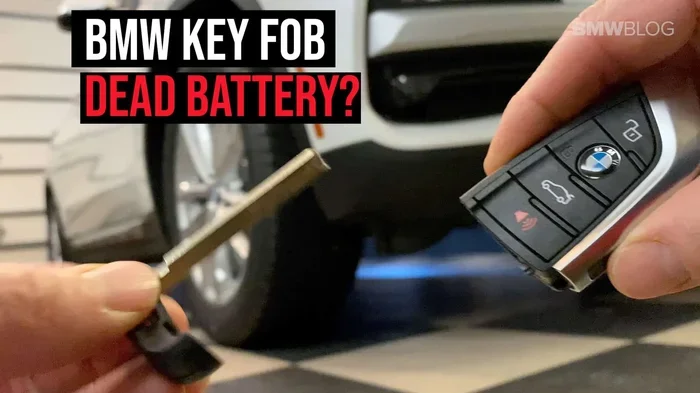
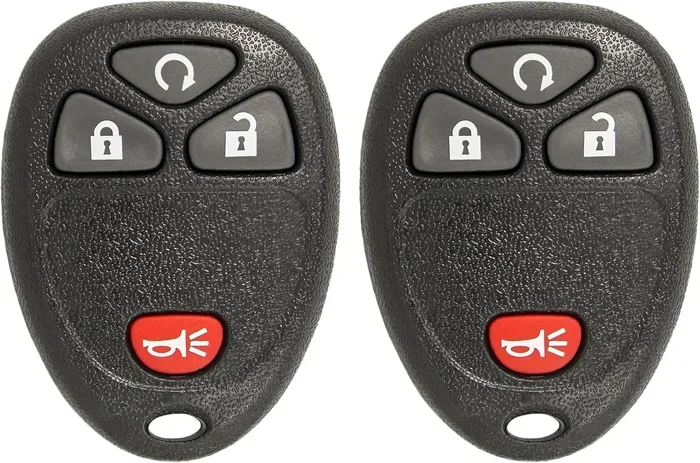
The key fob is the most visible part of the remote start system. It is the handheld device you carry in your pocket or bag. When you press the remote start button, the fob sends a radio signal to the vehicle. This signal is encrypted, which means it is coded to prevent unauthorized access.
Modern key fobs use rolling codes. This means the code changes every time you press a button. It is a security feature that stops hackers from copying your signal and hot-wiring your car. Some advanced smart key systems let you start the engine through a smartphone app using Bluetooth or cellular connectivity.
The range of the key fob varies by system. Most remote start systems work from about 500 to 1,500 feet away. High-end systems with GPS-enabled smartphone apps can work from anywhere in the world, as long as you have a cell signal.
The Ignition and Starter Circuit
When the control module receives the go-ahead signal, it sends power to the ignition circuit and the starter motor. The starter motor cranks the engine, just like it would if you turned the key. The ignition circuit provides the spark needed to ignite the fuel.
In a push-button start vehicle, the process is slightly different. The remote start system communicates with the vehicle computer to simulate a key turn. This is why aftermarket remote start kits for push-button start cars often need a security bypass module to trick the system into thinking the key is present.
The wiring harness connects all these electrical components. It is the network of wires that carries power and signals throughout the vehicle. Proper wiring is essential for a reliable remote start system. Loose or damaged wires can cause the system to fail or behave unpredictably.
The Security Bypass Module
Modern vehicles have anti-theft systems and immobilizer systems that prevent the engine from starting without the correct key. These are great for security, but they can interfere with remote start functionality. That is where the security bypass module comes in.
The security bypass module tricks the vehicle’s anti-theft system into thinking the correct key is present. It reads the transponder key signal and relays it to the vehicle computer. This allows the remote start system to start the engine without triggering the alarm.
For factory remote start systems, the bypass is usually built into the vehicle computer. For aftermarket systems, the bypass module is a separate component that needs professional installation. Without it, your remote engine start would not work on most modern vehicles.
Vehicle Computer and Sensors
The vehicle computer, also known as the engine control unit (ECU), plays a major role in the remote start system. It monitors engine temperature, fuel levels, and other vital parameters. Before allowing a remote start, it checks that all conditions are safe.
For example, the vehicle computer will not allow the remote start system to engage if the oil pressure is too low or if the coolant temperature is dangerously high. These safety checks protect your engine from damage. They also ensure that the remote engine start only runs when it is safe to do so.
Some vehicles have additional sensors that feed into the remote start system. These include transmission position sensors that confirm the vehicle is in park, and door switch sensors that check if any doors are open. All of these inputs help the system make smart decisions before starting the engine.
How Does the Remote Start System Work Step by Step?
Now that you know the components, let us walk through how the remote start system actually works. The process happens in seconds, but many things are happening behind the scenes.
- You press the button. You press the remote start button on your key fob or tap the button in your smartphone app.
- The signal is sent. The key fob transmits an encrypted radio signal to the vehicle. The signal travels through the air to the vehicle’s antenna.
- The control module receives the signal. The control module picks up the signal and decodes it. It checks if the signal is valid and authorized.
- Safety checks run. The control module communicates with the vehicle computer to verify that all safety conditions are met. It checks transmission position, door status, and engine readiness.
- The security bypass activates. If the vehicle has an anti-theft system, the security bypass module relays the correct transponder key signal to the vehicle computer.
- The engine starts. The control module sends power to the ignition circuit and starter motor. The engine turns over and starts running.
- Climate control activates. The remote start system also triggers the climate control pre-conditioning feature. The heater or air conditioner turns on based on your previous settings.
That entire sequence happens in about 10 to 20 seconds. It is a remarkable feat of modern vehicle ignition technology. And the best part is, it all happens automatically once you press that button.
Factory Remote Start vs. Aftermarket Remote Start
Not all remote start systems are the same. There are two main types: factory remote start and aftermarket remote start. Each has its own control mechanisms, advantages, and limitations.
Factory Remote Start Systems
Factory remote start systems come built into the vehicle from the manufacturer. They are designed to work seamlessly with the vehicle computer and all other electronics. These systems are usually controlled through the key fob that came with the car.
Factory systems tend to be more reliable because they are designed as a single integrated unit. The control module is part of the vehicle computer, so there are fewer wires to connect. They also often include advanced features like smartphone app integration and GPS tracking.
However, factory remote start systems are not available on all vehicles. They are more common on luxury and mid-range models. If your car did not come with this feature from the factory, you will need to look at aftermarket options.
Aftermarket Remote Start Systems
Aftermarket remote start systems are installed after the vehicle is purchased. They are made by third-party manufacturers and can be added to almost any car. Popular brands include Compustar, Viper, DroneMobile, and Avital.
Aftermarket systems offer more flexibility and features. You can choose from a wide range of key fobs, smartphone apps, and range options. They also tend to be more affordable than factory-installed systems.
The trade-off is installation complexity. Aftermarket systems require a security bypass module, additional wiring, and professional installation. The control module is a separate device that needs to be mounted and connected to the wiring harness. When done correctly, however, an aftermarket remote start works just as well as a factory system.
| Feature | Factory Remote Start | Aftermarket Remote Start |
|---|---|---|
| Installation | Built-in from manufacturer | Professional installation required |
| Cost | Included in vehicle price | $200-$500+ for kit and install |
| Control Module | Integrated into vehicle computer | Separate external module |
| Security Bypass | Built-in | Separate bypass module needed |
| Smartphone App | Often included | Available on most modern kits |
| Range | 500-1,500 feet typical | 500 feet to 3+ miles depending on system |
| Reliability | Very high | High with professional install |
Common Problems with Remote Start Systems
Even the best remote start system can run into problems. Understanding what can go wrong helps you troubleshoot and fix issues quickly.
The Remote Start Won’t Engage
This is the most common complaint. If your remote engine start does not respond, check a few things first. Make sure your key fob has fresh batteries. A weak battery in the fob can reduce the signal range or prevent it from working at all. Also, check if you are within range. Most systems have a maximum distance, and walls or buildings can block the signal.
If the fob batteries are fine and you are within range, the issue may be with the control module or the vehicle computer. In some cases, a transponder key battery is low and the security bypass module cannot read the signal. Replacing the transponder battery often fixes this problem.
The Engine Starts but Shuts Off Immediately
If your remote start system starts the engine but it shuts off right away, the vehicle computer is likely blocking it. This happens when the anti-theft system does not recognize the transponder key. The security bypass module may need to be reprogrammed or replaced.
Another common cause is a faulty ignition switch or starter motor. If the starter circuit has a loose connection, the engine may crank but not stay running. A professional mechanic can diagnose this quickly with a diagnostic scanner.
The Remote Start Works Intermittently
Intermittent issues are frustrating. They often point to a wiring problem. Check the wiring harness connections, especially at the control module. Corroded or loose wires can cause the system to work sometimes and fail other times.
Temperature can also play a role. In extreme cold, wiring harness connections can contract and lose contact. In extreme heat, solder joints can weaken. If you notice the problem is weather-dependent, inspect the wiring carefully.
Quick Tips for Maintaining Your Remote Start System
Keeping your remote start system in good shape is simple. Follow these tips to avoid problems and extend the life of your system.
- Replace key fob batteries annually. Even if the fob still works, a fresh battery ensures a strong signal and prevents unexpected failures.
- Keep the control module dry. Moisture can damage the control module and cause corrosion on connections. Check for water intrusion after car washes or in rainy conditions.
- Have the system tested during routine maintenance. Ask your mechanic to check the remote start system during oil changes or annual inspections.
- Update firmware if available. Some aftermarket remote start systems have firmware updates that improve performance and fix bugs.
- Use the system regularly. A remote start system that sits unused for months can develop issues. Use it at least once a week to keep everything functioning.
Expert Insights on Remote Start Technology
Auto technicians agree that understanding your remote start system saves time and money. Here are some expert insights to keep in mind.
Always choose professional installation for aftermarket systems. A poorly installed remote start adapter can damage your wiring harness or interfere with the vehicle computer. A certified installer will know how to properly integrate the control module and security bypass module without causing issues.
Pay attention to your vehicle’s vehicle identification number (VIN). Some remote start systems need to be programmed specifically for your vehicle’s make, model, and year. The VIN ensures you get the right kit and that it is configured correctly.
Consider a system with two-way communication. Two-way remote start systems send a confirmation signal back to your key fob when the engine starts. This means you know for sure the system engaged, even if you are far away. It is a small upgrade that adds a lot of peace of mind.
Key Takeaways
- The Control Module Is the Brain: It coordinates all signals and commands between the key fob, vehicle computer, and starter motor.
- The Key Fob Sends the Signal: Your key fob or smartphone app is the trigger that activates the entire remote start system.
- The Ignition Circuit Does the Work: The starter motor and ignition circuit actually turn the engine over when the system is activated.
- The Security Bypass Is Essential: Without it, the anti-theft system would block the remote engine start on most modern vehicles.
- Factory and Aftermarket Systems Differ: Factory systems are integrated and seamless, while aftermarket systems offer more features and flexibility.
- Regular Maintenance Prevents Problems: Simple steps like replacing fob batteries and checking wiring can keep your system running smoothly.
Conclusion
The remote start system is a remarkable piece of technology that combines comfort, convenience, and safety. From the key fob in your hand to the control module under your dashboard, every component plays a crucial role in making remote engine start work seamlessly.
Understanding what controls the remote start system empowers you as a vehicle owner. You can troubleshoot issues more effectively, make informed decisions about aftermarket systems, and appreciate the engineering behind the feature. Whether your car has factory remote start or you added an aftermarket system, the core principles remain the same.
Take care of your remote start system, and it will take care of you. Replace those key fob batteries, keep the wiring clean, and use the system regularly. A well-maintained remote start system will deliver years of reliable service and make every drive more comfortable.
Now that you know exactly how the system works, you can enjoy the convenience of a warm or cool car every time you step inside. And if something ever goes wrong, you will know exactly what to check and why. That knowledge is power, and it puts you in control of your remote start system for the long haul.
Frequently Asked Questions
What is the main control unit of a remote start system?
The control module is the main control unit of the remote start system. It receives signals from the key fob, communicates with the vehicle computer, and sends commands to the starter motor and ignition circuit. It acts as the brain that coordinates all the components.
Can I install a remote start system myself?
While some experienced DIYers can install a basic aftermarket remote start kit, professional installation is strongly recommended. Improper wiring can damage the wiring harness or interfere with the vehicle computer. A certified installer ensures the security bypass module and control module are connected correctly.
Why does my remote start not work in cold weather?
Cold weather can affect key fob battery performance and reduce signal range. It can also cause wiring harness connections to contract and lose contact. If the problem persists, check the fob batteries and inspect the wiring connections at the control module.
Is a remote start system bad for my engine?
No, a remote start system is not bad for your engine when installed correctly. In fact, it can help reduce engine wear in cold weather by allowing the oil to circulate before driving. Modern remote start systems include safety checks that prevent the engine from starting under unsafe conditions.
What is the difference between a remote start and a keyless entry?
A keyless entry system lets you lock and unlock the doors remotely. A remote start system goes further by actually starting the engine from a distance. Some vehicles combine both features in a single key fob, but they are separate systems with different control modules.
How far can a remote start system work?
Most remote start systems have a range of 500 to 1,500 feet using the key fob. Systems with smartphone app control can work from anywhere with a cellular signal, effectively unlimited range. Two-way remote start systems typically have a shorter range but provide confirmation feedback.