Do You Really Need the Inching Pedal on a Forklift
The inching pedal on a forklift is a hidden gem that many operators overlook. It gives you precise control at low speeds, making tight maneuvers and loading docks safer. Whether you are a seasoned driver or just starting out, understanding how and when to use the inching pedal can transform your forklift operation. This guide breaks down everything you need to know about this essential forklift control.
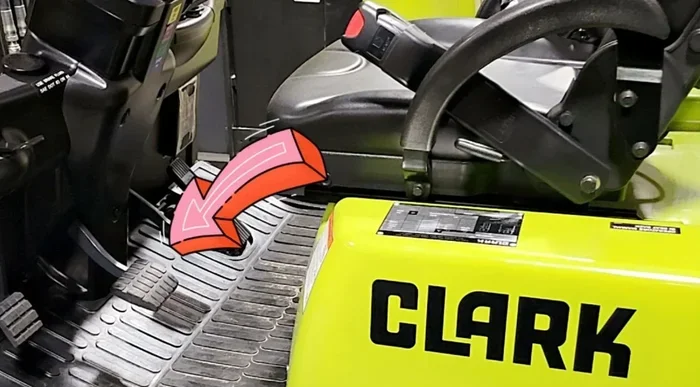
If you have ever driven a forklift, you may have noticed a small pedal near the floor that does not seem to do much. It is the inching pedal. Some operators use it every single shift. Others completely ignore it. So the real question is, do you really need the inching pedal on a forklift? The short answer is yes, but the full answer is more interesting than you might think.
Forklift operation is not just about lifting heavy loads. It is about control, precision, and safety. The inching pedal plays a big role in all three of those areas. Whether you work in a busy warehouse, a construction site, or a distribution center, understanding how this pedal works can make your job easier and safer. Let us dive into everything you need to know about the inching pedal and why it matters for your daily forklift operation.
Key Takeaways
- The inching pedal helps you control speed at very low levels: It is a game-changer for precision tasks like stacking pallets.
- Not all forklifts have one: Some models use a hand lever or automatic systems instead of a traditional pedal.
- Using the inching pedal correctly boosts safety: It reduces the risk of accidents in tight warehouse spaces.
- Common mistakes include riding the pedal too long: This can wear out the clutch and hydraulic system faster.
- Training matters: Proper forklift operator certification covers the inching pedal and its best practices.
- It is not always mandatory: But knowing when to use it separates good operators from great ones.
📑 Table of Contents
- What Is an Inching Pedal on a Forklift?
- How the Inching Pedal Works
- When You Actually Need the Inching Pedal
- Forklifts Without an Inching Pedal
- Common Mistakes Operators Make with the Inching Pedal
- Tips for Safe and Effective Inching Pedal Use
- Expert Insights on Forklift Pedal Operation
- Key Takeaways
- Conclusion
What Is an Inching Pedal on a Forklift?
The inching pedal is a special control found on most counterbalance forklifts and some reach trucks. When you press it, it disengages the transmission. This lets the forklift move at a very slow speed without changing engine RPM. Think of it as a way to crawl forward or backward while keeping full control over your lift truck.
Here is how it works in simple terms. You press the inching pedal, and it releases the clutch. The engine keeps running, but the wheels move slowly. You can then use the steering and lift controls at the same time without worrying about stalling the engine. It is like having a built-in slow-motion mode for your forklift.
Not every piece of industrial equipment has this feature. Some older models rely entirely on the driver’s foot on the brake to slow down. Newer forklifts often come with more advanced systems. But the inching pedal remains one of the most useful tools in any forklift operator’s toolkit.
Why Is It Called “Inching”?
The name comes from the idea of moving in very small increments. When you inch forward, you are barely creeping along. This is exactly what you want when you are navigating a narrow aisle or lining up a load on a rack. The inching pedal gives you that level of precision that you simply cannot get with full throttle control alone.
How the Inching Pedal Works
Understanding the mechanics behind the inching pedal helps you appreciate its value. Most forklifts use a hydraulic system to raise and lower the mast. The inching pedal works alongside this system to give you smooth, controlled movement. Here is a closer look at what happens when you press that pedal.
First, the pedal sends a signal to the clutch assembly. This disconnects the engine from the wheels. Second, the transmission goes into a neutral-like state. Third, the forklift can now move freely at a walking pace. You control the direction with the steering wheel and the speed with how much pressure you apply to the pedal.
Some forklift models use a hand-operated inching lever instead of a foot pedal. The concept is the same. It just gives you more flexibility in how you control the machine. Either way, the goal is the same. You want smooth, controlled movement at low speeds without putting unnecessary strain on the engine or the hydraulic system.
The Role of the Throttle
Here is something many new operators do not realize. The throttle and the inching pedal work together. When you press the inching pedal, you can keep the throttle at a steady level. This means the engine does not have to work harder every time you need to move slowly. It is a much more efficient way to operate a lift truck, especially during long shifts.
When You Actually Need the Inching Pedal
Now that you know what the inching pedal does, let us talk about when you actually need it. There are several situations where this pedal becomes absolutely essential. If you skip it in these moments, you risk damaging the forklift or causing an accident.
The inching pedal is most important during loading and unloading operations. When you are lining up a pallet on a high rack, you need millimeter-level precision. A quick tap on the throttle is not enough. You need that slow, controlled crawl that only the inching pedal provides.
Another critical moment is when you are navigating tight spaces. Warehouses often have narrow aisles between racking systems. Without the inching pedal, you would have to constantly start and stop, which wastes time and wears out your brake pads. The inching pedal lets you glide through these spaces smoothly and confidently.
Loading Dock Operations
Loading docks are one of the most dangerous areas in any warehouse. There are trailers to back into, docks to align with, and loads to secure. The inching pedal gives you the fine-tuned control you need in these high-pressure situations. It lets you creep up to a dock edge without overshooting or bumping into the barrier.
Stacking and Destacking Pallets
When you are stacking pallets at height, stability is everything. The slightest bump can cause a load to shift or fall. The inching pedal helps you avoid that by letting you move the forklift at a crawl. This is especially important when you are working at heights above four feet. A controlled approach saves loads, time, and lives.
Navigating Crowded Spaces
In a busy warehouse, there are always pedestrians, other forklifts, and obstacles in your path. The inching pedal lets you slow down and navigate these crowded areas safely. It is your best friend when you need to squeeze past a rack or give someone else the right of way.
Forklifts Without an Inching Pedal
Here is something worth noting. Not every forklift has an inching pedal. Some models, especially electric forklifts and certain pallet jacks, use different control systems. Instead of a pedal, they may have a joystick or a lever that controls speed and direction. Other modern forklifts use automatic transmission systems that eliminate the need for a separate inching pedal entirely.
So if your forklift does not have an inching pedal, does that mean you are at a disadvantage? Not necessarily. The key is to understand the controls on your specific machine. Every piece of industrial equipment has its own way of providing low-speed precision. You just need to learn how it works.
If you are used to forklifts with an inching pedal and you switch to a model without one, there may be a brief adjustment period. The good news is that the core principles remain the same. You still need to focus on smooth, controlled movement and precise positioning. The tools may be different, but the skills transfer easily.
Electric Forklifts and Their Controls
Electric forklifts are becoming more popular in warehouses because they are quieter and produce zero emissions. Many electric models use a proportional throttle lever that gives you smooth speed control without needing a separate inching pedal. The lever lets you dial in exactly the speed you want, from a crawl to full motion. It is a great alternative that works just as well for most applications.
Common Mistakes Operators Make with the Inching Pedal
Even experienced forklift operators sometimes make mistakes with the inching pedal. These errors can lead to equipment damage, wasted fuel, or safety hazards. Let us look at the most common mistakes and how to avoid them.
The first mistake is riding the inching pedal for too long. Some operators keep the pedal pressed down during long stretches of movement. This puts unnecessary wear on the clutch and can overheat the hydraulic system. The inching pedal is for short, controlled bursts. Use it for what it is designed for.
The second mistake is using the inching pedal instead of the brake. The inching pedal is not a substitute for slowing down or stopping. You should always use the brake pedal when you need to come to a complete stop. Relying on the inching pedal to slow down can lead to inconsistent stopping power and potential accidents.
Another common error is pressing the inching pedal and the gas pedal at the same time. This creates conflicting signals to the transmission and can cause jerky, unpredictable movement. Keep your foot on one pedal at a time for smooth, controlled forklift operation.
Ignoring Maintenance
The inching pedal is part of your forklift’s overall system, and it needs regular maintenance just like any other component. If the pedal feels spongy or unresponsive, do not ignore it. Have a qualified technician inspect the clutch, hydraulic lines, and pedal linkage. Catching small problems early prevents bigger, more expensive issues down the road.
Tips for Safe and Effective Inching Pedal Use
Using the inching pedal correctly is a skill that improves with practice. Here are some practical tips to help you get the most out of this important forklift control.
Start by familiarizing yourself with your specific forklift model. Every machine is slightly different. Read the operator manual and pay close attention to the section on the inching pedal. Understand where the pedal sits, how much pressure it takes to engage, and what it feels like when it is fully activated.
Practice in a safe, open area before you rely on the inching pedal during real operations. Find an empty section of your warehouse or yard. Spend some time pressing the pedal gently and feeling how the forklift responds. This hands-on practice builds muscle memory and confidence.
Keep your foot positioned correctly on the pedal. You want the ball of your foot on the pedal, not your toes or your arch. This gives you the best control and reduces foot fatigue during long shifts. It also helps you transition quickly between the inching pedal and the brake pedal if needed.
Combine It with Smooth Steering
The inching pedal works best when you pair it with smooth steering inputs. Avoid jerky turns or sudden movements. Instead, make gentle, deliberate adjustments to your direction. This combination of slow speed and smooth steering is what gives you that professional-level precision in tight spaces.
Watch Your Load Angle
When you are using the inching pedal, pay attention to the angle of your load. If the forks are tilted too far forward or backward, even slow movement can cause the load to shift. Keep the forks level and the load stable before you start inching forward or backward. This simple habit prevents countless accidents and load damages.
Communicate with Others
Even with perfect inching pedal technique, safety depends on communication. Use your horn, lights, and hand signals to let others know where you are going. The inching pedal gives you control of the machine, but it cannot control the environment around you. Stay alert and keep talking to your coworkers.
Expert Insights on Forklift Pedal Operation
Experienced forklift operators and trainers agree that the inching pedal is one of the most underutilized controls in the industry. Many operators go through their entire careers without fully understanding how to use it to their advantage. This is a missed opportunity, especially for those pursuing forklift operator certification or looking to advance their careers in industrial equipment operation.
Training programs that cover heavy equipment operation always emphasize the importance of the inching pedal. It is not just a nice-to-have feature. It is a fundamental part of safe and efficient forklift driving. The best operators know how to use every control on their machine, and the inching pedal is no exception.
Maintenance teams also have strong opinions about the inching pedal. They see the damage that comes from improper use every day. Worn clutches, damaged hydraulic cylinders, and transmission problems are all linked to pedal misuse. Taking care of the inching pedal means taking care of your entire forklift.
What Trainers Want You to Know
Forklift trainers consistently tell their students to think of the inching pedal as a precision tool, not a convenience feature. It is there to help you do your job better and safer. When you treat it that way, you will find that your forklift operation improves in every area. Your loads get stacked more accurately, your travel times decrease, and your safety record gets stronger.
Key Takeaways
- The inching pedal helps you control speed at very low levels: It is a game-changer for precision tasks like stacking pallets.
- Not all forklifts have one: Some models use a hand lever or automatic systems instead of a traditional pedal.
- Using the inching pedal correctly boosts safety: It reduces the risk of accidents in tight warehouse spaces.
- Common mistakes include riding the pedal too long: This can wear out the clutch and hydraulic system faster.
- Training matters: Proper forklift operator certification covers the inching pedal and its best practices.
- It is not always mandatory: But knowing when to use it separates good operators from great ones.
Conclusion
So, do you really need the inching pedal on a forklift? The answer is a clear yes. The inching pedal gives you the precise, controlled movement that makes forklift operation safer and more efficient. Whether you are stacking pallets high on a rack, navigating a crowded warehouse aisle, or backing into a loading dock, this pedal is your best tool for the job.
That said, the inching pedal is just one part of the bigger picture. Safe forklift operation depends on your knowledge, your training, and your attention to detail. Use the inching pedal correctly, maintain your equipment, and always follow the safety guidelines that come with your forklift operator certification. These habits will serve you well throughout your career in warehouse and industrial operations.
The next time you get behind the controls of a forklift, take a moment to appreciate that inching pedal. Give it a gentle press, feel the smooth, controlled movement, and notice the difference it makes. Once you experience the precision it offers, you will wonder how you ever operated without it. Happy driving, and stay safe out there.
Frequently Asked Questions
What happens if you drive a forklift without using the inching pedal?
You can still operate a forklift without using the inching pedal, but you will have less control at low speeds. This can make precision tasks like stacking pallets or navigating narrow aisles more difficult. Over time, relying only on the throttle and brake can also cause more wear on those components.
Can you damage the forklift by overusing the inching pedal?
Yes, overusing the inching pedal can cause damage. Keeping the pedal pressed for too long puts extra strain on the clutch and hydraulic system. It can also lead to overheating of the transmission. Use the pedal in short bursts for the best results and longest equipment life.
Do all forklifts have an inching pedal?
No, not all forklifts have an inching pedal. Some models, especially electric forklifts and pallet jacks, use different control systems like levers or joysticks. Always check the operator manual for your specific forklift to understand what controls are available.
Is the inching pedal the same as the brake pedal?
No, they are completely different. The inching pedal disengages the transmission to allow slow movement. The brake pedal slows the forklift down and brings it to a stop. Never use the inching pedal as a substitute for the brake pedal.
Do you need special training to use the inching pedal?
Basic forklift operator certification covers the inching pedal as part of the standard training curriculum. However, hands-on practice is the best way to build confidence and skill. Ask your supervisor for extra practice time if you are new to using the pedal.
Does the inching pedal work the same way on every forklift brand?
Most inching pedals work on the same basic principle, but the feel and pressure required can vary between brands and models. Always take the time to get comfortable with the specific controls on the forklift you are operating before starting your shift.