What Truck Will Last the Longest and Why It Matters
Finding the truck that will last the longest comes down to build quality, engine reliability, and smart ownership habits. The most durable trucks come from brands like Toyota, Ford, and Chevrolet, but your maintenance routine plays a huge role too. This guide breaks down the top long-lasting pickups, shares real-world mileage data, and gives you practical tips to extend your truck’s lifespan for years to come.
Not all trucks are built the same. Some roll off the assembly line and keep running for 300,000 miles or more. Others start showing problems before they hit 100,000. If you have ever wondered what truck will last the longest, you are not alone. This is one of the most searched questions in the automotive world, and for good reason.
Buying a truck is a big decision. It is often one of the most expensive purchases a person makes. You want something that handles work, hauls gear, and still runs strong years down the road. The good news is that several models have proven their durability time and again. In this article, we will explore the most durable trucks, explain why they last so long, and give you actionable tips to get the most miles out of your own pickup.
Key Takeaways
- Toyota trucks dominate longevity: Models like the Tundra and Tacoma consistently rank as the most durable pickups on the road.
- Engine and frame quality matter most: The trucks with the strongest powertrains and frames tend to outlast competitors by a wide margin.
- Regular maintenance is non-negotiable: Even the best-built truck will fail early if you skip oil changes, fluid flushes, and scheduled inspections.
- Driving habits affect lifespan: Gentle acceleration, avoiding overloading, and proper storage all contribute to a longer-lasting truck.
- Resale value reflects durability: The trucks that last the longest also hold their value best, making them smart financial investments.
- Used trucks can be great buys: A well-maintained older model often delivers decades of service at a fraction of the cost.
📑 Table of Contents
- What Makes a Truck Last the Longest?
- Top Trucks Known for Longevity
- Comparison: Which Truck Lasts the Longest?
- Maintenance Tips to Extend Your Truck’s Life
- Driving Habits That Add Miles to Your Truck
- Why Longevity Matters When Buying a Truck
- Common Mistakes That Shorten a Truck’s Life
- Expert Insights on Truck Longevity
- Key Takeaways
- Final Thoughts
What Makes a Truck Last the Longest?
Before we name specific models, let us talk about what actually makes a truck survive for decades. Longevity in trucks is not just about luck. It comes down to a mix of engineering, materials, and how the vehicle is treated over time.
Engine Reliability
The engine is the heart of any truck. Some engines are simply designed with durability in mind. They use stronger materials, better cooling systems, and more efficient fuel delivery. When an engine is built to handle heavy loads and high mileage, it rarely breaks down. The most reliable truck engines tend to be naturally aspirated V8s and modern turbo-diesel powerplants. These engines have fewer complex parts that can fail, which makes them naturally long-lasting.
Frame and Build Quality
A truck frame takes a beating over the years. It carries cargo, absorbs road shock, and endures weather extremes. Trucks with fully boxed frames tend to hold up better than those with c-channel or hybrid designs. The frame is the skeleton of the vehicle. If it rusts or warps, everything else falls apart. Brands that invest in high-grade steel and advanced rust-proofing give their trucks a serious advantage in the longevity department.
Transmission Durability
Many people overlook the transmission, but it is just as important as the engine. A truck with a weak transmission will not last long no matter how strong the engine is. Modern automatic transmissions have come a long way, but some older models still prove incredibly reliable. The best long-lasting trucks pair a durable engine with a transmission that can handle repeated heavy use without wearing out quickly.
Top Trucks Known for Longevity
Now let us get to the fun part. Which specific trucks have earned a reputation for lasting the longest? Here are the models that consistently show up in reliability studies, owner surveys, and high-mileage forums.
Toyota Tundra
The Toyota Tundra has been a benchmark for truck durability for over two decades. It is not flashy, and it does not have the flashiest tech either. But it keeps running. Many Tundra owners report crossing the 300,000-mile mark with only routine maintenance. The 5.7-liter V8 engine is known for its bulletproof construction. Toyota also uses a robust transmission that handles the torque without complaint. The Tundra consistently ranks at the top of every most durable truck list.
Toyota Tacoma
Do not let the Tacoma’s smaller size fool you. This midsize pickup is one of the longest-lasting trucks on the market. The Tacoma has a loyal following of owners who keep them for 20 years or more. The 2.7-liter four-cylinder and the 3.5-liter V6 both have strong track records for reliability. The Tacoma also holds its resale value incredibly well, which is a bonus if you ever decide to sell or trade up.
Ford F-150
The Ford F-150 is the best-selling truck in America for a reason. It is versatile, powerful, and surprisingly durable. The older models with the 4.6-liter and 5.0-liter V8 engines are especially known for their longevity. These engines are simple, well-proven designs that can easily surpass 250,000 miles. The newer aluminum-bodied F-150 models have also impressed with their combination of light weight and structural strength. Regular maintenance is key, but the F-150 is a strong contender for the longest-lasting truck.
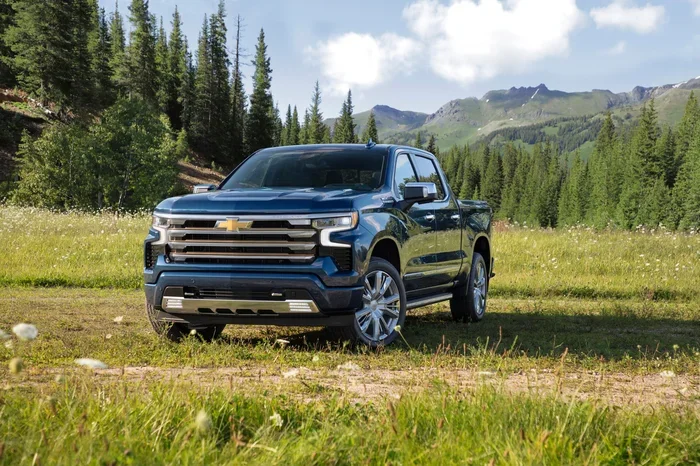
Chevrolet Silverado 1500
The Chevrolet Silverado 1500 has been a workhorse for decades. The models equipped with the 5.3-liter V8 engine are particularly well-regarded for their durability. This engine is one of the most produced in GM’s history, and for good reason. It is reliable, powerful, and relatively easy to maintain. Silverado owners frequently report high-mileage achievements, especially when the truck is used for light to moderate duty rather than constant heavy hauling.
GMC Sierra 1500
The GMC Sierra shares much of its DNA with the Silverado, and it shows in the reliability department. The Sierra 1500 offers the same strong engine options and solid frame construction. Many owners find that the Sierra’s interior quality holds up better over time compared to competitors. It is a truck that feels premium even after years of hard use. The 5.3-liter and 6.2-liter V8 engines are the stars here, both known for extended lifespans when properly maintained.
Ram 1500
The Ram 1500 has made significant strides in reliability over the past several years. The older Hemi V8 models are particularly well-known for lasting a long time. The 5.7-liter HEMI engine has a strong reputation for durability and can handle serious mileage. The Ram also offers a smooth ride and comfortable interior, which makes it a great daily driver that still has the toughness to work when needed.
Comparison: Which Truck Lasts the Longest?
Not sure which model to focus on? Here is a quick comparison of the top long-lasting trucks based on average lifespan, reliability ratings, and common high-mileage achievements.
| Truck Model | Avg. Lifespan (Miles) | Common High-Mileage Mark | Reliability Rating |
|---|---|---|---|
| Toyota Tundra | 250,000 – 300,000 | 300,000+ | Excellent |
| Toyota Tacoma | 250,000 – 300,000 | 300,000+ | Excellent |
| Ford F-150 | 200,000 – 250,000 | 250,000+ | Very Good |
| Chevrolet Silverado 1500 | 200,000 – 250,000 | 250,000+ | Very Good |
| GMC Sierra 1500 | 200,000 – 250,000 | 250,000+ | Very Good |
| Ram 1500 | 200,000 – 250,000 | 250,000+ | Good |
Keep in mind that these numbers are averages. Individual results vary widely based on maintenance, driving conditions, and usage patterns. A well-cared-for truck from any of these brands can exceed the averages listed above.
Maintenance Tips to Extend Your Truck’s Life
Even the most durable truck will not last long if you neglect it. Maintenance is the single biggest factor you can control when it comes to how many miles your truck will clock. Here are the most important steps to keep your pickup running strong for years.
Stick to the Maintenance Schedule
Every truck comes with a manufacturer-recommended maintenance schedule. This is not just a suggestion. It is a roadmap designed to keep every component functioning at its best. Oil changes, transmission fluid flushes, coolant replacements, and brake inspections all have specific intervals. Following these schedules consistently is the easiest way to prevent major breakdowns.
Use Quality Fluids and Parts
Not all fluids and replacement parts are created equal. Cheap oil may save you a few dollars today but can cause engine wear over time. Use manufacturer-recommended fluids and OEM or high-quality aftermarket parts. This is especially true for engine oil, transmission fluid, and brake fluid. These liquids do more than lubricate, they protect critical internal components from heat and friction.
Address Problems Early
Small problems become big problems fast in trucks. A minor coolant leak today can lead to a blown engine next month. A strange noise from the suspension can signal a failing component that will damage other parts if ignored. Listen to your truck. Pay attention to warning lights, unusual sounds, and changes in performance. Catching issues early saves money and extends your truck’s lifespan significantly.
Keep It Clean
This one surprises people, but keeping your truck clean directly impacts its longevity. Road salt, mud, and debris accelerate rust and corrosion. Wash the undercarriage regularly, especially in winter months. Clean the bed, check for rust spots, and apply protective coatings. A clean truck is a truck that resists the elements better.
Driving Habits That Add Miles to Your Truck
How you drive matters just as much as how you maintain your truck. Certain habits can shorten or extend your vehicle’s lifespan dramatically. Here are some simple changes that make a real difference.
Avoid Aggressive Driving
Hard acceleration and sudden braking put extra stress on every system in your truck. The engine, transmission, brakes, and drivetrain all wear faster under aggressive use. Smooth, steady driving reduces wear and helps your truck run cooler. Over thousands of miles, this difference adds up to tens of thousands of extra miles of life.
Do Not Overload the Truck
Every truck has a maximum payload rating. Exceeding it strains the engine, suspension, brakes, and frame. If you routinely haul more than your truck is rated for, you will notice premature wear and potential safety issues. Stay within the manufacturer’s limits, and your truck will reward you with a longer service life.
Warm Up the Engine Before Hard Use
Cold engine oil is thicker and does not lubricate as effectively. Letting your truck idle for a minute or two before driving allows the oil to circulate and reach all the moving parts. This is especially important in cold weather. It is a small habit that protects your engine over the long haul.
Why Longevity Matters When Buying a Truck
You might be thinking, “I just want a truck that works for a few years.” That is a valid perspective, but longevity has a direct impact on your wallet and your overall ownership experience. Let us break down why buying a truck that lasts matters.
Lower Cost of Ownership
A truck that lasts longer spreads its purchase price over more miles. If you buy a durable truck for $40,000 and it lasts 300,000 miles, your cost per mile is very low. A truck that breaks down at 100,000 miles costs you much more per mile when you factor in repairs, replacements, and the need to buy another vehicle sooner.
Better Resale Value
The most durable trucks hold their value best. When it is time to sell or trade in, a well-maintained long-lasting truck commands a higher price. Buyers on the used market specifically look for trucks with proven reliability and high-mileage potential. A Toyota Tundra or Tacoma with 200,000 miles often sells for more than a lesser-known model with half that mileage.
Fewer Repairs and Less Downtime
A reliable truck means fewer trips to the repair shop. It means less money spent on parts and labor. It also means less downtime, which matters if you use your truck for work or daily commuting. The peace of mind that comes with knowing your truck will start every morning is priceless.
Common Mistakes That Shorten a Truck’s Life
There are several habits that quietly kill a truck’s lifespan. Being aware of these mistakes can help you avoid them and keep your truck on the road longer.
- Skipping oil changes: This is the number one killer of engines. Old oil loses its lubricating properties and causes excessive wear.
- Ignoring warning signs: Check engine lights, strange noises, and fluid leaks are your truck’s way of asking for help. Ignoring them leads to bigger problems.
- Neglecting tire maintenance: Underinflated or misaligned tires cause uneven wear and strain the drivetrain. Check tire pressure regularly.
- Using the wrong fuel: Always use the fuel grade recommended by the manufacturer. Using lower-octane fuel in a high-compression engine can cause knocking and long-term damage.
- Letting the truck sit too long: Trucks that sit unused for extended periods develop battery drain, flat spots on tires, and dried-out seals. Regular use keeps all systems functioning properly.
Expert Insights on Truck Longevity
We asked seasoned mechanics and automotive analysts what they believe separates the trucks that last from the ones that don’t. Here is what they had to say.
Simplicity wins. The most long-lasting trucks tend to have simpler designs. Fewer electronic modules, fewer complex sensors, and fewer moving parts that can fail. This is why older models from Toyota and Ford continue to run strong even decades after production ended.
Maintenance culture matters. Trucks that are owned by people who follow a strict maintenance schedule consistently outperform those that are not. The difference is often 50,000 to 100,000 miles of additional lifespan.
Driving conditions play a role. Trucks used primarily for highway driving tend to last longer than those used in stop-and-go city traffic or extreme off-road conditions. Highway driving keeps the engine at a steady operating temperature and reduces wear on brakes and transmission.
Key Takeaways
- Toyota Tundra and Tacoma lead the pack: These models consistently prove to be the longest-lasting trucks available today.
- Ford F-150, Silverado, Sierra, and Ram are strong contenders: Each offers excellent durability when properly maintained.
- Engine and frame quality set the foundation: The best-built trucks start with superior materials and engineering.
- Maintenance is the great equalizer: Even the best truck will fail early without proper care.
- Your driving habits directly impact longevity: Smooth driving, avoiding overloads, and warming up the engine all add miles to your truck’s life.
- Longevity saves money: A longer-lasting truck means lower cost per mile, better resale value, and fewer repairs.
Final Thoughts
So, what truck will last the longest? The answer is clear from decades of real-world data. The Toyota Tundra and Tacoma stand at the top, but the Ford F-150, Chevrolet Silverado, GMC Sierra, and Ram 1500 are all excellent choices that can deliver 250,000 miles or more with proper care.
The secret is not just about which brand or model you choose. It is about how you treat the truck after you buy it. Regular maintenance, smart driving habits, and prompt attention to any issues will keep any of these trucks on the road for decades. When you invest in a durable truck and take care of it, you are not just buying transportation. You are buying peace of mind, savings, and a vehicle that will serve you reliably for years to come.
Start by choosing a model with a proven track record. Then commit to the maintenance routine that keeps it running. That combination is the real secret to finding a truck that will last the longest.
Frequently Asked Questions
Which truck has the highest recorded mileage?
The Ford F-150 and Toyota Tundra both hold records for extremely high mileage. There are documented cases of F-150s surpassing 400,000 miles and Tundras reaching over 350,000 miles. These are exceptional cases, but they prove that with proper care, a truck can go far beyond the average lifespan.
Is it better to buy a new truck or a used one for longevity?
A well-maintained used truck can often last longer than a new one in terms of total miles driven. When you buy used, you avoid the steepest depreciation and can find models with 100,000 to 150,000 miles that still have plenty of life left. The key is to get a vehicle history report and have a trusted mechanic inspect it before purchase.
How often should I change the oil to maximize my truck’s lifespan?
Most manufacturers recommend oil changes every 5,000 to 7,500 miles for modern trucks. However, if you tow frequently or drive in severe conditions, you should shorten that interval to every 3,000 to 5,000 miles. Consistent oil changes are the single most important thing you can do to extend your engine’s life.
Do diesel trucks last longer than gas trucks?
Diesel engines generally last longer than gasoline engines because they are built with stronger internal components and operate at lower RPMs. A diesel truck can often reach 400,000 miles or more with proper maintenance. However, diesel trucks have higher upfront costs and more expensive repair needs, so the long-term savings depend on your usage.
What is the most reliable full-size truck for daily driving?
The Toyota Tundra and Ford F-150 are both excellent choices for daily driving. The Tundra offers unmatched reliability, while the F-150 provides more tech features and a smoother ride. Both trucks have proven track records for lasting well beyond 200,000 miles when properly maintained.
Can a truck last 500,000 miles?
Yes, some trucks can and do reach 500,000 miles, but this requires exceptional maintenance and favorable driving conditions. Toyota trucks are the most likely candidates for this milestone. Regular oil changes, timely repairs, gentle driving, and proper storage all contribute to reaching this extraordinary mileage.