Can an Alternator Really Last 200K Miles Without Failing
Yes, an alternator can last 200K miles, but it depends on your vehicle, driving habits, and maintenance routine. Most stock alternators are rated for around 100,000 to 150,000 miles, yet many drivers report hitting the 200K mark without a single issue. The secret lies in regular inspection, smart driving practices, and knowing the early warning signs before a full failure hits.
Here is the big question every car owner asks at some point: can an alternator last 200K miles? The short answer is yes. The longer answer is that it depends on several factors that most people never think about until something goes wrong. Your alternator is one of the hardest-working parts in your vehicle. It keeps your battery charged and powers every electrical system while the engine runs. So when it fails, things go downhill fast. Headlights dim. The radio cuts out. Your car might not even start the next morning.
In this guide, we will walk through everything you need to know about alternator lifespan. We will cover what makes an alternator fail, how to extend its life, and what to do when replacement time comes. Whether you drive a daily commuter or a long-haul truck, this article has practical advice you can use right away.
Key Takeaways
- Alternators can reach 200K miles: With proper care, many alternators far exceed their expected lifespan.
- Maintenance is the key: Regular belt checks, terminal cleaning, and electrical system inspections go a long way.
- Watch for warning signs: Dimming lights, battery warnings, and strange noises signal trouble early.
- Driving habits matter: Short trips and extreme temperatures shorten alternator life significantly.
- Upgrade options exist: High-output alternators are built to last longer and handle more electrical demand.
- Replacement is affordable: Even if your alternator fails, the cost is manageable compared to a full electrical system overhaul.
📑 Table of Contents
- What Does an Alternator Do and Why Does It Matter?
- Can an Alternator Really Last 200K Miles?
- Signs Your Alternator Is Wearing Out
- How to Extend Your Alternator’s Life
- Common Mistakes That Shorten Alternator Life
- When Should You Replace Your Alternator?
- Can an Alternator Last 200K Miles? The Final Word
What Does an Alternator Do and Why Does It Matter?
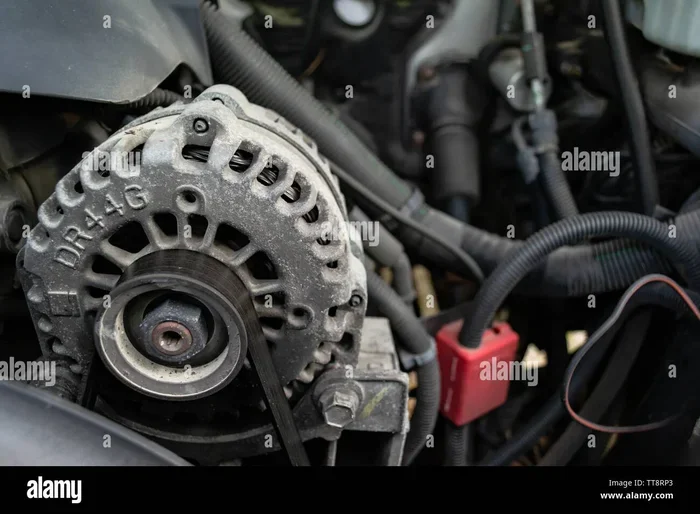
Before we dive into the 200K mile question, let us talk about what the alternator actually does. Many people think the battery powers everything in the car. That is only half true. The battery starts the engine, but the alternator keeps everything running. It converts mechanical energy into electrical energy. This power feeds your lights, radio, power steering, and all other electrical accessories.
Without a working alternator, your car runs on battery power alone. And that battery will drain fast. Most drivers notice a problem when the dashboard lights flicker or the engine stalls. That is the alternator telling you something is wrong. Understanding this basic function helps you appreciate why keeping it healthy matters so much.
The Charging System Connection
Your alternator works as part of a larger charging system. The battery, alternator, and voltage regulator all work together. The voltage regulator controls the electrical output. It makes sure the alternator sends the right amount of power. Too much voltage can damage electrical components. Too little means the battery never gets fully charged.
This system is simple but fragile. One weak link can cause the whole thing to fail. That is why many mechanics check the entire charging system during routine car maintenance tips sessions.
Can an Alternator Really Last 200K Miles?
The honest answer is yes, but with some caveats. Most factory-installed alternators are designed to last between 100,000 and 150,000 miles. So reaching 200K miles is above average. But it is not impossible. Some drivers push their alternators well beyond the expected range with no problems at all.
What makes the difference? Vehicle quality, driving conditions, and how well you maintain the car. A car that sits in a garage and gets gentle use will often see a longer alternator lifespan than one that endures stop-and-go traffic every day. Let us break down the factors that play a role.
Factory vs. Aftermarket Alternators
Not all alternators are created equal. Factory alternators come with your car from the manufacturer. They are built to meet the basic electrical needs of your vehicle. Aftermarket alternators, on the other hand, come in many varieties. Some are upgraded versions with higher output capacity.
High-output alternators are popular with people who add extra electrical accessories. They run fog lights, winches, or aftermarket audio systems. These units often handle more stress but can also be more durable. A quality aftermarket alternator from a reputable brand can sometimes outlast the original part.
Real-World Examples of 200K Mile Alternators
You might be surprised how many stories exist online from drivers who hit 200K miles on their original alternator. Toyota and Honda vehicles are especially well known for this. Their electrical systems are designed with longevity in mind. Many owners of older Tacomas and Civics report still running the factory alternator at the 200K mark.
On the other side, some vehicles see alternator failure well before 100K miles. This usually comes down to driving habits and environmental factors. Short trips, extreme heat, and heavy electrical loads all take a toll.
| Factor | Shorter Lifespan | Longer Lifespan |
|---|---|---|
| Driving Style | Short trips, frequent idling | Highway driving, steady use |
| Climate | Extreme heat or cold | Moderate temperatures |
| Electrical Load | Heavy accessories | Stock electrical setup |
| Maintenance | Neglected belt and terminals | Regular inspections |
| Vehicle Brand | Budget models with basic parts | Brands known for durability |
Signs Your Alternator Is Wearing Out
Catching alternator problems early can save you from a roadside breakdown. Most warning signs appear gradually. You do not usually wake up one morning to a dead alternator. There are clues along the way. Learning to spot them is one of the best car maintenance tips you can follow.
Dashboard Warning Lights
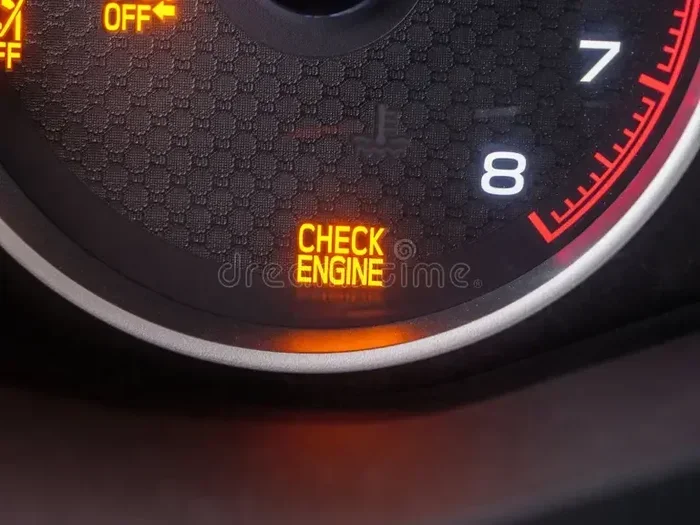
The battery warning light on your dashboard is the most common early sign. This light looks like a battery shape. When it comes on, it means the charging system is not working properly. It does not always mean the alternator is dead. It could be a loose belt or corroded wire. But you should get it checked right away.
Other dashboard warning lights may also appear. Some newer cars have specific alternator alerts. Pay attention to anything that pops up on your dashboard warning lights cluster.
Dimming or Flickering Lights
Do your headlights dim when you hit the brakes? Do the dashboard lights flicker at idle? These are classic signs of a weakening alternator. The electrical system is not getting enough power. Your lights are often the first thing to show it.
This is especially noticeable at night or when you turn on the heater and headlights at the same time. The electrical demand goes up, and a tired alternator cannot keep up.
Strange Noises
A healthy alternator is mostly quiet. If you hear grinding or whining sounds coming from the engine bay, pay attention. These noises often come from the alternator bearings wearing out. A seized bearing can destroy the serpentine belt and cause even bigger problems.
Do not ignore strange sounds. They are your car’s way of telling you something needs attention. Catching a bad bearing early can save you from a much more expensive repair.
Electrical Accessories Acting Up
Power windows slowing down? The radio resetting itself? These can all point to low voltage from a failing alternator. Your car electrical system needs a steady supply of power. When that supply drops, accessories act erratically.
Before you replace a fuse or buy a new battery, have someone check the alternator output. It might be the real culprit.
How to Extend Your Alternator’s Life
The good news is that you can take steps to help your alternator last longer. Simple maintenance habits make a big difference over time. Here is what you can do to protect this important component.
Check the Serpentine Belt Regularly
The serpentine belt drives the alternator. It spins the pulley, which keeps the alternator generating power. A worn or loose belt puts extra strain on the alternator. Inspect it regularly for cracks, glazing, or fraying.
Most manufacturers recommend checking the belt every 30,000 miles. A fresh belt costs very little compared to an alternator replacement. Keep it tight and in good shape, and your alternator will thank you.
Keep the Terminals Clean
Corroded battery terminals are a sneaky problem. They create resistance in the electrical system. This forces the alternator to work harder to deliver the same amount of power. A simple cleaning with a wire brush can make a big difference.
Look for white or greenish buildup on the terminals. If you see it, clean it off. You can use a baking soda and water solution for this. It is an easy DIY car maintenance task anyone can do.
Avoid Excessive Idling
Idling puts stress on the alternator without letting it cool down properly. If you sit in traffic for long periods or let the engine run while parked, the alternator works hard with no airflow to cool it. Over time, this adds up.
Try to minimize unnecessary idling. If you know you will be parked for more than a few minutes, turn the engine off. Your alternator will last longer for it.
Manage Electrical Loads Wisely
Every electrical accessory you use puts a demand on the alternator. High beams, heated seats, aftermarket audio systems, and winches all draw power. If your vehicle has a stock alternator, be mindful of how much you ask it to handle.
If you add accessories, consider upgrading to a high-output alternator. These units are built to handle extra electrical demand without burning out. They are a smart investment for anyone who loves adding features to their vehicle.
Follow a Regular Inspection Schedule
The best way to avoid surprise failures is to inspect the charging system regularly. A mechanic can test the alternator output with a simple voltage test. This takes just a few minutes and can reveal problems before they become serious.
Include the alternator in your routine maintenance checklist. Along with oil changes and tire rotations, a charging system check every 30,000 miles is a smart habit. This is one of the most overlooked vehicle longevity practices.
Quick Tips for Alternator Health
- Check the serpentine belt every 30,000 miles
- Clean battery terminals twice a year
- Avoid long periods of idling
- Test alternator output during every oil change
- Watch for dimming lights and act quickly
- Use a quality voltage regulator if upgrading
Common Mistakes That Shorten Alternator Life
Some habits quietly damage your alternator over time. Most drivers do not even realize they are doing it. Here are the most common mistakes that lead to premature failure.
Ignoring Small Warning Signs
The biggest mistake people make is ignoring early symptoms. A faint dimming light or a slight whine does not seem like a big deal. But these small signs often point to a bigger problem. Ignoring them can lead to a complete alternator failure on the road.
If something feels off, get it checked. A quick inspection now can prevent a costly breakdown later.
Jump-Starting Incorrectly
Jump-starting a car is routine, but doing it wrong can damage the alternator. Reverse polarity, for example, can fry the diodes inside the alternator. Always connect the cables in the correct order: positive to positive, negative to ground.
If you are not sure how to jump-start safely, ask someone who knows. A few minutes of care can save you hundreds of dollars in repairs.
Overloading the Electrical System
Adding too many electrical accessories to a stock charging system is a recipe for trouble. Extra lights, amplifiers, and aftermarket computers all draw power. If your alternator was never designed to handle that load, it will wear out faster.
This is a common mistake among car enthusiasts who love adding upgrades. Always match your electrical additions with a charging system that can keep up.
Skipping Belt Tension Checks
A loose serpentine belt causes the alternator to spin improperly. This reduces output and creates extra wear on the bearings. Many drivers forget to check belt tension during routine maintenance. Make it a habit. It takes just a few seconds and can add years to your alternator’s life.
When Should You Replace Your Alternator?
Even with the best care, alternators do eventually wear out. Knowing when to replace yours can keep you safe and save money. You do not want to wait until it fails completely on the highway.
Voltage Output Test
The most reliable way to know if your alternator needs replacing is to test its voltage output. A healthy alternator should produce between 13.5 and 14.5 volts when the engine is running. If the reading is below 13 volts, the alternator is struggling.
You can do this test with a basic multimeter. Many auto parts stores will test your alternator for free. This is an easy and low-cost way to get a clear answer.
Average Alternator Replacement Cost
The cost of replacing an alternator varies widely. A standard alternator for a common sedan might cost between $300 and $500 for parts and labor. High-end vehicles or luxury brands can run higher. Aftermarket parts are often more affordable than OEM replacements.
Compare the alternator replacement cost to the cost of being stranded on the side of the road. A new alternator is a small price for peace of mind and reliable transportation.
Expert Insight
Many experienced mechanics recommend replacing the alternator proactively after 150,000 miles. Even if it still works, the risk of failure increases significantly after that point. A proactive replacement is always cheaper and safer than a roadside breakdown. This is especially true if you rely on your vehicle for daily transportation or work.
Can an Alternator Last 200K Miles? The Final Word
So, can an alternator last 200K miles? Absolutely. But it is not guaranteed. Your results depend on your vehicle, your driving habits, and how well you maintain the charging system. The drivers who reach 200K miles on their original alternator share one thing in common: they paid attention to the small things.
They checked the belt. They cleaned the terminals. They noticed the dimming lights early and took action. These simple habits add up over hundreds of thousands of miles. Your alternator works hard every time you turn the key. Treat it well, and it will serve you for a very long time.
Do not wait for a failure to start thinking about your alternator’s health. Start today. Inspect the belt. Clean the terminals. Get a voltage test at your next oil change. These small steps can make the difference between a smooth ride and a frustrating breakdown. Your vehicle’s electrical system is only as strong as its weakest link, and the alternator is one of the most important links in the chain.
Stay proactive, stay informed, and keep your car running strong for miles and miles to come.
Frequently Asked Questions
What is the average lifespan of an alternator?
Most alternators last between 100,000 and 150,000 miles under normal conditions. However, with proper maintenance and favorable driving habits, many alternators can reach or even exceed 200K miles. The key factors include belt condition, electrical load, and how well you keep the charging system clean and inspected.
How can I test my alternator at home?
You can use a multimeter to test the voltage output at your battery terminals with the engine running. A healthy alternator should read between 13.5 and 14.5 volts. If the reading is below 13 volts or above 15 volts, there may be a problem with your charging system that needs professional attention.
Does driving short trips hurt my alternator?
Yes, short trips can shorten alternator life. During short drives, the alternator does not have enough time to fully recharge the battery. This puts extra strain on both the battery and the alternator. If you frequently take short trips, consider having your charging system tested more often.
Is it safe to drive with a failing alternator?
It is not recommended. A failing alternator means your car is running on battery power alone. Once the battery drains, your vehicle will stall and may not restart. If you notice warning signs like dimming lights or a battery warning light, have your car inspected as soon as possible.
Can a bad alternator damage the battery?
Yes, absolutely. A failing alternator can undercharge or overcharge the battery. Both conditions will damage the battery over time. Undercharging causes the battery to drain and lose capacity. Overcharging can cause the battery to overheat and fail prematurely. Keeping your alternator in good shape protects your battery too.
Should I replace the serpentine belt when replacing the alternator?
It is a good idea, especially if the belt shows any signs of wear. A new alternator paired with an old, worn belt can lead to premature failure of the new part. Replacing both at the same time ensures your car electrical system starts fresh and runs reliably for many more miles.
=== CONCLUSION ===
The question of whether an alternator can last 200K miles has a clear answer: yes, it can. But it does not happen by accident. It happens because of good maintenance, smart driving habits, and paying attention to the early warning signs. Your alternator is a vital part of your vehicle’s electrical system, and treating it with care will pay off in the long run.
Remember to check your serpentine belt, keep your terminals clean, and watch for dashboard warning lights. These simple actions can extend your alternator lifespan well beyond the expected range. And if replacement does become necessary, the cost is manageable compared to the alternative of a roadside failure.
Take charge of your car’s health today. Your alternator works hard for you every day. Give it the attention it deserves, and it will keep your lights on, your engine running, and your trips worry-free for many miles ahead.