Can a Dead Key Battery Stop Car from Starting Today
Yes, a dead key battery can stop a car from starting, especially in modern vehicles with smart key systems and push-button ignition. Understanding how the key battery interacts with your car’s immobilizer and ignition system helps you troubleshoot faster and avoid frustrating breakdowns. This guide covers every angle, from warning signs to emergency workarounds and long-term prevention.
You turn the key or press the start button, and nothing happens. The dashboard stays dark. The engine refuses to turn over. Your first thought might be a dead car battery or a faulty starter motor. But what if the real culprit is something far smaller and cheaper? A dead key battery can stop your car from starting, and it happens more often than most drivers realize.
This is especially true for modern vehicles equipped with keyless entry, smart key systems, and push button start technology. These systems depend on a tiny coin cell battery inside your key fob to communicate with the car’s immobilizer system and ignition switch. When that battery dies, your car simply does not recognize the key. The result? A vehicle that looks perfectly healthy but refuses to start.
In this article, we will walk through everything you need to know. From the early key battery symptoms to emergency workarounds and long-term prevention, you will have a complete guide to keeping your car running smoothly.
Key Takeaways
- A dead key fob battery can prevent your car from starting: Modern vehicles rely on the key battery to communicate with the immobilizer system.
- Common symptoms include a flashing dashboard light, no response from the push button, and a warning message on the display.
- Replacing the key battery is usually quick and cheap: Most key fobs use a CR2032 coin cell battery that costs under a few dollars.
- Emergency start methods exist: Many cars have a backup start location on the key or a physical ignition slot.
- Key battery life averages 2 to 4 years: Proactive replacement prevents unexpected failures.
- Cold weather drains key batteries faster: Seasonal changes are a common trigger for key battery failure.
- Regular maintenance of your key fob extends its life: Simple habits go a long way in preventing car starting issues.
📑 Table of Contents
- How a Dead Key Battery Stops a Car from Starting
- Warning Signs Your Key Battery Is Dying
- How to Replace Your Key Battery
- Emergency Start Methods When Your Key Battery Dies
- How Long Does a Key Battery Last?
- Common Mistakes Drivers Make with Key Batteries
- When to Seek Professional Help
- Key Battery Maintenance Schedule
- Conclusion
How a Dead Key Battery Stops a Car from Starting
Many drivers are surprised to learn that the key fob battery plays such a critical role in the starting process. It is easy to assume that the key is just a remote for locking doors. But in modern cars, the key fob is an active communication device. It sends a low-frequency signal to the car every time you approach or attempt to start the engine.
The Role of the Transponder Key
Inside every modern transponder key or smart key is a small chip. This chip communicates with the car’s immobilizer system. The immobilizer is a security feature designed to prevent theft. It only allows the engine to start if it receives the correct authentication signal from the key.
Here is the problem. That chip needs power to transmit its signal. The power comes from the small battery inside the key fob. When that battery dies, the chip goes silent. The car’s immobilizer does not receive the authentication code. The engine control unit (ECU) blocks the starting process entirely. The result is a car that will not start, even though the car battery is fully charged and the starter motor is working perfectly.
Why Push Button Start Systems Are More Vulnerable
Cars with push button start systems are particularly affected by a dead key battery. Unlike traditional ignition systems where you insert a physical key and turn it, push button start systems rely entirely on wireless communication between the key fob and the car.
There is no physical mechanical link. The car must first detect the key fob’s presence before it will allow the engine to start. If the key battery is dead, the car cannot detect the key. It will not even attempt to turn the engine over. This is why a dead key battery causes a complete starting failure in these vehicles.
Warning Signs Your Key Battery Is Dying
The good news is that a dying key battery gives you plenty of warning. Most drivers ignore the early signs because they seem minor. But catching these symptoms early can save you from a frustrating morning when your car will not start.
1. Increased Distance for Key Detection
One of the first key battery symptoms is a reduced detection range. You used to unlock your car from 30 feet away. Now you need to be within 5 feet for the keyless entry to work. This happens because the weakened battery cannot transmit a strong enough signal to reach the car’s antenna.
2. Dashboard Warning Messages
Many modern cars display a warning light or message on the instrument cluster when the key battery is low. Look for messages like “Key Battery Low” or a key-shaped icon with a battery symbol. Some vehicles also flash a warning on the digital display when you try to start the engine with a low battery key.
3. Intermittent Starting Problems
Do you sometimes get the car started on the first try and other times you need to press the button multiple times? Intermittent starting issues are a classic sign of a fading key battery. The battery has just enough power to send a signal sometimes but not consistently.
4. Remote Functions Stop Working
If your keyless entry, remote start, and trunk release all stop working at the same time, the key battery is almost certainly the cause. These functions all rely on the same battery. When they fail together, it is a strong indicator that the battery needs replacement.
How to Replace Your Key Battery
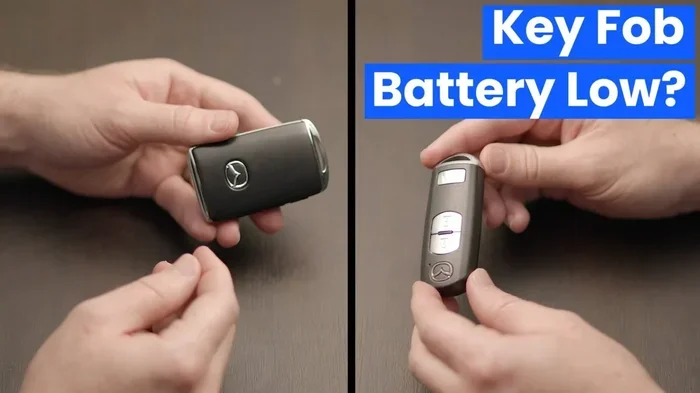
Replacing a key fob battery is one of the easiest car maintenance tasks you can do. It takes about 30 seconds and costs less than five dollars. You do not need any special tools or a trip to the mechanic.
Step-by-Step Key Battery Replacement
- Identify the correct battery type. Most car key fobs use a CR2032 coin cell battery. Check your owner’s manual to confirm the exact model.
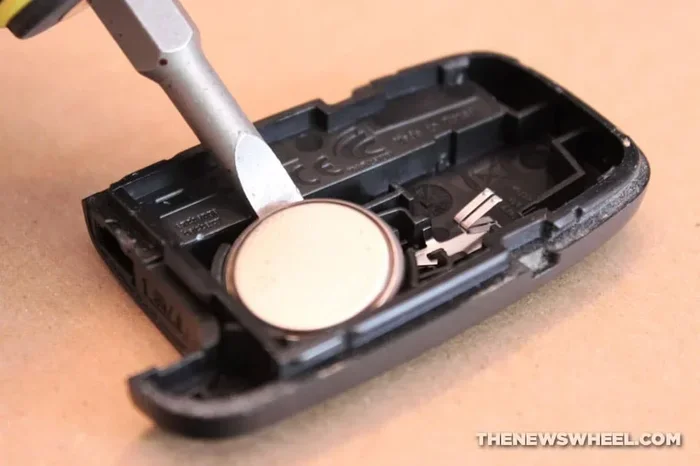
- Open the key fob case. Look for a small seam or notch along the edge. Use a flathead screwdriver or a coin to gently pry it open. Work slowly to avoid cracking the plastic.
- Remove the old battery. Note the orientation of the battery. The positive side usually faces up. Use a non-metallic tool to pop it out.
- Insert the new battery. Place the new CR2032 battery in the same orientation as the old one. Make sure it sits flush in the compartment.
- Snap the case back together. Press firmly along the seam until it clicks into place.
- Test the key. Stand near your car and try the unlock button. Then try starting the engine to confirm everything works.
Quick Tips for Battery Replacement
- Always carry a spare CR2032 battery in your glove box. It costs almost nothing and saves you from emergencies.
- Wash your hands before handling the new battery. Oils from your skin can reduce battery life.
- Avoid touching the battery contacts with metal objects. This can cause a short circuit.
- Buy batteries from reputable brands. Cheap off-brand batteries die much faster and may leak inside the key fob.
Emergency Start Methods When Your Key Battery Dies
So you are standing in your driveway with a dead key battery and you need to get to work. What do you do? Fortunately, most modern vehicles have backup methods to start the engine when the key battery is completely dead.
Backup Start Location on the Key
Many car manufacturers design a hidden physical key inside the key fob. This is usually a small metal blade that slides out from the side of the fob. You can use this to manually unlock the driver’s door. Once inside, some cars have a backup start location on the ignition switch or steering column where you can insert the physical key or press the key fob directly against a specific spot.
Place the Key Fob Against the Start Button
In many push button start vehicles, you can place the dead key fob directly against the start button or a designated spot on the center console. The car’s antenna can read the passive RFID signal from the key chip even without a battery. This is a lifesaver in emergencies. Check your owner’s manual to find the exact location for your specific vehicle model.
Use the Mechanical Key to Unlock and Start
Some older models with keyless ignition still have a traditional ignition slot. You can use the mechanical key to turn the ignition and start the engine directly. The immobilizer may still require the chip to be present, but in some models, the mechanical override bypasses this requirement temporarily.
How Long Does a Key Battery Last?
The average key battery life ranges from two to four years. However, several factors can shorten or extend this timeline significantly.
Factors That Drain Key Batteries Faster
- Cold weather: Low temperatures reduce battery output dramatically. Winter is the most common season for key battery failure.
- Frequent use: If you use remote start or keyless entry multiple times per day, the battery wears out faster.
- Proximity to electronic devices: Keeping your key fob near laptops, phones, or other strong electromagnetic sources can drain the battery over time.
- Cheap batteries: Low-quality batteries have shorter lifespans and inconsistent voltage output.
Tips to Extend Key Battery Life
- Replace the battery proactively every two years, even if it still seems to work. This prevents unexpected failures.
- Store your key fob away from strong magnetic fields and electronic devices when not in use.
- Do not press the buttons unnecessarily. Each press uses a small amount of power.
- Keep a spare key fob with a fresh battery in a safe place at home.
Common Mistakes Drivers Make with Key Batteries
Even experienced drivers make mistakes when it comes to key battery maintenance. Avoiding these common errors can save you time, money, and a lot of frustration.
Ignoring Early Warning Signs
The biggest mistake is ignoring the subtle signs of a fading key battery. When your keyless entry range starts to shrink or you need to press the start button harder, take it as a warning. Replace the battery immediately. Waiting until the car completely fails to start puts you at risk of being stranded.
Using the Wrong Battery Type
Not all key fobs use CR2032 batteries. Some models require CR2025 or other battery types. Using the wrong battery can damage the key fob or cause unreliable performance. Always double-check your owner’s manual or the markings on the old battery before purchasing a replacement.
Assuming the Car Battery Is the Problem
When your car will not start, the first thing most people think is a dead car battery. But in vehicles with smart key systems, the key battery is often the real cause. Before you jump to expensive repairs or call a tow truck, check the key fob battery first. It is a quick and free diagnostic step.
Forgetting to Reset the Key After Replacement
In some vehicle models, replacing the key battery requires a reset procedure. The car may not recognize the key immediately after a battery swap. Consult your owner’s manual for the specific reset steps for your make and model. Skipping this step can lead to confusion and unnecessary panic.
When to Seek Professional Help
Most key battery issues are simple to fix at home. But there are situations where professional help is the right call.
If you replace the key battery and the car still will not start, the problem may be deeper than the battery. The immobilizer system or the ignition switch could be malfunctioning. A certified locksmith or dealership technician can diagnose these issues with specialized equipment.
Similarly, if your key fob is physically damaged, the battery compartment is cracked, or the buttons are unresponsive even after a battery swap, you may need a full key fob replacement. Modern smart key fobs can cost anywhere from $50 to $400 depending on the vehicle make and model. Programming a new key fob often requires dealer-level equipment.
Also seek professional help if you find yourself frequently dealing with key battery issues. A locksmith can inspect the key fob for internal damage, clean the battery contacts, and recommend a key fob that better suits your driving habits.
Key Battery Maintenance Schedule
Prevention is always better than cure. Following a simple maintenance schedule for your key fob can eliminate most starting problems before they happen.
| Task | Frequency | Estimated Cost |
|---|---|---|
| Replace key battery proactively | Every 2 years | $2 to $5 |
| Inspect key fob for physical damage | Every 6 months | Free |
| Clean key fob contacts | Once per year | Free |
| Test key fob signal strength | Every 6 months | Free |
| Carry spare key battery | Always | $2 to $5 |
Sticking to this simple schedule ensures your key battery is always in good condition. You will never have to worry about a dead key battery preventing your car from starting.
Conclusion
The answer to the question “can a dead key battery stop a car” is a definitive yes. A dead key battery can completely prevent your vehicle from starting, especially in modern cars with smart key and push button start technology. The key fob battery powers the transponder chip that communicates with your car’s immobilizer system. Without that communication, the engine will not turn over.
The good news is that this is one of the easiest car problems to prevent and fix. Replacing the battery takes seconds, costs almost nothing, and requires no special tools. By paying attention to the early warning signs and replacing the battery proactively, you can avoid the frustration of a car that will not start.
Keep a spare CR2032 battery in your glove box. Follow a simple maintenance schedule. And if you ever find yourself stranded with a dead key battery, remember the emergency start methods we covered. A little knowledge goes a long way in keeping your car running and your stress levels low.
Frequently Asked Questions
Can a dead key battery damage the car’s electrical system?
No, a dead key battery will not damage your car’s electrical system. The key fob battery only powers the small chip and transmitter inside the key. It has no connection to the car’s main electrical system. A dead key battery simply prevents communication between the key and the car.
How do I know if my car won’t start because of the key battery or the car battery?
If the dashboard lights come on when you turn the ignition but the engine does not crank, the key battery is likely the issue. If nothing happens at all, including the dashboard lights, the car battery may be dead. Try the emergency start method by placing the key fob against the start button to rule out the key battery.
What type of battery does a car key fob use?
Most car key fobs use a CR2032 coin cell battery. Some models use CR2025 or other sizes. Check your vehicle’s owner manual or look at the markings on the old battery to confirm the correct replacement type. These batteries are available at any grocery store, pharmacy, or auto parts shop.
Can I start my car with a completely dead key fob?
Yes, in most cases you can. Many vehicles with push button start have a backup start location where you can place the dead key fob directly against the start button or a designated spot on the console. The car’s antenna reads the passive RFID signal from the key chip even without a battery. Check your owner’s manual for your specific vehicle’s backup start method.
How much does it cost to replace a car key battery?
A key fob battery replacement costs between $2 and $5 for the battery itself. You do not need to visit a mechanic or dealership. The replacement takes about 30 seconds and can be done at home with a flathead screwdriver. Keeping spare batteries in your glove box makes this task even easier.
How often should I replace my car key battery?
Most key fob batteries last between two and four years. Replacing the battery proactively every two years is a smart preventive measure. Cold weather, frequent remote start use, and cheap battery brands can shorten this lifespan. Watch for early signs like reduced key detection range to time your replacement perfectly.
=== CONCLUSION ===
A dead key battery is one of the simplest and most preventable reasons your car might not start. By understanding how the key battery works with your vehicle’s immobilizer and ignition system, you can quickly diagnose the problem and fix it in seconds. Keep spare batteries on hand, replace them proactively, and never let a tiny coin cell battery leave you stranded again.