Can You See Oil on the Dipstick And What It Tells You
Can you see oil on the dipstick? Checking your oil level is one of the simplest ways to protect your engine. The dipstick shows you the oil level, oil color, and oil condition in seconds. This guide walks you through exactly what to look for, what different oil shades mean, and when to take action.
Have you ever pulled out the dipstick and wondered what you were looking at? Can you see oil on the dipstick is a question many car owners ask, especially when the answer is not as obvious as they expected. The dipstick is one of the most underrated tools in your entire car. It gives you a direct window into the health of your engine. Yet most people either ignore it completely or only check it when something goes wrong.
Knowing how to read the oil on your dipstick is a simple skill that pays off big time. You will learn what normal oil looks like, what warning signs to watch for, and how to spot problems before they turn into expensive repairs. Whether you are a complete beginner or a seasoned driver, this guide covers everything you need to know about checking your oil and understanding what the dipstick is telling you.
The process takes less than a minute. All you need is your car, a clean rag, and a little curiosity. Let us dive into the details and make sure you never have to guess what is going on inside your engine again.
Key Takeaways
- You can see oil on the dipstick: It appears as a smooth film or liquid between the minimum and maximum marks on the stick.
- Oil color tells a story: Amber or golden oil is healthy. Dark brown or black oil needs a change soon.
- Low oil is a serious warning: If you cannot see oil on the dipstick at all, your engine may be dangerously low.
- Checking oil is easy: Just pull the dipstick, wipe it, reinsert it, and pull it out again to read the level.
- Oil condition matters too: Texture, smell, and residue on the dipstick reveal a lot about engine health.
- Regular checks prevent costly repairs: A simple oil check takes 30 seconds and can save you thousands in engine damage.
- Know when to act: Any unusual oil appearance, low level, or burning smell means it is time to visit a mechanic.
📑 Table of Contents
What the Dipstick Reveals About Your Engine
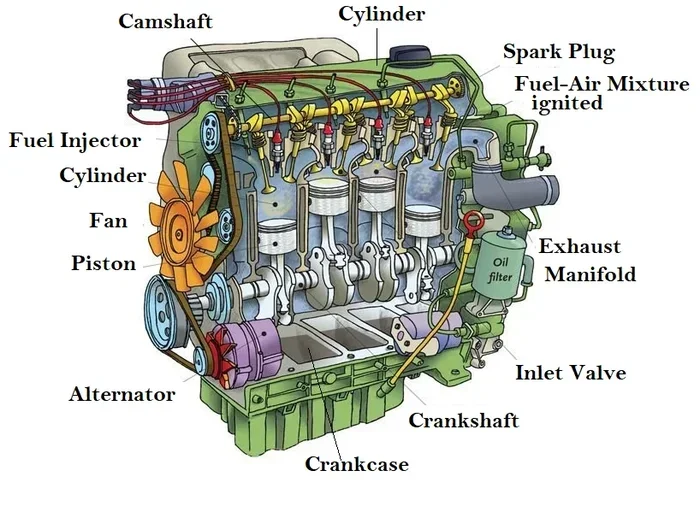
The dipstick is a long metal rod with a handle at the top. It slides into a tube connected to your engine oil pan. When you pull it out, the oil clings to the stick and shows you exactly what is happening inside the engine. The oil level, oil color, and even the texture of the oil all give you clues about engine health.
Think of the dipstick as a quick health check for your car. Just like you check your pulse to see how your body is doing, the dipstick lets you check the vital signs of your engine. The oil lubricates moving parts, reduces friction, and keeps everything cool. Without enough clean oil, your engine can overheat, seize up, or suffer permanent damage.
Most cars have two marks on the dipstick: a minimum line and a maximum line. The oil should sit between these two lines. If the oil level is too low, your engine does not get proper lubrication. If it is too high, the oil can foam and lose its effectiveness. Both situations are bad news for your car.
Why Oil Level Matters
Oil level is the first thing you should check on the dipstick. The level tells you whether you have enough oil circulating through the engine. Low oil level is one of the most common causes of engine trouble. It can lead to increased friction, overheating, and eventually catastrophic engine failure.
On the other hand, too much oil can also cause problems. Excess oil gets churned up by the crankshaft and creates foam. Foamy oil loses its ability to lubricate properly. It can also cause oil pressure issues and leak seals. Keeping the oil level in the sweet spot between the minimum and maximum marks is essential.
How to Read Oil on the Dipstick
Reading the dipstick correctly is easier than you might think. But there are a few steps you need to follow to get an accurate reading. Many people pull the dipstick out and read it immediately, which can give you a false result. Taking the extra 30 seconds to do it right makes a big difference.
Here is the simple process to follow every time you check your oil:
- Park your car on a level surface. This ensures the oil settles evenly and gives you an accurate reading.
- Turn off the engine and wait a few minutes. Hot oil runs through the engine and can give a false low reading.
- Locate the dipstick handle. It is usually bright yellow or orange and easy to spot under the hood.
- Pull the dipstick out completely. Use a clean rag or paper towel to wipe the oil off the stick.
- Reinsert the dipstick all the way back into the tube. Push it in firmly.
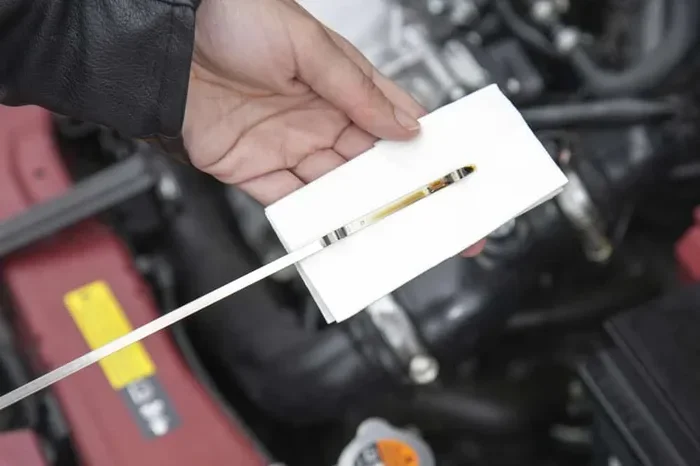
- Pull it out again and look at both sides of the stick. The oil film will show you the level and condition.
What to Look for on the Dipstick
When you pull the dipstick out the second time, look at the oil film carefully. You want to see oil between the minimum and maximum marks. The oil should appear smooth and even. There should be no chunky residue or gritty texture. A thin, consistent film is exactly what you want to see.
If you are asking yourself can you see oil on the dipstick, the answer should be yes. You should clearly see an oil line or film on the stick between the two notches. If the oil line is very close to or below the minimum mark, your engine needs more oil right away.
Also pay attention to how the oil feels on the dipstick. Fresh oil feels smooth and almost slippery. Old or contaminated oil might feel gritty or thick. Use your fingers (carefully) to get a sense of the texture. This simple check can reveal a lot about the quality of your engine oil.
Oil Color and What Each Shade Tells You
Oil color is one of the most telling indicators of oil health. Fresh engine oil is typically amber or golden in color. As the oil ages and collects contaminants, it darkens. But color alone does not tell the whole story. You need to consider the shade alongside other factors like texture and smell.
Here is a simple guide to understanding what different oil colors mean for your car:
- Amber or golden oil: This is healthy, fresh oil. It is doing its job well and protecting your engine. Keep up with regular oil changes to maintain this color.
- Light brown oil: Still acceptable in most cases. The oil is starting to age but has not broken down yet. Plan an oil change soon.
- Dark brown or black oil: This oil has collected a lot of dirt, carbon, and engine byproducts. It is time for an oil change if you have not had one recently.
- Milky or frothy oil: This is a serious warning sign. Milky oil usually means coolant has mixed with the oil, which can cause major engine damage. See a mechanic immediately.
- Metallic or gritty oil: Metal particles in the oil suggest internal engine wear. This needs professional attention right away.
Fresh Oil vs. Old Oil: A Closer Look
When you first get an oil change, the oil on the dipstick should look almost like honey. It flows smoothly and leaves a clean film on the stick. Over time, this oil picks up dust, metal particles, and combustion byproducts. The color darkens as the oil degrades.
Do not panic if your oil turns dark after a few hundred miles. This is normal. The oil is doing its job and collecting contaminants. However, if the oil turns black very quickly or has a burnt smell, that is a different story. It could mean the oil is breaking down faster than it should, possibly due to overheating or a problem with the oil filter.
Keep in mind that synthetic oil tends to stay lighter in color longer than conventional oil. This is normal and does not mean the synthetic oil is not working. Always check your owner manual for the recommended oil type and change interval for your specific vehicle.
When You Cannot See Oil on the Dipstick
Finding no oil on the dipstick is alarming. If you pull the stick out and see nothing, or barely a trace, your engine is running dangerously low on oil. This situation requires immediate attention. Driving with no oil can destroy an engine in minutes.
There are a few reasons why you might not see oil on the dipstick:
- Low oil level: The most common reason. Your car is simply running low and needs a top-up. Check for leaks underneath the car and look for any oil puddles in your parking spot.
- Oil consumption: Some engines burn oil more than others. Older cars or high-mileage vehicles often consume oil between changes. If you need to add oil frequently, have a mechanic inspect the engine.
- Oil leak: A leak in the oil pan, gasket, or oil lines can cause oil to drain slowly. Look for dark spots under your car or oil stains in the engine bay.
- Wrong dipstick reading: If you checked the oil right after driving, the level might appear lower than it actually is. Always wait a few minutes after turning off the engine.
If you cannot see any oil at all on the dipstick, do not start the engine. Adding oil immediately is the safest course of action. Running a dry engine even briefly can cause irreversible damage to the pistons, cylinders, and bearings.
What to Do If Oil Is Missing
First, stay calm. Do not panic and do not try to drive the car. Check the oil type your vehicle uses and purchase the correct oil. Then, slowly add oil through the oil filler cap on top of the engine. Add a small amount at a time and recheck the dipstick after each addition.
Once the oil level is between the minimum and maximum marks, you can start the engine. Listen carefully for any unusual noises. If the engine sounds different or the oil warning light stays on, turn off the engine and seek professional help. Sometimes low oil is a symptom of a bigger problem like a blown gasket or internal leak.
Tips for Checking Your Oil the Right Way
Checking oil is not hard, but doing it the right way makes all the difference. Follow these practical tips to get the most accurate reading and keep your engine in great shape.
- Check oil when the engine is cool: Wait at least 10 minutes after turning off the engine. Hot oil rises and gives a false reading. Cool oil settles back into the oil pan for an accurate measurement.
- Check oil on a level surface: Parking on a hill or uneven ground can skew the reading. Always find a flat surface before pulling out the dipstick.
- Check oil regularly: Make it a habit to check your oil every two weeks or before long trips. Catching low oil early prevents serious engine damage.
- Use the right oil: Not all engine oils are the same. Check your owner manual for the recommended viscosity and type. Using the wrong oil can affect performance and oil pressure.
- Replace the oil filter regularly: A clean oil filter keeps the oil flowing properly and removes contaminants. Change the filter every time you get an oil change.
- Do not overfill: Adding too much oil can cause foaming and pressure problems. Add oil slowly and recheck the dipstick between additions.
Quick Tips for Better Oil Maintenance
Here are a few extra tips that experienced car owners swear by. First, always keep a spare quart of oil in your trunk. You never know when you might need it. Second, set a reminder on your phone for oil change dates. Third, pay attention to the oil warning light on your dashboard. If it comes on, pull over safely and check the oil immediately.
Also, keep track of how much oil your car uses between changes. If you are adding a quart every 500 miles, that is a sign something might be wrong. Normal oil consumption is very low. Excessive consumption points to worn piston rings, valve seals, or other internal issues that need professional diagnosis.
Common Oil Problems and Warning Signs
Even with regular maintenance, oil problems can still occur. Knowing the warning signs helps you catch issues early and avoid costly repairs. Here are the most common oil-related problems and how to spot them using the dipstick and other indicators.
Oil Leaks and Low Oil Levels
Oil leaks are one of the most common issues car owners face. Leaks can happen at the oil pan, valve cover gasket, oil filter, or oil drain plug. If you notice oil spots under your car, a burning oil smell, or the oil level dropping quickly, you likely have a leak. Check the dipstick regularly and top up the oil while you find and fix the source of the leak.
Oil Degradation and Contamination
Over time, oil breaks down and loses its ability to lubricate effectively. Contaminants like dirt, fuel, and metal particles mix into the oil and reduce its quality. You can see this degradation on the dipstick through darker color, thicker texture, and visible particles. Regular oil changes are the best way to prevent this problem.
Oil Pressure Problems
Oil pressure is what pushes oil through the engine and keeps everything lubricated. If the oil pressure drops too low, the engine can overheat and suffer severe damage. Signs of low oil pressure include a ticking noise from the engine, the oil warning light on the dashboard, and poor performance. If you notice any of these signs, check the oil level on the dipstick right away and consult a mechanic if the problem persists.
Burning Oil and Blue Smoke
Burning oil is a serious issue that often shows up as blue or gray smoke from the exhaust. This happens when oil leaks into the combustion chamber and gets burned along with fuel. Causes include worn valve seals, piston rings, or a damaged PCV valve. If you see blue smoke, check the dipstick for oil level and get your car inspected immediately.
Keeping Your Engine Healthy with Regular Oil Checks
The simplest thing you can do for your engine is check the oil regularly. It takes less than a minute and gives you peace of mind. A car with clean oil at the right level will run smoother, last longer, and cost less to maintain over time. Think of it as a small investment that pays big dividends.
Make oil checks part of your routine. Whether it is every time you fill up gas or once a week, consistency is key. Over time, you will get to know what normal looks like for your specific car. You will notice changes quickly and can take action before small problems become big ones.
Remember that the dipstick is just one tool in your car maintenance toolkit. It works best when combined with regular professional service, quality oil and filters, and attention to any unusual sounds or smells coming from the engine. By staying proactive and paying attention to what the dipstick tells you, you keep your engine running strong for years to come.
So the next time you pop the hood, do not skip the dipstick. Pull it out, wipe it clean, and take a good look. Your engine will thank you for it. Can you see oil on the dipstick? Now you know exactly what to look for and what it all means.
Frequently Asked Questions
What does it mean if you cannot see oil on the dipstick?
It usually means your engine oil level is very low or completely empty. This is a serious situation that requires immediate action. Do not start or drive the car until you add the correct type of oil. Running an engine with no oil causes catastrophic damage within minutes.
How often should you check your oil on the dipstick?
You should check your oil at least once a month and before any long road trips. Some modern cars have electronic oil monitors, but a manual dipstick check is still the most reliable method. Regular checks help you catch low oil levels early and prevent engine damage.
What color should oil be on the dipstick?
Fresh oil should be amber or golden in color. As the oil ages, it naturally darkens to light brown and then dark brown or black. Very dark oil is not always a problem, but it does indicate the oil needs changing soon. Milky or frothy oil is a warning sign that requires immediate attention.
Can low oil on the dipstick cause engine damage?
Yes, absolutely. Low oil means the engine components are not getting proper lubrication. This causes increased friction, overheating, and can lead to seized pistons or cracked bearings. Even driving a short distance with very low oil can cause permanent engine damage that costs thousands to repair.
Should the oil on the dipstick feel smooth or gritty?
Healthy oil should feel smooth and slippery on the dipstick. If it feels gritty, thick, or has visible particles, the oil is contaminated and needs to be changed. Gritty oil loses its lubricating ability and can accelerate engine wear. If you notice a gritty texture, schedule an oil change right away.
Does the dipstick show if the oil filter needs replacing?
The dipstick does not directly show the condition of the oil filter. However, if your oil is very dark, gritty, or degraded despite a recent change, a clogged oil filter might be the cause. It is best practice to replace the oil filter every time you get an oil change to keep the oil clean and flowing properly.
=== CONCLUSION ===
Can you see oil on the dipstick is a question that opens the door to better car care. The dipstick is your simplest and most effective tool for monitoring engine health. By checking your oil regularly and understanding what you see, you take control of your vehicle’s maintenance. You catch problems early, avoid costly repairs, and keep your engine running smoothly for miles to come.
Remember that oil is the lifeblood of your engine. Clean oil at the right level keeps everything lubricated, cool, and running efficiently. A few seconds spent at the dipstick can save you hours of trouble and hundreds of dollars in repairs. Make it a habit, stay consistent, and your car will reward you with reliable performance for years to come.