Can I Just Add Oil to My Car Without Making Mistakes
Yes, you can add oil to your car if the level is low, but you must use the right type, the correct amount, and follow the proper steps. Adding oil without checking the level or ignoring underlying problems can cause engine damage and expensive repairs. This guide shows you exactly how to top off your oil safely and when a full oil change is actually needed.
Key Takeaways
- Check your oil level first: Always use the dipstick before adding any oil to avoid overfilling.
- Use the correct oil type: Match the viscosity and specification your owner’s manual recommends.
- Topping off is not the same as an oil change: Regular oil changes are still essential for engine health.
- Add oil slowly and in small amounts: Pour a little, wait, then recheck the level to prevent overfilling.
- Watch for warning signs: Low oil levels often indicate a leak or burning oil that needs professional attention.
- Dispose of old oil properly: If you do a full change, never pour used oil down the drain.
📑 Table of Contents
- Can I Just Add Oil to My Car?
- How to Check Your Oil Level Before Adding Oil
- What Happens When You Just Add Oil
- How to Add Oil to Your Car the Right Way
- Common Mistakes People Make When Adding Oil
- Topping Off vs. Changing Oil: What You Need to Know
- Choosing the Right Oil for Your Car
- How Often Should You Check and Add Oil?
- Conclusion
Can I Just Add Oil to My Car?
The short answer is yes. Can I just add oil to my car? Absolutely. If your engine oil level is low, topping it off is a simple and effective way to keep your engine running smoothly. You do not need a full oil change every time the level drops between maintenance intervals.
However, there is a right way and a wrong way to do it. Many car owners make mistakes that can cause serious engine problems. Using the wrong oil type, overfilling the crankcase, or ignoring the root cause of low oil can lead to expensive repairs down the road.
This guide walks you through everything you need to know about adding oil to my car safely and correctly. Whether you are a complete beginner or just need a refresher, you will find practical steps and expert tips here. Let us dive in and make sure your engine stays healthy.
Understanding your engine oil is one of the simplest yet most important parts of car maintenance. Oil lubricates moving parts, reduces friction, and keeps your engine cool. When the level drops too low, those parts grind against each other, causing wear and potentially catastrophic damage. That is why knowing how and when to add oil to my car matters so much.
How to Check Your Oil Level Before Adding Oil
Before you pour anything into your engine, you need to know exactly where your oil level stands. Guessing is never a good idea. Checking the oil level takes only a few minutes and can save you from serious engine problems.
Locate the Dipstick
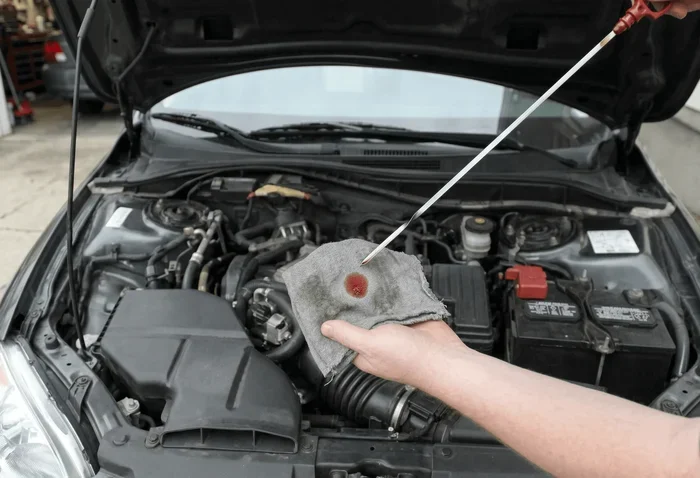
Open your car’s hood and look for the dipstick. It usually has a brightly colored handle, often yellow or orange. Pull it out, wipe it clean with a rag or paper towel, then push it back in fully. Pull it out again and look at the oil mark on the tip.
Most dipsticks have two marks: a minimum line and a maximum line. Your oil level should fall between these two lines. If it is close to or below the minimum, you need to add oil. If it is near the maximum, you are fine and do not need to add anything.
What the Oil Warning Light Means
Many modern cars have an oil pressure warning light on the dashboard. If this light comes on, it means your oil pressure is too low. This is a serious warning. Pull over safely and check your oil level right away. Driving with low oil pressure can destroy your engine within minutes.
Do not ignore this light. Even if you just added oil recently, the warning could indicate a deeper problem like an oil leak or a failing oil pump. Can I just add oil to my car when this light is on? You can top it off, but you should also get your car inspected by a mechanic as soon as possible.
Quick Tips
- Always check oil when the engine is cool or has been off for at least 5 minutes.
- Park your car on level ground for an accurate reading.
- Check your oil level at least once a month.
- Keep a clean rag or paper towel handy for wiping the dipstick.
What Happens When You Just Add Oil
Topping off your engine oil is a normal part of car maintenance. Between oil changes, it is natural for oil levels to drop slightly. This happens because of normal engine operation, minor oil consumption, and small leaks that develop over time.
When Adding Oil Is the Right Move
If your dipstick shows the oil level is between the minimum and maximum lines, adding a small amount of oil is perfectly fine. It keeps your engine properly lubricated and protects internal components like pistons, camshafts, and bearings.
Adding oil is also the right move when you notice early signs of low oil, such as:
- The oil pressure warning light on your dashboard
- Unusual engine noises like ticking or knocking
- Oil spots on your parking spot
- A burning oil smell while driving
In these cases, adding oil to my car quickly can prevent further damage. Just make sure you use the correct oil type and do not overfill.
When Adding Oil Is Not Enough
Sometimes simply adding oil is not enough. If your engine is burning oil at a high rate, topping it off is only a temporary fix. You need to address the underlying cause. Common reasons engines burn excess oil include worn piston rings, faulty valve seals, or a malfunctioning PCV valve.
If you find yourself needing to add oil every week or two, that is a red flag. It means something is wrong and needs professional diagnosis. Can I just add oil to my car as a permanent solution? No. Regular oil changes and proper maintenance are essential for long engine life.
Common Mistakes
- Ignoring the root cause: Low oil is often a symptom of a leak or burning oil problem. Just topping off without investigating can lead to engine failure.
- Adding oil too frequently without a change: Old oil breaks down and loses its protective properties. No amount of topping off replaces a full oil change.
- Using the wrong oil type: This can affect lubrication, fuel economy, and engine performance.
Expert Insight
According to automotive experts, most modern engines consume about one quart of oil every 1,000 to 3,000 miles. If your car uses more than that, it is worth getting a compression test and a thorough inspection. Early detection of oil consumption issues can save you thousands in repair costs.
How to Add Oil to Your Car the Right Way
Now that you know when to add oil, let us walk through the exact steps. Following these steps ensures you do it safely and correctly every time.
Step 1: Gather the Right Oil and Tools
First, check your owner’s manual for the recommended oil type and viscosity. The manual will specify the correct engine oil grade, such as 5W-30 or 10W-40. Using the wrong viscosity can reduce lubrication and affect engine performance.
You will also need a few basic supplies:
- A funnel that fits your oil fill opening
- A clean rag or paper towel
- The correct type and amount of oil
- Gloves to keep your hands clean
Make sure the oil you buy meets the specifications in your owner’s manual. Look for the API certification seal on the bottle. This ensures the oil meets industry standards for performance and protection. Do not just grab any oil off the shelf because it is on sale. Using the wrong oil viscosity can do more harm than good.
Step 2: Prepare the Vehicle
Park your car on a flat surface and turn off the engine. Wait at least 5 minutes to let the oil settle back into the oil pan. This gives you a more accurate reading when you check the level later.
Open the hood and locate the oil fill cap. It usually has an oil can icon on it. Twist it counterclockwise to remove it and set it somewhere safe so you do not lose it.
Step 3: Pour the Oil Slowly
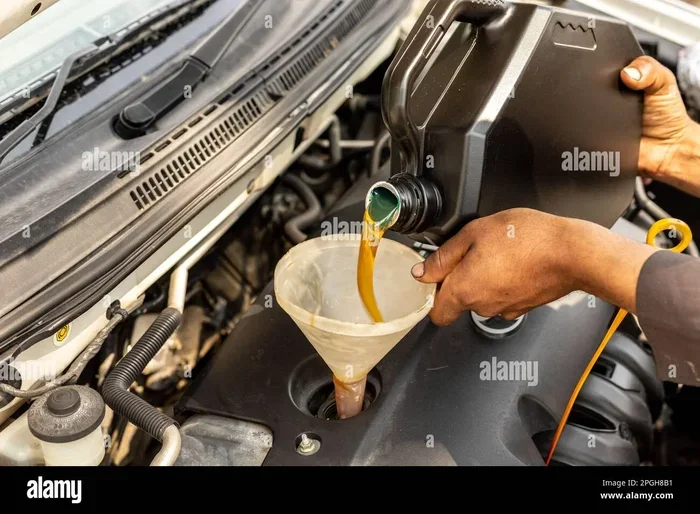
Insert a funnel into the oil fill opening. This prevents spills and ensures the oil goes directly into the engine. Pour the oil in small amounts, about half a quart at a time.
After each addition, wait a minute for the oil to settle, then check the dipstick again. This prevents overfilling, which can be just as dangerous as running low on oil. Can I just add oil to my car quickly without checking? No. Always recheck after each pour.
Step 4: Recheck the Oil Level
Once you have added the desired amount, recheck the dipstick. The oil level should be between the minimum and maximum marks. If it is still low, add a little more and recheck. If it is at or near the maximum, you are done.
Replace the oil fill cap securely, close the hood, and start the engine. Let it run for a minute, then turn it off and wait a few minutes for the oil to circulate. Check the dipstick one final time to confirm the level is correct.
Quick Tips for Adding Oil
- Never add oil when the engine is hot and running. Wait for it to cool down.
- Use a funnel every time to prevent spills and mess.
- Do not overfill. Excess oil can cause foaming and reduce lubrication.
- Record the date and amount of oil added in your maintenance log.
- Keep extra oil in your trunk for emergencies.
Common Mistakes People Make When Adding Oil
Even though adding oil seems simple, mistakes happen frequently. Here are the most common errors car owners make and how to avoid them.
Overfilling the Engine
This is the number one mistake. Overfilling causes the oil level to rise above the maximum mark. Excess oil gets whipped into foam by the crankshaft, which reduces its ability to lubricate properly. Foamy oil can lead to inadequate lubrication, increased engine wear, and in severe cases, engine failure.
If you accidentally overfill, do not drive the car. Have a mechanic drain the excess oil or carefully remove it using a suction tool. It is always better to add less oil and recheck than to pour too much and deal with the consequences.
Using the Wrong Oil Type
Not all engine oils are the same. Different engines require different viscosities and additives. Using the wrong oil can result in poor lubrication, reduced fuel efficiency, and increased engine wear over time.
Always follow the recommendation in your owner’s manual. If you are unsure, check the oil cap under the hood. Many manufacturers stamp the recommended oil type directly on the cap. This is a quick and easy way to confirm you are using the right motor oil for your engine.
Forgetting to Check for Leaks
If your oil level drops quickly, something is wrong. Low oil is often a sign of an oil leak or internal oil burning. Simply adding oil without investigating the cause is like putting a bandage on a deep wound.
Look under your car for oil puddles. Check around the oil filter and oil drain plug for signs of leakage. If you notice any, have a mechanic inspect your vehicle before the problem gets worse. Catching a leak early can save you from a much bigger repair bill.
Quick Summary of Common Mistakes
- Overfilling the crankcase with too much oil
- Using the wrong viscosity or oil type
- Ignoring oil leaks and burning oil symptoms
- Skipping regular oil changes in favor of just topping off
- Not checking the oil level after adding
Expert Insight
ASE-certified mechanics recommend checking your oil level every two weeks. This simple habit helps you catch low oil early and identify potential leaks before they become serious problems. Early detection is the key to avoiding costly engine repairs and keeping your vehicle running smoothly for years.
Topping Off vs. Changing Oil: What You Need to Know
One of the biggest sources of confusion among car owners is the difference between topping off oil and getting a full oil change. These are two very different procedures, and both are important for engine health.
| Aspect | Topping Off (Adding Oil) | Full Oil Change |
|---|---|---|
| Purpose | Refill low oil level between changes | Remove old oil and replace with fresh oil |
| Frequency | As needed based on dipstick reading | Every 5,000 to 7,500 miles or per manufacturer guidelines |
| Oil Filter | Not replaced | Replaced with every change |
| Old Oil Removed | No | Yes, completely drained |
| Engine Protection | Temporary | Comprehensive and long-lasting |
| Complexity | Simple DIY task | Requires more tools and proper disposal |
| Cost | Low (just the cost of oil) | Moderate (oil, filter, and labor if done professionally) |
Topping off is a quick fix that keeps your engine running between oil changes. But it does not replace the benefits of a full oil change. Over time, oil breaks down and loses its ability to clean, cool, and protect your engine. Old oil accumulates contaminants, metal particles, and sludge that can clog passages and damage internal components.
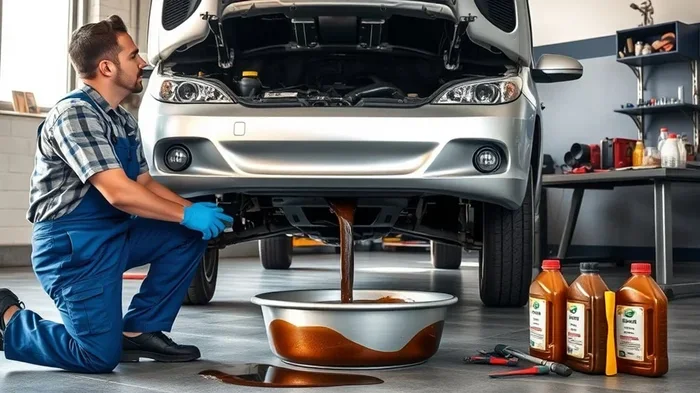
A full oil change removes all of the old, contaminated oil along with the worn-out oil filter. Fresh oil provides optimal lubrication, better heat dissipation, and improved engine protection. This is why regular oil changes remain essential, even if you top off oil regularly.
So, can I just add oil to my car and skip the oil change? You can add oil between scheduled changes, but you should never skip the full change entirely. Think of topping off as a maintenance boost and the oil change as the essential deep clean your engine needs to stay healthy.
Key Takeaways
- Topping off is for maintaining oil level between changes.
- Oil changes are for removing contaminated oil and replacing the filter.
- Both are necessary for proper engine care and longevity.
- Follow your owner’s manual for the recommended oil change interval.
- Track your oil usage and note any sudden increases, which could indicate a problem.
Choosing the Right Oil for Your Car
Not all engine oils are created equal. Choosing the right oil for your vehicle is one of the most important decisions you can make for engine health. The wrong oil can reduce performance, lower fuel efficiency, and even cause long-term damage to internal components.
Understanding Oil Viscosity Ratings
Oil viscosity refers to how thick or thin the oil is at different temperatures. The rating on the bottle, like 5W-30 or 10W-40, tells you how the oil performs in cold and hot conditions.
The first number (the W stands for winter) indicates how the oil flows in cold temperatures. A lower number means thinner oil in winter, which helps the engine start more easily. The second number indicates the oil’s thickness at operating temperature. Higher numbers mean thicker oil, which provides better protection at high temperatures.
Always use the viscosity your manufacturer recommends. Using a different viscosity might seem harmless, but it can affect oil pressure, lubrication, and fuel economy over time. When in doubt, stick with what your owner’s manual says.
Synthetic vs. Conventional Oil
Synthetic oil is engineered in a lab to provide superior protection and performance. It resists breakdown at high temperatures, flows better in cold weather, and lasts longer between changes. Conventional oil is derived from crude oil and is more affordable but breaks down faster under stress.
Many modern cars require synthetic oil, while older vehicles can often use conventional oil. Check your owner’s manual to see what your car needs. If your manual says synthetic blend or full synthetic, stick with that recommendation. Using conventional oil in an engine designed for synthetic can lead to premature wear.
Quick Tips for Choosing Oil
- Always check your owner’s manual for the recommended oil specification.
- Look for the API donut symbol on the oil bottle to confirm it meets industry standards.
- Do not mix different brands or types of oil unless absolutely necessary.
- When in doubt, ask a trusted mechanic for advice.
How Often Should You Check and Add Oil?
Regular oil checks are the foundation of good car maintenance. Most mechanics recommend checking your oil level at least once a month. This simple habit takes less than five minutes and can prevent major engine problems.
The frequency of adding oil depends on several factors, including your vehicle’s age, driving conditions, and oil type. Newer cars with synthetic oil may rarely need topping off between changes. Older cars or those driven in extreme conditions like hot weather, towing, or stop-and-go traffic may require more frequent oil additions.
If you notice that you are adding oil more often than usual, it is time to investigate. Frequent oil consumption could indicate an oil leak, worn engine components, or a PCV system malfunction. Addressing these issues early can save you from expensive repairs down the road.
Expert Insight
According to the Car Care Council, checking your oil regularly is one of the simplest and most cost-effective ways to extend your engine’s lifespan. A well-maintained engine can last well over 200,000 miles with proper care, including regular oil checks and timely changes.
Conclusion
Can I just add oil to my car? Yes, you absolutely can, and it is a smart practice when done correctly. Topping off your engine oil between scheduled oil changes helps maintain proper lubrication and protects your engine from wear. But it is important to do it the right way: check your level first, use the correct oil type, add oil slowly, and never overfill.
Remember that adding oil is not a substitute for a full oil change. Regular oil changes remove contaminants and replace worn-out oil that can no longer protect your engine effectively. Combine both practices, and your engine will reward you with years of reliable performance.
Take a few minutes today to check your oil level. If it is low, follow the steps in this guide to add oil safely. Your engine will thank you, and you will avoid the costly mistakes that so many car owners make. Stay proactive, stay informed, and keep your car running at its best.
Frequently Asked Questions
What happens if I add too much oil to my car?
Overfilling causes excess oil to get whipped into foam by the crankshaft. This foamy oil loses its ability to lubricate properly, which can lead to increased engine wear, oil pressure problems, and in severe cases, engine failure. If you overfill, have the excess oil drained by a mechanic.
Can I use any type of oil when topping off?
No, you should always use the oil type and viscosity recommended by your car’s manufacturer. Check your owner’s manual or look at the oil cap under the hood for the correct specification. Using the wrong oil can affect lubrication, fuel economy, and long-term engine health.
How often do I need to add oil between oil changes?
This varies by vehicle, driving conditions, and oil type. Most engines use about one quart every 1,000 to 3,000 miles. If you find yourself needing to add oil frequently, it could indicate a leak or excessive oil burning that needs professional attention.
Do I need to change the oil filter when I just add oil?
No, when you are only topping off, you do not need to replace the oil filter. The filter is only replaced during a full oil change when all the old oil is drained. However, make sure your oil filter is in good condition during regular maintenance.
Is it safe to add oil while the engine is warm?
It is best to wait until the engine has cooled down for at least 5 minutes before checking or adding oil. This allows the oil to settle in the oil pan so you get an accurate reading. Adding oil to a hot engine can also cause splashing and burns.
What should I do if my oil level keeps dropping?
A dropping oil level is a warning sign. It could indicate an oil leak, worn engine seals, or internal oil burning. Do not just keep adding oil without investigating the cause. Have a mechanic inspect your vehicle to identify and fix the underlying problem before it leads to serious engine damage.