Can I Add Oil to My Car If Its Low and What Happens Next
Yes, you can add oil to your car if its low, and doing so quickly can save your engine from serious harm. Topping up your engine oil is one of the simplest car maintenance tasks you can do at home. However, you need to use the right oil type, check the level first, and avoid overfilling to keep your engine running smoothly.
Ever popped open your hood and wondered, can i add oil to my car if its low? The answer is a simple yes. But knowing how and when to do it makes all the difference. Low engine oil is something every driver faces at some point. It happens. Life gets busy, and checking your dipstick slips to the bottom of the to-do list.
The good news is that topping up your oil is one of the easiest and most affordable ways to protect your engine. You do not need to be a mechanic. You do not need fancy tools. A bottle of the right oil and five minutes of your time is all it takes. But there is more to it than just pouring oil into the engine. Using the wrong oil, overfilling, or ignoring the root cause can lead to expensive repairs. This guide walks you through everything you need to know. We will cover what happens when oil runs low, how to check your levels, the right way to add oil, and when a simple top-up is not enough.
Key Takeaways
- You can safely add oil when levels are low: It is a quick fix that protects your engine from wear and overheating.
- Always check the dipstick first: Knowing the exact oil level prevents overfilling, which can cause just as many problems as low oil.
- Use the correct oil type: Matching your engine oil viscosity and specifications ensures proper lubrication and performance.
- Watch for warning signs: Oil pressure lights, engine noise, and smoke are clear signals that your oil level needs attention.
- Topping up is not a replacement for an oil change: Regular oil changes remove contaminants that fresh oil alone cannot fix.
- See a mechanic if you have a leak: Frequent oil drops may point to an oil leak or internal oil consumption that needs professional diagnosis.
📑 Table of Contents
What Happens When Your Oil Level Drops
Why Engine Oil Matters So Much
Engine oil is the lifeblood of your car. It lubricates every moving part inside your engine. Without enough oil, metal parts grind against each other. This creates friction, heat, and eventually wear. Over time, this wear can cause serious engine damage. In the worst cases, a seized engine means a complete replacement. That is a bill no one wants to see.
Oil also cleans your engine. It carries away dirt and metal particles. It keeps everything running smooth and cool. When oil levels drop, these jobs start to suffer. Your engine works harder. It runs hotter. And the damage builds up fast.
What Low Oil Does to Your Engine
When your oil level drops below the minimum mark on the dipstick, your engine starts to suffer. Here is what can happen:
- Increased friction: Moving parts rub together without proper lubrication.
- Overheating: Oil helps absorb and dissipate heat. Low oil means more heat stays in the engine.
- Oil pressure drop: Your oil pressure sensor may trigger a warning light on the dashboard.
- Engine wear: Constant running on low oil causes premature wear on bearings, pistons, and cylinder walls.
- Complete engine failure: In extreme cases, the engine locks up entirely and stops running.
The key takeaway here is simple. Do not ignore a low oil level. Even driving a short distance on empty oil can cause damage. If your oil is low, add oil right away.
How to Check Your Oil Level
Step-by-Step Dipstick Check
Before you add any oil, you need to know exactly where your levels are. The dipstick is your best tool for this. Here is how to do it right:
- Park your car on a flat surface. This ensures an accurate reading.
- Turn off the engine and wait a few minutes. Hot oil can splash and give a false reading.
- Open the hood and locate the dipstick. It usually has a bright colored handle.
- Pull the dipstick out and wipe it clean with a rag or paper towel.
- Reinsert the dipstick fully, then pull it out again.
- Look at the oil level against the markings. Most dipsticks have two lines or a crosshatch area.
If the oil level falls between the two marks, you are good. If it is below the lower line, it is time to add oil. If the oil looks dark, gritty, or smells burnt, it may be time for a full oil change rather than just a top-up.
Understanding Oil Color and Texture
Fresh oil is usually amber or golden in color. As it ages, it darkens. Dark brown or black oil is normal for older oil. However, if your oil looks milky or frothy, that could mean coolant has mixed with the oil. This is a serious problem. Get it checked by a professional right away.
Also pay attention to the texture. Oil should feel smooth. If it feels gritty or rough, it has too many contaminants. In that case, adding fresh oil helps temporarily, but you should schedule an oil change soon.
How to Safely Add Oil to Your Car
What You Will Need
Adding oil is straightforward. You just need a few things:
- The correct type of engine oil for your vehicle (check your owner manual)
- A clean funnel
- A rag or paper towel for spills
- Your car parked on a level surface
Step-by-Step Oil Top-Up Process
Here is exactly how to add oil the right way:
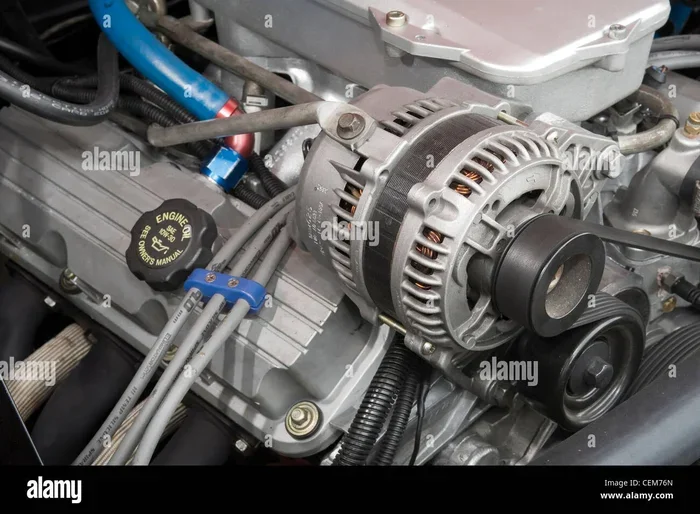
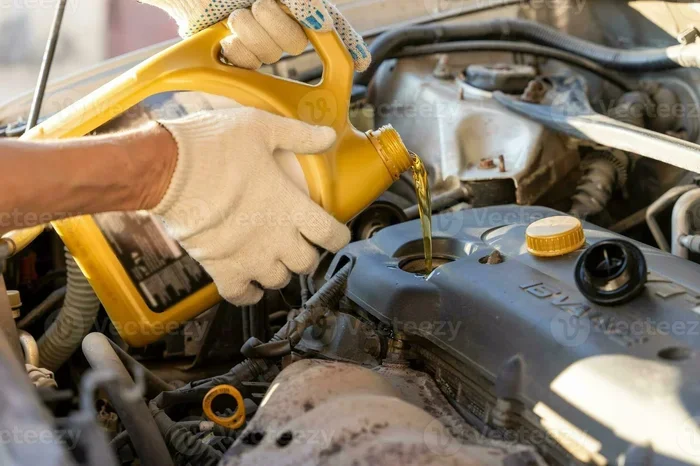
- Find the oil filler cap. It sits on top of the engine and usually has an oil can icon on it.
- Remove the cap and set it aside. Do not lose it. It keeps debris out of the oil reservoir.
- Place the funnel in the opening. This prevents spills and makes pouring easier.
- Pour the oil slowly. Add a small amount at a time. Do not dump it all in at once.
- Wait a minute, then recheck the dipstick. This is the most important step. Overfilling is just as bad as underfilling.
- Replace the oil filler cap. Make sure it clicks into place.
- Start the engine and let it run for a minute. Then turn it off and recheck the dipstick one more time.
That is it. You just added oil to your car. It really is that simple. The most common mistake people make is adding too much oil. Excess oil can cause foaming, which reduces lubrication. It can also put pressure on engine seals and gaskets. So go slow and check frequently.
Quick Tip: Always add oil in small increments. Pour about a quarter of the recommended capacity at a time, then recheck. This prevents overfilling and gives you full control.
What Type of Oil Should You Use
Matching Oil to Your Engine
Not all motor oil is the same. Using the wrong oil can harm your engine. Your owner manual tells you exactly what oil your car needs. Look for the viscosity rating, which is the number-letter combination like 5W-30 or 10W-40. The first number (the W stands for winter) tells you how the oil flows in cold temperatures. The second number tells you how it performs at operating temperature.
Here is a quick comparison of common oil types:
| Oil Type | Best For | Pros | Cons |
|---|---|---|---|
| Conventional Oil | Older cars with simple engines | Affordable, widely available | Breaks down faster, needs more frequent changes |
| Synthetic Blend | Moderate driving conditions | Better protection than conventional | More expensive than conventional |
| Full Synthetic Oil | Modern engines, extreme temperatures | Best protection, lasts longer | Higher cost |
| High-Mileage Oil | Cars with over 75,000 miles | Seal conditioners, reduced leaks | Slightly more expensive |
Can You Mix Different Oil Brands?
In an emergency, yes. If you are stranded and need to add oil, using a different brand is fine. Just make sure the viscosity rating matches. For example, if your car uses 5W-30, do not add 10W-40 thinking it will be better. It will not. Always match the specification your manufacturer recommends. Mixing different viscosities can affect oil pressure and lubrication.
Synthetic vs Conventional Oil: Which Is Better?
Synthetic oil generally offers better performance. It resists breakdown at high temperatures and flows better in cold weather. It also lasts longer between oil changes. However, it costs more. Conventional oil works perfectly fine for many older vehicles with simpler engines. The best oil is the one that matches your engine specifications and fits your budget.
Expert Insight: If your car has high mileage or burns oil frequently, consider switching to high-mileage synthetic blend oil. It contains additives that condition seals and reduce oil consumption. This can help you go longer between top-ups.
Warning Signs Your Engine Oil Is Too Low
Dashboard Warning Lights
Your car has sensors that monitor oil pressure and level. If the oil pressure warning light comes on, do not ignore it. That red or amber light means your oil level may be dangerously low. Pull over safely and check the oil as soon as possible. Driving with the oil pressure light on can destroy your engine in minutes.
The check engine light can also come on for low oil, though it is less common. If you see any warning light, address it promptly.
Strange Engine Noises
Engine oil cushions the moving parts inside your engine. When oil is low, those parts start to make noise. You might hear:
- Ticking or tapping sounds: Especially noticeable when you first start the car.
- Knocking sounds: This is more serious and can indicate worn bearings.
- Rattling or clattering: Often heard at higher RPMs when oil cannot keep up.
If you hear any of these sounds, check your oil level immediately. Continuing to drive on a noisy, oil-starved engine is a recipe for disaster.
Other Warning Signs to Watch For
- Oil spots under your car: This could signal an oil leak, not just low oil.
- Burning oil smell: Oil dripping onto hot engine parts produces a sharp, unpleasant odor.
- Reduced fuel efficiency: A poorly lubricated engine works harder and uses more fuel.
- Smoke from the exhaust: Blue or gray smoke can mean oil is burning inside the engine.
- Overheating engine: Oil helps regulate temperature. Low oil can cause your engine to run hot.
Any of these signs mean you should check your oil and add it if needed. But also consider whether there is a deeper issue, like an oil leak or excessive oil consumption.
When to See a Mechanic Instead of Topping Up
Frequent Oil Drops Need Investigation
If you find yourself adding oil every week or every few hundred miles, something is wrong. A healthy engine should not burn or leak significant amounts of oil between oil changes. Frequent oil drops can point to several problems:
- Oil leaks: Worn gaskets, seals, or oil pan damage can cause oil to drip out slowly.
- Internal oil burning: Worn piston rings or valve seals can let oil enter the combustion chamber.
- PCV valve issues: A faulty positive crankcase ventilation valve can cause excessive oil consumption.
- Engine wear: Older engines naturally consume more oil, but this should still be within normal limits.
If you notice any of these issues, a mechanic can diagnose the root cause. Topping up the oil is a temporary fix, not a permanent solution.
When a Full Oil Change Is Needed
Adding oil is a quick fix, but it does not replace a full oil change. Over time, oil breaks down. It collects dirt, metal particles, and combustion byproducts. Fresh oil cleans and protects. Old oil loses its ability to do both. Most cars need an oil change every 5,000 to 7,500 miles for conventional oil, or every 7,500 to 10,000 miles for synthetic oil. Check your owner manual for the exact interval.
Also, if your oil looks very dark, gritty, or has a strong burnt smell, do not just top it up. Schedule an oil change. Fresh oil with a new oil filter will keep your engine in much better shape.
Common Mistakes to Avoid:
- Adding oil without checking the dipstick first. You might overfill.
- Using the wrong viscosity oil. Always match the rating on the oil cap or in the manual.
- Ignoring the oil change light. Topping up does not reset the oil life monitor.
- Pouring oil too fast. Go slow and recheck often.
- Forgetting to replace the oil filler cap. This can cause oil leaks and engine damage.
How to Prevent Low Oil Problems in the Future
Make Oil Checks Part of Your Routine
The best way to deal with low oil is to prevent it from getting low in the first place. Make it a habit to check your oil level once a month. It takes less than five minutes and can save you hundreds of dollars in repairs. Keep a rag and a bottle of the right oil in your glove box for emergencies.
Follow Your Oil Change Schedule
Regular oil changes are the foundation of good car maintenance. They remove old, contaminated oil and replace it with fresh, clean oil. This keeps your engine running smoothly and extends its lifespan. Set a reminder on your phone or use your car’s maintenance tracker to stay on schedule.
Watch for Oil Leaks
Check under your car regularly for oil spots. Even small drips can add up to a significant oil loss over time. If you notice any leaks, have them repaired early before they become bigger problems. A small gasket replacement is much cheaper than a full engine rebuild.
Conclusion
So, can i add oil to my car if its low? Absolutely yes. Topping up your engine oil is a quick, simple, and effective way to protect your car from damage. Just make sure you use the right oil type, check the level first, and pour slowly to avoid overfilling. Remember that adding oil is a temporary fix. It does not replace a proper oil change or fix underlying problems like leaks or excessive oil consumption.
Keep an eye on your oil level, watch for warning signs, and stay on top of your maintenance schedule. Your engine works hard for you every day. A little attention goes a long way in keeping it healthy and running strong for years to come.
Take five minutes today to check your oil. If it is low, add the right oil and enjoy the peace of mind that comes with knowing your engine is properly protected. Your future self and your wallet will thank you.
Frequently Asked Questions
Can I drive my car if the oil level is low?
You should not drive your car with low oil if you can avoid it. Even a short drive on low oil can cause engine wear or overheating. If you must drive, add oil first and check the level before starting the engine. Top up until the dipstick shows the oil is between the minimum and maximum marks.
How much oil should I add if my level is low?
Add oil in small amounts, usually a quarter of a quart at a time. After each addition, recheck the dipstick. This prevents overfilling, which can cause foaming and pressure problems. Most cars take between 4 and 6 quarts total, but always check your owner manual for the exact oil capacity.
What happens if I overfill my engine with oil?
Overfilling causes excess oil to foam, which reduces its ability to lubricate properly. It can also create too much pressure inside the engine, leading to oil leaks, damaged seals, or even hydro-lock in extreme cases. If you overfill, drain the excess oil to the correct level as soon as possible.
How do I know if my car needs an oil change or just a top-up?
Check the oil color and texture. Fresh oil is amber and smooth. If your oil is dark brown or black and feels gritty, it needs a full oil change. A top-up adds fresh oil to the existing mixture, but it does not remove contaminants. If it has been a while since your last oil change, schedule one even if the level is fine.
Can I use a different brand of oil than what is currently in my engine?
Yes, in an emergency. The most important thing is matching the viscosity rating, such as 5W-30 or 10W-40. Different brands are fine to mix temporarily. However, for regular maintenance, try to use the same brand and type of oil for consistent performance and protection.
Why does my car keep running low on oil between changes?
Frequent low oil levels usually indicate an oil leak or internal oil burning. Common causes include worn valve seals, damaged piston rings, a faulty PCV valve, or degraded engine gaskets. A mechanic can inspect your car and identify the root cause. Ignoring this can lead to serious engine damage over time.