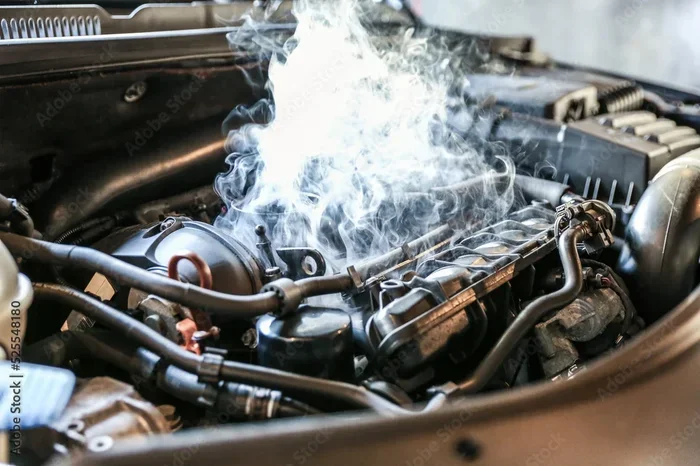
Why Is My Car Overheating All of a Sudden Right Now
Why Is My Car Overheating All of a Sudden? This common problem usually stems from a few key culprits like a failing water pump, low coolant, a broken thermostat, or a leaky radiator hose. Ignoring an overheating engine can lead to severe and expensive damage. In this guide, we break down every possible cause, tell you exactly what to do in the moment, and share simple tips to prevent it from happening again. You will walk away knowing how to handle this stressful situation with confidence.
You are driving down the road, and suddenly your temperature gauge spikes into the red. Steam starts curling up from under the hood. Your heart drops. Why Is My Car Overheating All of a Sudden? It is a scary moment every driver hopes to avoid. But here is the good news — understanding the causes puts you back in control.
Car overheating happens when the engine cannot release heat fast enough. Your engine runs at extremely high temperatures, and the cooling system keeps it in a safe range. When something breaks or fails in that system, things go wrong very quickly. The good news is that most causes are easy to identify and fix when you know what to look for.
This guide walks you through every major reason your car might overheat suddenly. We will cover what to do in the moment, how to diagnose the problem, and what steps to take to prevent it from happening again. Whether you are a seasoned driver or someone who just started driving, this article has practical advice that works.
Key Takeaways
- Low Coolant Is the #1 Cause: A drop in coolant level is the most common reason cars overheat quickly and without warning.
- A Broken Thermostat Can Block Coolant Flow: If your thermostat sticks closed, your engine has no way to release heat.
- Steam From the Hood Means Stop Immediately: Driving through steam can cause irreversible engine damage within minutes.
- A Failed Water Pump Stops All Circulation: Without a working water pump, coolant cannot move through the engine block.
- Quick Action Saves Money: Pulling over and turning off the engine early can prevent a $1,000+ repair bill.
- Regular Maintenance Prevents Most Overheating Issues: Simple checks on coolant levels and hose condition go a long way.
- Never Open the Radiator Cap When Hot: Pressurized steam can cause serious burns and injuries.
📑 Table of Contents
- What Happens When Your Engine Overheats
- Why Is My Car Overheating All of a Sudden: Top Causes
- What To Do Right Now When Your Car Overheats
- How To Prevent Sudden Overheating
- Overheating in Different Driving Conditions
- How Much Does It Cost To Fix an Overheating Car?
- When To Call a Professional
- Conclusion
What Happens When Your Engine Overheats
Before we dive into causes, it helps to understand what is happening inside your engine. Your engine creates a tremendous amount of heat during normal operation. The cooling system moves coolant — a mix of water and antifreeze — through passages in the engine block. This absorbs heat and carries it to the radiator, where it releases the heat into the air.
When any part of this system fails, heat builds up fast. Within minutes, metal parts can warp, gaskets can blow, and seals can crack. The damage can be minor or catastrophic depending on how long you keep driving. That is why knowing the signs and acting fast matters so much.
Common Overheating Symptoms You Should Never Ignore
Your car gives you plenty of warning before things get really bad. Here are the most common signs that your engine is running too hot:
- Temperature gauge in the red zone: Your dashboard temperature needle climbing past normal is the first and most obvious sign.
- Steam or smoke from under the hood: This usually means coolant has leaked onto a hot engine part and is boiling off.
- Sweet smell from the engine area: Coolant has a distinct sweet, almost maple-like smell. If you notice it, something is leaking.
- Coolant puddles under your car: Bright green, orange, or pink fluid on your driveway is a clear sign of a leak.
- Engine misfires or runs rough: Excessive heat can cause the air-fuel mixture to ignite improperly.
- Loss of heater power: If your heater suddenly blows cold air, it may mean coolant is not flowing properly.
- Check engine light comes on: Modern cars will trigger this light when the engine detects abnormal temperatures.
If you notice any of these symptoms, do not ignore them. Pull over safely and turn off the engine as soon as you can. Continuing to drive with an overheating engine is the fastest way to turn a small repair into a major one.
Why Is My Car Overheating All of a Sudden: Top Causes
Now let us get into the heart of the matter. Why does a car overheat all of a sudden? There are several common reasons, and they range from simple fixes to more serious mechanical issues. Let us break them down one by one.
Low Coolant Level
This is the number one reason cars overheat unexpectedly. Coolant circulates through the engine and radiator to manage heat. If the level drops too low, there is simply not enough fluid to absorb and release heat properly. Coolant levels drop over time naturally, but a sudden drop usually means you have a leak somewhere.
Common places coolant leaks occur include the radiator hose connections, the radiator itself, the water pump gasket, and the heater core. Even a small crack in a hose can cause coolant to drain out surprisingly fast. If you check your coolant reservoir and it is empty or very low, this is almost certainly your culprit.
Quick Tip: Check your coolant level once a month. It takes about 30 seconds and can save you from a major breakdown. Always check it when the engine is cold to avoid burns.
Broken Thermostat
Your thermostat is a small valve that controls the flow of coolant through your engine. When the engine is cold, it stays closed to help the engine warm up quickly. When the engine reaches operating temperature, it opens to let coolant flow through the radiator.
When a thermostat fails, it often gets stuck in the closed position. This means coolant cannot reach the radiator to release heat. The result is a rapid temperature spike. Thermostat failure can happen without warning, which is why it feels like your car overheats “all of a sudden.”
Replacing a thermostat is one of the more affordable car repairs. A mechanic can usually do it in under an hour, and the part itself is inexpensive. If your temperature gauge fluctuates erratically between hot and cold, a stuck thermostat is a likely suspect.
Failed Water Pump
The water pump is the heart of your cooling system. It pushes coolant through the engine block and hoses continuously. Without a working water pump, coolant sits still and heat builds up rapidly.
Water pumps fail for several reasons. The bearings wear out over time, the impeller can corrode, or the seal can leak. In many cases, there is no warning before a water pump fails completely. You might hear a whining noise from the front of the engine before it goes, but sometimes it just stops working one day.
A failed water pump is a serious repair, but it is much better than driving with one and destroying your engine. If you suspect your water pump has failed, get your car to a mechanic right away.
Cracked or Damaged Radiator Hose
Radiator hoses are rubber tubes that carry coolant between the engine and the radiator. They handle high pressure and high temperatures every single day. Over time, they become brittle, crack, and eventually fail.
A burst radiator hose is one of the most dramatic causes of sudden overheating. Coolant sprays out rapidly, and within minutes, the engine temperature skyrockets. You might hear a hissing or popping sound before you see steam pouring from under the hood.
The good news is that radiator hose replacement is a simple and inexpensive repair. Most hoses last between 5 and 7 years, but extreme heat and age can shorten that lifespan. A quick visual inspection can reveal cracks, soft spots, or swelling before they fail.
Radiator Problems
Your radiator is responsible for releasing heat from the coolant into the surrounding air. When something goes wrong with the radiator, the whole cooling process breaks down.
Common radiator issues include internal clogging, external damage from road debris, and corrosion. A clogged radiator cannot transfer heat efficiently, which causes temperatures to climb. In older vehicles, radiator corrosion is very common and can lead to small pinhole leaks that slowly drain coolant.
If your radiator is the problem, you may also notice that your heater does not work well. Since the heater core uses hot coolant to warm your cabin, a struggling radiator affects heater performance too.
Faulty Cooling Fan
Your cooling fan pulls air through the radiator when you are driving slowly or sitting in traffic. At highway speeds, the movement of air does the job naturally. But at low speeds or when idling, the fan is essential.
When the cooling fan fails, your engine can overheat quickly, especially in stop-and-go traffic on a hot day. Fan failures happen because of a bad fan motor, a blown fuse, a faulty relay, or a broken temperature sensor that tells the fan when to turn on.
If you notice your car overheating only in traffic or when idling, the cooling fan is a prime suspect. This is a relatively straightforward diagnosis and repair for most mechanics.
Blown Head Gasket
A head gasket sits between the engine block and the cylinder head. It seals the combustion chambers and keeps coolant and oil in their proper channels. When a head gasket blows, coolant can leak into the combustion chambers or oil passages.
A blown head gasket is one of the most serious overheating causes. It often happens after prolonged overheating, but it can also occur suddenly due to extreme engine stress. Symptoms include white smoke from the exhaust, a milky substance on your oil dipstick, and persistent overheating even after you refill the coolant.
Head gasket repairs are expensive, often costing $1,000 to $2,000 or more. This is exactly why addressing overheating early is so important. Catching the problem before it reaches the head gasket can save you thousands of dollars.
Blocked or Collapsed Hose
Sometimes the problem is not a leak but a blockage. Internal deposits, rust, and old coolant sludge can build up inside hoses and restrict flow. A collapsed hose can also fold inward under suction, cutting off coolant circulation.
These issues develop slowly but can cause sudden overheating when the restriction becomes severe enough to stop flow entirely. If you have not had your cooling system flushed in a while, a blockage might be contributing to your overheating problem.
What To Do Right Now When Your Car Overheats
You are on the road, the temperature gauge is climbing, and steam is appearing. Here is exactly what you should do in that moment.
- Turn off the air conditioning immediately: The A/C puts extra strain on the engine. Turning it off helps reduce the heat load.
- Turn the heater to maximum: This sounds counterintuitive, but it pulls heat away from the engine and into the cabin. It can buy you a few extra minutes.
- Pull over safely and turn off the engine: Do not keep driving. Shutting off the engine stops the heat generation and lets things cool down.
- Do not open the radiator cap right away: The system is pressurized, and opening it while hot can cause scalding coolant to spray out and cause serious burns.
- Wait at least 15 to 20 minutes: Let the engine cool down before you check anything. Use this time to call for roadside assistance if needed.
- Check the coolant reservoir once it is cool: If it is empty or very low, you have a leak. Do not just refill and keep driving — find the source of the leak first.
Following these steps can mean the difference between a simple fix and a catastrophic engine failure. Always prioritize your safety. If you are unsure or uncomfortable, call a tow truck and let the professionals handle it.
How To Prevent Sudden Overheating
The best way to deal with overheating is to prevent it from happening in the first place. Regular maintenance and simple habits can keep your cooling system working reliably for years.
Stick to a Regular Maintenance Schedule
Have your cooling system inspected during every regular service. A mechanic can check hoses, the water pump, the thermostat, and the radiator cap for early signs of wear. Most manufacturers recommend a full coolant flush every 30,000 to 50,000 miles, but check your owner’s manual for the specific interval for your vehicle.
Monitor Your Coolant Level Regularly
Make it a habit to check your coolant reservoir once a month. You do not need to be a mechanic — just look at the markings on the side of the reservoir when the engine is cold. If the level is consistently low, you have a leak that needs attention.
Replace Old Hoses and Belts
Rubber parts do not last forever. Hoses typically need replacement every 5 to 7 years, and serpentine belts every 50,000 to 70,000 miles. Replacing these parts before they fail is far cheaper than dealing with the aftermath of a sudden breakdown.
Watch for Warning Signs
Do not wait for the temperature gauge to hit red. If you notice any subtle changes — a slight smell, a small puddle, the heater not working as well — get your car checked. Early detection is the key to avoiding expensive repairs.
Overheating in Different Driving Conditions
Your car is more likely to overheat in certain situations. Understanding these conditions helps you stay prepared.
Stop-and-Go Traffic
Idling in traffic with low airflow puts extra stress on the cooling fan and radiator. On hot days, this combination can push an aging cooling system to its limit. If you drive in heavy traffic often, make sure your cooling fan is working properly and your coolant level is topped off.
Hot Weather Driving
Extreme heat outside means your radiator has a harder time releasing heat into the already warm air. During heat waves, keep an extra eye on your temperature gauge and consider carrying extra coolant in your trunk for emergencies.
Towing or Heavy Loads
Pulling a trailer or carrying heavy cargo makes your engine work harder and generate more heat. If you tow regularly, consider upgrading your cooling system or adding an auxiliary radiator fan. Your standard cooling system was designed for normal driving conditions, not heavy loads.
How Much Does It Cost To Fix an Overheating Car?
The cost varies widely depending on the cause. Here is a rough breakdown of common repairs:
- Coolant flush and refill: $100 to $200
- Thermostat replacement: $150 to $300
- Radiator hose replacement: $50 to $150
- Water pump replacement: $300 to $750
- Radiator repair or replacement: $300 to $900
- Cooling fan motor replacement: $200 to $500
- Head gasket replacement: $1,000 to $2,500
As you can see, fixing the problem early keeps costs low. A thermostat replacement costs a fraction of what a head gasket repair does. The takeaway is clear — do not ignore the signs.
When To Call a Professional
Some overheating issues are simple enough to handle yourself, but others require a trained mechanic. You should call a professional if you notice any of the following:
- The temperature gauge stays in the red even after you pull over and let the engine cool.
- You see white smoke coming from the exhaust along with overheating.
- Your coolant is disappearing frequently, which suggests an internal leak like a blown head gasket.
- You hear knocking or pinging sounds from the engine, which can indicate heat damage to internal components.
- The check engine light is on along with the temperature warning.
A professional mechanic has diagnostic tools that can pinpoint the exact cause quickly. Trying to guess and replace parts randomly can waste money and time. When in doubt, get a professional opinion.
Conclusion
Why Is My Car Overheating All of a Sudden? The answer usually comes down to a handful of common causes: low coolant, a broken thermostat, a failed water pump, damaged hoses, or radiator issues. The good news is that most of these problems are fixable and much cheaper to address early than after they cause engine damage.
Pay attention to your temperature gauge and the warning signs your car gives you. Regular maintenance, monthly coolant checks, and timely part replacements can prevent most overheating situations. And when it does happen, knowing what to do in the moment can protect your engine and your wallet.
Do not let car overheating catch you off guard. Take action today — check your coolant, inspect your hoses, and keep your cooling system in top shape. Your engine will thank you for it, and you will have peace of mind every time you get behind the wheel.
Frequently Asked Questions
Can I just add water instead of coolant to my car?
You can use water in an emergency, but it is not a long-term solution. Water does not have the same heat protection and anti-corrosion properties as coolant. It can also freeze in cold weather, which can crack your engine block. Use a proper 50/50 mix of coolant and water for the best protection.
How long can I drive my car when it is overheating?
You should not drive it at all once the temperature gauge is in the red. Even a few minutes of driving with an overheating engine can cause warped cylinder heads, blown head gaskets, or cracked engine blocks. Pull over safely and turn off the engine immediately.
Is it safe to drive after the car cools down?
Only if you have identified and fixed the cause of the overheating. If you simply let the engine cool and then drive off without addressing the problem, it will overheat again — often worse than before. Always get the issue properly diagnosed before driving the car normally again.
Why does my car overheat but the coolant level is full?
A full coolant level does not mean the cooling system is working properly. A stuck thermostat, a broken water pump, a clogged radiator, or a failed cooling fan can all cause overheating even when the coolant level is fine. The problem is usually a flow or circulation issue rather than a low fluid level.
Can low oil cause a car to overheat?
Yes, engine oil helps absorb and transfer heat away from internal components. When oil levels are very low, the engine loses some of its heat management ability. However, low oil is a less common cause of sudden overheating compared to cooling system failures. Always check both your oil and coolant levels regularly.
Does the weather cause a car to overheat suddenly?
Hot weather can definitely contribute to overheating, especially if your cooling system is already weak or low on coolant. High temperatures make it harder for the radiator to release heat into the surrounding air. On very hot days, drive more carefully and watch your temperature gauge closely, particularly in traffic or when idling for long periods.