Why Arent My Blind Spot Sensors Working Properly Today
Why Aren’t My Blind Spot Sensors Working is an essential topic that provides valuable insights.
Key Takeaways
- Understanding Why Aren’t My Blind Spot Sensors Working: Provides essential knowledge
📑 Table of Contents
- Common Reasons Your Blind Spot Sensors Stop Working
- How Blind Spot Sensor Systems Actually Work
- Diagnosing the Problem: Step-by-Step
- Can You Fix Blind Spot Sensors Yourself?
- When to See a Professional Mechanic
- Preventing Blind Spot Sensor Issues in the Future
- Key Takeaways
- Frequently Asked Questions
- Conclusion
Common Reasons Your Blind Spot Sensors Stop Working
When your blind spot sensors go offline, there is usually a clear reason behind it. Understanding these common causes helps you narrow down the problem fast. Let us look at the top reasons this happens.
Dirty or Blocked Sensors
This is the number one cause of blind spot monitor failure. Your sensors sit on the rear bumper or side mirrors. They are exposed to road grime, mud, snow, and bugs. When dirt builds up, the sensors cannot send or receive signals properly.
Think of it like a camera lens covered in fingerprints. The sensor is working fine underneath, but it cannot “see” what is around you. A simple wash often fixes this completely.
- Road grime and mud buildup
- Snow or ice covering the sensor
- Bug splatter on the bumper
- Aftermarket accessories blocking the sensor
- Dirt trapped in sensor housing
Electrical Issues and Wiring Problems
Your blind spot detection system relies on a complex network of wires. Over time, these wires can wear out, corrode, or get damaged. This is especially common in older vehicles or cars that have been through rough conditions.
A corroded connector can interrupt the signal between the sensor and the control module. Water intrusion is another big culprit. If moisture gets into the sensor housing, it can short out the electrical connections.
Sensor Calibration Problems
Blind spot sensors need to be calibrated correctly. After a bumper repair, a car wash with high-pressure water, or even a minor accident, the sensors can lose their alignment. When this happens, the system may shut down entirely.
Sensor calibration is a precise process. It requires special diagnostic tools that most shops have. If your car recently had work done on the rear end, this could be the cause of your blind spot sensor malfunction.
Faulty Control Module
The control module is the brain of your blind spot warning system. It processes all the data from the sensors and sends alerts to your dashboard. If this module fails, the entire system goes down.
Control module failures are less common but more serious. They can result from electrical surges, water damage, or general wear and tear over time. Replacing a control module can be expensive, but it is sometimes covered under warranty.
Software Glitches and Updates
Modern vehicles rely heavily on software. Sometimes a software update goes wrong, or the system needs a reset. This can cause your blind spot sensors to stop responding even though nothing is physically wrong.
A simple reset or update from a dealer often solves this. It is one of the easiest fixes, but many drivers overlook it.
How Blind Spot Sensor Systems Actually Work
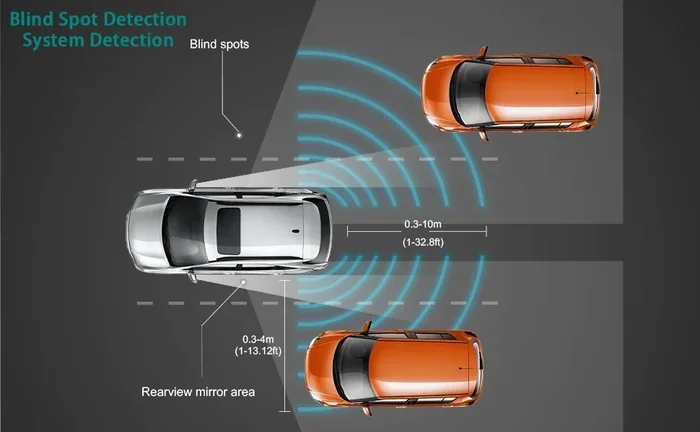
Understanding how your blind spot sensors work makes it easier to figure out what went wrong. These systems use radar sensors or cameras mounted on the rear bumper or side mirrors. They monitor the areas beside and behind your vehicle while you drive.
When a vehicle enters your blind spot zone, the system sends you a warning. This can be a light on the side mirror, a beep, or even a steering wheel vibration. Some advanced systems also include lane change assist and rear cross traffic alert features.
The Role of Radar Sensors
Most blind spot detection systems use radar technology. Radar sensors emit radio waves that bounce off nearby objects. The system then calculates the distance and speed of those objects.
These sensors work in all weather conditions, which makes them very reliable. However, they can still get blocked by heavy dirt, ice, or aftermarket accessories like tow hitches.
Camera-Based Detection Systems
Some newer vehicles use cameras instead of radar. These cameras are usually mounted near the rear bumper or side mirrors. They provide visual information to the driver assistance system.
Camera-based systems are great, but they are more sensitive to dirt and weather. Rain, snow, or mud can block the camera lens and disable the system temporarily.
How the Warning System Alerts You
When your blind spot sensors detect a vehicle in your blind zone, they send a signal to the warning system. Here is how the alerts typically work:
- The side mirror light turns amber or red
- An audible beep sounds when you activate the turn signal
- Some vehicles vibrate the steering wheel or seat
- Advanced systems apply mild braking to keep you safe
If any part of this chain breaks down, you will not get the warning you need. That is why diagnosing the exact failure point matters so much.
Diagnosing the Problem: Step-by-Step
Before you rush to the mechanic, there are some things you can check yourself. A proper diagnosis saves time and money. Here is a simple step-by-step process to find out why your blind spot sensors are not working.
Step 1: Check the Dashboard Warning Light
Most vehicles with blind spot monitoring have a dashboard warning light. If this light is on, your car is telling you something is wrong. The light usually looks like a car with curved lines on the side. Check your owner’s manual to confirm what the light means for your specific vehicle.
If the light is flashing, that often indicates an intermittent problem. If it stays on solid, the system is completely disabled.
Step 2: Clean the Sensors Thoroughly
This is the easiest and most overlooked fix. Grab a soft cloth and some mild soap. Gently clean the sensor areas on both sides of the rear bumper. Make sure to remove all dirt, mud, and debris.
After cleaning, drive a short distance and test the system. In many cases, this alone restores full blind spot sensor functionality.
Step 3: Check for Aftermarket Accessories
Have you recently added a bike rack, tow hitch, or front license plate mount? These accessories can physically block the sensors. Even a small amount of coverage can interfere with the radar signal.
Remove any aftermarket accessories temporarily and test the system again. If the blind spot sensors start working, you have found your culprit.
Step 4: Inspect the Wiring
Look at the rear bumper area for any visible damage to the wiring harness. Check for frayed wires, loose connectors, or signs of moisture damage. This is especially important if your car has been through a rough winter or a car wash with very high pressure.
If you are not comfortable doing this yourself, a quick look under the car can still help you spot obvious problems.
Step 5: Use a Diagnostic Scanner
If the simple checks do not work, it is time for a diagnostic scan. Many auto parts stores offer free scanning services. A diagnostic tool reads the error codes stored in your vehicle’s control module. These codes tell you exactly which sensor or component has failed.
Common error codes related to blind spot sensor failure include issues with the left sensor, right sensor, or the main control unit. Your mechanic can interpret these codes quickly.
Can You Fix Blind Spot Sensors Yourself?
The answer depends on the cause of the problem. Some fixes are very DIY-friendly, while others require professional tools and expertise. Let us break down what you can handle on your own.
Fixes You Can Do at Home
Cleaning the sensors is the most common home fix. Use a gentle cleaner and a microfiber cloth. Avoid harsh chemicals that could damage the sensor housing.
If a blown fuse is the issue, you can replace it yourself. Check your owner’s manual for the fuse box location and the correct fuse rating for the blind spot monitoring system. This is a quick and cheap fix that solves the problem more often than you might think.
Fixes That Need a Professional
Replacing a damaged sensor or recalibrating the system requires specialized equipment. You should not attempt these repairs yourself unless you have experience with automotive electronics.
A professional mechanic has the diagnostic tools needed to properly identify and fix blind spot sensor problems. They can also recalibrate the sensors to factory specifications, which is essential for the system to work correctly.
Cost Estimates for Common Repairs
Here is a rough idea of what different repairs might cost. Prices vary based on your vehicle make and model:
- Sensor cleaning: Free (DIY)
- Fuse replacement: $5 to $20
- Sensor replacement (single): $200 to $500
- Control module replacement: $500 to $1,500
- Full sensor recalibration: $100 to $300
These costs can vary widely. Luxury vehicles and newer models tend to cost more for parts and labor. Always get a quote before authorizing any repair work.
When to See a Professional Mechanic
Some blind spot sensor issues are beyond DIY fixes. Knowing when to seek professional help saves you time and prevents safety risks. Here are the signs that you need a mechanic.
If the dashboard warning light stays on after you clean the sensors and check the fuses, it is time for a professional diagnosis. Intermittent warnings that come and go without reason also point to a deeper electrical issue.
After any accident, even a minor one, have your blind spot detection system inspected. Sensors can shift or sustain hidden damage that is not visible to the naked eye. A professional can check alignment, wiring, and sensor function all at once.
If your vehicle is still under warranty, contact your dealer before visiting an independent shop. Working with a dealer ensures the repair is covered and done correctly. They also have access to the latest software updates for your vehicle’s safety systems.
Preventing Blind Spot Sensor Issues in the Future
Prevention is always better than repair. Taking a few simple steps can keep your blind spot sensors working reliably for years. Here is how to protect your vehicle’s safety systems.
Regular Cleaning Routine
Make it a habit to clean the sensor areas every time you wash your car. Pay special attention after road trips, off-road driving, or winter driving when salt and grime build up quickly.
A soft brush and gentle soap work best. Avoid high-pressure washers directly on the sensor housings, as the force can damage the delicate components inside.
Be Careful with Aftermarket Accessories
Before installing any aftermarket part, check if it could block your sensors. Many bike racks and tow hitches are designed to avoid sensor areas, but cheap or improperly installed accessories can cause problems.
Always follow the manufacturer’s guidelines for accessory installation near sensor locations.
Keep Software Up to Date
Vehicle software updates fix bugs and improve system performance. Ask your dealer about available updates during routine maintenance visits. An up-to-date system is less likely to experience software glitches that cause sensor failures.
Address Small Issues Immediately
Do not ignore small warning signs. A faint dashboard light or an occasional missed alert could indicate an early problem. Addressing small issues quickly prevents them from becoming bigger, more expensive repairs.
Key Takeaways
- Dirty sensors are the most common cause: Regular cleaning often restores full function instantly.
- Check fuses and wiring first: Simple electrical issues account for many sensor failures.
- Aftermarket accessories can block sensors: Remove them temporarily to test if they are the cause.
- Calibration matters after repairs: Any work on the rear bumper may require sensor recalibration.
- Software glitches are easy to fix: A reset or update from the dealer can resolve the issue quickly.
- Know when to call a pro: Persistent warning lights and intermittent failures need professional diagnosis.
- Prevention keeps sensors working: Regular cleaning and software updates go a long way in maintaining your blind spot sensors.
Frequently Asked Questions
Can weather affect my blind spot sensors?
Yes, weather can definitely impact your blind spot sensors. Heavy rain, snow, and ice can temporarily block radar signals or camera lenses. Most systems resume normal function once the sensors are cleared. However, extreme cold can sometimes cause temporary sensor lag until the car warms up.
How much does it cost to replace a blind spot sensor?
A single sensor replacement typically costs between $200 and $500, depending on your vehicle. Luxury cars and newer models tend to be on the higher end. Labor costs usually add another $100 to $200 to the total. Always get a detailed quote before approving any repair work.
Is it safe to drive with blind spot sensors not working?
It is not ideal, but your vehicle is still drivable. You will need to rely more on your mirrors and shoulder checks when changing lanes. That said, you are losing an important safety layer. Fix the issue as soon as possible to restore full protection.
Can I disable my blind spot sensors myself?
Some vehicles allow you to turn off the blind spot monitoring system through the infotainment settings. However, disabling the system permanently is not recommended. If your sensors are malfunctioning, it is better to diagnose and fix the root cause rather than leaving the system turned off.
Do blind spot sensors need recalibration after a car wash?
In most cases, no. A regular car wash should not affect sensor calibration. However, high-pressure washes aimed directly at the sensors can sometimes cause misalignment. If you notice warnings after an aggressive car wash, a quick recalibration at a shop can resolve the issue.
How often should I clean my blind spot sensors?
You should clean your sensors at least once a month, or more often if you drive in harsh conditions. Regular cleaning prevents dirt buildup that causes false warnings or complete sensor failure. A quick wipe during your normal car wash routine is usually enough to keep them working properly.
Conclusion
Your blind spot sensors are a vital part of your vehicle’s safety system. When they stop working, it is unsettling, but the problem is almost always fixable. The most common causes are dirty sensors, wiring issues, and calibration problems. Many of these fixes are simple and affordable.
Start with the basics. Clean the sensors, check the fuses, and look for obstructions. If those steps do not work, a diagnostic scan will reveal the exact cause. And when in doubt, trust a professional mechanic to handle the more complex repairs.
Taking care of your blind spot detection system means taking care of yourself and your passengers on every trip. Stay proactive, stay safe, and keep those sensors working the way they should.