Which Car Will Last a Lifetime And Still Keep Running Strong
Looking for a car that will last a lifetime? The right vehicle combined with proper care can easily hit 300,000 miles or more. Brands like Toyota, Honda, and Subaru have a proven track record for building reliable cars that keep running strong. In this guide, we explore the best long-lasting cars, what makes them durable, and how to maintain them for decades of service.
Every car buyer dreams of finding a vehicle that will last a lifetime. But what does that really mean? A lifetime car is one that keeps running strong for 200,000 miles or more with basic care. It is a vehicle you can trust to get you from point A to point B year after year without constant trips to the repair shop.
The good news is that many cars on the market today are built with longevity in mind. Manufacturers like Toyota, Honda, and Subaru have spent decades refining their engines and frames to stand the test of time. In this article, we will explore which car will last a lifetime, what makes these vehicles so durable, and how you can keep your own car running for decades.
We will also look at real-world examples, share expert insights, and give you practical tips you can use right away. Whether you are buying your first car or shopping for a reliable second vehicle, this guide has you covered.
Key Takeaways
- Toyota and Honda lead the pack: These brands consistently top vehicle reliability ratings for cars built to last.
- Regular maintenance is non-negotiable: Following a strict maintenance schedule dramatically extends engine lifespan.
- Simple designs last longer: Cars with fewer complex features tend to have lower repair costs and better longevity.
- Driving habits matter: Gentle driving, regular oil changes, and proper storage all contribute to car longevity.
- Resale value reflects durability: Long-lasting cars hold their value remarkably well over time.
- Budget-friendly options exist: You don’t need to spend a fortune to find a reliable, low-maintenance vehicle.
📑 Table of Contents
What Makes a Car Last a Lifetime?
Not all cars are created equal. Some vehicles roll off the assembly line and keep going for 300,000 miles. Others start showing problems after 80,000 miles. So what separates the two? Let us break it down.
Engine Quality and Build
The engine is the heart of any vehicle. Cars with well-engineered engines made from high-quality materials tend to run much longer. Manufacturers who invest in robust engine designs produce vehicles with an impressive engine lifespan. These engines handle heat, friction, and wear better over time.
For example, Toyota’s inline-four engines are famous for their simplicity and strength. They have fewer moving parts that can fail, which is a big reason they keep running for hundreds of thousands of miles.
Frame and Rust Resistance
A strong engine means nothing if the frame falls apart. Cars that are built to last use rust-resistant materials and proper coatings. Many long-lasting vehicles come with galvanized steel frames that resist corrosion. This is especially important for buyers in cold climates where road salt causes rust.
Brands like Volvo have historically focused on rust-proofing. Their commitment to durable materials shows in vehicles that still look solid after 20 years on the road.
Proven Track Record
One of the best ways to predict car longevity is to look at the track record. Which models do mechanics see with 300,000 miles on the odometer? Which cars show up in high-mileage club forums? The answers to these questions point us toward the most durable cars on the market.
Vehicle reliability ratings from organizations like Consumer Reports and J.D. Power give us data-driven insights. These ratings consider real-world owner experiences, not just manufacturer claims.
Top Car Brands Known for Longevity
Some brands have built their entire reputation on durability. Let us look at the top performers in the world of long-lasting cars.
Toyota
Toyota is the gold standard for reliable vehicles. The brand consistently ranks at the top of every vehicle reliability rating list. Models like the Toyota Camry, Toyota Corolla, and Toyota Tacoma are famous for keeping their owners on the road for decades.
What makes Toyota stand out? They focus on proven technology over flashy features. Their cars use straightforward designs that are easy to repair and maintain. This philosophy has earned Toyota a loyal following among people who want a car that will last a lifetime.
Honda
Honda is another brand that deserves a spot on any list of durable cars. Honda vehicles are known for their fuel efficiency and low maintenance costs. The Honda Civic and Honda Accord are two of the most popular choices for buyers seeking long-term reliability.
Honda engines are designed with precision and attention to detail. Many Honda owners report crossing the 250,000-mile mark with only routine maintenance. That is a strong testament to the brand’s commitment to quality.
Subaru
Subaru may not be the first name that comes to mind, but these vehicles deserve serious consideration. Subaru cars use horizontally-opposed engines, which provide better balance and less wear over time. The Subaru Outback and Subaru Forester are popular choices for families who need a dependable vehicle.
Subaru also builds all-wheel-drive models as standard on most of its lineup. This feature helps with traction and reduces wear on drivetrain components, adding to overall car longevity.
Mazda
Mazda has been quietly building some of the most reliable cars on the road. The Mazda3 and Mazda CX-5 combine fun driving dynamics with long-lasting durability. Mazda focuses on lightweight designs that reduce strain on engines and brakes.
While Mazda has fewer models than Toyota or Honda, the ones they do make are engineered with care. These vehicles offer excellent fuel efficiency and low repair costs over their lifespan.
Models That Keep Running for 300,000 Miles
Now let us get specific. Which individual car models have the best reputation for lasting a lifetime? Here are some standout choices for buyers looking for long-lasting cars.
Toyota Camry
The Toyota Camry has been a best-selling sedan for decades. It is a midsize car that balances comfort, fuel efficiency, and durability. Many Camry owners report reaching 300,000 miles with only normal wear and tear.
The Camry’s success comes from its simple, well-built design. It is not loaded with unnecessary electronics that can break down. This makes it one of the best sedan options for longevity.
Honda Accord
The Honda Accord is another sedan that keeps running strong. It offers a smooth ride, spacious interior, and excellent fuel efficiency. The Accord has won numerous awards for safety and reliability.
Like the Camry, the Accord benefits from a straightforward design. Its engine and transmission are built to handle high mileage without major issues. It is a top pick for anyone searching for a reliable daily driver.
Toyota Tacoma
If you need a truck, the Toyota Tacoma is the one to beat. This midsize pickup truck is famous for its toughness and longevity. Many Tacoma owners easily surpass 300,000 miles before needing major repairs.
The Tacoma also holds its resale value incredibly well. A used Tacoma with high mileage can still command a strong price on the used car market. That makes it a smart investment for long-term car ownership.
Honda CR-V
The Honda CR-V is a compact SUV that combines practicality with reliability. It is one of the most popular SUVs on the market, and for good reason. The CR-V offers a comfortable ride, good fuel economy, and a reputation for lasting well beyond 200,000 miles.
Families love the CR-V for its spacious cargo area and dependability. It is a low-maintenance vehicle that fits easily into daily life.
Maintenance Tips for a Long-Lasting Vehicle
Even the most durable cars need proper care. Following a consistent maintenance schedule is the single best thing you can do to extend your vehicle’s lifespan. Here is how to keep your car running strong for years to come.
Stick to the Maintenance Schedule
Every car comes with a manufacturer-recommended maintenance schedule. This guide tells you when to change your oil, rotate your tires, and replace filters. Following this schedule to the letter is one of the best ways to protect your investment.
Skipping oil changes is the fastest way to shorten engine lifespan. Fresh oil keeps all the moving parts inside the engine lubricated and cool. It is a small cost that pays off big over time.
Address Small Problems Early
One of the biggest mistakes car owners make is ignoring small issues. A strange noise, a warning light, or a slight vibration can signal a bigger problem. Catching these early saves you from expensive repairs down the road.
Quick tip: Keep a log of every service and repair. This record helps you spot patterns and stay on top of your car’s health.
Drive Gently
How you drive affects how long your car lasts. Aggressive acceleration, hard braking, and speeding put extra stress on the engine, transmission, and brakes. Gentle driving reduces wear and tear and improves fuel efficiency.
You do not need to drive like you are in a parade. Simply avoid sudden starts and stops, and give yourself plenty of time to brake smoothly. Your car will thank you with many extra years of service.
Store Your Car Properly
If you have a car you do not drive every day, proper storage matters. Keep it in a garage or covered area to protect the paint and seals from sun and weather damage. For long-term storage, use a battery tender and inflate the tires to the proper pressure.
These small steps prevent rust, flat spots on tires, and battery drain. They add up to a car that looks and runs better for longer.
Expert Insight
Mechanics agree that the most reliable cars are the ones that receive consistent, scheduled maintenance. As one longtime Toyota specialist puts it, “I have seen Camrys with 400,000 miles on the clock. The owners changed their oil every 5,000 miles and never skipped a service. That is the secret.”
The Cost of Owning a Car for a Lifetime
Buying a long-lasting car is only half the equation. You also need to consider the cost of ownership over many years. The good news is that durable cars tend to be more affordable to own over the long haul.
Lower Repair Costs
Cars from brands known for reliability have lower average repair costs. When something does break, parts are often cheaper and easier to find. Toyota and Honda parts are widely available at competitive prices from both dealerships and aftermarket suppliers.
Compare this to luxury brands or cars with complex systems. Repairing a failed sensor on a modern luxury vehicle can cost hundreds of dollars. The same repair on a simple, durable car might cost a fraction of that.
Strong Resale Value
Long-lasting cars hold their value better than unreliable models. When it is time to sell or trade in, you will get more money back. This is especially true for popular models like the Toyota Camry, Honda Civic, and Toyota Tacoma.
Resale value is one of the hidden financial benefits of buying a car known for durability. You are essentially getting a discount on your next vehicle because your current one still has plenty of life left.
Fuel Efficiency Over Time
Fuel costs add up over the life of a car. Fortunately, many of the most reliable vehicles also offer excellent fuel efficiency. The Honda Civic, Toyota Corolla, and Mazda3 are all known for sipping gas rather than guzzling it.
Over 15 years of ownership, the difference in fuel costs between an efficient car and a gas-guzzler can be thousands of dollars. Choosing a fuel-efficient, durable vehicle is a smart financial move.
Comparison Table: Lifetime Ownership Costs
| Model | Avg. Annual Repair Cost | Avg. Resale Value (5 Years) | Fuel Economy (Combined) |
|---|---|---|---|
| Toyota Camry | $400 | 60% | 32 mpg |
| Honda Accord | $420 | 58% | 30 mpg |
| Toyota Tacoma | $450 | 65% | 22 mpg |
| Honda CR-V | $410 | 57% | 30 mpg |
| Mazda CX-5 | $430 | 55% | 28 mpg |
Note: Figures are approximate and based on national averages. Actual costs vary by driving habits, location, and maintenance history.
Common Mistakes That Shorten a Car’s Life
Knowing what to do is only half the battle. Understanding what to avoid is equally important. Here are common mistakes that shorten a car’s lifespan.
Ignoring the Check Engine Light
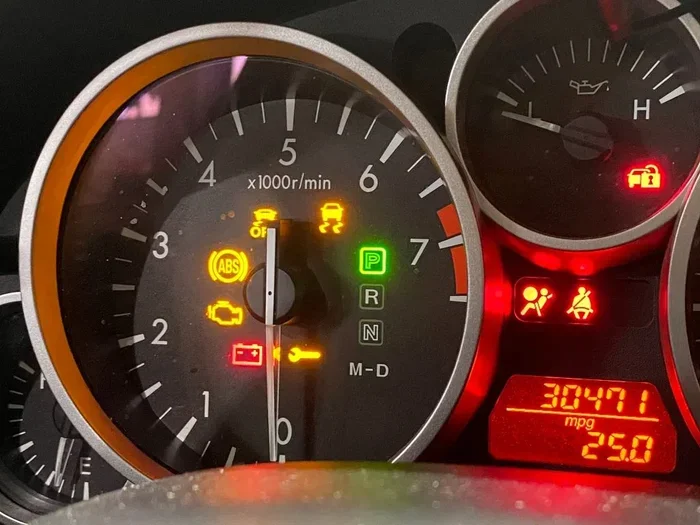
The check engine light is your car’s way of telling you something needs attention. Ignoring it can lead to bigger, more expensive problems. A simple sensor issue today can become a damaged catalytic converter tomorrow.
Skipping Fluid Changes
Transmission fluid, coolant, and brake fluid all have recommended change intervals. Skipping these services leads to premature wear on expensive components. A new transmission costs thousands of dollars. A fluid change costs a few hundred.
Overloading the Vehicle
Every vehicle has a maximum weight capacity. Consistently hauling heavy loads strains the engine, suspension, and brakes. Stay within the recommended limits to keep your car running strong for the long haul.
Using Cheap Parts
It can be tempting to save money by using cheap aftermarket parts. But low-quality parts often wear out faster and can cause damage to other components. Stick with quality parts, especially for items like brakes, belts, and filters.
Quick Tips for Maximum Car Longevity
- Change your oil every 5,000 to 7,500 miles
- Check tire pressure monthly
- Wash your car regularly to prevent rust
- Replace timing belts at the recommended interval
- Keep your car clean inside and out
- Address unusual sounds or smells immediately
- Use the recommended fuel grade for your engine
Final Thoughts on Finding Your Lifetime Car
Finding a car that will last a lifetime is absolutely possible. The key is to choose a vehicle from a brand with a strong reputation for reliability, follow a strict maintenance schedule, and drive with care. Brands like Toyota, Honda, Subaru, and Mazda consistently produce vehicles that keep running for hundreds of thousands of miles.
When you are shopping, look beyond the flashy features and focus on the fundamentals. Engine quality, build materials, and a proven track record matter more than the latest infotainment system. A simple, well-built car will always outlast a complex, feature-packed one.
Remember, car longevity is a partnership between the manufacturer and the owner. Buy a reliable vehicle, take care of it, and it will reward you with years of dependable service. The right car will not just last a lifetime, it will keep running strong every mile of the way.
Start your search today with the brands and models we have covered. Do your research, test drive a few options, and trust your instincts. The perfect lifetime car is out there waiting for you.
Frequently Asked Questions
What is the longest-lasting car brand?
Toyota is widely considered the longest-lasting car brand. Their vehicles consistently top reliability ratings and are frequently seen with 300,000 miles or more on the odometer. Honda and Subaru also rank very high for durability and long-term performance.
How many miles can a well-maintained car last?
A well-maintained car can easily last 200,000 to 300,000 miles or more. Some Toyota and Honda models have been documented reaching 400,000 miles with proper care. The key factors are regular maintenance, gentle driving, and using quality parts and fluids.
Are older cars more reliable than new cars?
Not necessarily. Modern cars are built with better materials and technology than ever before. However, older cars often have simpler designs with fewer electronic components that can fail. The most reliable cars are those that have been well-maintained regardless of their age.
What is the cheapest reliable car to own long-term?
The Toyota Corolla and Honda Civic are among the most affordable reliable cars to own long-term. They have low maintenance costs, excellent fuel efficiency, and strong resale value. These models prove that you do not need to spend a lot to get a car that will last a lifetime.
Does car color affect longevity?
Car color does not directly affect mechanical longevity. However, lighter colors like white and silver tend to show less wear and fading over time. Darker colors may show scratches and sun damage more easily, which can affect the car’s appearance but not its performance.
Should I buy a new or used car for long-term ownership?
Both options can work well. A new car comes with a warranty and the latest safety features. A used car from a reliable brand like Toyota or Honda can still provide many years of dependable service. The most important factor is the vehicle’s maintenance history, not whether it is new or used.
=== CONCLUSION ===
Finding a car that will last a lifetime is not just a dream, it is a realistic goal with the right choice. The best long-lasting cars come from brands that prioritize reliability, simplicity, and quality engineering. Toyota, Honda, Subaru, and Mazda all offer vehicles that are built to keep running strong for decades.
Remember that car longevity depends on more than just the brand. Regular maintenance, gentle driving, and prompt attention to small issues all play a huge role. Follow the maintenance schedule, use quality parts, and treat your vehicle with respect.
The car that will last a lifetime is out there. It might be a Toyota Camry, a Honda Accord, or a Subaru Outback. Whatever you choose, focus on reliability and durability above all else. With the right vehicle and the right care, you will enjoy many years of dependable, worry-free driving. Start your journey today and find the car that will keep running strong for a lifetime.