What Is the Most Common Charging System Failure Explained
The most common charging system failure is a faulty alternator that stops producing enough power. This leads to a dead battery, dim lights, and warning lights on your dashboard. Learning the early signs can save you from being stranded.
Every driver has been there. You turn the key, and nothing happens. The engine cranks weakly or not at all. You know deep down something is wrong with your car’s charging system. But what exactly went wrong? And more importantly, could you have prevented it?
The truth is, charging system failure happens to millions of drivers every year. It is one of the top reasons people call for roadside assistance. The good news? Most of these problems come from a few well-known causes. Once you understand them, you can catch the trouble early and avoid costly repairs.
In this guide, we will break down the most common charging system failure in plain, simple language. You will learn what causes it, how to spot the warning signs, and what you can do about it. Whether you are a beginner or a seasoned driver, this guide will give you real, practical knowledge you can use today.
Key Takeaways
- Alternator failure is the #1 cause of charging system problems in most vehicles.
- Corroded battery terminals and loose connections are the second most common issue.
- A worn serpentine belt can cause your entire charging system to stop working.
- Warning signs like dim headlights and dashboard alerts should never be ignored.
- Regular battery health checks can prevent unexpected breakdowns.
- Voltage regulator problems often mimic alternator failure but need different fixes.
- Simple preventive maintenance can extend your charging system life significantly.
📑 Table of Contents
- What Is a Car Charging System?
- What Is the Most Common Charging System Failure?
- Corroded Battery Terminals and Loose Connections
- The Role of the Serpentine Belt
- Warning Signs of a Charging System Failure
- How to Test Your Charging System
- Preventing Charging System Failures
- When to Seek Professional Help
- Conclusion
What Is a Car Charging System?
Before we dive into failures, let us quickly cover how the system works. Your car’s charging system keeps the battery powered and runs all the electrical parts while the engine is on. It is a simple setup with three main parts working together.
The Battery
The car battery stores energy and delivers it to start the engine. It also powers lights, the radio, and other electronics when the engine is off. A healthy battery holds a charge of about 12.6 volts when the car is sitting still.
The Alternator
The alternator is the workhorse of the system. Once the engine is running, the alternator generates electricity. It recharges the battery and powers all the electrical components. Think of it as a small generator attached to your engine.
The Voltage Regulator
The voltage regulator controls how much power the alternator sends out. It keeps the voltage steady. Without it, too much or too little power could damage your battery and other electrical components.
These three parts form a team. If one fails, the whole vehicle electrical system suffers. Now let us look at what breaks most often.
What Is the Most Common Charging System Failure?
The single most common charging system failure is a bad alternator. Specifically, the alternator’s internal parts wear out over time. The brushes, diode rectifier, or voltage regulator inside the unit fail. This stops the alternator from generating power. When that happens, the battery drains quickly and the car eventually dies.
Studies and repair shop data confirm this. Alternator problems account for more charging system breakdowns than any other single cause. But here is the tricky part. A failing alternator often shows signs for weeks before it completely dies. If you know what to look for, you can fix it early.
Why Alternators Fail Most Often
Several things cause alternator failure to be so common:
- Worn brushes rub against the rotor and grind down over time.
- Heat damage from the engine bay breaks down internal parts.
- Diode failure stops the alternator from converting AC to DC power.
- Age and mileage play a big role. Most alternators last between 80,000 and 150,000 miles.
- Oil or fluid leaks can seep into the alternator and ruin the internal wiring.
How to Tell If Your Alternator Is Failing
Watch for these early alternator warning signs:
- The battery warning light glows on your dashboard.
- Dim headlights especially at idle or low speeds.
- Electrical accessories like power windows slow down.
- You hear a grinding or whining noise from the engine bay.
- The battery health drops even after a full charge.
- Your car stalls or struggles to restart shortly after driving.
If you notice two or more of these signs, get your alternator checked right away. Ignoring them will lead to a complete charging system breakdown.
Corroded Battery Terminals and Loose Connections
The second most common cause of charging system problems is corroded or loose battery terminals. This one surprises a lot of drivers. The alternator might be working perfectly fine. But if the connection between the battery and the rest of the system is weak, nothing works properly.
What Causes Corrosion?
Battery terminals corrode over time. Acid vapors from the battery react with the metal. This creates a white or blue-green powdery buildup. The buildup blocks the electrical connection. Even a thin layer of corrosion can reduce power flow significantly.
Other causes include:
- Parasitic draw from accessories left on when the engine is off.
- Old or damaged battery cables with cracked insulation.
- Overcharging from a faulty voltage regulator.
- Exposure to moisture and road salt.
How to Fix Corroded Terminals
This is one of the easiest charging system repairs you can do yourself:
- Turn off the engine and let it cool.
- Disconnect the negative cable first, then the positive.
- Use a wire brush or terminal cleaner to scrub away the corrosion.
- Rinse with a mix of baking soda and water if needed.
- Dry the terminals completely.
- Reconnect the positive cable first, then the negative.
- Apply a thin layer of petroleum jelly to prevent future corrosion.
After cleaning, start the car and check if the electrical systems work normally. If the problem keeps coming back, your battery may need replacing.
The Role of the Serpentine Belt
Many drivers forget about the serpentine belt. But this simple rubber belt plays a huge role in your charging system. It connects the alternator to the engine. When the engine runs, the belt spins the alternator. Without it, the alternator cannot generate power.
What Goes Wrong with the Belt?
The serpentine belt faces a lot of wear and tear. Common belt-related charging issues include:
- Cracking and fraying from age and heat exposure.
- Stretching that causes the belt to slip off the alternator pulley.
- Glazing from oil or coolant leaks onto the belt surface.
- Broken ribs that reduce the grip on the alternator.
A worn belt may still work for a while. But it will slip under heavy electrical load. This means the alternator slows down and produces less power. You might notice flickering lights or a weak sound from the engine area.
How Often Should You Check the Belt?
Make it a habit to inspect your serpentine belt every oil change. Look for cracks, shiny spots, or frayed edges. Most manufacturers recommend replacing the belt every 60,000 to 100,000 miles. But if you see damage earlier, do not wait.
A quick belt inspection takes only a few minutes. It can save you from a sudden charging system breakdown on the road. Keep a spare belt in your trunk if you drive an older vehicle.
Warning Signs of a Charging System Failure
Your car gives you plenty of warning before a charging system failure becomes a total breakdown. The key is knowing what to look for. Here is a detailed breakdown of the most common symptoms.
Dashboard Warning Lights
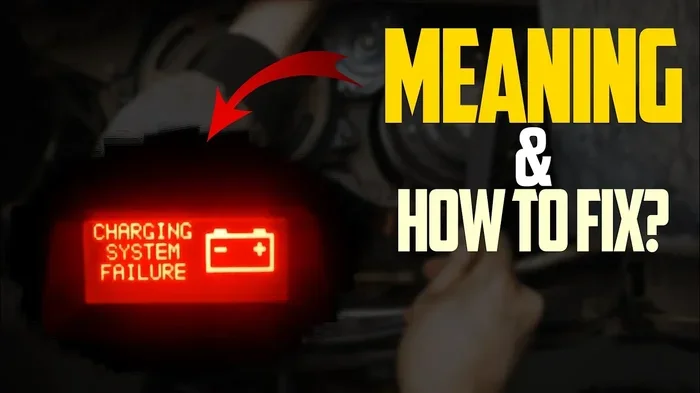
The battery or charging light on your dashboard is the first alert. It usually looks like a small battery icon. If this light comes on while driving, it means the system is not charging properly. Do not ignore it. Pull over safely and check the situation.
Dim or Flickering Lights
Dim headlights are one of the most obvious signs. You might notice the dashboard lights dim when you turn on the radio or air conditioning. Flickering interior lights also point to a power supply problem. These happen because the alternator is not producing enough voltage.
Slow or Cranking Engine
A healthy battery sends a strong burst of power to the starter motor. If your engine cranks slowly or sounds sluggish, the battery may not be getting recharged. This is a classic sign of a charging system problem.
Electrical Accessories Acting Up
Power windows, the radio, the GPS, and heated seats all need electricity. If these accessories start working slowly or intermittently, the electrical system is struggling. The alternator may not be keeping up with demand.
Unusual Smells or Sounds
A burning rubber smell could mean a slipping serpentine belt. A grinding or whining noise might point to a failing alternator bearing. Both are red flags that need immediate attention.
How to Test Your Charging System
Testing your charging system is easier than most people think. You do not need to be a mechanic. With a basic multimeter, you can check the voltage output in just a few minutes.
Testing the Battery
Start with the engine off. Set your multimeter to DC voltage. Touch the red probe to the positive terminal and the black probe to the negative terminal. A healthy battery reads between 12.4 and 12.7 volts. Anything below 12.2 volts means the battery is weak.
Testing the Alternator Output
Now start the engine. Rev it to about 2,000 RPM. Check the voltage again at the battery terminals. A working alternator should produce between 13.8 and 14.2 volts. If the reading is below 13.5 volts, the alternator may not be charging properly. If it is above 14.5 volts, the voltage regulator might be failing.
The Headlight Test
Here is a simple quick test you can do without any tools. Turn on the headlights and start the engine. If the lights get brighter when the engine starts, the alternator is working. If the lights stay dim or get dimmer, the alternator is likely not charging.
Quick Tips for Accurate Testing
- Always test the battery when it has not been running for at least one hour.
- Make sure the multimeter probes are clean and tight.
- Test in a safe, well-ventilated area away from open flames.
- If you get inconsistent readings, retest after cleaning the terminals.
Preventing Charging System Failures
The best way to deal with a charging system failure is to prevent it from happening. Regular maintenance goes a long way. Here are the steps that make the biggest difference.
Stick to a Maintenance Schedule
Follow your vehicle’s maintenance plan. Most owners manuals suggest checking the charging system every 30,000 to 50,000 miles. During these checks, a mechanic will test the alternator output, inspect the belt, and clean the terminals.
Keep the Terminals Clean
Clean your battery terminals at least twice a year. Use a wire brush and a baking soda solution. Apply dielectric grease after cleaning to protect against future corrosion. This simple habit prevents many charging system problems.
Replace Old Batteries on Time
Most car batteries last three to five years. Do not wait for them to die completely. Replace them on schedule. A new battery puts less strain on the alternator and keeps the whole electrical system healthy.
Watch for Fluid Leaks
Oil and coolant leaks can damage the alternator and other parts of the charging system. Check under your car regularly for any puddles or stains. Fix leaks promptly to protect your electrical components.
Avoid Short Trips When Possible
Short trips do not give the alternator enough time to fully recharge the battery. If you take mostly short drives, consider using a battery maintainer or trickle charger. This keeps the battery topped off between trips.
When to Seek Professional Help
Some charging system repairs are simple and safe to do yourself. But others need a trained technician. Here is when you should call in the experts.
If your dashboard warning lights stay on after a basic check, do not guess. Take the car to a shop. A professional can run a full diagnostic test on the alternator, voltage regulator, and wiring harness. They have specialized tools that give accurate readings.
Also seek help if you notice a burning smell, smoke, or significant fluid leaks near the alternator. These are signs of serious damage. Driving in this condition can cause further harm to your vehicle electrical system.
Finally, if you have tested your system and the readings are borderline, a second opinion from a mechanic is always a smart move. Sometimes a charging system failure hides behind misleading symptoms. A professional diagnosis saves time, money, and frustration.
Conclusion
The most common charging system failure is a failing alternator, followed closely by corroded battery terminals and worn serpentine belts. These three causes account for the vast majority of charging system problems drivers face. But the good news is that most of them are preventable.
By staying alert to warning signs like dim lights, dashboard alerts, and slow cranking, you can catch trouble early. Regular maintenance, clean terminals, and timely belt replacements keep your vehicle electrical system running strong. A little attention today saves you from a big headache tomorrow.
Take charge of your car’s charging system health. Use the tips and tests in this guide. Your wallet and your peace of mind will thank you. Do not wait for the warning signs to become a breakdown. Act now and keep your car running reliably for miles to come.
Frequently Asked Questions
What causes a charging system to fail?
The most common cause is a worn-out alternator that stops generating power. Other causes include corroded battery terminals, a broken serpentine belt, and a faulty voltage regulator. Age, mileage, and exposure to heat or moisture also contribute to failure over time.
Can I drive with a charging system failure?
You should avoid driving if the battery warning light is on. Your car is running on battery power alone and will eventually stall. You might be able to drive a short distance to a safe spot, but do not continue for long. Get the car towed or repaired immediately.
How much does it cost to fix a charging system failure?
The cost depends on the cause. Replacing an alternator typically costs between 300 and 800 dollars including parts and labor. Cleaning corroded terminals costs almost nothing. Replacing a serpentine belt runs around 100 to 200 dollars. A voltage regulator replacement can range from 150 to 400 dollars.
How do I know if it is the battery or the alternator?
Start the engine and turn off all accessories. If the engine dies soon after, the alternator is likely not charging the battery. If the engine starts but struggles to restart after sitting, the battery is probably weak. A simple voltage test with a multimeter can confirm which part is the problem.
How long does a charging system last before it fails?
Most alternators last between 80,000 and 150,000 miles. Car batteries typically last three to five years. Serpentine belts need replacement every 60,000 to 100,000 miles. Regular maintenance can help these components reach or exceed their expected lifespan.
What is a parasitic draw and how does it affect the charging system?
A parasitic draw happens when electrical components continue to pull power from the battery after the engine is off. This slowly drains the battery and puts extra stress on the alternator when you start the car again. Common culprits include interior lights left on, faulty relays, and aftermarket electronics installed incorrectly.