What Is the Code for a Bad Camshaft Position Sensor
The code for a bad camshaft position sensor is typically a P0340, P0341, P0342, or P0343 diagnostic trouble code stored by your engine computer when the sensor fails to send accurate data. Common symptoms include a check engine light, engine misfires, stalling, rough idle, and poor fuel economy. Understanding these codes helps you diagnose the problem early and avoid costly repairs.
If your car is acting up and you just pulled a code from your scanner, you might be looking at a camshaft position sensor problem. The code for a bad camshaft position sensor can show up in a few different ways, and knowing what each one means is the first step toward fixing the issue. Whether you are a DIY mechanic or just trying to understand what your shop is telling you, this guide breaks it all down in plain English.
Modern engines rely on precise timing to run well. The camshaft position sensor plays a big role in that timing. When it fails, you can expect rough idling, stalling, or a check engine light that will not go away. In this article, we will walk you through the most common camshaft position sensor codes, what causes them, how to spot the symptoms early, and exactly what you can do to fix the problem.
We have also included practical tips, common mistakes to avoid, and cost estimates so you are fully prepared. By the end, you will know exactly what to do when that camshaft position sensor code shows up on your OBD-II scanner.
Key Takeaways
- P0340, P0341, P0342, and P0343 are the most common camshaft position sensor codes you will encounter.
- Early symptoms like rough idle and stalling often appear before the check engine light even comes on.
- Wiring and connector issues are a surprisingly common cause that many people overlook.
- Always diagnose before replacing parts to save money and avoid unnecessary repairs.
- Replacement cost is generally affordable, ranging from $70 to $250 for parts and labor combined.
- Regular oil changes help protect the sensor from contamination and extend its lifespan.
- A simple OBD-II scanner at home can help you catch problems early and save on diagnostic fees.
📑 Table of Contents
Understanding the Camshaft Position Sensor
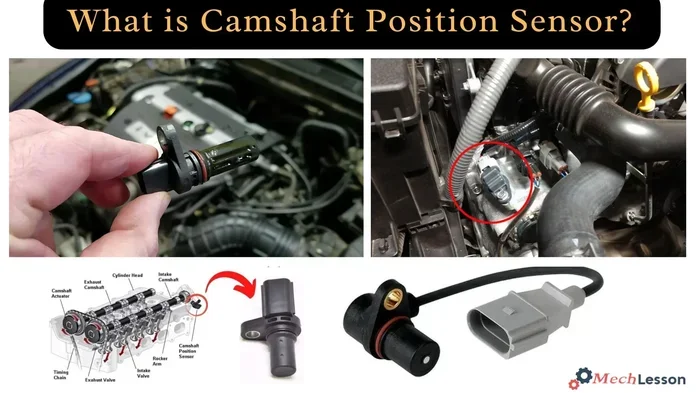
The camshaft position sensor is a small but mighty component in your engine. It monitors the position and speed of the camshaft as it rotates. This information travels to the ECM/PCM, which is the brain of your engine. The ECM uses this data to control fuel injection timing and ignition timing. Without accurate sensor readings, your engine simply cannot run efficiently.
What Does the Camshaft Position Sensor Do?
Think of the camshaft position sensor like a conductor in an orchestra. It tells the ECM exactly when each cylinder should fire. If that signal is off, even by a few degrees, your engine performance drops. You might notice rough running, poor fuel economy, or even a complete stall. The sensor works alongside the crankshaft position sensor. Together, these two sensors give the ECM a complete picture of where everything is in the engine cycle. The crankshaft sensor tracks the pistons, while the camshaft sensor tracks the valves. Both signals must be perfectly timed for your engine to run smoothly.
How the Sensor Communicates with the Engine Computer
The camshaft position sensor location is typically near the top of the engine, either on the cylinder head or the engine block. It uses a magnetic or Hall-effect principle to detect the camshaft’s rotational position. As the camshaft turns, a toothed ring or reluctor wheel passes by the sensor. Each tooth creates a voltage signal that the ECM reads. The ECM constantly compares the camshaft signal with the crankshaft signal. If the two do not match up correctly, the computer logs a diagnostic trouble code. This is how you end up with a camshaft position sensor code on your scan tool. The specific code tells you exactly what kind of problem the computer has detected.
What Is the Code for a Bad Camshaft Position Sensor?
When you hook up an OBD-II scanner, you will see a specific alphanumeric code that points to the problem. These diagnostic trouble codes fall into a standard format that all manufacturers follow. Here are the most common codes you will encounter related to a bad camshaft position sensor.
P0340 Code: Camshaft Position Sensor Circuit Malfunction
The P0340 code is the most common camshaft position sensor code. It means the ECM has detected a problem with the electrical circuit of the sensor. This could be a broken wire, a loose connector, or a failed sensor itself. The P0340 code is a general code that applies across many vehicle makes and models. If you see P0340, do not ignore it. Your engine may still run, but performance will suffer. The check engine light will stay on, and you may notice stalling or rough idling. A quick inspection of the wiring harness and connector at the sensor can often reveal the issue before you even need to replace the part.
P0341, P0342, and P0343 Codes Explained
The P0341 code indicates that the sensor signal is out of the expected range. This usually means the sensor is sending inconsistent or weak signals to the ECM. Common causes include a worn sensor, damage to the reluctor wheel, or timing chain issues that have shifted the camshaft slightly out of position. This code is often seen in higher-mileage vehicles where normal wear has affected the sensor. The P0342 code means the sensor is sending a signal that is too low. This typically points to an electrical issue like a short in the wiring or a corroded connector. The P0343 code is the opposite, where the signal is too high. This can happen if there is an open circuit in the wiring or if the sensor internal circuit is damaged. Start your diagnosis with a visual inspection of the wiring and connector for each of these codes before replacing any parts.
| Code | Description | Most Likely Cause |
|---|---|---|
| P0340 | Circuit Malfunction | Wiring, connector, or sensor failure |
| P0341 | Range/Performance Issue | Worn sensor or timing misalignment |
| P0342 | Low Input Signal | Short circuit or corroded connector |
| P0343 | High Input Signal | Open circuit or failed sensor |
Each of these camshaft sensor codes tells a different story about what is going wrong. The code itself narrows down the problem area, but a thorough diagnosis is always the best next step. Do not assume the code alone tells you exactly what needs to be replaced.
Symptoms of a Failing Camshaft Position Sensor
Do not wait for the check engine light to tell you there is a problem. The camshaft sensor symptoms often show up well before a code is stored. Recognizing these early warning signs can save you from a breakdown on the side of the road and keep your engine performance at its best.
Check Engine Light and Stalling Issues
The check engine light is the most obvious sign that something is wrong. But the light alone does not tell you what the problem is. If the light comes on alongside stalling, especially at idle or when slowing down, the camshaft position sensor should be at the top of your suspect list. Stalling happens because the ECM cannot properly time the fuel injection and ignition events without accurate camshaft position data. The engine may stall at a stoplight or while idling in traffic. If this happens repeatedly, get the code read as soon as possible.
Engine Misfires and Rough Idle
An engine misfire is one of the most common camshaft position sensor symptoms. You will feel it as a jerking or stumbling sensation when you are driving at low speeds. The idle may become rough and uneven, and you might notice the engine surging or hesitating when you press the accelerator. These misfires happen because the ECM is guessing when to fire each cylinder instead of having precise timing data. The result is incomplete combustion in one or more cylinders. Over time, persistent misfires can damage your catalytic converter and other expensive components.
Poor Fuel Economy and Reduced Power
A failing sensor can also wreck your fuel efficiency and power output. When the ECM does not know the exact camshaft position, it defaults to a conservative fuel map. This means it uses more fuel than necessary to protect the engine, which hurts your gas mileage. You might also notice a lack of power when accelerating or climbing hills. The engine feels sluggish and unresponsive. If you have noticed a sudden drop in fuel economy along with any of the other symptoms listed here, a faulty camshaft sensor is a very likely cause.
Quick Tips for Early Detection
- Do not ignore a check engine light, even if the car seems to run fine.
- Keep an OBD-II scanner at home for early detection of problems.
- Note when symptoms occur, such as at idle, under load, or when cold.
- Regular oil changes help protect the sensor from contamination.
What Causes a Bad Camshaft Position Sensor
Understanding the root causes helps you prevent the problem from coming back. A bad camshaft position sensor does not usually fail for no reason. There is almost always an underlying cause that you can address.
Wiring and Connector Problems
The most common cause of a camshaft position sensor code is not the sensor itself, but the wiring and connector leading to it. Engine bay heat, vibration, and exposure to fluids can all damage the wiring harness over time. A corroded connector or a frayed wire will interrupt the signal between the sensor and the ECM. Before you buy a new sensor, always inspect the connector. Look for bent pins, green or white corrosion, and melted or scorched plastic. A simple repair to the wiring can often clear the code and restore proper function without any part replacement at all.
Heat Damage and Normal Wear
Your engine bay gets extremely hot, and the camshaft position sensor takes a lot of heat exposure over the years. Eventually, the internal electronics of the sensor can break down from thermal stress. This is especially common in vehicles with over 100,000 miles on the odometer. Heat damage is not something you can prevent entirely, but you can slow it down by keeping your engine cool and maintaining the cooling system properly. If your sensor fails due to age, consider replacing the sensor as a preventive measure if your vehicle has high mileage.
Oil Contamination and Debris
Engine oil leaks near the sensor can cause serious problems. Oil can seep into the sensor connector or coat the sensor tip, interfering with its ability to read the camshaft position accurately. Sludge and debris from old oil can also build up around the sensor and affect its operation. Regular oil changes with the correct oil grade help prevent this issue. If you notice an oil leak near the sensor area, have it repaired promptly to avoid contaminating the sensor and triggering a camshaft position sensor code.
How Mechanics Diagnose and Fix the Problem
Diagnosing a camshaft position sensor code is a systematic process. A good mechanic will not just swap parts blindly. They will follow a logical diagnostic path to confirm the root cause before making any repairs. This approach saves you money and ensures the fix actually works.
Using an OBD-II Scanner to Read Codes
The first step is always to connect an OBD-II scanner and read the stored codes. The code will tell you which specific camshaft sensor code your vehicle has stored. From there, the mechanic will look up the factory-specific diagnostic procedure for that code. It is important to note that the same code can have different causes on different vehicles. For example, a P0340 code on a Ford might point to a wiring issue, while the same code on a Honda might indicate a failed sensor. Always follow the manufacturer-specific diagnostic chart for your vehicle.
Testing the Sensor Signal with a Multimeter
After reading the code, the next step is usually to test the sensor signal using a digital multimeter. The mechanic will check the voltage output from the sensor while the engine is running. A healthy camshaft position sensor should produce a steady, consistent signal that changes with engine speed. If the signal is weak, erratic, or absent, the sensor is likely faulty. The mechanic will also check the reference voltage and ground supply from the ECM to make sure the sensor is getting proper power. Sometimes the problem is not the sensor but a missing power or ground connection.
Common Diagnostic Mistakes to Avoid
One of the biggest common mistakes is replacing the sensor without checking the wiring first. As mentioned earlier, many camshaft position sensor codes are caused by wiring or connector issues, not a bad sensor. Replacing a perfectly good sensor wastes money and does not fix the problem. Another mistake is clearing the code and assuming the problem is gone. If the underlying cause is not fixed, the code will come back. Always complete the full diagnostic process before replacing any parts.
Step-by-Step Sensor Replacement Guide
If the diagnosis confirms that the sensor itself has failed, replacement is usually straightforward. Most camshaft position sensor replacements can be done in under an hour with basic hand tools. Here is a general overview of the process:
- Disconnect the negative battery terminal for safety.
- Locate the camshaft position sensor using your service manual or online guide.
- Unplug the electrical connector from the sensor. Press the release tab and pull gently.
- Remove the mounting bolt or bolts holding the sensor in place.
- Pull the old sensor out carefully. Note its orientation for the new one.
- Insert the new sensor and hand-tighten the mounting bolt.
- Reconnect the electrical connector until you hear it click.
- Reconnect the battery terminal.
- Start the engine and clear the code with your OBD-II scanner.
- Take a test drive and verify the code does not return.
Always use an OEM-quality or reputable aftermarket sensor. Cheap sensors from unknown brands may not last long and can cause the same problems to return within a few months.
Sensor Replacement Cost
The sensor replacement cost for a camshaft position sensor is generally quite affordable. The part itself usually costs between $20 and $100 depending on your vehicle make and model. Labor at a shop typically runs $50 to $150 for the one-hour job. If you are comfortable working on your own vehicle, you can save the labor cost entirely and just pay for the part. The job is well within the capabilities of most home mechanics with basic tools and a repair manual for your specific vehicle.
Prevention and Long-Term Maintenance
You cannot prevent all sensor failures, especially those caused by age and normal wear. But there are steps you can take to extend the life of your camshaft position sensor and avoid unexpected engine misfire issues. Keep up with regular oil changes using the manufacturer-recommended oil. Address oil leaks near the sensor area promptly. Avoid prolonged exposure to extreme heat when possible. Use quality fuel and keep your engine tuned up. Inspect the sensor connector during routine maintenance. Preventive maintenance goes a long way toward keeping your engine performance at its best and avoiding unexpected breakdowns. A little attention today can save you significant time and money tomorrow.
Conclusion
The code for a bad camshaft position sensor does not have to be a scary or expensive problem. With the right knowledge, you can understand what the code means, recognize the symptoms early, and take the appropriate steps to fix it. Whether you handle the repair yourself or visit a shop, knowing the basics puts you in a much better position.
Remember that the camshaft position sensor code is just the starting point. Always follow a proper diagnostic process to confirm the root cause before replacing parts. Check the wiring, the connector, and the sensor signal before you buy anything. And do not skip the simple fixes, like cleaning a corroded connector, that can resolve the problem without any part replacement at all. Your engine depends on precise timing to run well, and the camshaft position sensor is a key part of that system. Give it the attention it deserves, and your vehicle will reward you with smooth, reliable performance for miles to come.
Frequently Asked Questions
Can I drive my car with a camshaft position sensor code?
You can drive short distances with a P0340 or similar code, but it is not recommended. The engine may stall unexpectedly, which is dangerous. The misfires and rough running can also damage other components like the catalytic converter over time. Have the issue diagnosed and repaired as soon as possible.
How much does it cost to replace a camshaft position sensor?
The total sensor replacement cost typically ranges from $70 to $250. The part itself costs between $20 and $100, and labor at a shop runs $50 to $150. If you do the job yourself, you only pay for the part and save the labor charge entirely.
What is the difference between a camshaft and crankshaft position sensor?
The camshaft sensor tracks the position of the camshaft and valve timing, while the crankshaft sensor tracks piston position and crankshaft rotation. Both feed critical timing data to the ECM. A failure in either one can cause similar symptoms like stalling and misfires, but they use different diagnostic codes and replacement procedures.
Can a bad camshaft position sensor cause a no-start condition?
Yes, in some cases a completely failed camshaft position sensor can cause a no-start condition. Without the camshaft signal, the ECM cannot determine the correct ignition and fuel injection timing. If your engine cranks but will not start, a failed sensor is one possible cause, especially if accompanied by a stored code.
How do I know if the problem is the sensor or the wiring?
A proper diagnosis involves checking the wiring and connector first before replacing the sensor. Use a multimeter to test for reference voltage and ground at the connector. Inspect for corrosion, frayed wires, and bent pins. If the wiring checks out and the sensor signal is weak or absent, then the sensor itself is likely the problem.
Will clearing the code fix the camshaft position sensor problem?
No, clearing the code without fixing the underlying issue will not solve the problem. The code will simply return once the ECM detects the same issue again. Always diagnose the root cause first, make the necessary repair, and then clear the code to verify the fix worked.