What If My Car Doesnt Have a Dipstick Heres What To Know
What If My Car Doesnt Have A Dipstick might sound confusing, but many modern vehicles have done away with this traditional tool entirely. You can still check your engine oil level using electronic gauges, sight glasses, or simple inspection methods outlined in your vehicle manual. This guide walks you through everything you need to know about oil maintenance without a dipstick, from checking procedures to warning signs you should never ignore.
Key Takeaways
- No Dipstick Is Normal on Modern Vehicles: Many newer cars use electronic sensors and sealed systems that eliminate the need for a traditional dipstick entirely.
- You Can Still Check Your Oil Level: Methods include electronic oil gauges, sight glasses, and the oil cap inspection method.
- Low Oil Signs Are Universal: Dashboard warnings, engine noise, and reduced performance signal low oil regardless of your vehicle type.
- Regular Oil Changes Matter More: Without a dipstick, staying on top of your oil change schedule becomes even more critical for engine health.
- Consult Your Vehicle Manual: Every car without a dipstick has specific instructions for checking and maintaining proper oil levels.
- See a Mechanic When Unsure: If you are uncomfortable checking your oil or notice warning signs, a professional can help keep your car running safely.
📑 Table of Contents
Why Some Cars Dont Have a Dipstick
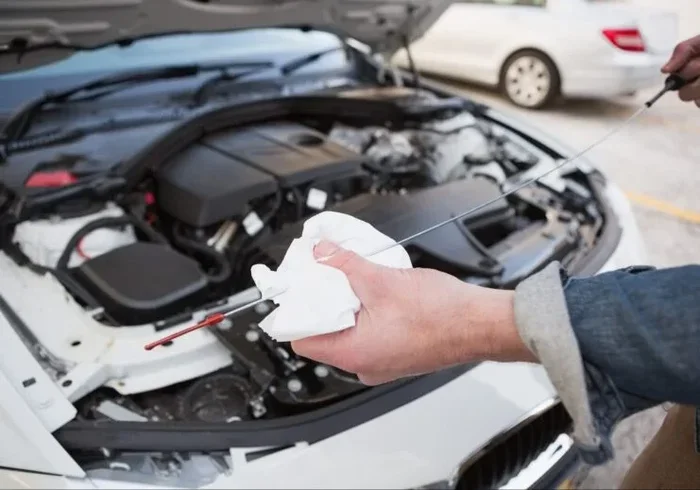
If you have popped open the hood of a newer car and searched for a dipstick, you might have come up empty. This can be confusing and even a little alarming. You have probably used a dipstick your entire life as a car owner. So what gives?
The truth is that automotive technology has changed a lot over the past couple of decades. Many modern vehicles now use sealed engine maintenance systems that do not require a traditional dipstick. Automakers made this shift for a few good reasons. First, sealed systems help reduce oil leaks and spills. Second, they improve overall engine health by keeping contaminants out. Third, electronic sensors provide more precise readings than a simple metal stick ever could.
So if your car does not have a dipstick, you are not alone. And more importantly, you are not stuck. There are clear and reliable ways to check your oil level and keep your engine running strong. Let us walk through them together.
How Electronic Oil Systems Work
Most cars without a dipstick rely on an oil level sensor mounted inside the oil reservoir. This sensor sends real-time data to your dashboard display. You can usually see your current oil level right on the instrument cluster or infotainment screen. Some vehicles also display oil temperature and pressure alongside the level reading.
These electronic systems are designed to be low-maintenance. They alert you when your oil level drops below the safe range. This takes a lot of guesswork out of the equation. However, they do require proper care. A faulty sensor can give false readings, which is why understanding your vehicle matters so much.
How to Check Your Oil Without a Dipstick
Wondering how to actually check your engine oil level when there is no dipstick in sight? Do not worry. There are several straightforward methods you can use right at home.
Method 1: Use the Electronic Oil Gauge
The easiest way to check your oil level is through your cars digital display. Here is how to do it step by step:
- Park your car on a flat surface and turn the ignition to the on position.
- Look for the vehicle manual icon or the menu button on your dashboard.
- Navigate to the vehicle information or maintenance section.
- Find the oil level or fluid levels menu.
- Your current oil level will be displayed as full, low, or in a range.
Some cars require the engine to be warm and running for an accurate reading. Others need the engine to be off and the car parked for a few minutes. Always check your vehicle manual for the exact procedure.
Method 2: Inspect Through the Oil Cap
Many vehicles without a dipstick have a transparent oil sight glass or a marked oil cap that lets you see the oil level directly. To use this method:
- Make sure the engine is cool and the car is parked on a level surface.
- Open the hood and locate the oil cap. It is usually marked with an oil can symbol.
- Remove the cap and look inside the filler tube.
- You should see the oil level between the minimum and maximum markers on the inside of the cap or tube.
This method works well for a quick visual check. However, it is not always as precise as an electronic reading. Use it as a supplement to your digital gauge, not a replacement.
Method 3: Use a Mechanic or Dealership Tool
If you are not comfortable checking your oil level on your own, you can always visit a mechanic or dealership. They have professional diagnostic tools that can read your oil level sensor data instantly. Many quick-lube shops will also check your engine oil level for free as part of a basic inspection.
Which Vehicles Use Dipstick-Free Oil Systems
You might be wondering which specific cars and trucks come without a dipstick. The answer is more common than you think. Several major automakers have adopted sealed oil reservoir systems across their lineups.
BMW, for example, has used electronic oil level indicators in many of its models since the early 2000s. Mercedes-Benz follows a similar approach in most of its newer vehicles. Audi and Volkswagen also rely on electronic oil level sensors in many of their cars. Even some Ford and Chevrolet models have moved to dipstick-free designs in recent years.
Hybrid and electric vehicles are also more likely to skip the traditional dipstick. These cars often have smaller or separate lubrication systems that do not need the same level of manual monitoring. If you own or are considering a hybrid or EV, check the vehicle manual to understand how engine maintenance works for your specific model.
Why Automakers Made the Switch
There are several reasons automakers have moved away from the traditional dipstick:
- Precision: Electronic sensors provide more accurate readings than a manual oil dip ever could.
- Convenience: Drivers can check their oil level from the dashboard without popping the hood.
- Sealed Systems: These reduce the risk of contamination and oil leaks over time.
- Modern Design: Many newer engines are designed as sealed units that do not easily accommodate a traditional dipstick.
Common Signs Your Oil Level Is Low
Even without a dipstick, your car will tell you when something is wrong with your oil level. The key is knowing what signs to look for. Ignoring these warnings can lead to serious engine maintenance problems down the road.
Dashboard Warning Lights
The most obvious sign of a low oil problem is a warning light on your dashboard. Most vehicles without a dipstick have a dedicated oil pressure or oil level warning icon. This light usually looks like an oil can with drops coming out of it. If you see this light, pull over safely and check your oil level as soon as possible.
Some cars also display a digital message like “Check Oil Level” or “Low Oil” on the dashboard screen. Do not ignore these messages. They are your cars way of telling you that the engine oil level has dropped below a safe threshold.
Unusual Engine Noises
When your oil level gets too low, the engine components start rubbing together without proper lubrication. This creates ticking, knocking, or grinding sounds. If you hear any new or unusual noises coming from under the hood, check your oil level right away.
Reduced Performance and Fuel Efficiency
A car running on low engine oil has to work harder. You might notice sluggish acceleration, rough idling, or a decrease in fuel economy. These are all signs that your engine is not getting the lubrication it needs. Addressing a low oil issue early can save you from expensive repairs later.
Burning Oil Smell
If you smell something burning while driving, it could be oil leaking onto hot engine parts. This is a serious warning sign. Pull over safely, turn off the engine, and check for leaks or a critically low oil level. Do not continue driving if you suspect an oil problem.
Maintaining Your Engine Without a Dipstick
Living with a dipstick-free car does not mean you can skip oil maintenance. In fact, staying on top of your engine oil level becomes even more important when you do not have a physical dipstick to rely on. Here is how to keep everything in great shape.
Follow the Recommended Oil Change Schedule
Every vehicle has a recommended oil change interval listed in the vehicle manual. For cars without a dipstick, sticking to this schedule is essential. Most modern cars need an oil change every 5,000 to 7,500 miles, but this varies by make and model. Check your vehicle manual or consult your dealership to confirm the right interval for your car.
Use the Right Type of Oil
Not all engine oil is the same. Using the wrong type can affect your oil level sensor readings and your overall engine health. Always use the oil grade and type recommended by your manufacturer. This information is printed on the oil cap or listed in the vehicle manual. If you are unsure, ask your mechanic or check with the dealership.
Monitor Your Oil Level Regularly
Make it a habit to check your oil level at least once a month. For cars with electronic gauges, this takes just a few seconds. For vehicles with a sight glass, you can do a quick visual inspection during your regular car maintenance routine. Consistent monitoring helps you catch problems early before they turn into major issues.
Keep Records of Your Maintenance
Tracking your oil changes and engine maintenance is a smart move for any car owner. Use a simple notebook or a phone app to log every oil change date, mileage, and oil type used. This record-keeping helps you stay organized and makes it easier to spot patterns or potential problems over time.
When to See a Mechanic
There is no shame in asking for help. If you are unsure about your oil level or if your car is showing warning signs, a professional mechanic can provide peace of mind. Here are situations where you should definitely seek expert help:
- Your dashboard shows a persistent oil warning even after you have topped off the oil.
- You notice oil leaks underneath your car or around the oil cap area.
- Your oil level sensor seems to give inconsistent or inaccurate readings.
- You hear persistent engine knocking or ticking sounds that do not go away.
- You are uncomfortable checking your oil level on your own and want a professional opinion.
A trusted mechanic can also perform a full engine maintenance inspection. They can check your transmission fluid, coolant levels, and other vital fluids at the same time. This comprehensive approach keeps your entire vehicle in top shape and helps you avoid surprises on the road.
Quick Tips for Dipstick-Free Oil Checking
- Always park on a flat surface before checking your oil level.
- Let the engine cool for at least 10 minutes before removing the oil cap.
- Keep your vehicle manual in the glove box for quick reference.
- Set a monthly reminder on your phone to check your oil level.
- Never ignore dashboard warning lights related to oil or engine health.
- Keep a small bottle of the correct engine oil in your trunk for emergencies.
Common Mistakes to Avoid
Even experienced car owners can make mistakes when dealing with oil maintenance on a vehicle without a dipstick. Here are a few pitfalls to watch out for:
- Assuming the electronic gauge is always accurate: Sensors can malfunction. If something feels off, trust your instincts and get a second opinion.
- Ignoring the oil change light: The oil change reminder is based on mileage and driving conditions. Do not dismiss it just because your oil level looks fine on the gauge.
- Overfilling the oil: Too much oil can be just as harmful as too little. Always add oil in small amounts and recheck the oil level after each addition.
- Skipping regular checks: Without a dipstick as a physical reminder, it is easy to forget about oil maintenance. Set a schedule and stick to it.
Final Thoughts on What If My Car Doesnt Have a Dipstick
So what if your car does not have a dipstick? The answer is simple: you are still fully capable of keeping your engine properly lubricated and running strong. Modern vehicles have evolved, and so have the tools available for car maintenance. Electronic gauges, sight glasses, and oil level sensors give you everything you need to monitor your engine oil level with confidence.
The most important thing you can do as a car owner is stay informed. Read your vehicle manual, understand your cars specific systems, and never ignore warning signs. Regular oil changes and consistent monitoring go a long way toward protecting your engine health and avoiding costly repairs.
Whether your car has a traditional dipstick or a modern electronic system, the fundamentals of oil maintenance remain the same. Check your levels regularly, use the right oil, and address any issues promptly. Your engine will thank you for years to come.
Take a few minutes today to familiarize yourself with how your car handles oil level checks. If you have any doubts, reach out to a trusted mechanic or your dealership. Being proactive about your engine maintenance is one of the best things you can do for your vehicle and your wallet.
Frequently Asked Questions
Can I add a dipstick to a car that does not have one?
In most cases, no. Modern cars are designed with sealed systems that do not accommodate a traditional dipstick. Retrofitting one is not practical and could interfere with the electronic oil level sensor. Always follow the vehicle manual recommendations for your specific model.
How often should I check my oil level if my car has no dipstick?
You should check your oil level at least once a month. For vehicles with electronic gauges, this takes just a few seconds. If you drive in extreme conditions or cover high mileage, consider checking more frequently to maintain optimal engine health.
Is it safe to drive with low oil if my car has no dipstick?
No. Driving with low engine oil can cause serious internal damage regardless of whether your car has a dipstick. If your dashboard shows a low oil warning or you notice any signs of low oil, address the issue immediately by adding the recommended oil type.
Do electric cars need oil changes since they have no dipstick?
Most electric vehicles do not have a traditional engine and therefore do not require engine oil changes. However, some hybrid cars do have combustion engines that still need oil maintenance. Check your vehicle manual to understand the specific needs of your car.
What should I do if my oil level sensor gives inaccurate readings?
If your oil level sensor seems unreliable, visit a qualified mechanic for a diagnostic check. They can test the sensor and use manual tools to verify your actual oil level. Do not rely solely on a faulty sensor for your engine maintenance decisions.
Are there any cars that still come with a traditional dipstick?
Yes, many cars on the market today still include a traditional dipstick. Trucks, older model vehicles, and some economy cars often retain this simple and reliable tool. Always check the vehicle manual or ask the dealer if you are unsure whether your car has one.
=== CONCLUSION ===
Understanding what if my car doesnt have a dipstick does not have to be stressful or confusing. Modern vehicles have moved toward electronic systems and sealed designs, but the core principles of oil maintenance remain the same. You can check your engine oil level through digital displays, sight glasses, and professional tools with ease. Stay consistent with your oil changes, monitor your levels regularly, and never ignore warning signs from your car. By taking a proactive approach to engine maintenance, you protect your investment and keep your vehicle running smoothly for miles to come. Start today by checking your oil level and reviewing your vehicle manual for specific guidance tailored to your car.