Minnesota Window Tint Law Explained Simply and Clearly
The Minnesota window tint law sets specific rules for how dark and reflective your car windows can be. Understanding these rules helps you avoid fines, pass inspections, and keep your vehicle legal on Minnesota roads. This guide breaks down every tint regulation in plain language so you can make informed decisions about your car.
Key Takeaways
- Legal VLT Limits Vary by Window: Each window on your vehicle has its own allowed darkness level under Minnesota law.
- Windshield Tint Is Restricted: Only the top strip of the windshield can be tinted, and it must follow specific size rules.
- Reflection Limits Apply: Front and rear side windows cannot be overly reflective, and metallic or mirrored finishes are banned.
- Medical Exemptions Exist: People with certain health conditions can apply for special permission to use darker tint.
- Penalties Are Real: Illegal tint can lead to fines, and you may be required to remove the tint to pass inspection.
- Tint Color Matters: Certain tint colors like red, yellow, and amber are not allowed on most windows.
- Choose a Licensed Installer: Working with a professional ensures your tint meets all Minnesota regulations from the start.
📑 Table of Contents
What Does the Minnesota Window Tint Law Cover?
Minnesota has clear rules about how much tint you can put on your car windows. These rules are part of the state’s vehicle equipment laws. They exist to keep drivers safe and to make sure law enforcement can see inside vehicles during traffic stops.
The Minnesota window tint law covers several things. It sets limits on how dark your tint can be. It also controls how reflective the tint can look. The law even restricts which colors you can use. And there are special rules for the windshield. Let us break all of this down so it makes sense.
Every state has its own tint rules. Minnesota is known for having stricter limits than many other states. This means you cannot just buy the darkest tint you find at the shop. You need to know the legal limits before you make any changes to your vehicle.
Tinting your windows can look great. It can reduce glare and keep your car cooler in summer. But if your tint does not meet the law, you could face problems. You might get a ticket during a routine traffic stop. You could also fail your vehicle inspection. That is why understanding the rules matters so much.
In this guide, we will walk you through every part of the Minnesota window tint law. We will cover darkness levels, reflection rules, color restrictions, and more. By the end, you will know exactly what is legal and what is not.
Why Tint Regulations Exist
You might wonder why states even have tint laws. The answer is simple. Safety. Tint that is too dark can block a driver’s view, especially at night. It can also make it hard for police officers to see inside a vehicle during a traffic stop. This creates a safety risk for everyone on the road.
Minnesota lawmakers created the Minnesota window tint law to balance two things. First, they want to allow drivers the freedom to tint their windows for comfort and style. Second, they want to make sure that tint does not create dangerous driving conditions. The result is a set of clear, specific rules that everyone can follow.
Tint Darkness Rules for Each Window
The darkness of window tint is measured using something called Visible Light Transmission, or VLT. VLT tells you how much light the tint lets through. A higher VLT means more light gets through. A lower VLT means the tint is darker. The Minnesota window tint law sets a different VLT limit for each window on your vehicle.
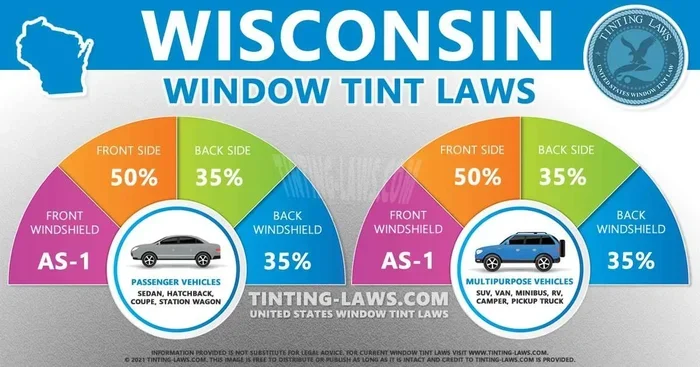
Here is how it works for passenger vehicles in Minnesota:
Windshield Tint Rules
You cannot tint the entire windshield. The Minnesota window tint law only allows tint on the top portion of the windshield. This strip cannot go below the manufacturer’s AS-1 line. If your car does not have an AS-1 line, the tint strip cannot be the top five inches of the windshield. This rule keeps the driver’s view clear right at eye level.
Front Side Window Tint Rules
The front side windows must let in at least 50 percent of visible light. This means the VLT must be 50 or higher. This rule applies to the driver’s side and passenger side windows. You can use tint that is slightly darker than 50 percent, but it must stay above that threshold.
Rear Side Window Tint Rules
For the rear side windows, the rules are more flexible. You can use tint with a VLT of 25 percent or higher. This allows for a noticeably darker tint on the back doors and rear quarter windows. The key is staying at or above that 25 percent mark.
Rear Window Tint Rules
The rear window can also have a VLT of 25 percent or higher. This is the same rule as the rear side windows. You have more freedom with the back window than you do with the front windows.
Here is a simple comparison of the legal tint darkness for each window:
| Window | Minimum VLT Allowed |
|---|---|
| Windshield | Top 5 inches or above AS-1 line only |
| Front Side Windows | 50% or higher |
| Rear Side Windows | 25% or higher |
| Rear Window | 25% or higher |
These numbers come directly from the Minnesota window tint law. They apply to most standard passenger cars, SUVs, and vans. If you drive a different type of vehicle, the rules might be slightly different. Always check the current statute to be sure.
What VLT Means in Real Life
Let us say you buy a tint with 35 percent VLT. That means 35 percent of light passes through the glass. The rest is blocked. For your front side windows, this would not be legal because it is below 50 percent. But for your rear side windows, it would be perfectly fine.
Think of it like sunglasses for your car. You would not want sunglasses that are too dark for the front windows because they would make it hard to see. But darker sunglasses on the back windows might feel nice and cool. That is basically what the law is trying to do.
Reflection and Color Restrictions
It is not just about how dark your tint is. The Minnesota window tint law also controls how reflective the tint can be. It also limits which colors you can use. These rules are just as important as the VLT limits.
Tint Reflection Rules
Window tint can be made to reflect light, just like a mirror. Reflective tint can reduce glare and heat. But too much reflection can be distracting to other drivers. It can also make it hard for police to see inside your car.
Under the Minnesota window tint law, front side windows and rear side windows cannot be more than 20 percent reflective. This means the tint should not look like a mirror. If your tint has a shiny, metallic finish that reflects light heavily, it may not be legal.
The windshield also has a reflection limit. It must not be more than 20 percent reflective. This keeps the windshield clear enough for safe driving.
Tint Color Restrictions
Not every tint color is allowed in Minnesota. The Minnesota window tint law bans certain colors on vehicle windows. Red tint is not allowed. Amber tint is also banned. These colors are typically reserved for emergency vehicles.
Standard tint colors like charcoal, gray, and bronze are generally fine. These colors do not interfere with the tint’s function and are widely accepted. If you are unsure about a color, ask your tint installer before you have it applied.
Why These Rules Matter
Color and reflection rules exist for safety. A bright red or yellow tint on a civilian vehicle could confuse law enforcement. It could make it look like an emergency vehicle. Similarly, highly reflective tint can blind other drivers, especially at night or in bright sunlight.
The Minnesota window tint law keeps things simple. Stick with standard colors and keep reflection under 20 percent. You will stay on the right side of the law.
Medical Exemptions and Special Cases
Not everyone can use the standard tint limits. Some people have medical conditions that make them very sensitive to sunlight. For these individuals, the Minnesota window tint law offers a way to get a darker tint legally.
Who Qualifies for a Medical Exemption?
People with certain skin conditions or autoimmune disorders may qualify. Photosensitivity is the most common reason for a medical exemption. If you have a condition that makes your skin or eyes extremely sensitive to UV light, you may be able to get a special permit.
You will need a letter from a licensed physician. This letter must explain your condition and why darker tint is medically necessary. You then submit this letter to the Minnesota Department of Public Safety. If approved, you will receive a medical exemption sticker for your vehicle.
What the Exemption Allows
A medical exemption allows you to use tint that is darker than the standard legal limits. However, you still must follow some rules. The exemption does not give you unlimited freedom. You still need to meet certain VLT minimums, and the exemption must be visibly displayed in your vehicle.
Keep in mind that the Minnesota window tint law can change. Always check the current rules and renewal requirements for your exemption. An expired exemption sticker is the same as having no exemption at all.
Other Special Cases
Some vehicles are treated differently under the law. For example, limousines and other commercial vehicles may have different tint rules. Law enforcement vehicles also have their own regulations. If you own a specialty vehicle, make sure you understand the specific rules that apply to it.
Penalties for Illegal Tint in Minnesota
What happens if you get caught with tint that does not meet the Minnesota window tint law? The consequences are not fun. Let us look at what you could face.
Fines and Citations
A tint violation in Minnesota is considered a petty misdemeanor. This means you could be fined. The fine amount can vary depending on the situation. In some cases, you may receive a citation that requires you to fix the problem within a certain timeframe.
First-time offenders usually get a warning or a small fine. Repeat offenders may face higher fines. The more you push the limits, the more it costs you.
Vehicle Inspection Failures
Minnesota requires vehicles to pass an annual safety inspection. Illegal tint can cause you to fail this inspection. If your tint is too dark or too reflective, you will not pass. You will need to remove or replace the tint before you can get your inspection sticker.
This can be frustrating and expensive. You have already paid for the tint. Now you have to pay to remove it and then pay for new, legal tint. It is a waste of money that you can easily avoid.
Law Enforcement Stops
Police officers in Minnesota can pull you over if they suspect your tint is illegal. During the stop, they will use a tint meter to measure the VLT of your windows. If your tint is below the legal limit, you will receive a citation.
Having a tint ticket can also affect your insurance rates. Insurance companies may see it as a moving violation. Over time, this can cost you more money than the tint itself was worth.
How to Choose Legal Window Tint in Minnesota
Now that you know the rules, you probably want to tint your windows the right way. Here is how to make sure your Minnesota window tint law compliance is airtight.
Work With a Licensed Tint Installer
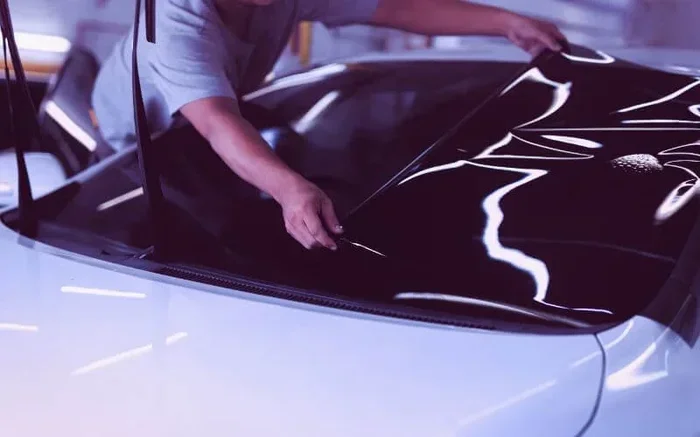
The easiest way to stay legal is to work with a professional. A licensed tint installer knows the Minnesota regulations inside and out. They will recommend a tint that looks great and meets all legal requirements.
Ask the installer about the VLT of the tint film they use. Make sure it matches the legal limits for each window. A good installer will also handle the paperwork if you need a medical exemption.
Buy Quality Tint Film
Not all tint film is created equal. Cheap tint can bubble, peel, and fade. It may also not block UV rays the way you want. Invest in a quality film from a reputable brand. Your tint will last longer and look better.
Look for tint that comes with a warranty. A good warranty shows the manufacturer stands behind their product. It also gives you peace of mind that your investment is protected.
Keep Your Receipts and Documentation
After you get your tint installed, keep all your receipts. Save the paperwork from the installer that shows the VLT of the film used. If you ever get pulled over or need to prove your tint is legal, this documentation will help you a lot.
Also, if you have a medical exemption, keep the sticker visible on your dashboard. You never know when a police officer might ask to see it.
Common Mistakes to Avoid
Many people make mistakes when tinting their windows in Minnesota. Here are a few to watch out for:
- Buying tint online without checking VLT: Online tint may be too dark for your front windows.
- Ignoring the windshield rule: Tinting below the AS-1 line on the windshield is illegal.
- Using reflective or metallic tint: This can exceed the 20 percent reflection limit.
- Forgetting about color restrictions: Red and amber tints are not allowed.
- Skipping the medical exemption paperwork: Even with a medical condition, you need the official permit.
Avoiding these mistakes will save you time, money, and hassle. The Minnesota window tint law is not complicated once you understand it. A little research goes a long way.
Expert Tips for Staying Compliant
We asked a few local tint professionals what they tell their customers most often. Here is their advice.
First, always ask for a written quote that includes the VLT of the film. This protects you if there is ever a dispute. Second, do not let friends talk you into going darker than the law allows. It might look cool, but it is not worth the fine. Third, remember that laws can change. Check the Minnesota Department of Public Safety website for the most up-to-date rules.
Finally, if you are unsure about anything, call your local law enforcement agency. They can clarify the rules before you get your tint done. It is better to ask a question than to pay a ticket later.
Key Takeaways
- Know Your VLT Limits: Front side windows need 50 percent or higher VLT, while rear windows can go as low as 25 percent.
- Windshield Tint Is Limited: Only the top five inches or above the AS-1 line can be tinted on the windshield.
- Reflection Must Stay Below 20 Percent: Neither front nor rear side windows can be overly reflective.
- Medical Exemptions Are Available: People with photosensitivity or other conditions can apply for special permits.
- Penalties Are Real: Illegal tint can result in fines, inspection failures, and even insurance rate increases.
- Work With Professionals: A licensed tint installer will help you choose legal film and avoid costly mistakes.
- Keep Your Documentation: Save receipts, VLT paperwork, and any exemption stickers for your records.
Conclusion
The Minnesota window tint law might seem overwhelming at first. But once you break it down, it is pretty straightforward. Each window has its own VLT limit. The windshield can only be tinted in the top strip. Reflection and color have their own rules. And if you have a medical need, there is a path to get darker tint legally.
The best thing you can do is educate yourself before you tint your windows. Know the rules. Choose a licensed installer. Keep your paperwork in order. This way, you enjoy the benefits of window tint without any legal headaches.
Tinting your windows can make your driving experience better. It can reduce glare, block harmful UV rays, and keep your car cooler. Just make sure you do it the right way. Follow the Minnesota window tint law, and you will be all set.
Take the time to understand the rules. Talk to a professional if you have questions. And always keep your vehicle compliant. Your wallet and your driving record will thank you for it.
Frequently Asked Questions
Can I tint my windshield in Minnesota?
You can tint the top portion of the windshield, but only up to the manufacturer’s AS-1 line or the top five inches, whichever is less. The rest of the windshield must remain untinted. This rule keeps your line of sight clear while driving.
What is VLT and why does it matter for Minnesota tint law?
VLT stands for Visible Light Transmission. It measures how much light passes through your window tint. The Minnesota window tint law uses VLT percentages to set legal limits for each window. A higher VLT means lighter tint, and a lower VLT means darker tint.
Are there any exceptions to the Minnesota window tint law?
Yes, medical exemptions are the main exception. People with certain health conditions that cause extreme sensitivity to sunlight can apply for a special permit. This allows them to use darker tint than the standard legal limits. You must have a physician’s letter and a valid exemption sticker displayed in your vehicle.
How much is the fine for illegal window tint in Minnesota?
A tint violation in Minnesota is classified as a petty misdemeanor. Fines can vary but typically range from around $50 to a few hundred dollars. Repeat offenses may result in higher fines. You may also be required to remove the illegal tint to pass your vehicle inspection.
Can I use reflective or mirrored tint on my car in Minnesota?
No. The Minnesota window tint law limits tint reflection to 20 percent or less for both front and rear side windows. Metallic, mirrored, or highly reflective finishes are not allowed. Stick with standard, non-reflective tint films to stay compliant.
Do I need to remove my old tint if it is too dark?
If your tint does not meet the legal VLT requirements, you will need to remove or replace it. This is especially important if you want to pass your annual vehicle inspection. Many tint shops can remove old film and apply new, legal tint in the same visit.